

 Preservatives(food)
 Flavor Enhancers
 Acidulants
 Sweeteners
 Antioxidants
 Colorants(food)
 Nutraceutical Ingredients (food)
 Nutrient Supplements
 Emulsifiers
 Collectors
 Dust Suppressants
 Explosives and Blasting Agents
 Flocculants and Coagulants
 Frothers
 Leaching Agents
 pH Modifiers
 Precious Metal Extraction Agents
 Antioxidants(plastic)
 Colorants (Pigments, Dyes)
 Fillers and Reinforcements
 Flame Retardants
 Monomers
 Plasticizers
 Polymerization Initiators
 Stabilizers (UV, Heat)
 Antifoaming Agents
 Chelating Agents
 Coagulants and Flocculants
 Corrosion Inhibitors
 Disinfectants and Biocides
 Oxidizing Agents
 pH Adjusters
 Scale Inhibitors( water)
 Antioxidants(cosmetic)
 Emollients
 Fragrances and Essential Oils
 Humectants
 Preservatives
 Surfactants(cosmetic)
 Thickeners
 UV Filters
 Fertilizers
 Soil Conditioners
 Plant Growth Regulators
 Animal Feed Additives
 Biostimulants
 Pesticides (Herbicides, Insecticides, Fungicides)
 Active Pharmaceutical Ingredients (APIs)
 Excipients
 Solvents(pharmaceutical)
 Antibiotics
 Antiseptics and Disinfectants
 Vaccine Adjuvants
 Nutraceutical Ingredients (pharmaceutical)
 Analgesics & Antipyretics
 Analytical Reagents
 Solvents(lab)
 Chromatography Chemicals
 Spectroscopy Reagents
 microbiology-and-cell-culture-reagents
 Molecular Biology Reagents
 Biochemical Reagents
 Inorganic and Organic Standards
 Laboratory Safety Chemicals
 Specialty Laboratory Chemicals(Special Laboratory Equipment)
 Demulsifiers
 Hydraulic Fracturing Fluids
 Scale Inhibitors(oil)
 Surfactants(oil)
 Drilling Fluids
 Dyes and Pigments
 Bleaching Agents
 Softening Agents
 Finishing Agents
 Antistatic Agents
 Admixtures
 Waterproofing Agents
 Sealants and Adhesives
 Curing Compounds
 Concrete Repair Chemicals
 Anti-Corrosion Coatings
 Surfactants(cleaning)
 Builders
 Enzymes
 Solvents (Cleaning)
 Fragrances
 Electronic Chemicals
 Catalysts
 Lubricants
 Photographic Chemicals
 Refrigerants
 Automotive chemicals
 Pyrotechnic Chemicals
 Biodegradable Surfactants
 Bio-based Solvents
 Renewable Polymers
 Carbon Capture Chemicals
 Wastewater Treatment Chemicals
 Pigments
 Solvents(paint)
 Specialty Coatings
 Binders/Resins
 Additives
 Driers
 Anti-Corrosion Agents
 Functional Coatings
 Application-Specific Coatings
 Leavening Agents
 Dough Conditioners
 Flour Treatments
 Fat Replacers
 Decoratives
 Preservatives(baking)
 Plasticizers & Softeners
 Reinforcing Agents
 Adhesion Promoters
 Vulcanizing Agents
 Antidegradants
 Blowing Agents
 Fillers & Extenders
 Accelerators & Retarders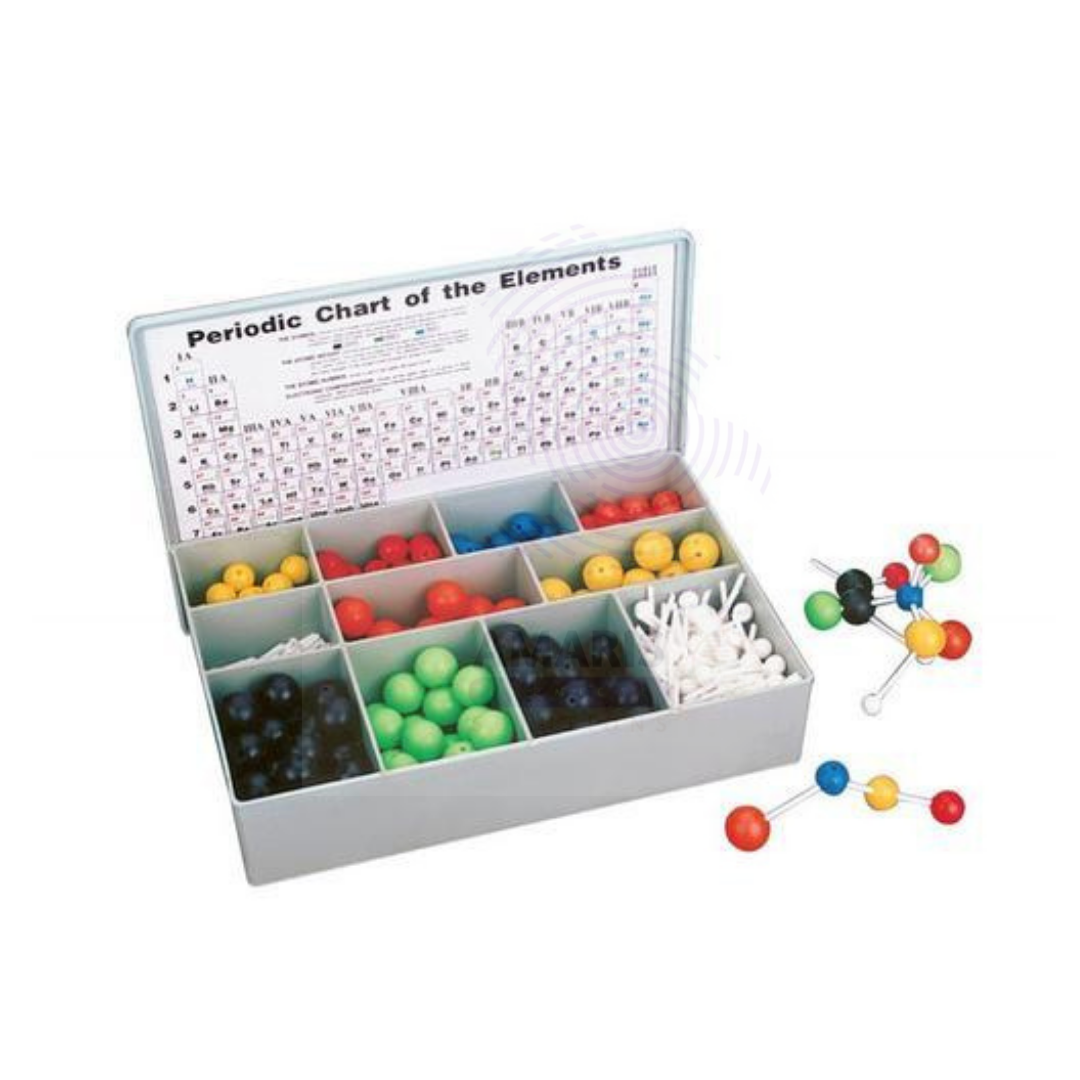

Atomic Model Set
Original price was: $ 48.10.$ 48.02Current price is: $ 48.02.
The Atomic Model Set is an educational tool designed to visually demonstrate the structure of atoms and molecules. It consists of color-coded balls representing protons, neutrons, and electrons, connected by rods to simulate atomic bonds. This set is widely used in classrooms, laboratories, and training centers to aid in the teaching of atomic theory, molecular geometry, chemical bonding, and related concepts. Made from durable plastic materials, the set provides a hands-on, interactive experience that enhances understanding of complex scientific principles.
Atomic Model Set
Primary Uses
- Educational and Training Applications
- Used in schools and universities to teach atomic structure and molecular formation.
- Aids students in visualizing atomic and molecular models for chemistry and physics.
- Useful for demonstrations of chemical bonding types (ionic, covalent, metallic).
- Supports interactive learning and group discussions in science education.
- Employed in laboratory courses for hands-on learning of molecular geometry.
Secondary Uses
- Research and Professional Use
- Utilized by educators and researchers for illustrating atomic-scale concepts in presentations.
- Employed in science museums and exhibitions for public education.
- Used in curriculum development and scientific outreach programs.
| PACK SIZE | 60 Balls |
|---|
1.Basic Identification Attributes
- Material: Durable, color-coded plastic components
- Components: Protons (red), neutrons (blue), electrons (yellow), and connecting rods
- Size: Portable sets ranging from small classroom kits to comprehensive models
2.Physical & Chemical Properties
- Lightweight and non-toxic materials suitable for repeated handling
- Color-coded for easy identification and assembly
- Components are washable and reusable
3.Safety & Hazard Attributes
- Small parts may pose choking hazard; not suitable for young children without supervision
- Non-toxic materials minimize health risks
4.Storage & Handling Attributes
- .Store in a dry, clean container to prevent loss of parts
- Keep out of reach of young children
- Handle gently to avoid breaking rods or connectors
5.Regulatory & Compliance Attributes
- Manufactured following toy safety standards where applicable
- Compliant with educational product regulations
6.Environmental & Health Impact
- Made from recyclable plastics
- Long-lasting, reusable design reduces waste
Safety Handling Precautions
- Supervise use with young children to prevent accidental ingestion
- Avoid excessive force when assembling to prevent breakage
First Aid Measures
- In case of choking, follow standard first aid procedures
- For minor cuts from broken parts, clean and disinfect the area
Firefighting Measures
- Plastic components are combustible
- Use water spray, foam, or dry chemical extinguishers in case of fire
Related products
Banana Plug
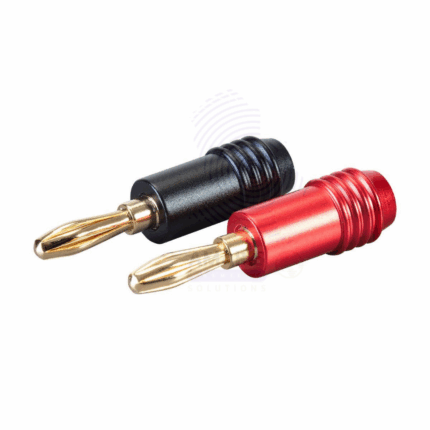
The Banana Plug is a single-wire electrical connector used to join wires to equipment in testing, measuring, and laboratory applications. It features a cylindrical metal pin with a spring mechanism to ensure a secure and reliable connection. The plug is widely used for quick and easy connections in electronic testing devices, audio systems, and laboratory instruments. Made from high-conductivity metals such as brass or copper and often gold- or nickel-plated for corrosion resistance, the Banana Plug provides consistent electrical conductivity and durability.

Boyle’s Law Apparatus
Boyle’s Law Apparatus is a precision laboratory instrument designed to demonstrate and verify Boyle’s Law, which states that the pressure of a given mass of gas is inversely proportional to its volume at constant temperature. The apparatus typically consists of a sealed cylinder with a movable piston or syringe, pressure gauge, and volume scale, allowing students and researchers to observe and measure the relationship between pressure and volume in gases. It is widely used in educational and research laboratories to teach fundamental gas laws and perform experimental validation of theoretical principles.
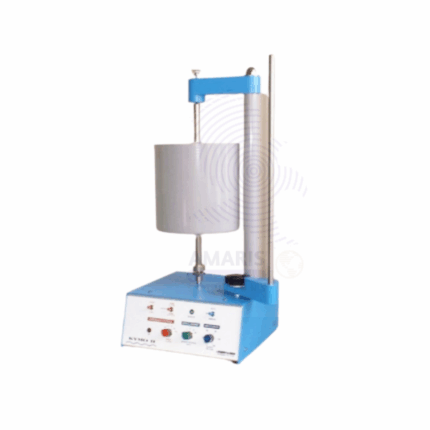
complete kymograph equipment
Complete Kymograph Equipment is a precision instrument used primarily in physiology and biological research to record changes in pressure, motion, or other physiological phenomena over time. It consists of a rotating drum wrapped with a recording paper and various attachments such as levers, pens, and sensors to capture mechanical movements or biological signals. This equipment is essential for experiments involving muscle contractions, blood pressure measurements, and other dynamic biological processes.
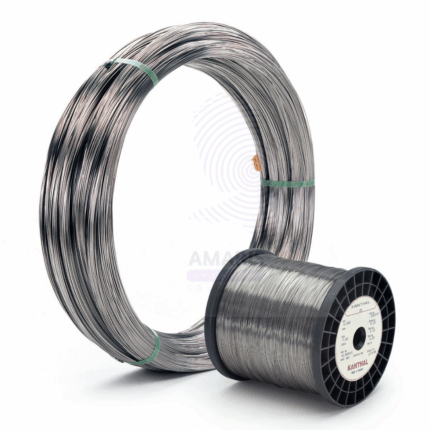
Constantine wire
Constantine Wire is an alloy wire composed primarily of copper, nickel, and zinc, known for its high electrical conductivity, corrosion resistance, and durability. It is widely used in electrical applications requiring reliable conduction and mechanical strength. The wire exhibits excellent resistance to oxidation and mechanical wear, making it suitable for various laboratory and industrial uses.
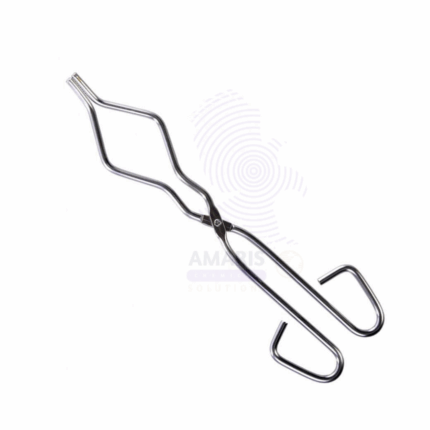
Crucible Tongs
Crucible Tongs are specialized metal tools designed for safely handling hot crucibles, evaporating dishes, and other laboratory apparatus exposed to high temperatures. Made from durable, heat-resistant metals such as stainless steel or nickel-plated steel, these tongs provide a firm grip, ensuring the safe transfer of heated items during laboratory procedures, including heating, melting, and chemical reactions.
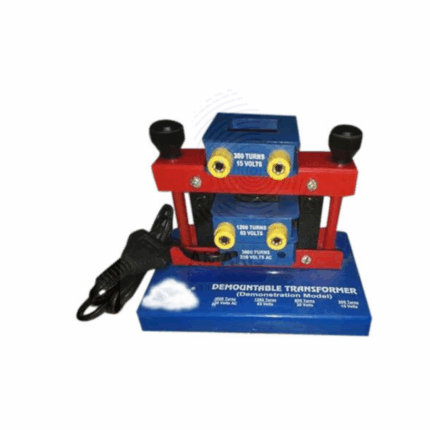
Demonstration transformer
The Demonstration Transformer is an educational and laboratory device designed to illustrate the principles of electromagnetic induction, voltage transformation, and mutual inductance. Typically composed of a laminated iron core with interchangeable primary and secondary coils, it allows for hands-on experiments involving step-up and step-down voltage transformation. Ideal for both laboratory demonstrations and industrial training settings, it supports a range of voltage and current inputs and can safely demonstrate real-time transformer behavior using AC power sources.
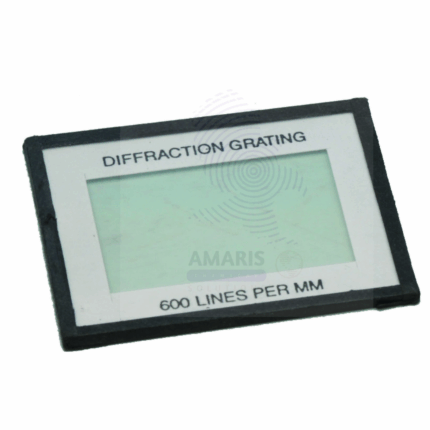
Diffraction Gratings
Diffraction Gratings are precision optical components used to disperse light into its component wavelengths for spectral analysis. These gratings consist of a surface with a series of closely spaced lines or grooves that diffract incoming light at specific angles depending on wavelength, enabling separation and measurement of spectral bands. Available in transmission or reflection formats, diffraction gratings are made from materials like glass or quartz and are often coated for enhanced optical performance. They are widely used in laboratories, research institutions, and industrial applications involving spectroscopy, photonics, and laser systems.
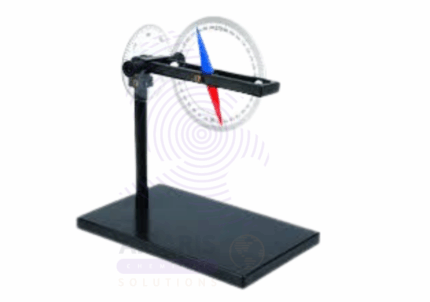
Dip Needle
A Dip Needle is a finely balanced magnetic needle used to measure the magnetic dip or inclination angle of the Earth’s magnetic field. Mounted to pivot freely in a vertical plane, the needle aligns itself with the Earth’s magnetic field lines, enabling precise determination of the angle between the horizontal plane and magnetic field direction. Dip Needles are essential instruments in geophysics, navigation, and laboratory studies of magnetism. They provide crucial data for mapping magnetic variations, compass calibration, and educational demonstrations. Typically constructed with magnetized steel or alloy, dip needles are designed for sensitivity and durability in field and lab environments.












