

 Preservatives(food)
 Flavors
 Acidulants
 Sweeteners
 Antioxidants
 Colorants(food)
 Nutraceutical Ingredients (food)
 Nutrient Supplements
 Emulsifiers
 Collectors
 Dust Suppressants
 Explosives and Blasting Agents
 Flocculants and Coagulants
 Frothers
 Leaching Agents
 pH Modifiers
 Precious Metal Extraction Agents
 Antioxidants(plastic)
 Colorants (Pigments, Dyes)
 Fillers and Reinforcements
 Flame Retardants
 Monomers
 Plasticizers
 Polymerization Initiators
 Stabilizers (UV, Heat)
 Antifoaming Agents
 Chelating Agents
 Coagulants and Flocculants
 Corrosion Inhibitors
 Disinfectants and Biocides
 Oxidizing Agents
 pH Adjusters
 Scale Inhibitors( water)
 Antioxidants(cosmetic)
 Emollients
 Oils
Oils Carrier Oills
 Essential Oils
 Humectants
 Preservatives
 Surfactants(cosmetic)
 Thickeners
 UV Filters
 Fragrance (Cosmetics)
 Fertilizers
 Soil Conditioners
 Plant Growth Regulators
 Animal Feed Additives
 Biostimulants
 Pesticides (Herbicides, Insecticides, Fungicides)
 Active Pharmaceutical Ingredients (APIs)
 Excipients
 Solvents(pharmaceutical)
 Antibiotics
 Antiseptics and Disinfectants
 Vaccine Adjuvants
 Nutraceutical Ingredients (pharmaceutical)
 Analgesics & Antipyretics
 Analytical Reagents
 Solvents(lab)
 Chromatography Chemicals
 Spectroscopy Reagents
 microbiology-and-cell-culture-reagents
 Molecular Biology Reagents
 Biochemical Reagents
 Inorganic and Organic Standards
 Laboratory Safety Chemicals
 Specialty Laboratory Chemicals(Special Laboratory Equipment)
 Demulsifiers
 Hydraulic Fracturing Fluids
 Scale Inhibitors(oil)
 Surfactants(oil)
 Drilling Fluids
 Dyes and Pigments
 Bleaching Agents
 Softening Agents
 Finishing Agents
 Antistatic Agents
 Admixtures
 Waterproofing Agents
 Sealants and Adhesives
 Curing Compounds
 Concrete Repair Chemicals
 Anti-Corrosion Coatings
 Surfactants(cleaning)
 Builders
 Enzymes
 Solvents (Cleaning)
 Electronic Chemicals
 Catalysts
 Lubricants
 Photographic Chemicals
 Refrigerants
 Automotive chemicals
 Pyrotechnic Chemicals
 Biodegradable Surfactants
 Bio-based Solvents
 Renewable Polymers
 Carbon Capture Chemicals
 Wastewater Treatment Chemicals
 Pigments
 Solvents(paint)
 Specialty Coatings
 Binders/Resins
 Additives
 Driers
 Anti-Corrosion Agents
 Functional Coatings
 Application-Specific Coatings
 Leavening Agents
 Dough Conditioners
 Flour Treatments
 Fat Replacers
 Decoratives
 Preservatives(baking)
 Plasticizers & Softeners
 Reinforcing Agents
 Adhesion Promoters
 Vulcanizing Agents
 Antidegradants
 Blowing Agents
 Fillers & Extenders
 Accelerators & Retarders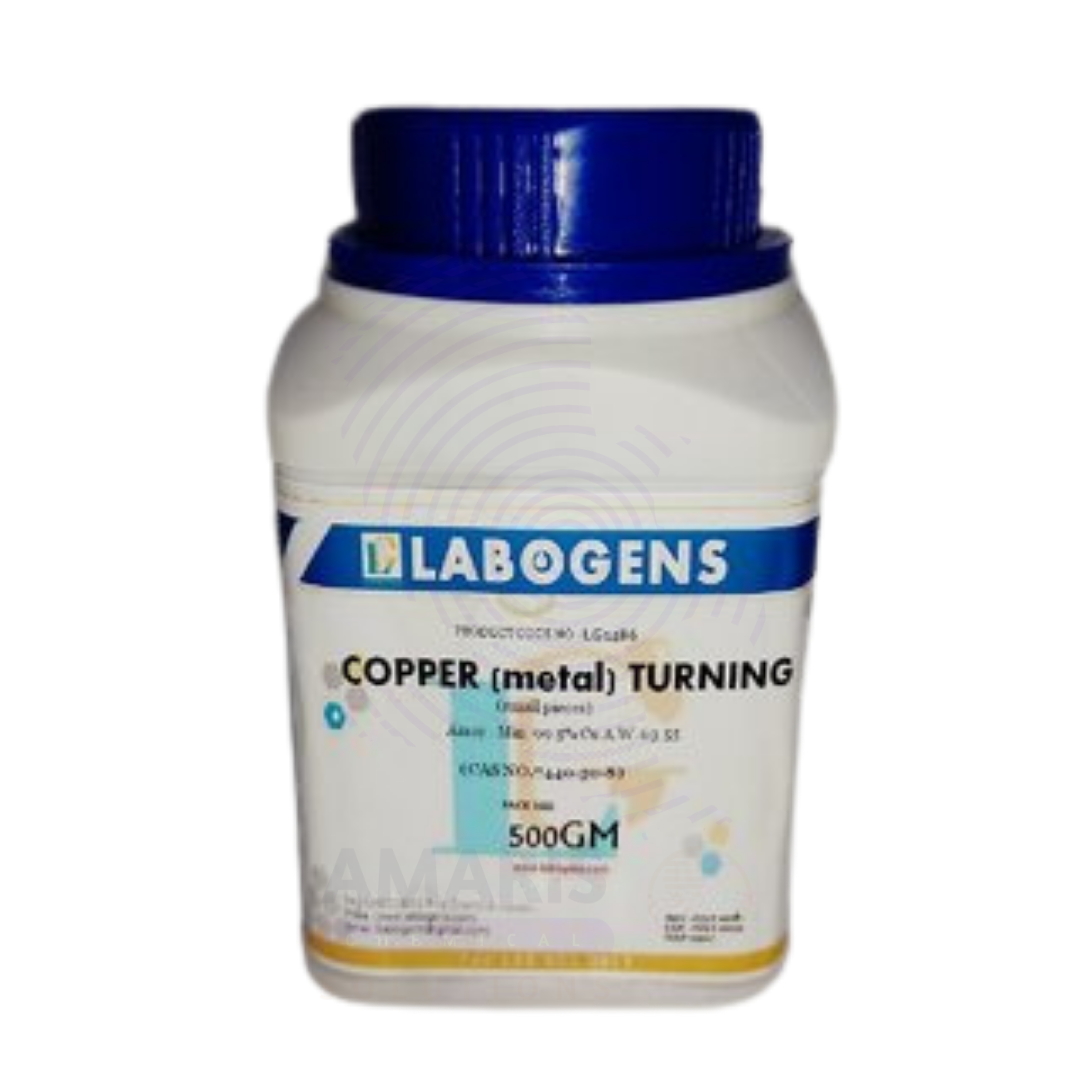


Copper Turnings Extra Pure
Original price was: $ 19.15.$ 19.00Current price is: $ 19.00.
Copper Turnings Extra Pure are thin, spiral-shaped shavings of elemental copper, produced from high-purity metal and widely used in laboratory applications requiring clean, reactive metal surfaces. Their large surface area makes them ideal for redox reactions, hydrogen generation experiments, and the preparation of copper salts through acid reactions. In educational and research settings, they are preferred for demonstrations involving displacement reactions and metal activity series studies. The extra pure grade guarantees minimal contamination, ensuring accurate and reproducible results. To prevent oxidation and maintain reactivity, copper turnings should be stored in dry, airtight containers.
Copper Turnings Extra Pure
Primary Uses
- Reactant in Inorganic Synthesis
- Used to prepare copper salts (e.g., copper nitrate, copper sulfate) by reacting with acids like nitric or sulfuric acid.
- Demonstrations of Redox Chemistry
- Ideal for showing metal displacement reactions, such as copper replacing less reactive metals from solutions (or being replaced by more reactive ones).
- Electrochemical Experiments
- Employed as electrodes in galvanic and electrolytic cells to demonstrate oxidation at the anode or reduction at the cathode.
- Metal Recovery Studies
- Used in precipitation reactions to recover other metals (e.g., silver or mercury) from their ionic solutions.
Secondary Uses
- Thermal Conductivity & Heat Transfer Experiments
- Because of its high thermal conductivity, it’s used to demonstrate metallic heat conduction.
- Teaching Tool in Reagent Purity or Metal Identification
- Helpful in qualitative tests for identifying pure metals or checking reaction completeness.
- Support for Organic Reaction Catalysis (when activated)
- Though less common than copper powder, cleaned or activated turnings may act as mild catalysts in some organic coupling reactions.
- Study of Metal Surface Reactions
- Used to study surface oxidation, passivation, or acid etching effects under controlled conditions.
1. Basic Identification Attributes
- Chemical Name: Copper (turnings)
- CAS Number: 7440-50-8
- Chemical Formula: Cu
- Molar Mass: 63.55 g/mol
- Synonyms: Copper metal shavings, Copper filings, Metallic copper
2. Physical & Chemical Properties
- Appearance: Reddish metallic shavings or curled strips
- Odor: Odorless
- Solubility:
- Insoluble in water
- Soluble in nitric acid and hot concentrated sulfuric acid
- Melting Point: ~1083 °C
- Boiling Point: ~2562 °C
- Electrical Conductivity: Excellent
- Thermal Conductivity: Excellent
3. Safety & Hazard Attributes
- GHS Classification:
- H302: Harmful if swallowed
- H410: Very toxic to aquatic life with long-lasting effects
- Fire Hazard:
- Not readily flammable, but fine residues or dust may pose ignition risk
- NFPA Ratings:
- Health: 1
- Flammability: 1
- Reactivity: 1
- First Aid Measures:
- Inhalation (dust): Move to fresh air and seek medical attention if symptoms occur
- Skin Contact: Wash thoroughly with water and soap
- Eye Contact: Rinse cautiously with water for several minutes
- Ingestion: Rinse mouth, do not induce vomiting, get medical help
4. Storage & Handling Attributes
- Storage Conditions:
- Store in a dry, cool, ventilated space
- Keep away from strong oxidizing agents
- Handling Advice:
- Avoid generating fine dust when handling or machining
- Use protective gloves and eye protection
- Container Recommendations: Closed, labeled metal or plastic containers
5. Regulatory & Compliance Attributes
- EINECS Number: 231-159-6
- REACH Status: Registered
- UN Number: Not regulated for transport in solid metal form
6. Applications in Laboratory & Industry
- Laboratory Use:
- Common reagent in redox and displacement reactions
- Used in preparation of copper salts (e.g., copper(II) nitrate)
- Ideal for reactions where pure solid copper is required
- Other Uses:
- Electrochemistry experiments
- Alloy and metallurgy demonstrations
- Thermal conductivity studies
SAFETY PRECAUTIONS
- PPE Required:
- Lab coat
- Safety goggles
- Nitrile gloves
- Handling:
- Handle with clean, dry tools to avoid oxidation
- Avoid contact with acids and oxidizers
- Wash hands after handling
- Storage:
- Store in labeled, sealed containers
- Keep in a dry environment to prevent corrosion or patina formation
- Separate from strong acids and oxidizers
FIRST AID MEASURES
- Inhalation:
- Not expected to be hazardous in solid form
- Move to fresh air if exposed to metal fumes (e.g., during heating)
- Skin Contact:
- Wash thoroughly with soap and water
- Seek attention if irritation occurs
- Eye Contact:
- Rinse with water for at least 15 minutes
- Get medical advice if irritation persists
- Ingestion:
- Rinse mouth
- Not expected to be toxic in small amounts, but seek medical attention
FIREFIGHTING MEASURES
- Flammability: Not flammable in turnings form
- Explosion Risk: None in normal conditions
- Extinguishing Media:
- Use dry powder, sand, or foam
- Water or CO₂ are typically safe but avoid with nearby reactive chemicals
- Firefighter Protection:
- Standard protective equipment
- Standard protective equipment
Related products

Bitumen Primer Extra Pure
Bitumen Primer Extra Pure is a high-purity, low-viscosity liquid used in laboratory and industrial research involving adhesion studies, waterproofing technologies, and material compatibility testing. It consists primarily of refined bitumen dissolved in a suitable solvent, allowing it to penetrate and seal porous substrates like concrete, masonry, or metal. In laboratory contexts, it is used to study the behavior of protective coatings, surface treatments, and corrosion resistance. The extra pure grade ensures minimal impurities and uniform consistency, supporting accurate and reproducible test results. Bitumen Primer should be stored in a tightly closed container in a well-ventilated area, away from heat sources, sparks, and open flames
Lead Nitrate Extra Pure
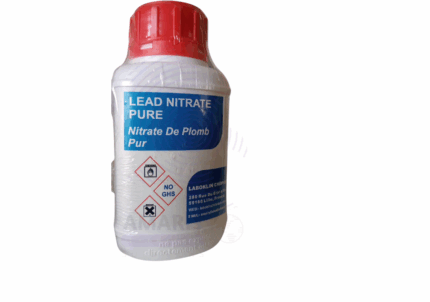
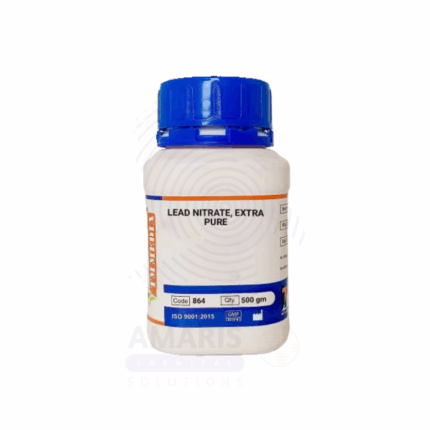
Lead Nitrate Extra Pure is a white crystalline compound (Pb(NO₃)₂) known for its excellent solubility in water and reliable reactivity, making it a key reagent in analytical and industrial chemistry. It is frequently used in laboratory synthesis, qualitative analysis, and in the production of other lead compounds. In pyrotechnics, it's valued for its role as an oxidizing agent, while in metallurgy, it assists in gold leaching and ore processing. Its high purity ensures consistent performance in controlled experiments and manufacturing. Due to its toxic and oxidizing nature, it must be handled with careful PPE protocols and stored securely away from organics or combustible materials.
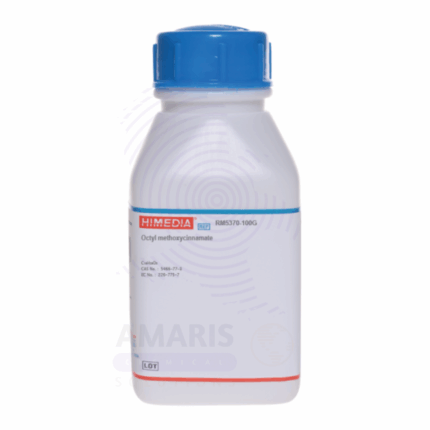
Octyl Methoxycinnamate Extra Pure
Octyl Methoxycinnamate Extra Pure is a high-purity organic compound widely used as a UV-B filter in sunscreen formulations and personal care products. Known chemically as Ethylhexyl Methoxycinnamate, it functions by absorbing ultraviolet light in the 280–320 nm range, thereby protecting skin from sunburn and photoaging.
In its Extra Pure form, OMC offers exceptional quality for cosmetic-grade applications, pharmaceutical formulations, and research requiring stringent purity levels. It is typically a clear, oily liquid with good solubility in oils and alcohols, making it ideal for incorporation into emulsions, creams, and lotions. Aside from its cosmetic uses, it is occasionally used in plastic and polymer stabilization where UV protection is needed. It should be stored in cool, dark conditions to maintain its stability and efficacy.
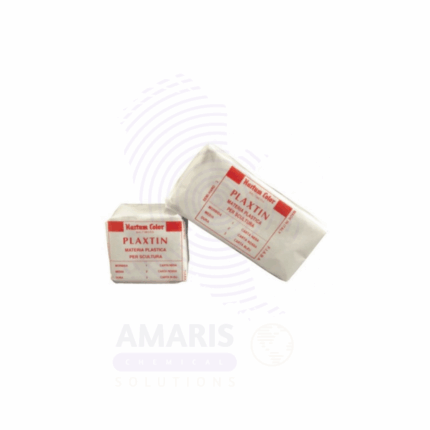
Plasticine Extra Pure
Plasticine Extra Pure is a soft, pliable, and non-drying modeling compound formulated for precision use in educational, artistic, and scientific applications. Unlike traditional clays, this extra pure grade contains high-quality, non-toxic ingredients that ensure safety, smooth texture, and ease of molding without hardening over time.
It is commonly used in schools, laboratories, design studios, and animation, offering excellent workability for crafting models, prototypes, or anatomical structures. Its stable composition allows repeated reuse without loss of quality, making it both economical and environmentally friendly.
Plasticine should be kept sealed in a cool, dust-free environment to preserve its flexibility. Although non-toxic, it should not be ingested, and basic hygiene should be practiced after handling, especially in laboratory or classroom settings.
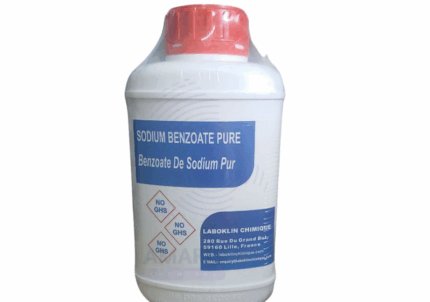
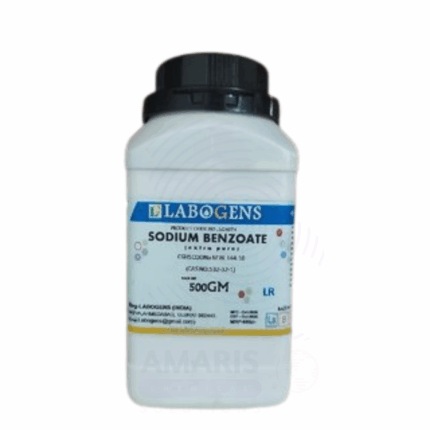
Sodium Benzoate Extra Pure
Sodium Benzoate Extra Pure is a white crystalline powder used primarily as a food preservative (E211) and antimicrobial agent. It is widely applied in food, pharmaceutical, and cosmetic industries to prevent microbial growth and extend shelf life. Its stable and non-toxic nature makes it suitable for various laboratory and industrial applications. Proper storage and handling are recommended to maintain its purity and prevent irritation.

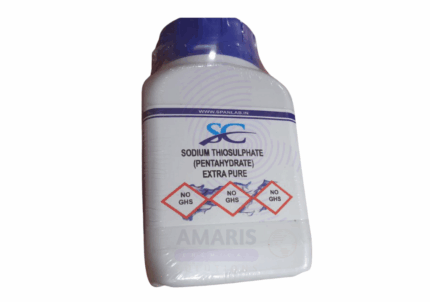
Sodium Thiosulphate Pentahydrate Extra Pure
Sodium Thiosulphate Pentahydrate Extra Pure is a white, crystalline, odorless compound widely used in laboratories and industry as a reducing agent, titrant, and water dechlorination chemical. It plays a vital role in photographic fixing, water treatment, and pharmaceutical antidotes for cyanide poisoning. This Extra Pure grade ensures high quality and reliability for analytical, pharmaceutical, and industrial applications. It must be stored in a dry, cool environment away from acids and oxidizers and handled with appropriate personal protective equipment to avoid irritation.

Solvent Black Extra Pure
Solvent Black Extra Pure is a deep black powder dye primarily used in laboratory, textile, and cosmetic applications. It provides excellent staining and coloring properties, especially in microscopy, histology, and analytical procedures. It is highly soluble in organic solvents and insoluble in water, making it ideal for specialty dyeing and pigmentation uses. Proper storage and handling are essential to avoid dust inhalation and environmental contamination. Its Extra Pure grade ensures consistent performance in scientific and industrial uses.
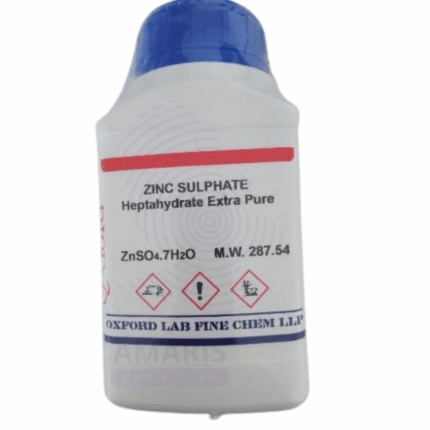
Zinc Sulphate Extra Pure
Zinc Sulphate Extra Pure is a high-purity, colorless to white, crystalline compound with the chemical formula ZnSO₄·7H₂O. It is highly soluble in water and commonly used as an analytical reagent, micronutrient supplement, and industrial additive. Its Extra Pure grade ensures suitability for use in sensitive laboratory and pharmaceutical environments. Zinc Sulphate is widely applied in gravimetric analysis, preparation of microbiological media, and as a zinc source in skin-care, feed, and agricultural formulations. Due to its acidic nature in solution, it should be handled with appropriate PPE, stored in moisture-free containers, and kept away from reactive agents.












