

 Preservatives(food)
 Flavors
 Acidulants
 Sweeteners
 Antioxidants
 Colorants(food)
 Nutraceutical Ingredients (food)
 Nutrient Supplements
 Emulsifiers
 Collectors
 Dust Suppressants
 Explosives and Blasting Agents
 Flocculants and Coagulants
 Frothers
 Leaching Agents
 pH Modifiers
 Precious Metal Extraction Agents
 Antioxidants(plastic)
 Colorants (Pigments, Dyes)
 Fillers and Reinforcements
 Flame Retardants
 Monomers
 Plasticizers
 Polymerization Initiators
 Stabilizers (UV, Heat)
 Antifoaming Agents
 Chelating Agents
 Coagulants and Flocculants
 Corrosion Inhibitors
 Disinfectants and Biocides
 Oxidizing Agents
 pH Adjusters
 Scale Inhibitors( water)
 Antioxidants(cosmetic)
 Emollients
 Oils
Oils Carrier Oills
 Essential Oils
 Humectants
 Preservatives
 Surfactants(cosmetic)
 Thickeners
 UV Filters
 Fragrance (Cosmetics)
 Fertilizers
 Soil Conditioners
 Plant Growth Regulators
 Animal Feed Additives
 Biostimulants
 Pesticides (Herbicides, Insecticides, Fungicides)
 Active Pharmaceutical Ingredients (APIs)
 Excipients
 Solvents(pharmaceutical)
 Antibiotics
 Antiseptics and Disinfectants
 Vaccine Adjuvants
 Nutraceutical Ingredients (pharmaceutical)
 Analgesics & Antipyretics
 Analytical Reagents
 Solvents(lab)
 Chromatography Chemicals
 Spectroscopy Reagents
 microbiology-and-cell-culture-reagents
 Molecular Biology Reagents
 Biochemical Reagents
 Inorganic and Organic Standards
 Laboratory Safety Chemicals
 Specialty Laboratory Chemicals(Special Laboratory Equipment)
 Demulsifiers
 Hydraulic Fracturing Fluids
 Scale Inhibitors(oil)
 Surfactants(oil)
 Drilling Fluids
 Dyes and Pigments
 Bleaching Agents
 Softening Agents
 Finishing Agents
 Antistatic Agents
 Admixtures
 Waterproofing Agents
 Sealants and Adhesives
 Curing Compounds
 Concrete Repair Chemicals
 Anti-Corrosion Coatings
 Surfactants(cleaning)
 Builders
 Enzymes
 Solvents (Cleaning)
 Electronic Chemicals
 Catalysts
 Lubricants
 Photographic Chemicals
 Refrigerants
 Automotive chemicals
 Pyrotechnic Chemicals
 Biodegradable Surfactants
 Bio-based Solvents
 Renewable Polymers
 Carbon Capture Chemicals
 Wastewater Treatment Chemicals
 Pigments
 Solvents(paint)
 Specialty Coatings
 Binders/Resins
 Additives
 Driers
 Anti-Corrosion Agents
 Functional Coatings
 Application-Specific Coatings
 Leavening Agents
 Dough Conditioners
 Flour Treatments
 Fat Replacers
 Decoratives
 Preservatives(baking)
 Plasticizers & Softeners
 Reinforcing Agents
 Adhesion Promoters
 Vulcanizing Agents
 Antidegradants
 Blowing Agents
 Fillers & Extenders
 Accelerators & Retarders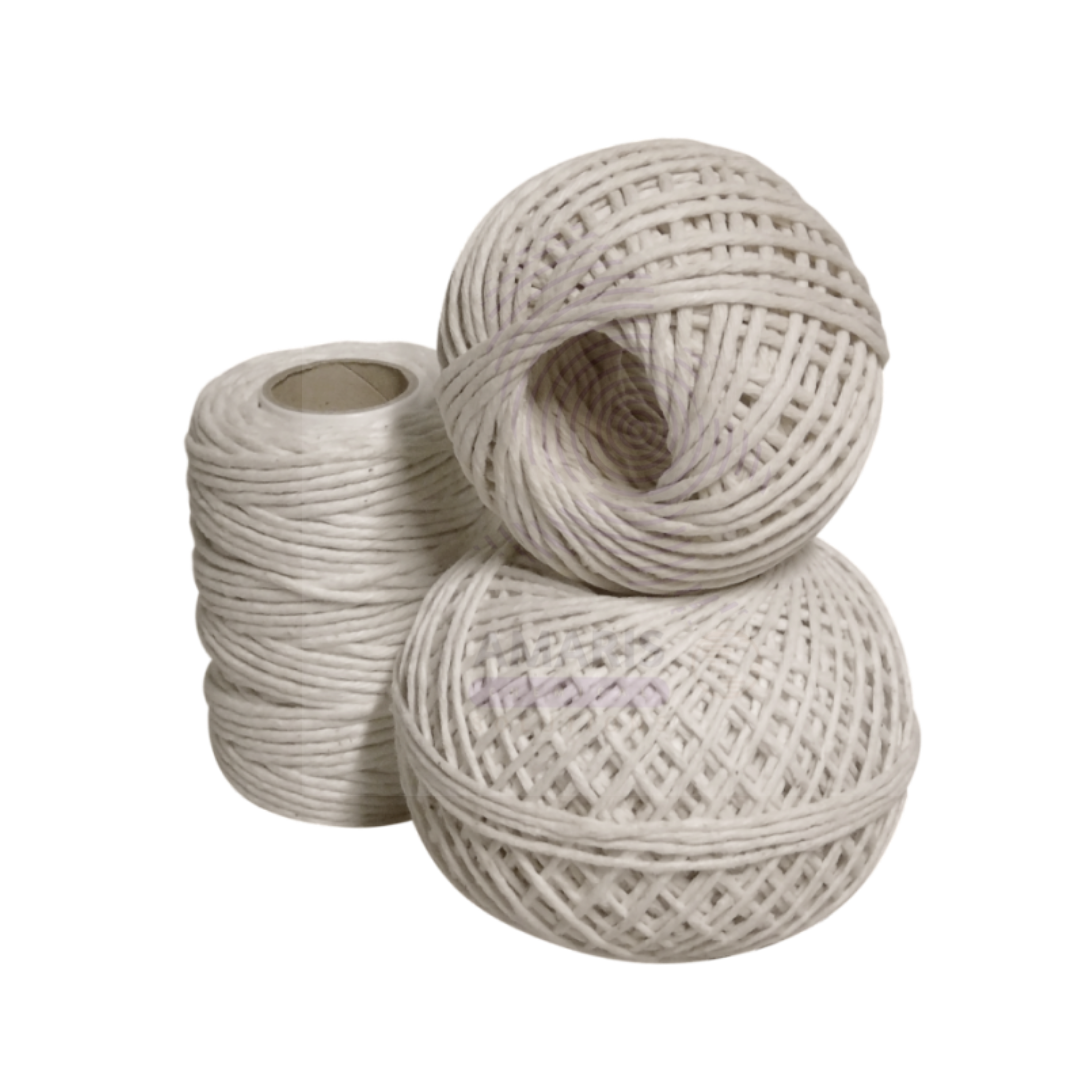

Cotton twine
Original price was: $ 6.99.$ 6.67Current price is: $ 6.67.
Cotton Twine is a versatile filament made from twisted strands of natural cotton fibers. It is soft yet durable, offering flexibility and strength for binding, tying, or securing items in both laboratory and industrial environments. Cotton twine is non-abrasive, lint-minimal, and chemically inert to most laboratory reagents, making it suitable for specimen tying, light bundling, or general-purpose securing within controlled settings.
Cotton twine
Primary Uses
- Laboratory Applications
- Used to tie glass apparatus such as thermometers, glass rods, or small tubing for heating or reaction setups.
- Employed in suspension preparations (e.g., hanging seed samples) in botanical experiments.
- Used to bundle test tubes or filter papers during drying or storage.
- Serves as a lightweight binder for securing cotton plugs on flasks or test tubes.
- Ideal for general tying tasks where chemical resistance and cleanliness are needed.
- Industrial Applications
- Used in packaging lightweight lab consumables for sample transport.
- Employed in small-scale manufacturing where biodegradable binding is preferred.
- Applied in quality control and maintenance workflows requiring temporary bundling.
- Utilized in R&D facilities for securing components gently.
Secondary Uses
- Other Industrial Uses
- Included in craft or prototype collection kits for light-duty binding.
- Occasionally used in packaging or design prototyping where chemical inertness matters.
1.Basic Identification Attributes
- Product Type: Cotton Twine
- Material: Natural cotton fiber
- Structure: Twisted filament strand with moderate tensile strength
2.Physical & Chemical Properties
- Fiber Strength: Moderate tensile strength for light-duty applications
- Flexibility: High flexibility and knot security
- Compatibility: Chemically inert to most laboratory reagents
- Appearance: Off-white or beige, may fray slightly at ends
- Absorbency: Low moisture retention compared to rope or yarn
3.Safety & Hazard Attributes
- Toxicity: Non-toxic and safe for direct handling
- Flammability: Combustible textile fiber; keep clear of ignition sources
- Allergens: May cause mild skin sensitivity in some individuals
4.Storage & Handling Attributes
- Storage Conditions: Store in a dry, ventilated area to prevent mold or mildew
- Handling Precautions: Use scissors or knife to cut cleanly; avoid fraying ends
5.Regulatory & Compliance Attributes
- Manufactured under industry standards for textile products
- Suitable for laboratory and light industrial use where inert material is required
6.Environmental & Health Impact
- Biodegradable material with minimal ecological footprint
- Can be disposed with general waste or composted when clean
Safety Handling Precautions
- Keep away from open flames or hot surfaces
- Trim and knot securely to avoid loose ends that may tangle or snag
First Aid Measures
- Skin Contact: Wash hands if cotton fiber causes irritation
- Eye Contact: Rinse thoroughly if fibers get into eyes
- Inhalation: Not applicable under normal conditions
Firefighting Measures
- Fire Hazards: Twine may ignite under flame or high heat
- Extinguishing Media: Water spray, foam, dry chemical
- Special Precautions: Remove flammable sources and prevent spread to other combustibles
Related products
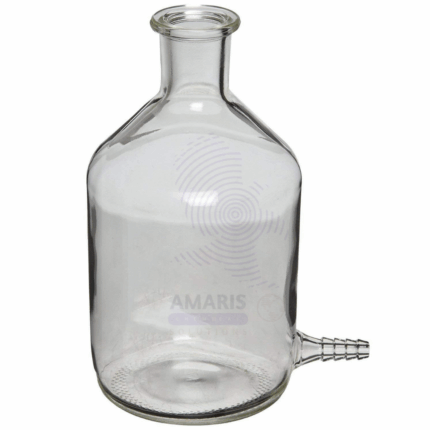
Aspirator Bottle Glass
Aspirator Bottle Glass is a durable, high-quality glass container designed specifically for use in laboratory suction and aspiration systems. These bottles are engineered to safely collect and contain liquids and aerosols during filtration, vacuum, or aspiration procedures. Made from chemically resistant glass, Aspirator Bottles offer excellent clarity and durability while withstanding the rigors of laboratory use. They typically feature secure screw caps or stopper closures that ensure leak-proof performance and easy handling. Widely used in medical, research, and industrial laboratories, Aspirator Bottle Glass is essential for safe fluid management in various applications.
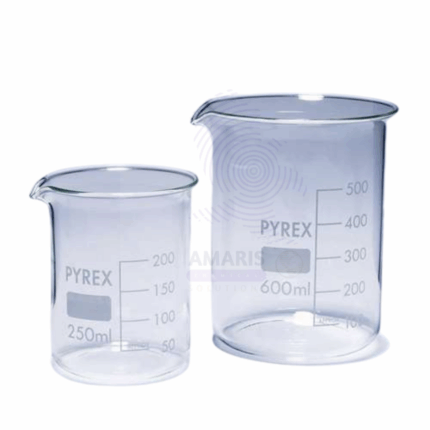
Beaker Pyrex
Beaker Pyrex is a high-quality laboratory container made from borosilicate glass known for its excellent thermal resistance, chemical durability, and mechanical strength. It is widely used for mixing, heating, and holding liquids in laboratories and industrial applications. Pyrex beakers can withstand rapid temperature changes without cracking, making them ideal for heating and cooling processes. They feature clear, transparent walls with easy-to-read graduated markings for volume measurement.
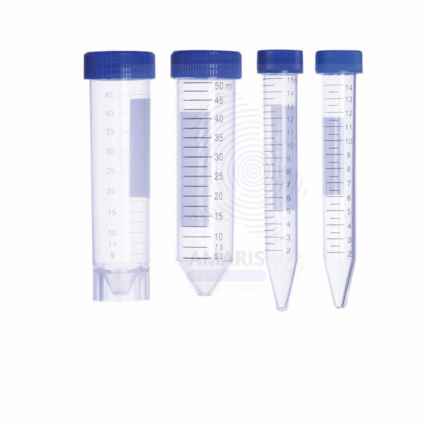
Centrifuge tubes
Centrifuge Tubes are specially designed containers used for holding samples during centrifugation. Made from high-quality, chemically resistant plastic or glass, these tubes withstand the high centrifugal forces generated during lab procedures. Available in various volumes and designs, including conical bottoms for easy sediment collection, centrifuge tubes are essential for separating components in biological, chemical, and industrial samples. They are compatible with a wide range of centrifuge models and ensure sample integrity and safety during processing.
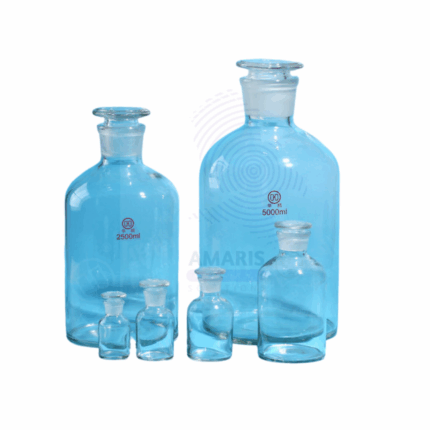
Clear laboratory reagent bottles
Product Description
Clear Laboratory Reagent Bottles are high-quality, transparent containers designed specifically for storing, transporting, and dispensing chemical reagents and solutions in laboratory settings. Made from durable borosilicate glass or high-grade plastic materials, these bottles offer excellent chemical resistance, clarity for easy identification of contents, and airtight sealing to maintain reagent integrity. They are essential in analytical, biochemical, and industrial laboratories for safe and organized chemical storage.
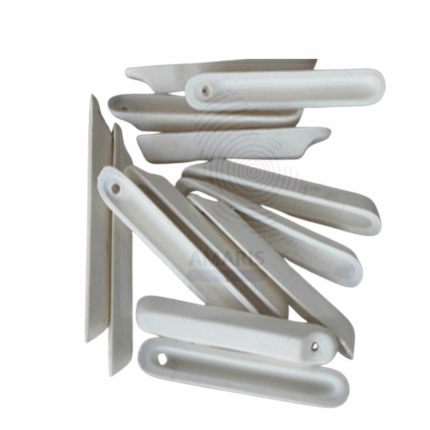
Combustion Boat
Product Description
The Combustion Boat is a small, heat-resistant container typically made of porcelain or quartz, designed to hold samples during combustion analysis. It is used primarily in laboratories to contain solid or powdered samples that are subjected to high temperatures for elemental analysis, especially in organic and inorganic chemistry. The boat withstands extreme temperatures without reacting with the sample, ensuring accurate and uncontaminated results.

Condenser liebig
The Liebig Condenser is a straight glass tube surrounded by a water jacket used to cool and condense vapors back into liquids during distillation processes. It is a fundamental laboratory apparatus designed for efficient heat exchange, allowing vapors to lose heat and convert back to liquid form. Constructed from durable borosilicate glass, the Liebig condenser withstands thermal stress and chemical corrosion, making it suitable for repeated use in various laboratory and industrial distillation and reflux applications.

Cork to fit boiling tube cork stopper
Cork to Fit Boiling Tube Cork Stopper is a precision-manufactured stopper made from natural or synthetic cork, designed specifically to fit standard boiling tubes. It ensures a snug, secure closure that prevents leaks, contamination, or evaporation during laboratory procedures. These stoppers are essential in both routine and specialized lab applications where temporary sealing of test vessels is required. With good compressibility, mild chemical resistance, and reliable sealing properties, the stopper is a staple in laboratory glassware accessories.
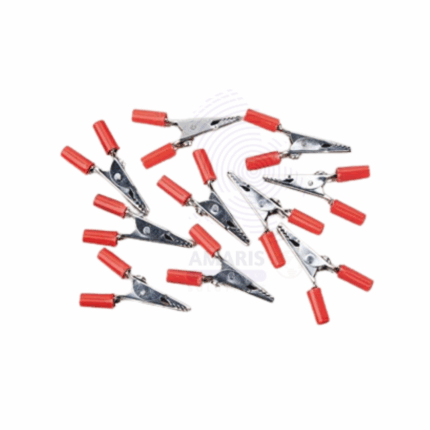
Crocodile Clips
Crocodile Clips are versatile electrical connectors featuring serrated jaws to securely grip wires or terminals. Commonly made from copper or brass with a nickel or chrome plating, these clips ensure reliable conductivity and mechanical stability. Widely used in laboratory and industrial settings for quick temporary electrical connections, testing, and circuit prototyping.












