

 Preservatives(food)
 Flavors
 Acidulants
 Sweeteners
 Antioxidants
 Colorants(food)
 Nutraceutical Ingredients (food)
 Nutrient Supplements
 Emulsifiers
 Collectors
 Dust Suppressants
 Explosives and Blasting Agents
 Flocculants and Coagulants
 Frothers
 Leaching Agents
 pH Modifiers
 Precious Metal Extraction Agents
 Antioxidants(plastic)
 Colorants (Pigments, Dyes)
 Fillers and Reinforcements
 Flame Retardants
 Monomers
 Plasticizers
 Polymerization Initiators
 Stabilizers (UV, Heat)
 Antifoaming Agents
 Chelating Agents
 Coagulants and Flocculants
 Corrosion Inhibitors
 Disinfectants and Biocides
 Oxidizing Agents
 pH Adjusters
 Scale Inhibitors( water)
 Antioxidants(cosmetic)
 Emollients
 Oils
Oils Carrier Oills
 Essential Oils
 Humectants
 Preservatives
 Surfactants(cosmetic)
 Thickeners
 UV Filters
 Fragrance (Cosmetics)
 Fertilizers
 Soil Conditioners
 Plant Growth Regulators
 Animal Feed Additives
 Biostimulants
 Pesticides (Herbicides, Insecticides, Fungicides)
 Active Pharmaceutical Ingredients (APIs)
 Excipients
 Solvents(pharmaceutical)
 Antibiotics
 Antiseptics and Disinfectants
 Vaccine Adjuvants
 Nutraceutical Ingredients (pharmaceutical)
 Analgesics & Antipyretics
 Analytical Reagents
 Solvents(lab)
 Chromatography Chemicals
 Spectroscopy Reagents
 microbiology-and-cell-culture-reagents
 Molecular Biology Reagents
 Biochemical Reagents
 Inorganic and Organic Standards
 Laboratory Safety Chemicals
 Specialty Laboratory Chemicals(Special Laboratory Equipment)
 Demulsifiers
 Hydraulic Fracturing Fluids
 Scale Inhibitors(oil)
 Surfactants(oil)
 Drilling Fluids
 Dyes and Pigments
 Bleaching Agents
 Softening Agents
 Finishing Agents
 Antistatic Agents
 Admixtures
 Waterproofing Agents
 Sealants and Adhesives
 Curing Compounds
 Concrete Repair Chemicals
 Anti-Corrosion Coatings
 Surfactants(cleaning)
 Builders
 Enzymes
 Solvents (Cleaning)
 Electronic Chemicals
 Catalysts
 Lubricants
 Photographic Chemicals
 Refrigerants
 Automotive chemicals
 Pyrotechnic Chemicals
 Biodegradable Surfactants
 Bio-based Solvents
 Renewable Polymers
 Carbon Capture Chemicals
 Wastewater Treatment Chemicals
 Pigments
 Solvents(paint)
 Specialty Coatings
 Binders/Resins
 Additives
 Driers
 Anti-Corrosion Agents
 Functional Coatings
 Application-Specific Coatings
 Leavening Agents
 Dough Conditioners
 Flour Treatments
 Fat Replacers
 Decoratives
 Preservatives(baking)
 Plasticizers & Softeners
 Reinforcing Agents
 Adhesion Promoters
 Vulcanizing Agents
 Antidegradants
 Blowing Agents
 Fillers & Extenders
 Accelerators & Retarders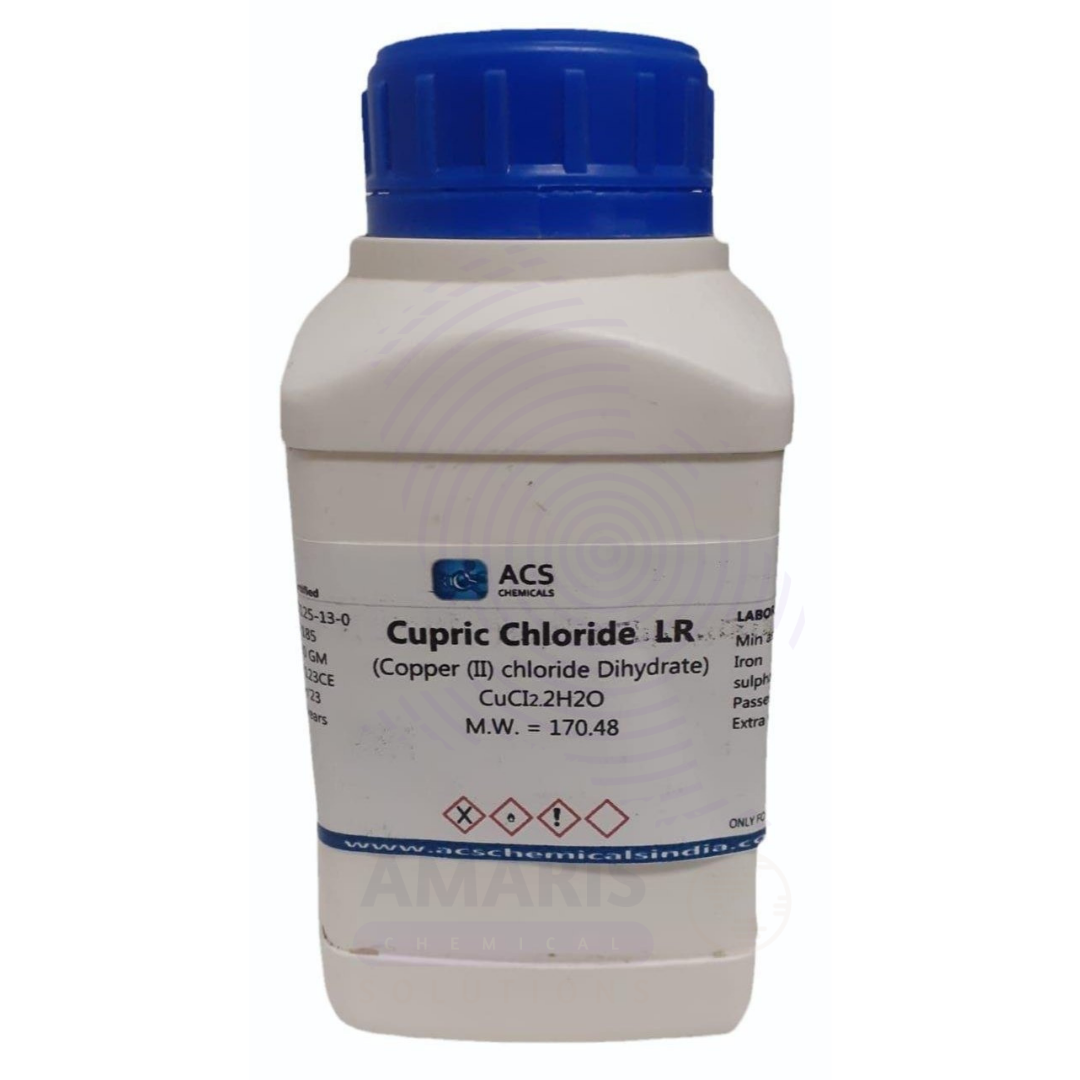

Cupric Chloride Extra Pure
Original price was: $ 19.00.$ 18.78Current price is: $ 18.78.
Cupric Chloride Extra Pure is a green to yellowish crystalline compound widely used in laboratories as a catalyst, reagent, and source of copper ions in various chemical reactions. It plays a key role in organic synthesis, photochemical processes, and analytical chemistry procedures, especially for detecting reducing agents and halide ions. Its high solubility in water and alcohol allows for versatile application across wet-lab experiments. The extra pure grade ensures excellent reliability and minimal impurities, making it ideal for precision work in research and education. Store in a cool, dry place, protected from moisture and light to preserve its reactivity.
Cupric Chloride Extra Pure
Primary Uses
- Inorganic Synthesis
- Acts as a starting material for various copper-based compounds and complexes.
- Frequently used in coordination chemistry experiments involving ligands like ammonia, EDTA, or chloride ions.
- Catalysis in Organic Reactions
- Functions as a Lewis acid catalyst in chlorination, oxidation, and aromatic substitution reactions.
- Used in Wacker-type processes to oxidize alkenes.
- Analytical Chemistry & Titrations
- Sometimes used as a reagent in redox titrations and complexometric titrations for chloride or copper analysis.
- Etching Agent
- Commonly used in etching copper plates for PCB lab demonstrations and metallography.
Secondary Uses
- Educational Demonstrations
- Color changes from green (CuCl₂) to blue (hydrated Cu²⁺) and brownish-red (Cu⁺) make it excellent for redox and coordination chemistry demos.
- Shows hydrolysis, ligand exchange, and complex ion formation with ammonia or cyanide.
- DNA Binding/Degradation Studies
- Sometimes used in molecular biology experiments to test metal-induced DNA cleavage due to Cu²⁺ oxidative activity.
- Electrochemistry
- Employed in electroplating and electrochemical cell experiments to demonstrate Cu²⁺ ion movement.
1. Basic Identification Attributes
- Chemical Name: Cupric Chloride
- Common Name: Copper(II) Chloride
- CAS Number: 7447-39-4
- Chemical Formula: CuCl₂
- Molar Mass: 134.45 g/mol
- Grade: Extra Pure (Laboratory/Reagent grade)
2. Physical & Chemical Properties
- Appearance: Green to yellow-green crystalline solid or powder
- Odor: Odorless
- Solubility:
- Soluble in water, ethanol, and methanol
- Forms blue-green solution in water
- Melting Point: ~498°C (anhydrous)
- Boiling Point: Decomposes before boiling
- Hygroscopic: Yes (absorbs moisture from air)
3. Safety & Hazard Attributes
- GHS Classification:
- ⚠️ Warning
- H302: Harmful if swallowed
- H315: Causes skin irritation
- H319: Causes serious eye irritation
- H400: Very toxic to aquatic life
- NFPA Ratings:
- Health: 2
- Flammability: 0
- Reactivity: 1
- First Aid Measures:
- Inhalation: Move to fresh air; seek medical attention if symptoms develop
- Skin Contact: Wash thoroughly with water and soap
- Eye Contact: Rinse with water for at least 15 minutes
- Ingestion: Rinse mouth; seek immediate medical attention
4. Storage & Handling Attributes
- Storage Conditions:
- Keep in tightly sealed containers
- Store in a dry, well-ventilated, cool area
- Protect from moisture and incompatible substances (e.g., strong oxidizers)
- Handling Advice:
- Use appropriate PPE (gloves, goggles, lab coat)
- Avoid contact with skin and eyes
- Avoid breathing dust or vapors
5. Regulatory & Compliance Attributes
- EINECS Number: 231-210-2
- UN Number: Not classified as a hazardous material for transport
- REACH Status: Registered
6. Applications in Laboratory
- Primary Use:
- Catalyst and reagent in chemical synthesis
- Other Uses:
- Preparation of other copper compounds
- Mordant in dyeing and printing fabrics
- Electroplating and analytical chemistry
- Chlorination reactions and as a Lewis acid
- Used in qualitative tests for certain sugars and proteins
SAFETY PRECAUTIONS
- PPE Required:
- Lab coat
- Chemical-resistant gloves (e.g., nitrile)
- Safety goggles or face shield
- Fume hood for dusty or heated operations
- Handling:
- Avoid dust formation and inhalation
- Prevent skin or eye contact
- Use tools to avoid direct contact with powder
- Always add chemical to water (not the reverse) to avoid splashing
- Storage:
- Keep in a cool, dry, well-ventilated area
- Store in tightly sealed containers
- Keep away from moisture, strong acids, and oxidizing agents
FIRST AID MEASURES
- Inhalation:
- Move to fresh air immediately
- Seek medical attention if breathing becomes difficult
- Skin Contact:
- Rinse skin with water for at least 15 minutes
- Remove contaminated clothing
- Eye Contact:
- Flush eyes with water for 15 minutes
- Get medical help promptly
- Ingestion:
- Rinse mouth with water
- Do not induce vomiting
- Seek immediate medical attention
FIREFIGHTING MEASURES
- Flammability: Not flammable
- Hazards: May release toxic copper fumes and hydrogen chloride when heated
- Extinguishing Media:
- Dry chemical, CO₂, or foam
- Avoid using water directly on spilled powder
- Protective Equipment for Firefighters:
- Wear full protective gear
- Use self-contained breathing apparatus (SCBA)
Related products
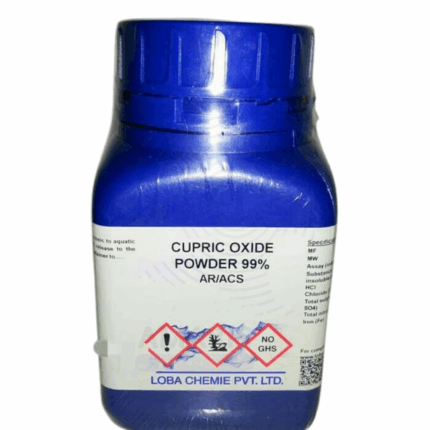
Cupric Oxide Extra Pure
Cupric Oxide Extra Pure is a black, fine powder extensively used in laboratory settings as a stable, high-purity source of copper in oxidation state +2. It is commonly applied in organic synthesis, inorganic reactions, and thermal decomposition studies, as well as in qualitative and quantitative analysis of copper. Its thermal stability also makes it suitable for ceramic glazing and as a precursor in catalyst preparation. This extra pure grade ensures low impurity levels, essential for accurate experimental results and reproducible data in both educational and research laboratories. It should be stored in a tightly sealed container away from moisture and strong acids.
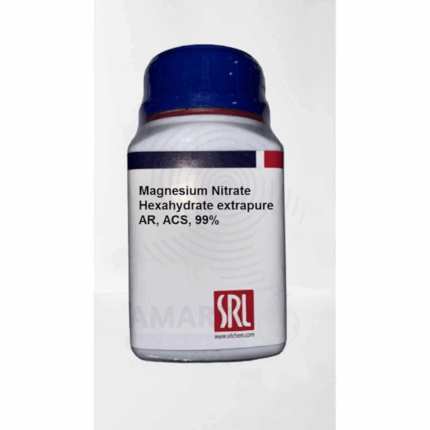
Magnesium Nitrate Hexahydrate Extra Pure
Magnesium Nitrate Hexahydrate Extra Pure is a crystalline compound known for its high solubility in water and exceptional purity, making it suitable for both laboratory and industrial applications. In analytical chemistry, it is commonly used as a reagent for preparing standard solutions and as a source of magnesium ions in various experimental procedures. Its oxidizing properties make it valuable in pyrotechnics and fertilizer formulations, where it provides essential nutrients for plant growth. This compound is also employed in ceramic production, textile treatments, and catalyst preparations, where a consistent, high-quality nitrate source is required. Its extra pure grade ensures minimal contamination, essential for high-precision work.
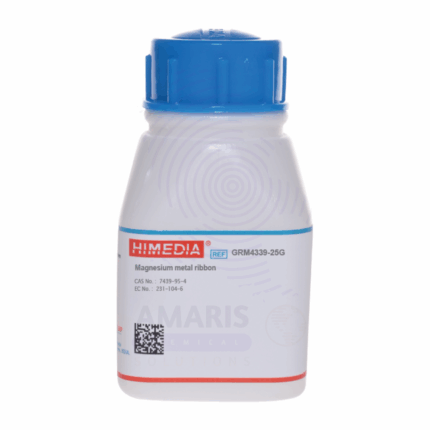
Magnesium Ribbon Extra Pure
Magnesium Ribbon Extra Pure is a highly reactive metallic strip known for its silvery appearance and clean-burning properties. It is widely used in laboratory demonstrations, particularly in combustion and oxidation experiments, where it burns with a bright white flame, showcasing exothermic reactions vividly. Due to its high purity, it ensures minimal contamination in analytical and research applications. Beyond academics, magnesium ribbon also finds niche uses in pyrotechnics, metal alloy production, and chemical synthesis where controlled reactivity and reliable performance are essential. Its lightweight and malleable nature make it easy to handle and ideal for precision experimental setups.
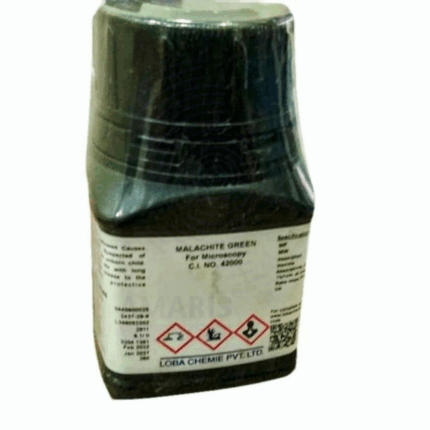
Malachite Green Extra Pure
Malachite Green Extra Pure is a synthetic dye of exceptional purity, recognized for its intense green coloration and versatile laboratory uses. It is commonly used as a biological stain, especially in microbiology for identifying and differentiating bacterial species, and in histology for staining cell structures. Additionally, Malachite Green serves as an effective fungicide and antiparasitic agent in aquaculture and laboratory testing. Its high purity ensures reliable performance in analytical applications, including redox titrations and as a pH indicator in specific chemical reactions. Its vivid color and chemical stability make it a valuable reagent in both teaching and professional research settings.
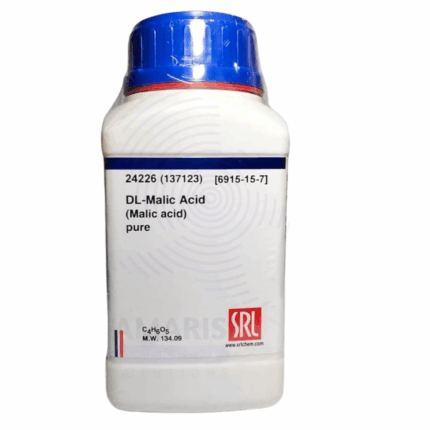
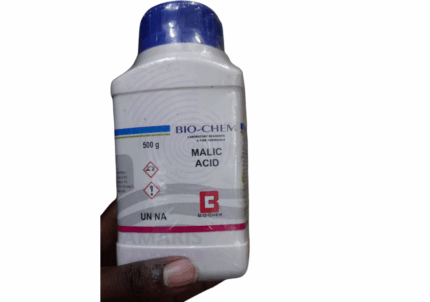
Malic Acid Extra Pure
Malic Acid Extra Pure is a high-grade, naturally occurring dicarboxylic acid known for its sharp, tart flavor and versatility in both laboratory and industrial settings. It is commonly found in fruits such as apples and is widely used as an acidulant in food and beverage formulations, where it enhances flavor, preserves freshness, and improves pH stability. In laboratory applications, Malic Acid is employed in biochemical research, particularly in studies involving the citric acid cycle, due to its role as an intermediate metabolite. Its excellent solubility in water and mild acidity also make it suitable for cosmetic formulations and pharmaceutical preparations. The extra pure grade ensures high analytical accuracy and consistent quality across applications requiring strict purity standards.
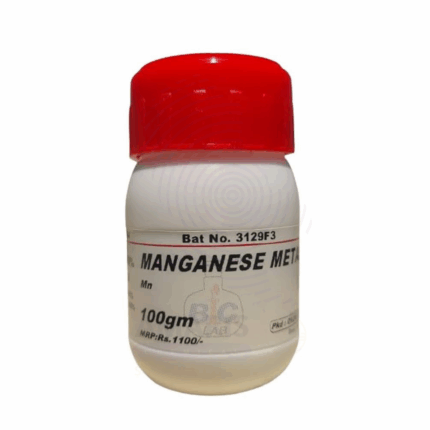
Manganese Metal Powder Extra Pure
Manganese Metal Powder Extra Pure is a fine, silvery-gray metallic powder known for its high reactivity and essential role in various chemical and metallurgical applications. In the laboratory, it is frequently used in redox reactions, alloy synthesis, and as a reagent for preparing manganese compounds. Its high surface area makes it particularly effective in catalysis and experimental procedures requiring fast reactivity. Industrially, manganese metal powder is integral to producing specialty steels and alloys, where it improves hardness, strength, and wear resistance. Its exceptional purity ensures consistent performance in research, metal refining, and advanced materials development.
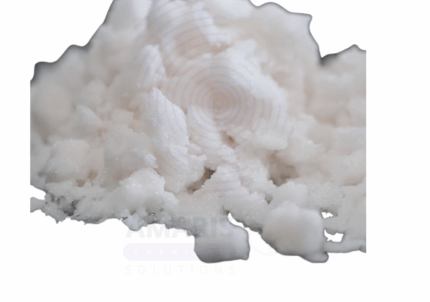
Manganous Dihydrogen Phosphate Extra Pure
Manganous Dihydrogen Phosphate Extra Pure is a high-purity, white to pale pink crystalline compound composed of manganese and phosphate ions. It is primarily used in analytical chemistry, research laboratories, and specialized industrial processes where a precise and reliable manganese source is required. This compound is valued for its solubility in water and its role as a reagent in studies involving nutrient uptake, coordination chemistry, and phosphate-related reactions. Additionally, it finds niche applications in fertilizers and micronutrient formulations, particularly in controlled agricultural studies. Its extra pure grade ensures minimal contamination, making it suitable for sensitive experiments and formulations.

Methyl Orange Solutions Extra Pure
Methyl Orange Solutions Extra Pure is a ready-to-use, high-grade pH indicator solution widely utilized in acid-base titrations and general analytical chemistry. Known for its distinct and sharp color transition—from red in acidic environments to yellow in alkaline conditions—it provides rapid and clear visual cues for end-point detection. This extra pure formulation ensures maximum accuracy, reliability, and reproducibility in laboratory settings. It is especially effective in titrations involving strong acids and weak bases, commonly used in educational, research, and industrial labs. The solution is precisely prepared to standardized concentrations, eliminating the need for dilution or mixing, and is ideal for professionals seeking precision and ease of use.












