

 Preservatives(food)
 Flavors
 Acidulants
 Sweeteners
 Antioxidants
 Colorants(food)
 Nutraceutical Ingredients (food)
 Nutrient Supplements
 Emulsifiers
 Collectors
 Dust Suppressants
 Explosives and Blasting Agents
 Flocculants and Coagulants
 Frothers
 Leaching Agents
 pH Modifiers
 Precious Metal Extraction Agents
 Antioxidants(plastic)
 Colorants (Pigments, Dyes)
 Fillers and Reinforcements
 Flame Retardants
 Monomers
 Plasticizers
 Polymerization Initiators
 Stabilizers (UV, Heat)
 Antifoaming Agents
 Chelating Agents
 Coagulants and Flocculants
 Corrosion Inhibitors
 Disinfectants and Biocides
 Oxidizing Agents
 pH Adjusters
 Scale Inhibitors( water)
 Antioxidants(cosmetic)
 Emollients
 Oils
Oils Carrier Oills
 Essential Oils
 Humectants
 Preservatives
 Surfactants(cosmetic)
 Thickeners
 UV Filters
 Fragrance (Cosmetics)
 Fertilizers
 Soil Conditioners
 Plant Growth Regulators
 Animal Feed Additives
 Biostimulants
 Pesticides (Herbicides, Insecticides, Fungicides)
 Active Pharmaceutical Ingredients (APIs)
 Excipients
 Solvents(pharmaceutical)
 Antibiotics
 Antiseptics and Disinfectants
 Vaccine Adjuvants
 Nutraceutical Ingredients (pharmaceutical)
 Analgesics & Antipyretics
 Analytical Reagents
 Solvents(lab)
 Chromatography Chemicals
 Spectroscopy Reagents
 microbiology-and-cell-culture-reagents
 Molecular Biology Reagents
 Biochemical Reagents
 Inorganic and Organic Standards
 Laboratory Safety Chemicals
 Specialty Laboratory Chemicals(Special Laboratory Equipment)
 Demulsifiers
 Hydraulic Fracturing Fluids
 Scale Inhibitors(oil)
 Surfactants(oil)
 Drilling Fluids
 Dyes and Pigments
 Bleaching Agents
 Softening Agents
 Finishing Agents
 Antistatic Agents
 Admixtures
 Waterproofing Agents
 Sealants and Adhesives
 Curing Compounds
 Concrete Repair Chemicals
 Anti-Corrosion Coatings
 Surfactants(cleaning)
 Builders
 Enzymes
 Solvents (Cleaning)
 Electronic Chemicals
 Catalysts
 Lubricants
 Photographic Chemicals
 Refrigerants
 Automotive chemicals
 Pyrotechnic Chemicals
 Biodegradable Surfactants
 Bio-based Solvents
 Renewable Polymers
 Carbon Capture Chemicals
 Wastewater Treatment Chemicals
 Pigments
 Solvents(paint)
 Specialty Coatings
 Binders/Resins
 Additives
 Driers
 Anti-Corrosion Agents
 Functional Coatings
 Application-Specific Coatings
 Leavening Agents
 Dough Conditioners
 Flour Treatments
 Fat Replacers
 Decoratives
 Preservatives(baking)
 Plasticizers & Softeners
 Reinforcing Agents
 Adhesion Promoters
 Vulcanizing Agents
 Antidegradants
 Blowing Agents
 Fillers & Extenders
 Accelerators & Retarders


Cypress Oil
Cypress Oil is an essential oil obtained by steam distillation of the needles, twigs, and cones of the Cupressus sempervirens tree. Known for its clean, woody, slightly spicy, and balsamic aroma, this oil contains key constituents such as alpha-pinene, delta-3-carene, and cedrol. It has been traditionally used for its astringent, anti-inflammatory, antiseptic, and decongestant properties.
Cypress Oil is widely used in aromatherapy, skincare, respiratory blends, muscle-relief products, and emotional wellness formulas. It is also found in perfumes, deodorants, and spa treatments for its grounding, fresh, and uplifting scent.
Cypress Oil
Primary Uses
- Cosmetics and Personal Care
- Used in facial toners and creams for astringent and pore-tightening effects
- Added to foot creams and deodorants for its antibacterial and freshening properties
- Included in massage oils to support circulation, lymphatic drainage, and muscle relaxation
- Found in anti-cellulite and varicose vein topical formulations
- Blended in soaps, body washes, and bath oils for a calming, fresh scent
- Pharmaceuticals
- Applied in chest rubs and inhalants for respiratory relief
- Used in muscle balms and sprays to relieve tension and spasms
- Included in traditional remedies for hemorrhoids and skin inflammation
- Aromatherapy & Wellness
- Diffused to ease anxiety, stress, and emotional tension
- Blended in meditation or sleep-supporting essential oil formulas
- Used in saunas and spas to invigorate and cleanse the air
- Household and Cleaning Products
- Added to natural cleaning products for its antibacterial action and fresh scent
- Used in closet sachets or shoe deodorizers to eliminate odors
Secondary Uses
- Pet Care Products
- Occasionally used in natural flea sprays or calming blends (with caution and dilution)
1. Basic Identification Attributes
- Botanical Name: Cupressus sempervirens
- Common/Trade Name: Cypress Oil
- INCI Name: Cupressus Sempervirens Oil
- CAS Number: 8013-86-3
- HS Code: 3301.29
- Synonyms: Mediterranean Cypress Oil, Cupressus Essential Oil
2. Physical & Chemical Properties
- Physical State: Liquid essential oil
- Color & Odor: Colorless to pale yellow; woody, smoky, slightly spicy aroma
- Solubility: Insoluble in water; soluble in alcohol and oils
- Refractive Index: 1.460 – 1.480
- Specific Gravity: 0.860 – 0.880
- Main Components: Alpha-pinene, cedrol, camphene, delta-3-carene
3. Safety & Hazard Attributes
- GHS Classification: May cause skin irritation or sensitization; flammable
- Toxicity: Low toxicity with proper dilution
- Exposure Limits: Refer to Safety Data Sheet (SDS)
- Allergen Information: Contains natural allergens like limonene and pinene
4. Storage & Handling Attributes
- Storage Conditions: Store in a cool, dark, dry place in airtight containers
- Container Type: Amber glass or aluminum bottles
- Shelf Life: 24 to 36 months under proper storage
- Handling Precautions: Use protective gloves when handling large volumes
5. Regulatory & Compliance Attributes
- IFRA compliant for fragrance and topical use within specified limits
- Produced under GMP standards
- Approved for cosmetic and therapeutic applications
6. Environmental & Health Impact
- Biodegradability: Readily biodegradable
- Ecotoxicity: Low environmental risk at use concentrations
- Bioaccumulation: Not expected
Safety Handling Precautions
- PPE Required: Gloves and goggles recommended during handling
- Handling Guidelines: Dilute before application; avoid contact with eyes and mucous membranes
First Aid Measures
- Inhalation: Move to fresh air; seek medical advice if discomfort continues
- Skin Contact: Wash with mild soap and water; discontinue if irritation occurs
- Eye Contact: Rinse thoroughly with water for several minutes
- Ingestion: Seek medical attention immediately; do not induce vomiting
Firefighting Measures
- Fire Hazards: Flammable liquid and vapor
- Extinguishing Media: Dry chemical powder, CO₂, foam
- Special Precautions: Use self-contained breathing apparatus and full protective gear
- Hazardous Combustion Products: Carbon monoxide, carbon dioxide, smoke
Related products
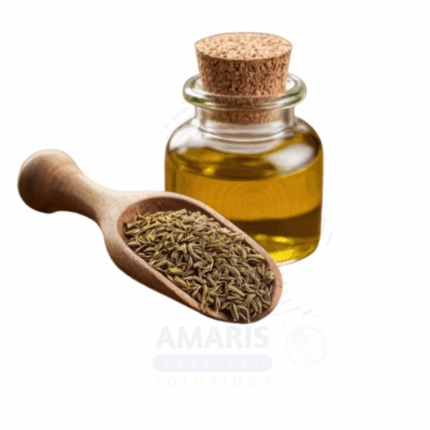
Ajowan oil
Ajowan Oil, also known as Ajwain Oil or Trachyspermum Ammi Oil, is an essential oil obtained by steam distillation of the seeds of the Trachyspermum ammi plant. With a strong, pungent, thyme-like aroma, Ajowan Oil is rich in thymol—a powerful compound known for its antiseptic, antimicrobial, and digestive properties. Traditionally used in Ayurvedic and Unani medicine, Ajowan Oil is valued today across food preservation, pharmaceuticals, and natural personal care formulations.
This oil exhibits broad-spectrum antimicrobial effects and is widely used in therapeutic balms, oral care, digestive tonics, and antiseptic blends. It also finds applications in fragrance formulations that benefit from its spicy, herbal character. Its potent biological activity makes it effective in natural pest control and disinfectant preparations.
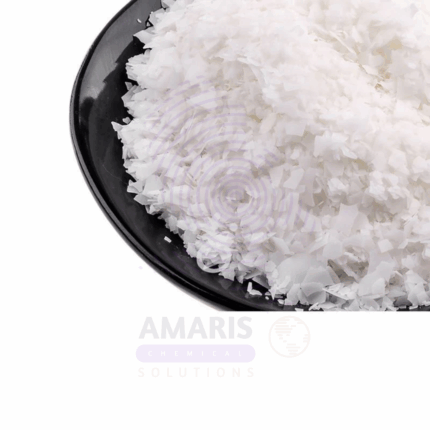
Almond Wax
Almond Wax is a natural, plant-based wax derived from the hydrogenation of almond oil (Prunus amygdalus dulcis). It is a creamy to white, semi-solid wax with a mild, nutty scent and excellent emollient properties. Almond Wax is rich in fatty acids and has a smooth, soft texture, making it ideal for use in cosmetic, personal care, and candle formulations.
Due to its gentle consistency, skin-friendly profile, and moisturizing capabilities, Almond Wax is widely used in body butters, balms, lip care products, massage bars, and artisan soaps. It functions as a natural alternative to petroleum-based waxes and provides structure, viscosity, and glide to formulations. It also finds application in soft wax blends for natural candle products.

Basil Exotic oil
Basil Exotic Oil is a steam-distilled essential oil extracted from the leaves of the Ocimum basilicum plant, specifically cultivated for its high linalool and methyl chavicol (estragole) content. Known for its sweet, herbaceous, and slightly spicy aroma, Basil Exotic Oil offers powerful aromatic and therapeutic properties. It is widely used in perfumery, cosmetics, personal care products, and aromatherapy for its stimulating, clarifying, and refreshing effects.
The oil’s high potency and distinctive scent make it a preferred choice in high-end fragrances, hair care products, and massage blends. It is also appreciated for its antibacterial, antifungal, and anti-inflammatory characteristics, making it valuable in natural wellness and skincare formulations.
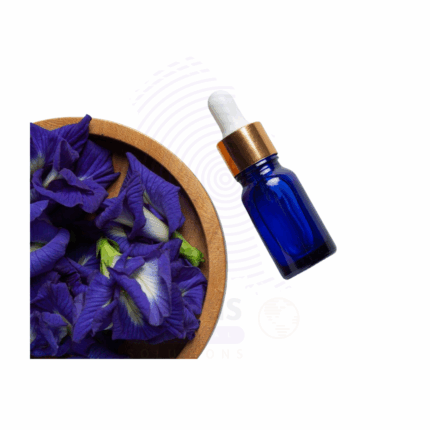
Blue Tansy Oil
Blue Tansy Oil is a rare and highly sought-after essential oil obtained via steam distillation of the flowers of Tanacetum annuum, a Moroccan chamomile species. Known for its deep indigo-blue color and distinctive sweet, herbaceous aroma with subtle fruity undertones, this oil is rich in chamazulene — a powerful anti-inflammatory compound that gives it its characteristic blue hue.
Blue Tansy Oil is celebrated in the cosmetic and personal care industry for its calming, soothing, and skin-balancing effects. It is especially beneficial in formulations for sensitive, irritated, or inflamed skin. In aromatherapy, it is valued for promoting relaxation and emotional ease. Its rarity and potency make it a premium choice for high-end skincare, therapeutic blends, and luxury personal care products.

Cabreuva Oil
Cabreuva Oil is a gentle, sweet, woody-scented essential oil obtained via steam distillation of the wood of the Myrocarpus fastigiatus tree, native to South America. This light amber oil is known for its high content of nerolidol—a sesquiterpene alcohol with soothing, anti-inflammatory, and antimicrobial properties. With its mild, balsamic aroma and skin-calming effects, Cabreuva Oil is primarily used in cosmetics, perfumery, and aromatherapy applications.
It blends well with floral, citrus, and resinous oils, making it a versatile fixative in natural fragrance formulations. In personal care, it is valued for its skin-healing and regenerating effects, suitable for mature and sensitive skin types.
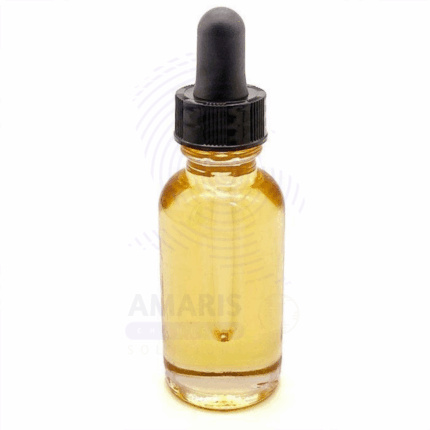
Capaiba Balsam Oil
Capaiba Balsam Oil is a natural oleoresin essential oil extracted from the trunks of Copaifera species, primarily Copaifera officinalis, native to South America. This oil is obtained via tapping or sustainable extraction methods and is prized for its anti-inflammatory, antibacterial, antioxidant, and analgesic properties. It has a sweet, woody, slightly balsamic aroma and is golden to light brown in color with a medium viscosity.
Copaiba Balsam Oil is rich in β-caryophyllene, a sesquiterpene known for its therapeutic effects, especially in skincare and wellness applications. It is widely used in cosmetics, personal care, aromatherapy, and pharmaceutical preparations, particularly those targeting pain, skin health, and inflammation.
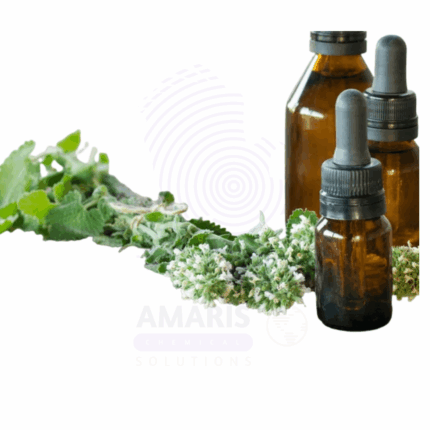
Catnip Oil
Catnip Oil is a highly aromatic essential oil steam-distilled from the leaves and flowering tops of Nepeta cataria, a herbaceous plant from the mint family. Known for its characteristic minty, herbaceous, and slightly sweet scent, Catnip Oil contains nepetalactone, a compound recognized for its insect-repellent and calming properties. Though commonly associated with its euphoric effects on cats, Catnip Oil is widely used in aromatherapy, natural insect repellents, and personal care products for humans. It also finds niche applications in pet care formulations and herbal preparations.
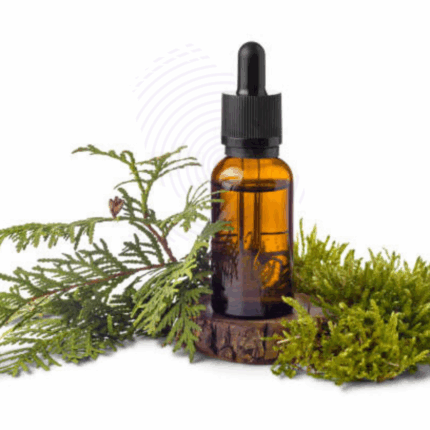
Cedar Leaf Oil
Cedar Leaf Oil is a potent essential oil steam-distilled from the leaves and twigs of the Thuja occidentalis tree, also known as Northern White Cedar or Arborvitae. It has a sharp, camphoraceous, and woody aroma, largely due to its high thujone content. This oil is known for its antifungal, antiseptic, and insect-repellent qualities, making it a popular component in cosmetics, aromatherapy, natural cleaning products, and insecticides. It also plays a role in herbal and wellness applications when used topically and in moderation due to its potency.












