

 Preservatives(food)
 Flavor Enhancers
 Acidulants
 Sweeteners
 Antioxidants
 Colorants(food)
 Nutraceutical Ingredients (food)
 Nutrient Supplements
 Emulsifiers
 Collectors
 Dust Suppressants
 Explosives and Blasting Agents
 Flocculants and Coagulants
 Frothers
 Leaching Agents
 pH Modifiers
 Precious Metal Extraction Agents
 Antioxidants(plastic)
 Colorants (Pigments, Dyes)
 Fillers and Reinforcements
 Flame Retardants
 Monomers
 Plasticizers
 Polymerization Initiators
 Stabilizers (UV, Heat)
 Antifoaming Agents
 Chelating Agents
 Coagulants and Flocculants
 Corrosion Inhibitors
 Disinfectants and Biocides
 Oxidizing Agents
 pH Adjusters
 Scale Inhibitors( water)
 Antioxidants(cosmetic)
 Emollients
 Fragrances and Essential Oils
 Humectants
 Preservatives
 Surfactants(cosmetic)
 Thickeners
 UV Filters
 Fertilizers
 Soil Conditioners
 Plant Growth Regulators
 Animal Feed Additives
 Biostimulants
 Pesticides (Herbicides, Insecticides, Fungicides)
 Active Pharmaceutical Ingredients (APIs)
 Excipients
 Solvents(pharmaceutical)
 Antibiotics
 Antiseptics and Disinfectants
 Vaccine Adjuvants
 Nutraceutical Ingredients (pharmaceutical)
 Analgesics & Antipyretics
 Analytical Reagents
 Solvents(lab)
 Chromatography Chemicals
 Spectroscopy Reagents
 microbiology-and-cell-culture-reagents
 Molecular Biology Reagents
 Biochemical Reagents
 Inorganic and Organic Standards
 Laboratory Safety Chemicals
 Specialty Laboratory Chemicals(Special Laboratory Equipment)
 Demulsifiers
 Hydraulic Fracturing Fluids
 Scale Inhibitors(oil)
 Surfactants(oil)
 Drilling Fluids
 Dyes and Pigments
 Bleaching Agents
 Softening Agents
 Finishing Agents
 Antistatic Agents
 Admixtures
 Waterproofing Agents
 Sealants and Adhesives
 Curing Compounds
 Concrete Repair Chemicals
 Anti-Corrosion Coatings
 Surfactants(cleaning)
 Builders
 Enzymes
 Solvents (Cleaning)
 Fragrances
 Electronic Chemicals
 Catalysts
 Lubricants
 Photographic Chemicals
 Refrigerants
 Automotive chemicals
 Pyrotechnic Chemicals
 Biodegradable Surfactants
 Bio-based Solvents
 Renewable Polymers
 Carbon Capture Chemicals
 Wastewater Treatment Chemicals
 Pigments
 Solvents(paint)
 Specialty Coatings
 Binders/Resins
 Additives
 Driers
 Anti-Corrosion Agents
 Functional Coatings
 Application-Specific Coatings
 Leavening Agents
 Dough Conditioners
 Flour Treatments
 Fat Replacers
 Decoratives
 Preservatives(baking)
 Plasticizers & Softeners
 Reinforcing Agents
 Adhesion Promoters
 Vulcanizing Agents
 Antidegradants
 Blowing Agents
 Fillers & Extenders
 Accelerators & Retarders


Disodium Hydrogen Phosphate Dihydrate Extra Pure
Original price was: $ 19.50.$ 18.98Current price is: $ 18.98.
Disodium Hydrogen Phosphate Dihydrate Extra Pure is a laboratory-grade chemical widely utilized as a buffering agent and pH stabilizer in analytical chemistry, molecular biology, and biochemical research. It is commonly used in the preparation of phosphate buffer solutions, supporting the maintenance of optimal conditions for enzyme activity and cell culture. This dihydrate form ensures accurate hydration levels for reliable solution formulation. Its high purity makes it suitable for sensitive lab applications requiring minimal interference from impurities. The compound should be kept tightly sealed in a dry environment to preserve its integrity and reactivity.
Disodium Hydrogen Phosphate Dihydrate Extra Pure
Primary Uses
- Buffer preparation (especially in phosphate buffer systems):
Widely used to maintain pH stability in biochemical and molecular biology experiments. - Reagent in analytical chemistry:
Used in qualitative and quantitative assays, including colorimetric and titration methods. - Component in saline and buffer solutions for biological research:
Often used in combination with sodium dihydrogen phosphate to create PBS (Phosphate Buffered Saline) for maintaining cell integrity. - pH adjustment in chemical reactions:
Employed to fine-tune pH in various aqueous solutions. - Media preparation in microbiology:
Acts as a buffering agent in culture media to support microbial growth.
Secondary Uses
- Standardizing solutions in titration procedures:
Used as a secondary standard in volumetric analysis. - Water treatment research:
Studied in laboratory-scale experiments for its role in corrosion control and precipitation reactions. - Educational experiments:
Common in teaching labs for demonstrating buffer systems and salt hydrolysis. - Protein precipitation or stabilization studies:
Occasionally used in protein chemistry experiments to influence ionic strength.
| PACK SIZE | 500 grams Plastic Tin |
|---|
1. Basic Identification Attributes
- Chemical Name: Disodium Hydrogen Phosphate Dihydrate
- Other Names: Disodium phosphate dihydrate, Sodium phosphate dibasic dihydrate
- Chemical Formula: Na₂HPO₄·2H₂O
- CAS Number: 10028-24-7
- Grade: Extra Pure (Laboratory Grade)
- Molecular Weight: 177.99 g/mol
- Appearance: White crystalline powder
- Odor: Odorless
2. Physical & Chemical Properties
- Melting Point: Decomposes on heating
- Solubility in Water: Soluble (∼7.7 g/100 mL at 20 °C)
- pH (1% solution): ~8.0 – 9.5
- Density: ~1.52 g/cm³
- Hygroscopicity: Slightly hygroscopic
- Stability: Stable under normal lab conditions
3. Safety & Hazard Attributes
- GHS Classification: Not classified as hazardous
- Hazard Statements: None
- PPE Requirements:
- Laboratory coat
- Protective gloves (nitrile recommended)
- Safety goggles
- First Aid Measures:
- Inhalation: Move to fresh air; seek medical attention if symptoms occur
- Skin Contact: Rinse thoroughly with water
- Eye Contact: Flush eyes with water for several minutes
- Ingestion: Rinse mouth; consult a physician if unwell
4. Storage & Handling Attributes
- Storage Conditions:
- Store in a cool, dry, well-ventilated area
- Keep container tightly sealed
- Avoid moisture exposure
- Handling Notes:
- Avoid dust formation
- Use appropriate lab ventilation
- Follow standard laboratory hygiene practices
5. Regulatory & Compliance Attributes
- EC Number: 231-448-7
- REACH Status: Registered
- UN Number: Not applicable
- DOT/ADR Classification: Not regulated
- Hazard Class (Transport): Not classified
6. Laboratory Applications
- Primary Uses:
- Preparation of phosphate buffer systems
- pH control in chemical and biological solutions
- Reagent in biochemical and analytical chemistry
- Use in cell culture and molecular biology applications
- Other Uses:
- Component in some cleaning agents and water softeners (research use)
- Analytical reagent in food and beverage testing
SAFETY PRECAUTIONS
- PPE Required:
- Lab coat
- Safety goggles
- Nitrile or latex gloves
- Storage Guidelines:
- Store in a cool, dry location
- Keep container tightly closed and away from moisture
- Avoid prolonged exposure to air to prevent hydration changes
- Handling Tips:
- Handle under dry conditions
- Use clean utensils to avoid contamination
FIRST AID MEASURES
- Inhalation: Move to fresh air; seek medical attention if symptoms occur
- Skin Contact: Wash thoroughly with water and soap
- Eye Contact: Flush eyes with water for at least 15 minutes
- Ingestion: Rinse mouth and seek medical attention if large quantities are consumed
FIRE SAFETY MEASURES
- Flammability: Not flammable
- Extinguishing Media: Use water spray, dry chemical, foam, or CO₂
- Decomposition Products: May produce sodium oxides and phosphorus oxides under intense heat
Related products
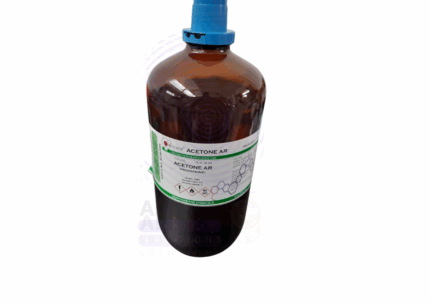
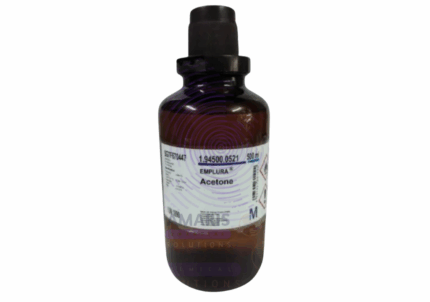
Acetone Extra Pure
Acetone Extra Pure is a highly volatile, flammable, and colorless liquid widely used as a powerful solvent in laboratory and industrial applications. Known for its exceptional ability to dissolve a wide range of substances, it is commonly employed for cleaning laboratory glassware, thinning resins, and removing organic residues. In the cosmetics and pharmaceutical industries, acetone is used in nail polish removers and formulation processes. Its high evaporation rate and purity make it suitable for analytical procedures and synthesis work, especially where contaminant-free solvents are essential. With a distinct odor and low boiling point, Acetone Extra Pure is an indispensable reagent for both routine and specialized chemical operations.
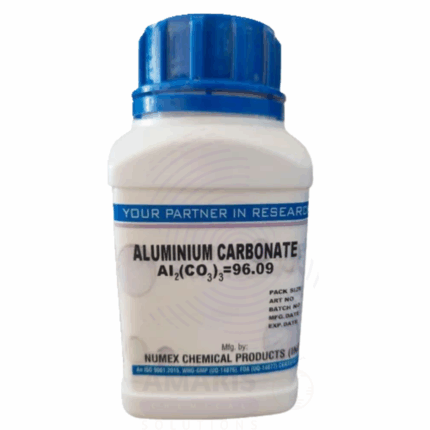
Aluminium Carbonate Extra Pure
Aluminium Carbonate Extra Pure is a high-purity, white, odorless powder primarily used as a reagent in laboratory settings for analytical and research applications. Though not commonly stable under standard conditions, it is valued in controlled experimental procedures involving the study of aluminum compounds, buffer systems, and inorganic reactions. Its extra pure grade ensures low levels of contaminants, making it suitable for precise qualitative and quantitative analysis. Due to its sensitivity to moisture and tendency to decompose into aluminum hydroxide and carbon dioxide, it must be handled with care and stored in airtight containers under dry conditions to maintain chemical integrity during laboratory use.
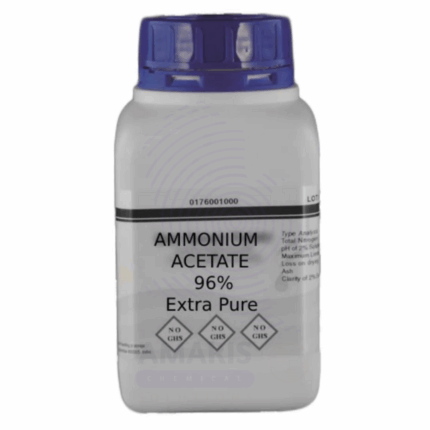
Ammonium Acetate Extra Pure
Ammonium Acetate Extra Pure is a high-purity, white crystalline solid that is highly soluble in water and commonly used as a buffer component in laboratory and analytical chemistry. It is especially valuable in high-performance liquid chromatography (HPLC), mass spectrometry, and biochemical assays where pH control and minimal ionic interference are essential. This compound also serves as a reagent in organic synthesis, particularly in the preparation of acetamides and other nitrogen-containing compounds. Its extra pure grade ensures excellent consistency, low contaminant levels, and compatibility with sensitive instrumentation. To maintain stability and prevent moisture absorption, it should be stored in a tightly sealed container in a cool, dry environment.
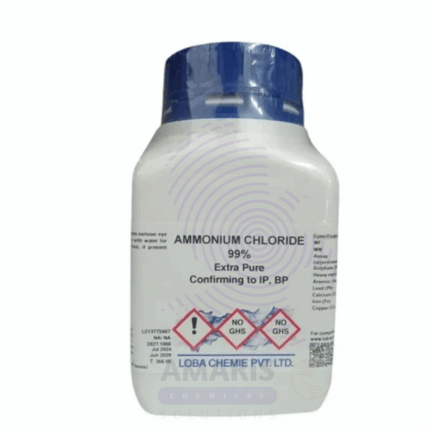
Ammonium Chloride Extra Pure
Ammonium Chloride Extra Pure is a high-purity, white crystalline salt widely used in laboratory chemistry as a source of ammonium ions and chloride ions for analytical, inorganic, and biochemical applications. It plays a key role in preparing buffer solutions, especially in conjunction with ammonia, and is commonly used in qualitative analysis, electrochemical studies, and metal treatment experiments. In addition, it serves as a reagent in synthesis reactions and as a nitrogen source in microbial culture media. The extra pure grade ensures high consistency and minimal contaminants, making it suitable for precise and sensitive laboratory work. It should be stored in a cool, dry place in well-sealed containers to maintain stability and prevent moisture absorption.
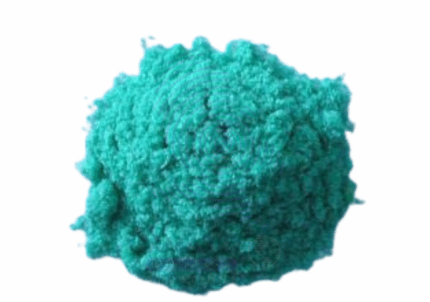
Ammonium Cupric Chloride Extra Pure
Ammonium Cupric Chloride Extra Pure is a high-purity, greenish-blue crystalline compound composed of ammonium and copper(II) ions combined with chloride. It is primarily used in laboratory chemistry for etching, electroplating studies, and as a reagent in qualitative analysis and coordination chemistry. This compound is particularly valuable in experiments involving complex ion formation and redox behavior of transition metals. Its extra pure grade ensures high consistency and low levels of interfering impurities, supporting precise analytical and research work. Due to its sensitivity to light and moisture, it should be stored in tightly sealed, opaque containers in a cool, dry environment to maintain stability and reactivity.
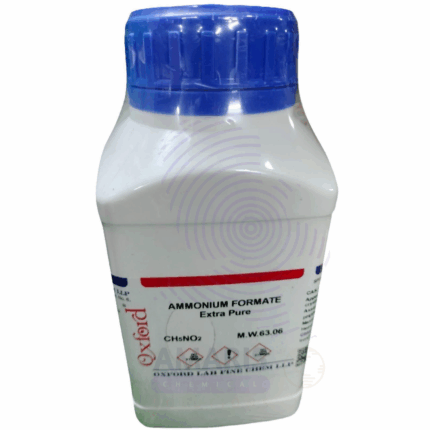
Ammonium Formate Extra Pure
Ammonium Formate Extra Pure is a high-purity, white crystalline compound commonly used in laboratory chemistry as a buffering agent, reducing agent, and reagent in organic synthesis. It plays a significant role in catalytic hydrogenation reactions, particularly in transfer hydrogenation using palladium or platinum catalysts. In analytical chemistry, it is frequently used in HPLC and mass spectrometry applications due to its volatility and compatibility with aqueous and organic mobile phases. The extra pure grade ensures extremely low levels of impurities, making it suitable for high-precision and instrument-sensitive applications. It should be stored in a cool, dry, and tightly sealed container to preserve its stability and prevent moisture uptake.
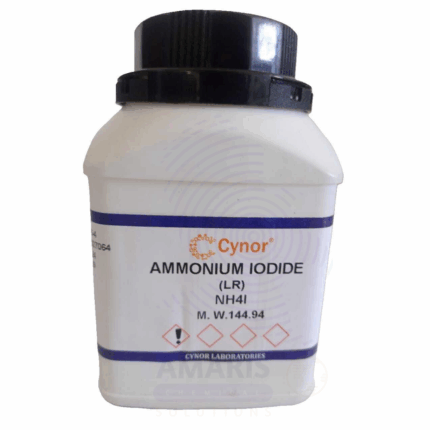
Ammonium Iodide Extra Pure
Ammonium Iodide Extra Pure is a high-purity, white to slightly yellow crystalline compound highly soluble in water and alcohol, commonly used in laboratory chemistry for analytical, synthetic, and photographic applications. It serves as a valuable source of iodide ions in organic and inorganic reactions, including halide exchange and the preparation of iodine-containing compounds. In analytical chemistry, it is used in iodometric titrations and as a reagent for detecting metal ions. The extra pure grade ensures exceptional chemical stability and low levels of impurities, supporting accurate, reproducible results in sensitive experiments. It should be stored in tightly sealed containers, away from light and moisture, to prevent decomposition and discoloration.
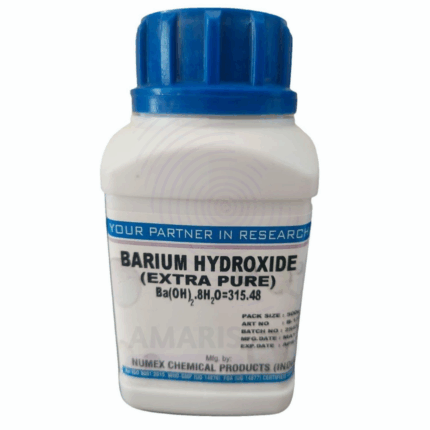
Barium Hydroxide Hydrate Extra Pure
Barium Hydroxide Hydrate Extra Pure is a high-purity, white crystalline compound containing eight molecules of water of crystallization. It is widely used in laboratory chemistry as a strong base in titration, qualitative analysis, and inorganic synthesis. Its high solubility in water and strong alkalinity make it valuable for neutralization reactions, preparation of barium salts, and as a reagent for detecting sulfates, carbonates, and phosphates. In analytical applications, it is often used where precise pH control and minimal contamination are critical. The extra pure grade ensures consistent performance in high-accuracy experiments. It should be handled with care and stored in a tightly sealed container in a cool, dry place, as it is caustic and sensitive to carbon dioxide in the air, which can lead to carbonate formation.












