

 Preservatives(food)
 Flavors
 Acidulants
 Sweeteners
 Antioxidants
 Colorants(food)
 Nutraceutical Ingredients (food)
 Nutrient Supplements
 Emulsifiers
 Collectors
 Dust Suppressants
 Explosives and Blasting Agents
 Flocculants and Coagulants
 Frothers
 Leaching Agents
 pH Modifiers
 Precious Metal Extraction Agents
 Antioxidants(plastic)
 Colorants (Pigments, Dyes)
 Fillers and Reinforcements
 Flame Retardants
 Monomers
 Plasticizers
 Polymerization Initiators
 Stabilizers (UV, Heat)
 Antifoaming Agents
 Chelating Agents
 Coagulants and Flocculants
 Corrosion Inhibitors
 Disinfectants and Biocides
 Oxidizing Agents
 pH Adjusters
 Scale Inhibitors( water)
 Antioxidants(cosmetic)
 Emollients
 Oils
Oils Carrier Oills
 Essential Oils
 Humectants
 Preservatives
 Surfactants(cosmetic)
 Thickeners
 UV Filters
 Fragrance (Cosmetics)
 Fertilizers
 Soil Conditioners
 Plant Growth Regulators
 Animal Feed Additives
 Biostimulants
 Pesticides (Herbicides, Insecticides, Fungicides)
 Active Pharmaceutical Ingredients (APIs)
 Excipients
 Solvents(pharmaceutical)
 Antibiotics
 Antiseptics and Disinfectants
 Vaccine Adjuvants
 Nutraceutical Ingredients (pharmaceutical)
 Analgesics & Antipyretics
 Analytical Reagents
 Solvents(lab)
 Chromatography Chemicals
 Spectroscopy Reagents
 microbiology-and-cell-culture-reagents
 Molecular Biology Reagents
 Biochemical Reagents
 Inorganic and Organic Standards
 Laboratory Safety Chemicals
 Specialty Laboratory Chemicals(Special Laboratory Equipment)
 Demulsifiers
 Hydraulic Fracturing Fluids
 Scale Inhibitors(oil)
 Surfactants(oil)
 Drilling Fluids
 Dyes and Pigments
 Bleaching Agents
 Softening Agents
 Finishing Agents
 Antistatic Agents
 Admixtures
 Waterproofing Agents
 Sealants and Adhesives
 Curing Compounds
 Concrete Repair Chemicals
 Anti-Corrosion Coatings
 Surfactants(cleaning)
 Builders
 Enzymes
 Solvents (Cleaning)
 Electronic Chemicals
 Catalysts
 Lubricants
 Photographic Chemicals
 Refrigerants
 Automotive chemicals
 Pyrotechnic Chemicals
 Biodegradable Surfactants
 Bio-based Solvents
 Renewable Polymers
 Carbon Capture Chemicals
 Wastewater Treatment Chemicals
 Pigments
 Solvents(paint)
 Specialty Coatings
 Binders/Resins
 Additives
 Driers
 Anti-Corrosion Agents
 Functional Coatings
 Application-Specific Coatings
 Leavening Agents
 Dough Conditioners
 Flour Treatments
 Fat Replacers
 Decoratives
 Preservatives(baking)
 Plasticizers & Softeners
 Reinforcing Agents
 Adhesion Promoters
 Vulcanizing Agents
 Antidegradants
 Blowing Agents
 Fillers & Extenders
 Accelerators & Retarders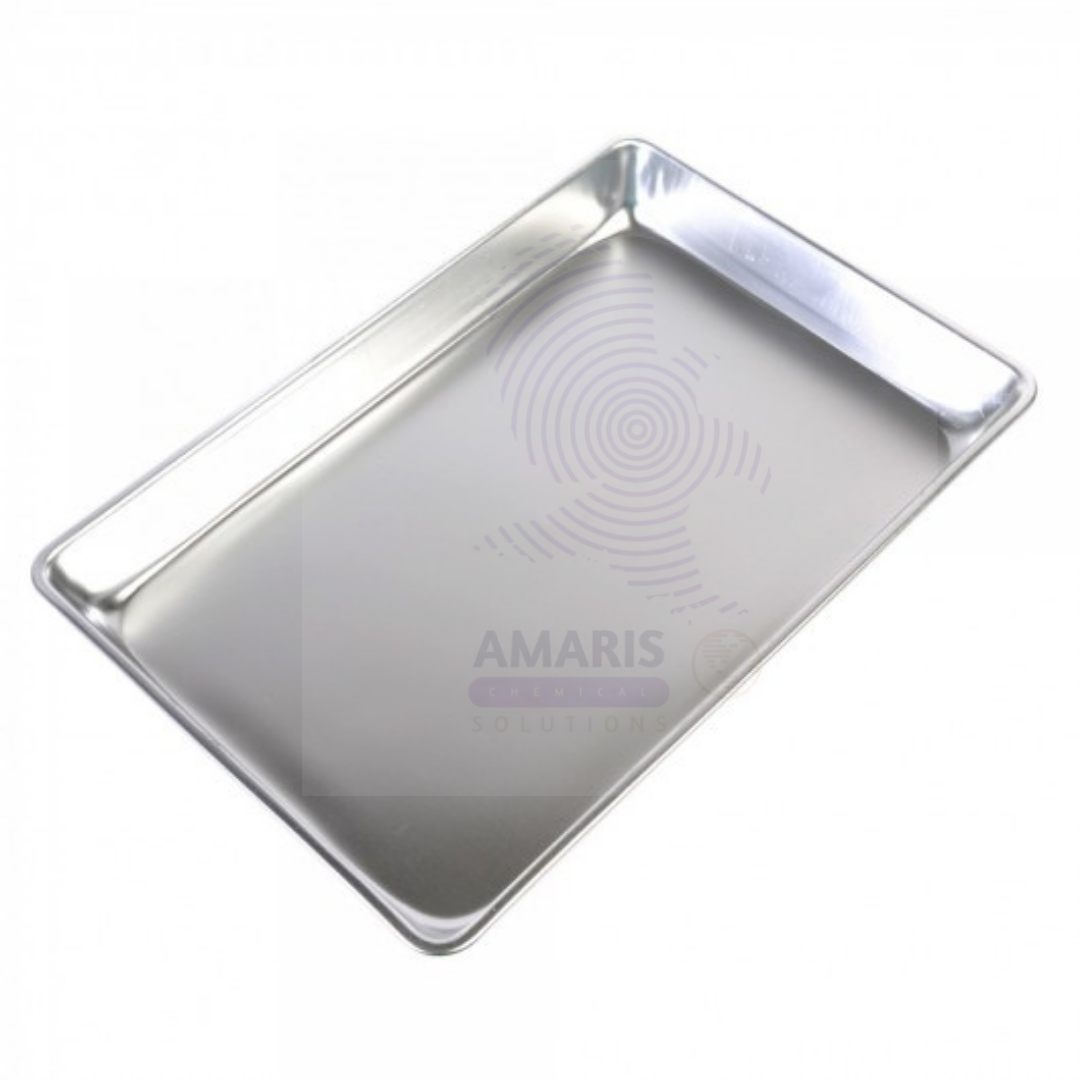


Dissecting scissors
Original price was: $ 7.02.$ 6.97Current price is: $ 6.97.
Dissecting Pan with Wax is a specialized laboratory tool consisting of a shallow metal or plastic pan filled with a layer of soft, moldable wax used to securely position biological specimens during dissection. The wax surface allows specimens to be pinned or stabilized without damage, providing a firm and adjustable platform for precise anatomical work. This setup is commonly used in medical, veterinary, and educational laboratories to facilitate detailed examination, surgical practice, and teaching demonstrations. The pan is typically durable, easy to clean, and compatible with standard dissection instruments.
Dissecting scissor
Primary Uses
- Medical and Biological Dissection
- Stabilizing biological specimens during dissection and anatomical study.
- Allowing precise pinning of tissues and organs without slippage.
- Supporting surgical practice and educational demonstrations.
- Facilitating accurate specimen positioning for detailed examination.
- Used in veterinary dissection and research laboratories.
Secondary Uses
- Laboratory, Educational, and Research Applications
- Preparing samples for histological or pathological analysis.
- Supporting entomological or botanical dissections requiring specimen fixation.
- Used in forensic labs for specimen stabilization during examination.
- Assisting in sample preparation for microscopy.
- Useful in comparative anatomy and research studies.
1.Basic Identification Attributes
- Components: Durable pan (metal/plastic) with moldable wax surface
- Size: Various sizes to accommodate different specimen dimensions
- Wax: Soft, non-toxic, reusable wax suitable for pinning
2.Physical & Chemical Properties
- Pan material: Corrosion-resistant and easy to clean
- Wax properties: Soft at room temperature for easy specimen embedding, solidifies firmly
- Reusable and moldable wax allowing repeated use
3.Safety & Hazard Attributes
- Pan edges may be sharp; handle with care
- Wax is generally non-toxic but avoid ingestion
- Keep wax free of contaminants for specimen integrity
4.Storage & Handling Attributes
- Store pan and wax in a clean, dry environment
- Protect wax from dust and debris when not in use
- Replace wax periodically to maintain optimal consistency
5.Regulatory & Compliance Attributes
- Manufactured following laboratory safety and quality standards
- Suitable for use in educational, research, and clinical laboratories
6.Environmental & Health Impact
- Wax is often recyclable or biodegradable depending on type
- Pan materials may be recyclable; dispose of responsibly
- Promotes hygienic and precise laboratory dissection practices
Safety Handling Precautions
- Use gloves when handling specimens and wax to maintain cleanliness
- Avoid prolonged skin contact with wax if sensitivity occurs
- Clean pan and wax surface regularly to prevent contamination
First Aid Measures
- For skin irritation from wax, wash affected area with soap and water
- Seek medical advice if irritation persists
- For minor cuts from pan edges, clean and treat wounds appropriately
Firefighting Measures
- Pan is non-flammable; wax may be combustible under direct flame
- Use appropriate extinguishing methods (water spray, foam) for wax fires
- Avoid inhalation of smoke or fumes from burning wax
Related products
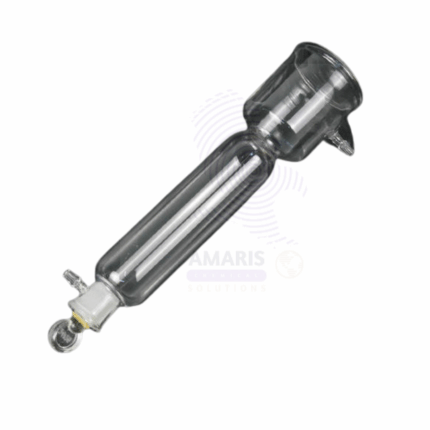
Absorption Tower
An Absorption Tower is a vertical vessel used in industrial processes to remove specific components from gas streams by contact with a liquid solvent. This equipment facilitates mass transfer between the gas and liquid phases, allowing targeted pollutants or valuable compounds to be absorbed efficiently. Absorption Towers are commonly employed in chemical plants, refineries, and environmental control systems for gas scrubbing, purification, and recovery applications. They are designed for optimal gas-liquid contact, often using packing materials or trays to enhance surface area and improve absorption efficiency.
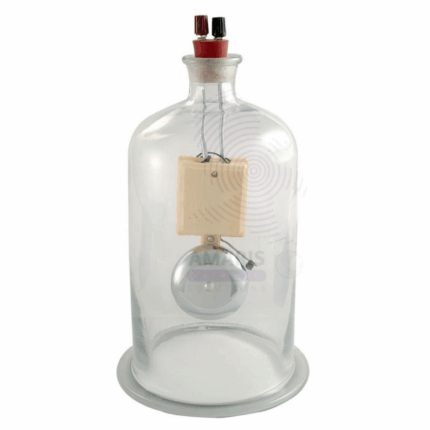
Bell in Vacuum
Bell in Vacuum is a crucial component used in vacuum systems to create an airtight seal and protect sensitive equipment from atmospheric contamination. Typically made of durable, corrosion-resistant materials, it forms part of vacuum chambers or devices requiring controlled environments. The bell ensures the maintenance of vacuum integrity by preventing air ingress, making it essential for experiments and industrial processes that depend on low-pressure or vacuum conditions.
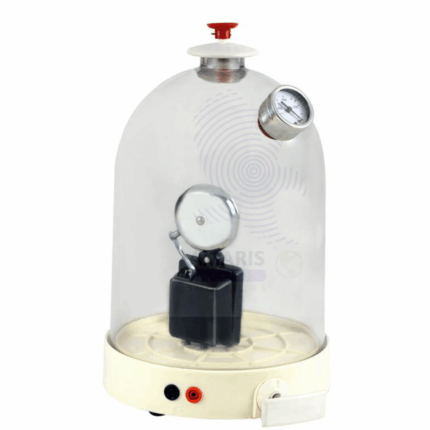
Bell in Vacuum with Air Pump with Plate
Bell in Vacuum with Air Pump with Plate is an integrated vacuum apparatus used to create and maintain low-pressure environments for laboratory and industrial applications. This assembly includes a vacuum bell, an air pump to evacuate air from the chamber, and a sturdy plate to support or seal samples or components during vacuum processes. Designed for durability and reliability, it is widely used in experiments requiring controlled atmospheric pressure, including vacuum filtration, drying, and physical science demonstrations.
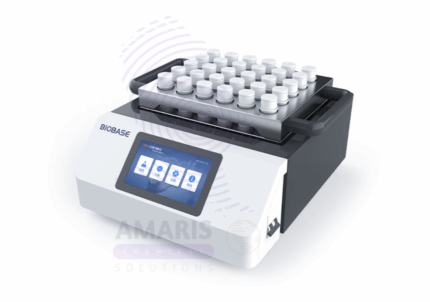
Bio-Waste Digester Kit
The Bio-Waste Digester Kit (1 Liter) is a compact, ready-to-use microbial solution designed to accelerate the decomposition of organic waste through natural biodegradation. This kit contains a high-activity blend of non-pathogenic microorganisms and enzymes capable of breaking down a wide range of biodegradable materials including food scraps, plant matter, and organic sludge. It is formulated for efficient use in laboratory-scale digestion experiments as well as small-scale industrial or institutional bio-waste treatment systems. The product supports environmentally responsible waste management by reducing organic load, minimizing odors, and converting waste into more manageable byproducts such as methane, carbon dioxide, and stabilized compost.
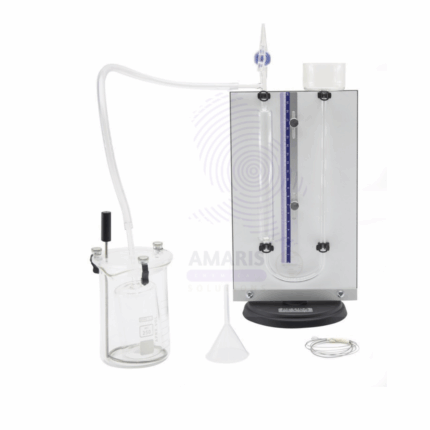
Charles law apparatus
Product Description
Charles Law Apparatus is a scientific device used to demonstrate and study Charles's Law, which states that the volume of a gas is directly proportional to its temperature at constant pressure. The apparatus typically consists of a sealed container connected to a graduated tube or syringe, allowing measurement of gas volume changes as temperature varies. It is widely used in physics and chemistry laboratories for educational and experimental purposes, helping users understand gas behavior under thermal changes.

Contact key
Product Description
The Contact Key is a fundamental switching device used in electrical circuits to manually open or close the flow of current. Commonly used in physics laboratories for demonstration and experimentation with circuits, it enables controlled activation of current for brief or sustained durations. Made from durable, conductive metals with insulating bases, Contact Keys are essential components in circuit testing, timing devices, and low-voltage experimental setups.
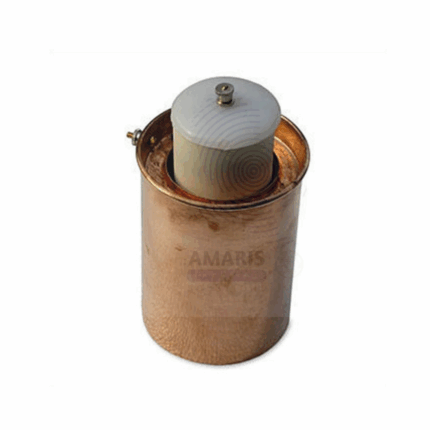
Daniel cell
The Daniel Cell is a classic electrochemical cell consisting of zinc and copper electrodes immersed in their respective sulfate solutions and connected by a salt bridge. It generates electrical energy through redox reactions and is used primarily for educational and laboratory demonstrations in electrochemistry.
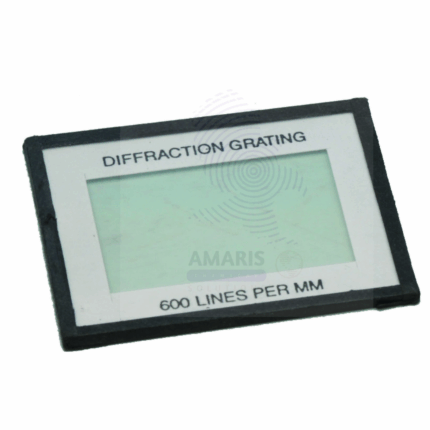
Diffraction Gratings
Diffraction Gratings are precision optical components used to disperse light into its component wavelengths for spectral analysis. These gratings consist of a surface with a series of closely spaced lines or grooves that diffract incoming light at specific angles depending on wavelength, enabling separation and measurement of spectral bands. Available in transmission or reflection formats, diffraction gratings are made from materials like glass or quartz and are often coated for enhanced optical performance. They are widely used in laboratories, research institutions, and industrial applications involving spectroscopy, photonics, and laser systems.












