

 Preservatives(food)
 Flavor Enhancers
 Acidulants
 Sweeteners
 Antioxidants
 Colorants(food)
 Nutraceutical Ingredients (food)
 Nutrient Supplements
 Emulsifiers
 Collectors
 Dust Suppressants
 Explosives and Blasting Agents
 Flocculants and Coagulants
 Frothers
 Leaching Agents
 pH Modifiers
 Precious Metal Extraction Agents
 Antioxidants(plastic)
 Colorants (Pigments, Dyes)
 Fillers and Reinforcements
 Flame Retardants
 Monomers
 Plasticizers
 Polymerization Initiators
 Stabilizers (UV, Heat)
 Antifoaming Agents
 Chelating Agents
 Coagulants and Flocculants
 Corrosion Inhibitors
 Disinfectants and Biocides
 Oxidizing Agents
 pH Adjusters
 Scale Inhibitors( water)
 Antioxidants(cosmetic)
 Emollients
 Fragrances and Essential Oils
 Humectants
 Preservatives
 Surfactants(cosmetic)
 Thickeners
 UV Filters
 Fertilizers
 Soil Conditioners
 Plant Growth Regulators
 Animal Feed Additives
 Biostimulants
 Pesticides (Herbicides, Insecticides, Fungicides)
 Active Pharmaceutical Ingredients (APIs)
 Excipients
 Solvents(pharmaceutical)
 Antibiotics
 Antiseptics and Disinfectants
 Vaccine Adjuvants
 Nutraceutical Ingredients (pharmaceutical)
 Analgesics & Antipyretics
 Analytical Reagents
 Solvents(lab)
 Chromatography Chemicals
 Spectroscopy Reagents
 microbiology-and-cell-culture-reagents
 Molecular Biology Reagents
 Biochemical Reagents
 Inorganic and Organic Standards
 Laboratory Safety Chemicals
 Specialty Laboratory Chemicals(Special Laboratory Equipment)
 Demulsifiers
 Hydraulic Fracturing Fluids
 Scale Inhibitors(oil)
 Surfactants(oil)
 Drilling Fluids
 Dyes and Pigments
 Bleaching Agents
 Softening Agents
 Finishing Agents
 Antistatic Agents
 Admixtures
 Waterproofing Agents
 Sealants and Adhesives
 Curing Compounds
 Concrete Repair Chemicals
 Anti-Corrosion Coatings
 Surfactants(cleaning)
 Builders
 Enzymes
 Solvents (Cleaning)
 Fragrances
 Electronic Chemicals
 Catalysts
 Lubricants
 Photographic Chemicals
 Refrigerants
 Automotive chemicals
 Pyrotechnic Chemicals
 Biodegradable Surfactants
 Bio-based Solvents
 Renewable Polymers
 Carbon Capture Chemicals
 Wastewater Treatment Chemicals
 Pigments
 Solvents(paint)
 Specialty Coatings
 Binders/Resins
 Additives
 Driers
 Anti-Corrosion Agents
 Functional Coatings
 Application-Specific Coatings
 Leavening Agents
 Dough Conditioners
 Flour Treatments
 Fat Replacers
 Decoratives
 Preservatives(baking)
 Plasticizers & Softeners
 Reinforcing Agents
 Adhesion Promoters
 Vulcanizing Agents
 Antidegradants
 Blowing Agents
 Fillers & Extenders
 Accelerators & Retarders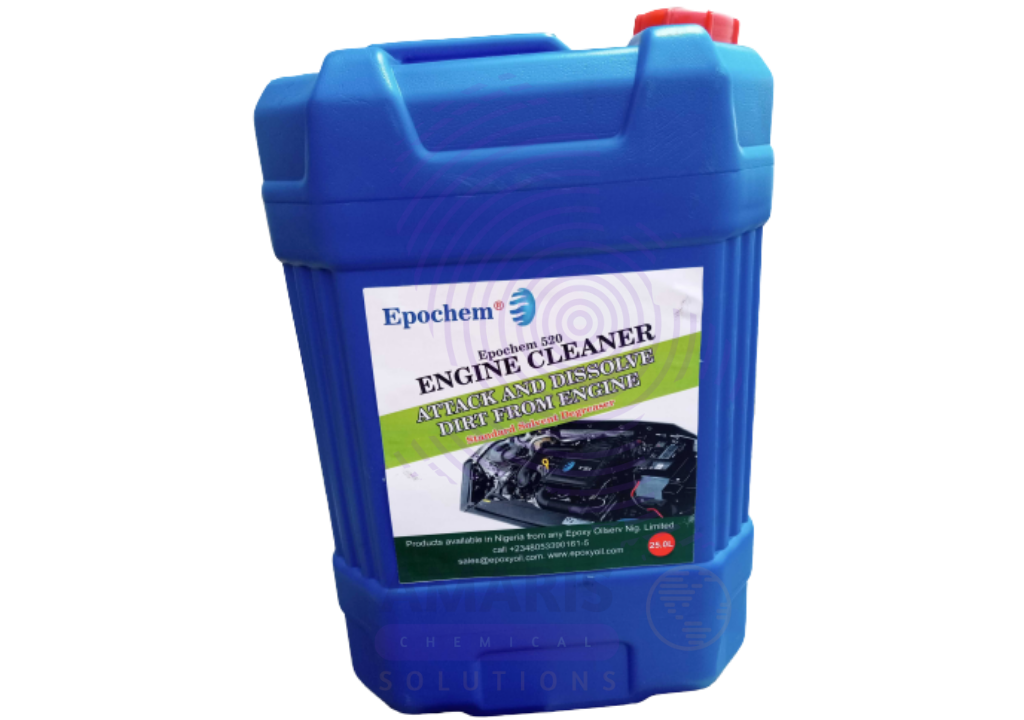

Engine Cleaner
Original price was: $ 20.77.$ 19.73Current price is: $ 19.73.
Engine Cleaner (also known as Engine Degreaser) is a heavy-duty, solvent-based or aqueous-based chemical formulation designed to dissolve, emulsify, and remove stubborn petroleum-based contaminants from mechanical assemblies. Its primary function is to cut through and lift accumulated engine oil, grease, grime, carbon deposits, and road tar from internal combustion engines, machinery parts, and automotive components. Technical-grade engine cleaner is engineered for industrial, automotive repair, and fleet maintenance applications. It is not intended for use on active electronic components, certain plastics, or as a general-purpose household cleaner due to its potent chemical strength and potential corrosivity.
Engine Cleaner
Primary Uses
1. Automotive and Transportation Maintenance
-
Engine bay degreasing: Spray-on application for cleaning oil-covered engine blocks, transmissions, and undercarriage components to improve visibility for repairs, prevent fire hazards, and prepare surfaces for painting or coating.
-
Parts cleaning and refurbishment: Soaking or brushing application to clean individual components like cylinder heads, pistons, valves, and manifolds in repair shops or rebuild facilities.
-
Heavy-duty fleet maintenance: Used on trucks, buses, agricultural, and construction equipment to remove heavy grease and mud buildup from engines and drivetrains.
-
Gunk and varnish removal: Dissolves baked-on carbon deposits and sludge from internal engine parts and oil galleries.
2. Industrial and Mechanical Maintenance
-
Machinery degreasing: Cleaning of industrial motors, pumps, gearboxes, and conveyor systems in manufacturing and processing plants.
-
Workshop parts washer fluid: Used as a concentrated additive or primary cleaning fluid in industrial parts washing cabinets and soak tanks.
-
Pre-cleaning for welding or coating: Prepares metal surfaces by removing oils and contaminants prior to welding, machining, or applying protective coatings.
Secondary Uses
1. Marine and Agricultural Equipment
-
Marine engine cleaning: Degreasing of boat engines and bilge areas, with formulations specific for marine environments.
-
Farm equipment maintenance: Cleaning of tractors and harvesters caked with a mixture of oil and organic matter.
2. Other Applications
-
Garage floor and workshop cleaning: Removing oil stains and spills from concrete floors and workshop tools.
-
Grease trap and parts pre-soak: Heavy-duty pre-treatment for heavily soiled items before standard washing.
1. Basic Identification Attributes
-
-
Chemical Name: Blend of solvents, surfactants, and alkalines.
-
Common/Trade Name: Engine Cleaner; Engine Degreaser; Heavy-Duty Degreaser; Gunk Remover.
-
CAS Number: Mixture; components vary.
-
Form: Liquid (aerosol spray, trigger spray, bulk liquid), Gel.
-
-
Synonyms:
-
-
Motor cleaner
-
Parts cleaner
-
Industrial degreaser
-
Solvent cleaner
-
2. Physical & Chemical Properties
-
Physical State: Liquid or gel.
-
Color & Odor: Often amber, orange, or clear liquid with a strong, pungent solvent or citrus odor.
-
pH: Typically alkaline (pH >10 for water-based formulas) or neutral (for solvent-based formulas).
-
Flash Point: Varies significantly; solvent-based formulas can be flammable with low flash points, while water-based formulas may have a high flash point or be non-flammable.
-
Solubility: Oil-soluble (solvent-based) or water-miscible (aqueous-based).
-
Density: Varies, often near or above 1.0 g/cm³.
3. Safety & Hazard Attributes
-
-
Hazard Class (GHS): Varies critically by formulation.
-
-
Common Classifications:
-
-
-
Flammable Liquid (Solvent-based): H225 Highly flammable liquid and vapor.
-
Skin Corrosion/Irritation: H314 Causes severe skin burns and eye damage (alkaline formulas) or H315 Causes skin irritation.
-
Specific Target Organ Toxicity (Solvent-based): H336 May cause drowsiness or dizziness.
-
Hazardous to Aquatic Life: H411 Toxic to aquatic life with long-lasting effects.
-
-
-
Toxicity: Can be harmful if inhaled or swallowed. Causes skin and eye irritation or corrosion.
-
Exposure Limits: Dependent on specific solvent ingredients (e.g., petroleum distillates).
4. Storage & Handling Attributes
-
-
Storage Conditions: Store in a tightly closed container in a cool, well-ventilated area away from heat, sparks, and open flame. For flammable types, follow regulations for flammable liquids.
-
Container Type: HDPE containers, aerosol cans, steel drums.
-
Shelf Life: Typically 2-5 years if stored properly.
-
-
Handling Precautions:
-
-
Use with adequate ventilation (often forced air is required).
-
Avoid contact with skin, eyes, and clothing.
-
Do not use near ignition sources.
-
5. Regulatory & Compliance Attributes
-
Labeling Requirements: Must carry GHS hazard pictograms and statements specific to its formulation (flammable, corrosive, health hazard).
-
Transport Classification: Depends on formulation. Flammable types are Class 3. Corrosive types are Class 8.
6. Environmental & Health Impact
-
Biodegradability: Varies; solvent-based types are often slow to degrade.
-
Ecotoxicity: Generally harmful to aquatic life. Must not be released into drains, sewers, or waterways.
-
VOC Content: Many formulas contain high levels of Volatile Organic Compounds (VOCs), subject to regional air quality regulations.
Safety Handling Precautions
-
PPE Required: Essential: Chemical-resistant gloves (nitrile, neoprene), safety goggles. Often required: Face shield, chemical-resistant apron, and respiratory protection (organic vapor cartridge for solvent types).
-
Handling Guidelines: Use in well-ventilated areas, preferably outdoors or with local exhaust ventilation. Apply, allow dwell time, then rinse thoroughly with water (if water-based) or wipe clean (if solvent-based, no rinse).
-
Storage Measures: Store away from incompatible materials like strong oxidizers and acids. Ground containers during transfer to prevent static discharge for flammable types.
-
Hygiene Practices: Wash hands and exposed skin thoroughly after handling. Launder contaminated clothing before reuse.
First Aid Measures
-
Inhalation: Immediately move to fresh air. If breathing is difficult, give oxygen. Seek medical attention.
-
Skin Contact: Remove contaminated clothing. Wash skin immediately with plenty of soap and water. For corrosive types, rinse for 15-20 minutes. Seek medical attention for burns or irritation.
-
Eye Contact: Rinse cautiously with water for at least 15 minutes, holding eyelids open. Seek immediate medical attention.
-
Ingestion: Do NOT induce vomiting. Rinse mouth. Never give anything by mouth to an unconscious person. Seek immediate medical attention.
Firefighting Measures
-
Fire Hazards: Solvent-based formulas are highly flammable. Vapors can travel to ignition sources and flash back.
-
Extinguishing Media: For flammable types: Use dry chemical, CO2, foam, or water spray. For water-based types: Use water spray, foam, dry chemical.
-
Special Precautions: For flammable fires, wear self-contained breathing apparatus (SCBA) and full protective gear. Fight fire from a safe distance. Use water spray to cool exposed containers and protect firefighters.
-
Decomposition Products: Toxic fumes (carbon monoxide, oxides of nitrogen, etc.) under fire conditions.
Related products
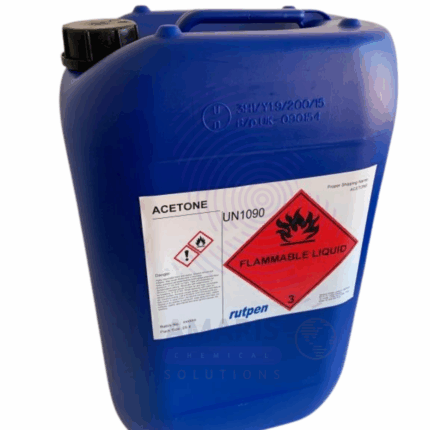
Acetone
Acetone (chemical formula CH₃COCH₃) is the simplest and most widely used ketone, appearing as a clear, colorless, volatile liquid with a characteristic sweet, pungent odor. Industrial Grade Acetone is manufactured with a minimum purity of 99.5%, offering aggressive solvent power, rapid evaporation rate, and complete miscibility with water and most organic solvents. Its combination of high solvency, low toxicity relative to other industrial solvents, and favorable regulatory status makes it an indispensable chemical in manufacturing, cleaning, and formulation processes across numerous heavy industries.

Butyl Acetate
Butyl Acetate is a clear, colorless liquid with a characteristic pleasant fruity odor similar to pears or bananas. It is an ester formed from butanol and acetic acid. Due to its excellent solvent properties, moderate evaporation rate, and relatively low toxicity, it is widely used in industrial, pharmaceutical, food flavoring, and cosmetic applications. It dissolves many resins and polymers and is prized for improving flow and finish in coatings and inks.
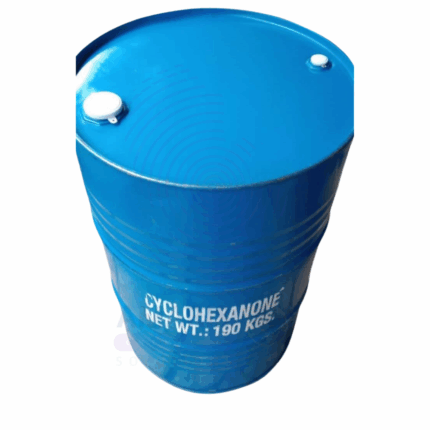

Cyclohexanone
Cyclohexanone is a clear, colorless to pale yellow liquid with a sharp, sweet, acetone-like odor. It is a cyclic ketone with the molecular formula C₆H₁₀O and a moderately high boiling point. Cyclohexanone is a key intermediate in the chemical industry, primarily used in the manufacture of nylon, pharmaceuticals, and agrochemicals. Its excellent solvency and chemical reactivity make it valuable for a wide range of industrial applications, including solvent use and chemical synthesis.
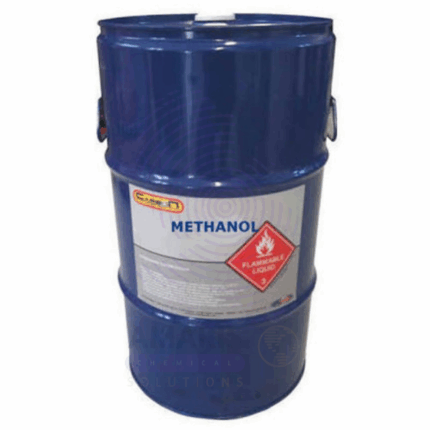
Methanol
Methanol, also known as methyl alcohol or wood alcohol, is a clear, colorless, volatile, and flammable liquid with a distinct alcoholic odor. It is the simplest alcohol and is widely used as an industrial solvent, antifreeze, fuel, and chemical feedstock. Methanol is highly miscible with water and many organic solvents and serves as a precursor to numerous chemicals including formaldehyde, acetic acid, and various plastic
N-Butanol
N-Butanol (1-butanol) is a four-carbon linear alcohol with the chemical formula C₄H₉OH. It is a colorless, flammable liquid with a mild, alcoholic odor. N-Butanol is widely used as a solvent in paints, coatings, adhesives, and chemical synthesis. It serves as an intermediate in the manufacture of plasticizers, butyl acrylate, and other chemicals. Its moderate volatility and solvent properties make it valuable in industrial and commercial applications.
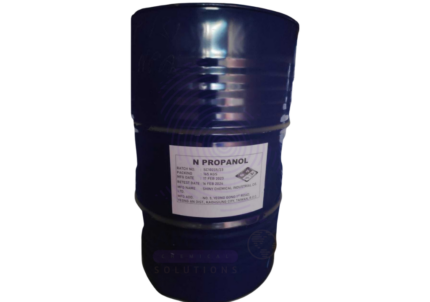
N-Propanol
N-Propanol, also known as n-Propyl Alcohol or 1-Propanol, is a clear, colorless, low-viscosity liquid with a characteristic mild alcohol-like odor. It is a primary alcohol with the molecular formula C₃H₈O, fully miscible with water and common organic solvents such as alcohols, ketones, ethers, glycols, and hydrocarbons. This high-purity, semi-volatile, polar solvent serves as both a versatile solvent and a chemical intermediate across multiple industrial sectors. N-Propanol has a flash point of 15–23°C and is classified as a highly flammable liquid. Technical grade N-Propanol is manufactured for industrial applications and is not intended for direct human consumption unless specifically certified as USP or Food Grade.

Pine Oil
Pine Oil is a powerful, aromatic essential oil obtained through the steam distillation of the needles, twigs, and cones of pine trees, primarily Pinus sylvestris or other Pinus species. It features a sharp, woody, and fresh scent with natural disinfectant and deodorizing properties. Rich in monoterpenes such as alpha-pinene and beta-pinene, Pine Oil is widely utilized in cleaning products, disinfectants, air care, cosmetics, and industrial formulations. It is valued for its antimicrobial, anti-inflammatory, and degreasing capabilities, making it an effective multi-purpose ingredient across various sectors.
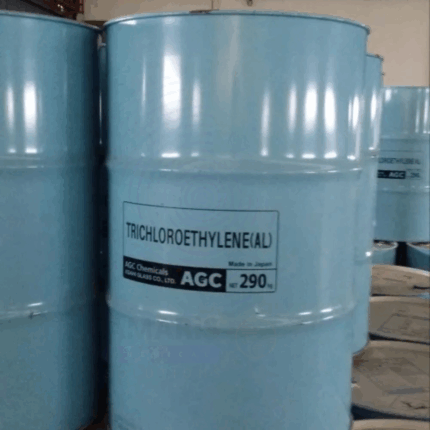
Trichloroethylene
Trichloroethylene (TCE) is a clear, non-flammable chlorinated solvent with a sweet, chloroform-like odor. It is widely used as an industrial solvent for degreasing and cleaning metal parts, thanks to its excellent ability to dissolve oils, greases, and waxes. Trichloroethylene is also used as a chemical intermediate and in the manufacture of adhesives, paints, and coatings. Its volatility and solvency make it essential in many manufacturing and maintenance processes, although use is regulated due to environmental and health concerns.












