

 Preservatives(food)
 Flavors
 Acidulants
 Sweeteners
 Antioxidants
 Colorants(food)
 Nutraceutical Ingredients (food)
 Nutrient Supplements
 Emulsifiers
 Collectors
 Dust Suppressants
 Explosives and Blasting Agents
 Flocculants and Coagulants
 Frothers
 Leaching Agents
 pH Modifiers
 Precious Metal Extraction Agents
 Antioxidants(plastic)
 Colorants (Pigments, Dyes)
 Fillers and Reinforcements
 Flame Retardants
 Monomers
 Plasticizers
 Polymerization Initiators
 Stabilizers (UV, Heat)
 Antifoaming Agents
 Chelating Agents
 Coagulants and Flocculants
 Corrosion Inhibitors
 Disinfectants and Biocides
 Oxidizing Agents
 pH Adjusters
 Scale Inhibitors( water)
 Antioxidants(cosmetic)
 Emollients
 Oils
Oils Carrier Oills
 Essential Oils
 Humectants
 Preservatives
 Surfactants(cosmetic)
 Thickeners
 UV Filters
 Fragrance (Cosmetics)
 Fertilizers
 Soil Conditioners
 Plant Growth Regulators
 Animal Feed Additives
 Biostimulants
 Pesticides (Herbicides, Insecticides, Fungicides)
 Active Pharmaceutical Ingredients (APIs)
 Excipients
 Solvents(pharmaceutical)
 Antibiotics
 Antiseptics and Disinfectants
 Vaccine Adjuvants
 Nutraceutical Ingredients (pharmaceutical)
 Analgesics & Antipyretics
 Analytical Reagents
 Solvents(lab)
 Chromatography Chemicals
 Spectroscopy Reagents
 microbiology-and-cell-culture-reagents
 Molecular Biology Reagents
 Biochemical Reagents
 Inorganic and Organic Standards
 Laboratory Safety Chemicals
 Specialty Laboratory Chemicals(Special Laboratory Equipment)
 Demulsifiers
 Hydraulic Fracturing Fluids
 Scale Inhibitors(oil)
 Surfactants(oil)
 Drilling Fluids
 Dyes and Pigments
 Bleaching Agents
 Softening Agents
 Finishing Agents
 Antistatic Agents
 Admixtures
 Waterproofing Agents
 Sealants and Adhesives
 Curing Compounds
 Concrete Repair Chemicals
 Anti-Corrosion Coatings
 Surfactants(cleaning)
 Builders
 Enzymes
 Solvents (Cleaning)
 Electronic Chemicals
 Catalysts
 Lubricants
 Photographic Chemicals
 Refrigerants
 Automotive chemicals
 Pyrotechnic Chemicals
 Biodegradable Surfactants
 Bio-based Solvents
 Renewable Polymers
 Carbon Capture Chemicals
 Wastewater Treatment Chemicals
 Pigments
 Solvents(paint)
 Specialty Coatings
 Binders/Resins
 Additives
 Driers
 Anti-Corrosion Agents
 Functional Coatings
 Application-Specific Coatings
 Leavening Agents
 Dough Conditioners
 Flour Treatments
 Fat Replacers
 Decoratives
 Preservatives(baking)
 Plasticizers & Softeners
 Reinforcing Agents
 Adhesion Promoters
 Vulcanizing Agents
 Antidegradants
 Blowing Agents
 Fillers & Extenders
 Accelerators & Retarders



Ferulic Acid Extra Pure
Original price was: $ 18.75.$ 18.67Current price is: $ 18.67.
Ferulic Acid Extra Pure is a high-grade organic compound widely valued for its potent antioxidant properties. Naturally found in the cell walls of plants such as rice, wheat, and oats, it plays a key role in protecting cells from oxidative stress by neutralizing free radicals. In laboratory and research settings, Ferulic Acid is frequently used in studies related to aging, skincare formulations, and UV protection, due to its ability to stabilize sensitive ingredients like vitamins C and E. Its high purity makes it especially suitable for pharmaceutical and cosmetic applications where consistency and efficacy are critical. This compound is also explored for its potential anti-inflammatory and antimicrobial benefits, further expanding its versatility across various scientific and industrial domains.
Ferulic Acid Extra Pure
Primary Uses
- Antioxidant research and testing:
Commonly used in studies evaluating antioxidant capacity due to its ability to scavenge free radicals and protect biomolecules from oxidative stress. - Pharmaceutical and cosmetic formulation studies:
Investigated as an active ingredient in skin-lightening, anti-aging, and photoprotective products due to its UV-absorbing and stabilizing properties. - Reference compound in HPLC and analytical chemistry:
Serves as a standard for quantifying phenolic compounds in plant extracts and food matrices.
Secondary Uses
- Food and nutraceutical research:
Explored for its potential to preserve food by inhibiting lipid peroxidation and microbial growth. - Biomedical and cellular studies:
Studied for anti-inflammatory, anticancer, neuroprotective, and cardioprotective effects in cell culture and animal models. - Polymer and material science experiments:
Used to develop biodegradable polymers and antioxidant-functionalized materials in bioengineering labs.
1. Basic Identification Attributes
- Chemical Name: Ferulic Acid
- Synonyms: 4-Hydroxy-3-methoxycinnamic acid
- Chemical Formula: C₁₀H₁₀O₄
- Molecular Weight: 194.18 g/mol
- Grade: Extra Pure (Laboratory Reagent Grade)
- Appearance: White to light yellow crystalline powder
- Odor: Slight, characteristic odor
2. Physical & Chemical Properties
- Solubility: Slightly soluble in water; soluble in ethanol, DMSO, and alkaline solutions
- Melting Point: 168–173°C
- pKa: ~4.6
- Stability: Stable under normal conditions; sensitive to light and air
- Storage: Store in a cool, dry, dark place, in an airtight container
3. Safety & Hazard Attributes
- GHS Classification:
- Not classified as hazardous under typical lab use
- Hazard Statements:
- Generally considered non-toxic at lab scale
- May cause mild irritation to eyes, skin, or respiratory tract in dust form
- PPE Requirements:
- Lab coat
- Nitrile gloves
- Safety goggles
- Dust mask in case of powder handling
- First Aid Measures:
- Inhalation: Move to fresh air; seek attention if symptoms persist
- Skin Contact: Wash with soap and water
- Eye Contact: Rinse cautiously with water for several minutes
- Ingestion: Rinse mouth; seek medical attention if unwell
4. Storage & Handling Attributes
- Storage Conditions:
- Keep container tightly closed
- Protect from moisture and light
- Store at room temperature or refrigerated for longer shelf life
- Handling Notes:
- Avoid dust generation
- Minimize direct exposure to light and air
5. Regulatory & Compliance Attributes
- CAS Number: 1135-24-6
- EC Number: 214-490-0
- UN Number: Not regulated for transport
- Hazard Class: Not classified
- Packaging Group: Not applicable
6. Laboratory Applications
- Primary Uses:
- Antioxidant activity assays and phytochemical research
- Standard in HPLC and spectrophotometry
- Reference compound in cosmetic and nutraceutical testing
- Secondary Uses:
- Study of free radical scavenging and UV-protection mechanisms
- Evaluation in pharmaceutical formulations as a stabilizing agent
- Experimental additive in food and cosmetic shelf-life extension tests
SAFETY PRECAUTIONS
- Generally considered low toxicity, but lab safety practices still apply
- Avoid inhalation of fine powder and direct contact with eyes or skin
Storage:
- Store in a cool, dry place
- Protect from light, heat, and moisture
FIRST AID MEASURES
- Inhalation: Move to fresh air; seek medical attention if symptoms occur
- Skin Contact: Wash thoroughly with soap and water
- Eye Contact: Rinse with clean water for at least 15 minutes
- Ingestion: Rinse mouth; seek medical advice if needed
Related products
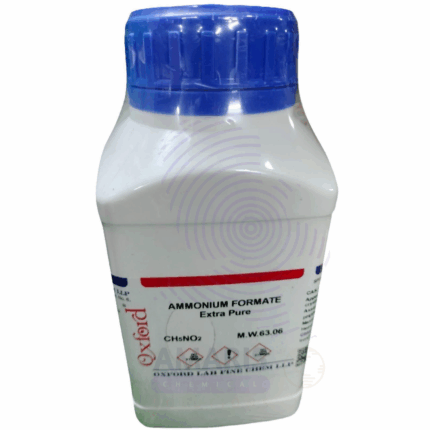
Ammonium Formate Extra Pure
Ammonium Formate Extra Pure is a high-purity, white crystalline compound commonly used in laboratory chemistry as a buffering agent, reducing agent, and reagent in organic synthesis. It plays a significant role in catalytic hydrogenation reactions, particularly in transfer hydrogenation using palladium or platinum catalysts. In analytical chemistry, it is frequently used in HPLC and mass spectrometry applications due to its volatility and compatibility with aqueous and organic mobile phases. The extra pure grade ensures extremely low levels of impurities, making it suitable for high-precision and instrument-sensitive applications. It should be stored in a cool, dry, and tightly sealed container to preserve its stability and prevent moisture uptake.

Benedict Solution Extra Pure
Benedict Solution Extra Pure is a high-purity, blue-colored reagent solution widely used in laboratory settings for the qualitative detection of reducing sugars, such as glucose and fructose. It contains copper(II) sulfate, sodium citrate, and sodium carbonate, which react with reducing sugars under heat to form a colored precipitate ranging from green to brick red, depending on sugar concentration. This makes it essential in biochemical and educational laboratories for carbohydrate analysis and metabolic studies. The extra pure grade ensures consistent composition and reliable colorimetric response, supporting accurate and reproducible results in teaching and research environments. It should be stored in a cool, dark place in a tightly sealed container to maintain stability and prevent degradation.
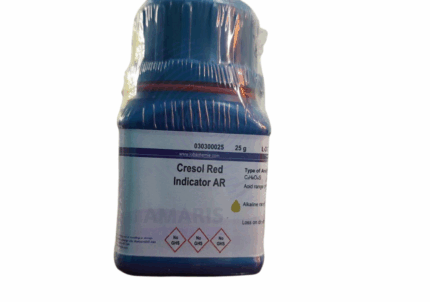
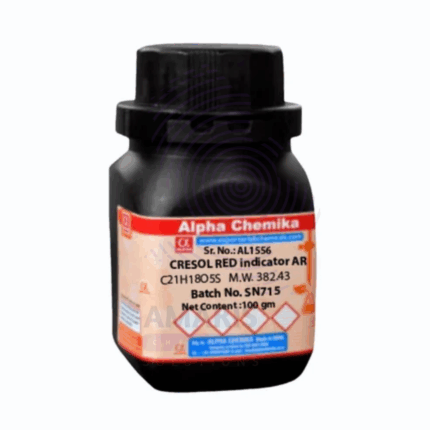
Cresol Red Indicator Extra Pure
Cresol Red Indicator Extra Pure is a high-purity pH indicator dye widely used in laboratory titrations, buffer solutions, and biochemical assays. It exhibits a clear color change from yellow to red over the pH range of approximately 7.2 to 8.8, making it suitable for detecting slight pH shifts in weakly basic environments. Its stable performance and extra pure grade ensure consistent results in analytical chemistry, molecular biology, and spectrophotometric applications. Ideal for use in precise pH monitoring, Cresol Red should be handled with care and stored away from light and moisture to preserve its integrity.
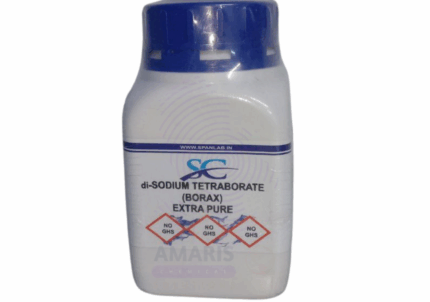
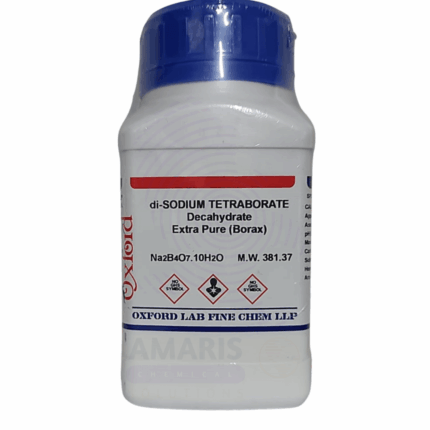
Di-sodium Tetraborate Borax Extra Pure
Di-sodium Tetraborate Borax Extra Pure is a high-purity boron compound widely used in laboratory applications for its buffering, emulsifying, and fluxing properties. In analytical chemistry, it serves as a reagent in qualitative and quantitative analysis, particularly in flame tests and as a flux in the preparation of glass beads for spectroscopy. Its buffering capacity is valuable in maintaining pH stability in various solutions, while its detergent-like action supports cleaning and sample preparation. This extra pure grade ensures minimal contaminants, making it ideal for precision work in research, teaching, and industrial laboratories. Store in a cool, dry environment in a well-sealed container.
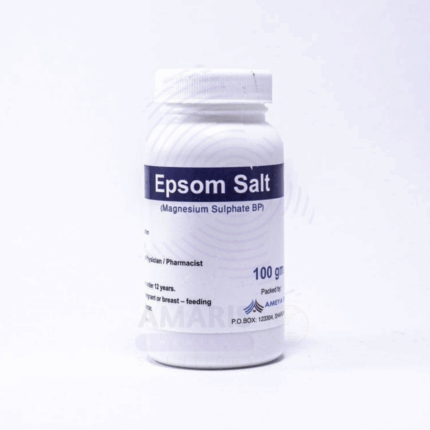
Epsom Salts Magnesium Sulphate Extra Pure
Epsom Salts Magnesium Sulphate Extra Pure is a high-purity, crystalline compound widely used in laboratory settings as a source of magnesium ions and as a drying or stabilizing agent in various chemical reactions. It is particularly valuable in analytical chemistry, buffer preparation, and qualitative tests involving sulfate or magnesium detection. In biological and biochemical research, it is often used to prepare nutrient solutions and culture media. The extra pure grade ensures minimal contaminants, making it suitable for precision applications and sensitive experiments. It should be stored in a cool, dry place to maintain its crystalline structure and prevent moisture absorption.
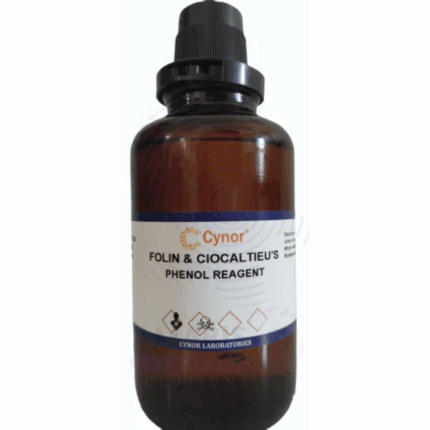
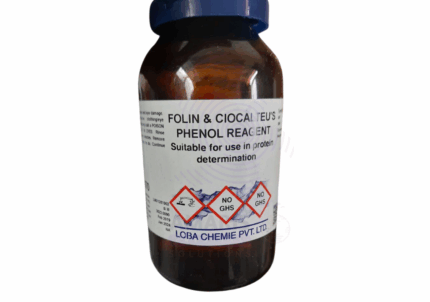
Folin Ciocalteus Phenol Reagent Extra Pure
Folin Ciocalteus Phenol Reagent Extra Pure is a high-grade chemical solution widely used in analytical chemistry and biochemistry for the colorimetric determination of phenolic and polyphenolic compounds. It functions by reacting with phenol groups to produce a blue complex, the intensity of which is directly proportional to the concentration of phenols present in the sample. This makes it an essential reagent in food science for measuring antioxidant capacity and total phenolic content in fruits, vegetables, beverages, and plant extracts. Its extra pure formulation ensures precision, reproducibility, and minimal background interference, making it ideal for research, quality control, and advanced laboratory applications.
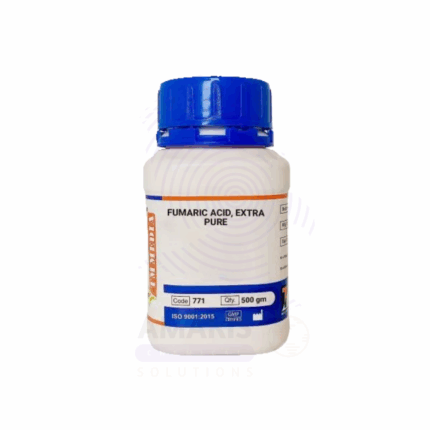
Fumaric Acid Extra Pure
Fumaric Acid Extra Pure is a white crystalline organic compound known for its use as a food acidulant, a chemical intermediate, and a reagent in laboratory analysis. This trans-isomer of butenedioic acid plays a significant role in the Krebs cycle and is commonly used in biochemical and pharmaceutical research. In laboratories, it serves as a standard for titrations and a pH modifier in formulations. Its excellent stability, solubility in alcohol, and high purity make it suitable for precision applications, including quality control testing, analytical chemistry, and synthesis of esters and resins.
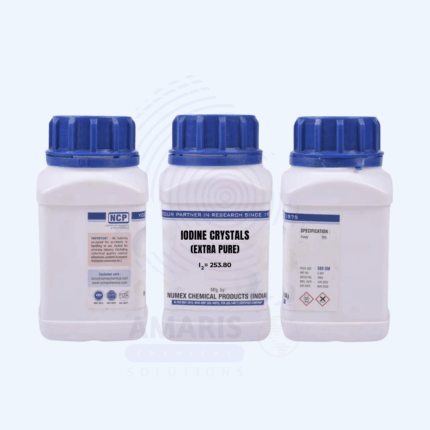
Iodine Crystals Extra Pure
Iodine Crystals Extra Pure are dark violet, lustrous flakes known for their high purity and reliable reactivity. They are widely used in analytical chemistry, pharmaceutical formulations, and as a key reagent in iodine value determination, starch testing, and microbial staining. Their antiseptic properties also make them useful in disinfection and laboratory microbiology. Due to their sublimation tendency, iodine crystals should be stored in tightly sealed containers in a cool, dry, and well-ventilated area. Their purity ensures minimal contamination, making them ideal for precision work in research and educational laboratories.












