

 Preservatives(food)
 Flavors
 Acidulants
 Sweeteners
 Antioxidants
 Colorants(food)
 Nutraceutical Ingredients (food)
 Nutrient Supplements
 Emulsifiers
 Collectors
 Dust Suppressants
 Explosives and Blasting Agents
 Flocculants and Coagulants
 Frothers
 Leaching Agents
 pH Modifiers
 Precious Metal Extraction Agents
 Antioxidants(plastic)
 Colorants (Pigments, Dyes)
 Fillers and Reinforcements
 Flame Retardants
 Monomers
 Plasticizers
 Polymerization Initiators
 Stabilizers (UV, Heat)
 Antifoaming Agents
 Chelating Agents
 Coagulants and Flocculants
 Corrosion Inhibitors
 Disinfectants and Biocides
 Oxidizing Agents
 pH Adjusters
 Scale Inhibitors( water)
 Antioxidants(cosmetic)
 Emollients
 Oils
Oils Carrier Oills
 Essential Oils
 Humectants
 Preservatives
 Surfactants(cosmetic)
 Thickeners
 UV Filters
 Fragrance (Cosmetics)
 Fertilizers
 Soil Conditioners
 Plant Growth Regulators
 Animal Feed Additives
 Biostimulants
 Pesticides (Herbicides, Insecticides, Fungicides)
 Active Pharmaceutical Ingredients (APIs)
 Excipients
 Solvents(pharmaceutical)
 Antibiotics
 Antiseptics and Disinfectants
 Vaccine Adjuvants
 Nutraceutical Ingredients (pharmaceutical)
 Analgesics & Antipyretics
 Analytical Reagents
 Solvents(lab)
 Chromatography Chemicals
 Spectroscopy Reagents
 microbiology-and-cell-culture-reagents
 Molecular Biology Reagents
 Biochemical Reagents
 Inorganic and Organic Standards
 Laboratory Safety Chemicals
 Specialty Laboratory Chemicals(Special Laboratory Equipment)
 Demulsifiers
 Hydraulic Fracturing Fluids
 Scale Inhibitors(oil)
 Surfactants(oil)
 Drilling Fluids
 Dyes and Pigments
 Bleaching Agents
 Softening Agents
 Finishing Agents
 Antistatic Agents
 Admixtures
 Waterproofing Agents
 Sealants and Adhesives
 Curing Compounds
 Concrete Repair Chemicals
 Anti-Corrosion Coatings
 Surfactants(cleaning)
 Builders
 Enzymes
 Solvents (Cleaning)
 Electronic Chemicals
 Catalysts
 Lubricants
 Photographic Chemicals
 Refrigerants
 Automotive chemicals
 Pyrotechnic Chemicals
 Biodegradable Surfactants
 Bio-based Solvents
 Renewable Polymers
 Carbon Capture Chemicals
 Wastewater Treatment Chemicals
 Pigments
 Solvents(paint)
 Specialty Coatings
 Binders/Resins
 Additives
 Driers
 Anti-Corrosion Agents
 Functional Coatings
 Application-Specific Coatings
 Leavening Agents
 Dough Conditioners
 Flour Treatments
 Fat Replacers
 Decoratives
 Preservatives(baking)
 Plasticizers & Softeners
 Reinforcing Agents
 Adhesion Promoters
 Vulcanizing Agents
 Antidegradants
 Blowing Agents
 Fillers & Extenders
 Accelerators & Retarders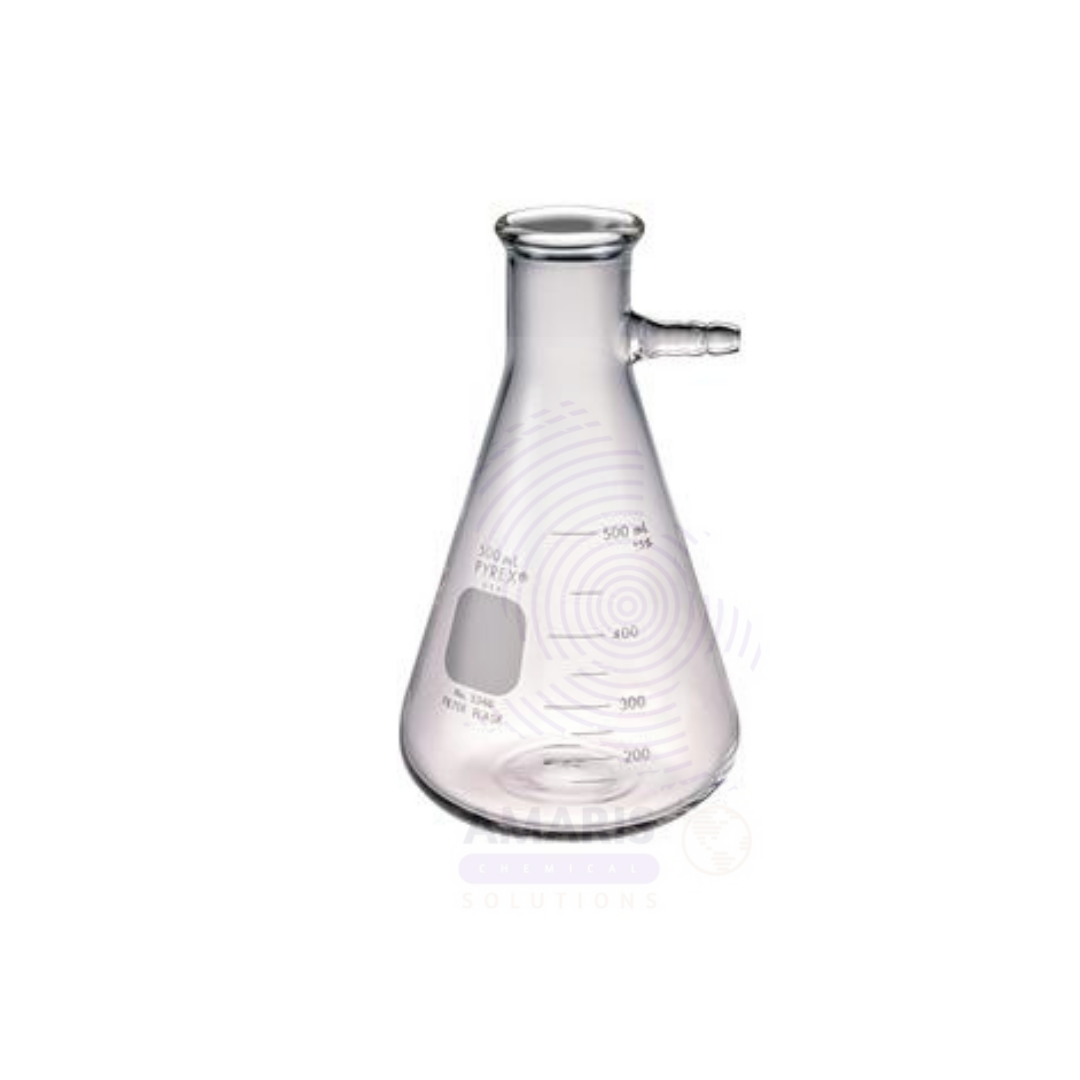

Filter Flask
Original price was: $ 14.02.$ 13.93Current price is: $ 13.93.
Filter Flask is a specially designed laboratory glass vessel, typically made from chemically resistant borosilicate glass, featuring a thick-walled body and a side arm for connection to vacuum sources. It is used in vacuum filtration procedures to collect filtrates efficiently while providing durability and chemical resistance. The side arm allows attachment to vacuum pumps or aspirators to create suction, speeding up the filtration process. Filter flasks are essential in chemical, biological, and pharmaceutical labs for separating solids from liquids, clarifying solutions, and sample preparation.
Filter Flask
Primary Use
- Laboratory and Medical Applications
- Used in vacuum filtration setups to collect filtered liquids and residues.
- Suitable for use with laboratory vacuum pumps and aspirators.
- Applied in microbiology and chemical laboratories for sample clarification and preparation.
- Facilitates rapid filtration of reaction mixtures and culture media.
Secondary Uses
- Industrial and Research Laboratories
- Used for separating solid impurities from liquid products in chemical processing.
- Employed in pharmaceutical industries for purification of raw materials.
- Used in environmental laboratories for water and wastewater analysis.
- Applied in research for sample concentration and isolation.
1.Basic Identification Attributes
- Material: Chemically resistant borosilicate glass
- Design: Thick-walled with a side arm for vacuum connection
- Sizes: Available in various volumes to suit laboratory needs
2.Physical & Chemical Properties
- Chemical Resistance: Resistant to acids, alkalis, and solvents
- Thermal Resistance: Can withstand autoclaving and temperature fluctuations
- Transparency: Clear glass for easy monitoring of contents
3.Safety & Hazard Attributes
- Fragile glass material requiring careful handling to avoid breakage
- Side arm connection must be secure to prevent vacuum leaks
4.Storage & Handling Attributes
- Store in padded, stable environments to prevent damage
- Clean thoroughly after use to avoid contamination
- Inspect regularly for cracks or damage before vacuum use
5.Regulatory & Compliance Attributes
- Manufactured according to laboratory glassware standards (ISO, ASTM)
- Suitable for GMP and GLP compliant laboratories
6.Environmental & Health Impact
- Glass is recyclable and environmentally sustainable
- Proper disposal of chemical residues recommended
Safety Handling Precautions
- Use PPE such as gloves and safety goggles during handling
- Avoid sudden temperature changes to prevent glass breakage
First Aid Measures
- For cuts from broken glass, clean wounds and seek medical attention if necessary
- Follow chemical safety protocols if chemical exposure occurs
Firefighting Measures
- Non-flammable glass material
- Use extinguishing agents suitable for surrounding combustibles
Related products
Boiling Flask Flat Bottom
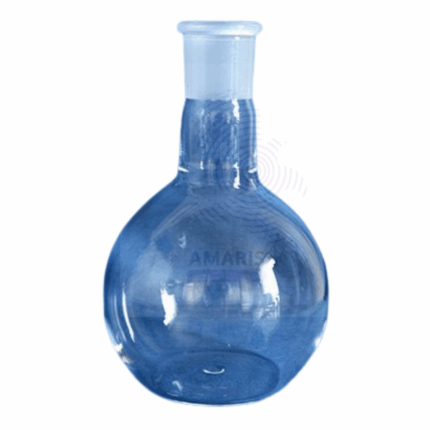
The Boiling Flask Flat Bottom is a laboratory glassware item designed for heating, boiling, and mixing chemical solutions. It features a flat base that allows it to stand independently on lab benches or heating surfaces. Made from high-quality borosilicate glass, it provides excellent thermal resistance and chemical durability. The flask’s wide mouth facilitates easy pouring, filling, and cleaning. It is commonly used in laboratories for distillation, reflux, and other heating applications requiring uniform heat distribution.

Borosilicate Glass Tubings
Borosilicate Glass Tubings are high-quality glass tubes made from borosilicate material, known for excellent thermal resistance and chemical durability. These tubes are used extensively in laboratories and industries for transporting gases and liquids, conducting experiments, and fabricating custom glass apparatus. Their high resistance to thermal shock and chemical corrosion makes them ideal for harsh lab environments and industrial processes. Available in various diameters and lengths, these tubings can be cut or bent to suit specific experimental setups.
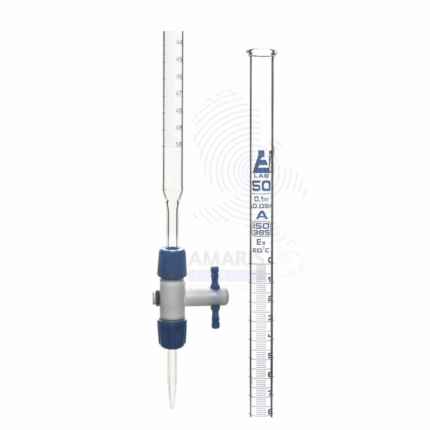
Burette PTFE
The Burette PTFE is a high-quality laboratory burette constructed with a polytetrafluoroethylene (PTFE) stopcock and nozzle, providing excellent chemical resistance and durability. Known for its non-reactive and non-stick properties, PTFE ensures smooth and precise flow control during titration and other volumetric analyses. This burette is ideal for handling corrosive and aggressive chemicals, maintaining accuracy and reliability in laboratory measurements.
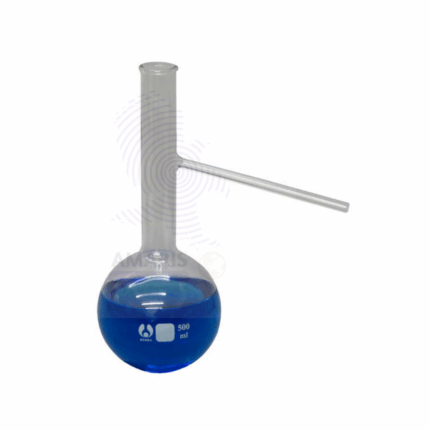
Distillation Flask with Side Arm
Distillation Flask with Side Arm is a specialized piece of laboratory glassware designed for use in distillation processes. Made from chemically resistant borosilicate glass, this flask features a round or pear-shaped body with a side arm outlet for vapor to pass through to the condenser. It serves as the container in which liquid mixtures are heated and vaporized, enabling separation based on boiling points. The side arm allows vapors to exit efficiently while minimizing the risk of leaks or contamination. This flask is essential in organic synthesis, chemical purification, and analytical laboratories, facilitating precise and safe distillation operations.

Dropper
Dropper is a small laboratory tool used to transfer precise volumes of liquids in drops. Typically composed of a glass or plastic tube with a squeezable rubber bulb at one end, the dropper allows controlled dispensing of liquids for experiments, titrations, or sample preparations. Its simple design enables easy handling and measurement of small quantities, making it indispensable in chemical, biological, pharmaceutical, and educational laboratories. Droppers are ideal for adding reagents dropwise, conducting qualitative tests, or transferring liquids without contamination.

Expansion of Liquid Apparatus
Expansion of Liquid Apparatus is a laboratory device designed to measure the volumetric expansion of liquids when subjected to temperature changes. It consists of a graduated glass tube connected to a bulb containing the test liquid. As the liquid heats and expands, the change in volume is observed and recorded through the graduated scale. This apparatus is essential in physical chemistry and materials science for studying thermal expansion coefficients and understanding liquid behavior under varying thermal conditions. It is commonly made from chemically resistant borosilicate glass to withstand thermal stress and chemical exposure.

Gas Jar Lid
Gas Jar Lid is a specially designed cover used to securely seal gas jars, which are containers used to collect, hold, or measure gases in laboratory experiments. Typically made from chemically resistant materials such as glass or plastic, the gas jar lid ensures a tight seal to prevent gas leakage during chemical reactions, gas collection, or storage. It often features one or more ports or holes to allow insertion of tubes, thermometers, or gas delivery apparatus, facilitating controlled gas flow and measurement. Gas jar lids are essential for safe and efficient gas handling in scientific research and educational laboratories.
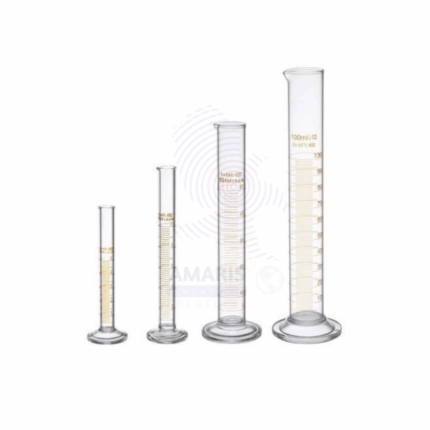
measuring cylinder glass
The Measuring Cylinder Glass is a fundamental laboratory apparatus specifically engineered for the precise measurement of liquid volumes. Constructed from high-quality, chemically resistant borosilicate glass, it ensures durability, resistance to chemical corrosion, and clarity for optimal visibility of liquid levels. The cylindrical shape provides a stable base and ergonomic design for ease of handling and pouring. Graduated volume markings, typically etched or printed with high contrast, allow accurate reading of liquid quantities down to the milliliter, supporting quantitative experiments and solution preparations. The transparent nature of the glass facilitates observation of the meniscus, which is critical for accuracy in volume measurement. Measuring cylinders vary in size, commonly ranging from small (10 mL) to large capacities (1000 mL or more), meeting diverse laboratory needs. They are widely used across chemical, biological, medical, educational, and industrial laboratories for tasks including volumetric analysis, solution preparation, and quality control. Their ability to withstand thermal fluctuations and autoclaving processes also makes them suitable for sterilized environments. Measuring Cylinder Glass is essential for maintaining precision and reproducibility in experimental and routine laboratory procedures.












