

 Preservatives(food)
 Flavors
 Acidulants
 Sweeteners
 Antioxidants
 Colorants(food)
 Nutraceutical Ingredients (food)
 Nutrient Supplements
 Emulsifiers
 Collectors
 Dust Suppressants
 Explosives and Blasting Agents
 Flocculants and Coagulants
 Frothers
 Leaching Agents
 pH Modifiers
 Precious Metal Extraction Agents
 Antioxidants(plastic)
 Colorants (Pigments, Dyes)
 Fillers and Reinforcements
 Flame Retardants
 Monomers
 Plasticizers
 Polymerization Initiators
 Stabilizers (UV, Heat)
 Antifoaming Agents
 Chelating Agents
 Coagulants and Flocculants
 Corrosion Inhibitors
 Disinfectants and Biocides
 Oxidizing Agents
 pH Adjusters
 Scale Inhibitors( water)
 Antioxidants(cosmetic)
 Emollients
 Oils
Oils Carrier Oills
 Essential Oils
 Humectants
 Preservatives
 Surfactants(cosmetic)
 Thickeners
 UV Filters
 Fragrance (Cosmetics)
 Fertilizers
 Soil Conditioners
 Plant Growth Regulators
 Animal Feed Additives
 Biostimulants
 Pesticides (Herbicides, Insecticides, Fungicides)
 Active Pharmaceutical Ingredients (APIs)
 Excipients
 Solvents(pharmaceutical)
 Antibiotics
 Antiseptics and Disinfectants
 Vaccine Adjuvants
 Nutraceutical Ingredients (pharmaceutical)
 Analgesics & Antipyretics
 Analytical Reagents
 Solvents(lab)
 Chromatography Chemicals
 Spectroscopy Reagents
 microbiology-and-cell-culture-reagents
 Molecular Biology Reagents
 Biochemical Reagents
 Inorganic and Organic Standards
 Laboratory Safety Chemicals
 Specialty Laboratory Chemicals(Special Laboratory Equipment)
 Demulsifiers
 Hydraulic Fracturing Fluids
 Scale Inhibitors(oil)
 Surfactants(oil)
 Drilling Fluids
 Dyes and Pigments
 Bleaching Agents
 Softening Agents
 Finishing Agents
 Antistatic Agents
 Admixtures
 Waterproofing Agents
 Sealants and Adhesives
 Curing Compounds
 Concrete Repair Chemicals
 Anti-Corrosion Coatings
 Surfactants(cleaning)
 Builders
 Enzymes
 Solvents (Cleaning)
 Electronic Chemicals
 Catalysts
 Lubricants
 Photographic Chemicals
 Refrigerants
 Automotive chemicals
 Pyrotechnic Chemicals
 Biodegradable Surfactants
 Bio-based Solvents
 Renewable Polymers
 Carbon Capture Chemicals
 Wastewater Treatment Chemicals
 Pigments
 Solvents(paint)
 Specialty Coatings
 Binders/Resins
 Additives
 Driers
 Anti-Corrosion Agents
 Functional Coatings
 Application-Specific Coatings
 Leavening Agents
 Dough Conditioners
 Flour Treatments
 Fat Replacers
 Decoratives
 Preservatives(baking)
 Plasticizers & Softeners
 Reinforcing Agents
 Adhesion Promoters
 Vulcanizing Agents
 Antidegradants
 Blowing Agents
 Fillers & Extenders
 Accelerators & Retarders



Fructose Extra Pure
Original price was: $ 18.00.$ 17.83Current price is: $ 17.83.
Fructose Extra Pure is a high-purity, naturally occurring monosaccharide renowned for its intense sweetness and excellent solubility. Widely used in laboratory research, food analysis, and pharmaceutical formulations, it serves as a key carbohydrate reference and energy source in various biochemical applications. Its high reactivity and compatibility with a range of analytical techniques make it ideal for testing and formulation development in nutritional science, fermentation processes, and metabolic studies. The extra pure grade ensures minimal interference from impurities, making it suitable for precision-sensitive environments.
Fructose Extra Pure
Primary Uses
- Biochemical research:
Used as a substrate in metabolic and enzymatic studies, especially in glycolysis and carbohydrate metabolism. - Cell culture and microbiology:
Serves as a carbon source in microbial growth media for cultivating bacteria, fungi, or yeast strains.
Secondary Uses
- Analytical chemistry and standards preparation:
Used to prepare calibration standards or controls in sugar analysis via chromatography or spectrophotometry. - Osmotic agent in plant physiology studies:
Applied to create osmotic stress or control water potential in plant cell or tissue culture experiments. - Food and pharmaceutical simulation studies:
Utilized in simulation of natural matrices for testing preservatives, stability, or degradation of formulations.
1. Basic Identification Attributes
- Chemical Name: Fructose
- Other Names: Fruit sugar, D-fructose, Levulose
- Chemical Formula: C₆H₁₂O₆
- CAS Number: 57-48-7
- Molecular Weight: 180.16 g/mol
- Grade: Extra Pure (Laboratory Reagent Grade)
- Appearance: White crystalline powder
- Odor: Odorless
- Taste: Intensely sweet
2. Physical & Chemical Properties
- Melting Point: ~103–105 °C (decomposes)
- Solubility: Soluble in water, sparingly soluble in alcohol
- Optical Activity: Levorotatory
- Stability: Stable under normal lab conditions
- Hygroscopic: Yes (absorbs moisture from air)
- pH (1% solution): ~5.5–7
3. Safety & Hazard Attributes
- Hazard Classification: Not hazardous under normal lab use
- GHS Symbols: None required
- Hazard Statements:
- Generally considered safe (GRAS)
- May cause mild irritation to eyes or respiratory tract in large quantities
- PPE Requirements:
- Standard lab coat and gloves
- Safety glasses if airborne dust is present
- Dust mask for handling large volumes or powders
- First Aid Measures:
- Inhalation: Move to fresh air; seek medical advice if irritation persists
- Skin Contact: Wash with water
- Eye Contact: Rinse thoroughly with water
- Ingestion: Non-toxic; rinse mouth if large amounts ingested
4. Storage & Handling Attributes
- Storage Conditions:
- Store in a tightly closed container in a cool, dry place
- Protect from moisture and direct sunlight
- Hygroscopic: Use desiccator if possible
- Handling Notes:
- Avoid generation of dust
- Wash hands after handling
- Keep away from strong oxidizers
5. Regulatory & Compliance Attributes
- Food Grade Status: Often overlaps with food grade for non-lab uses
- Regulatory Notes:
- Listed in pharmacopeias and food safety databases
- GRAS (Generally Recognized As Safe) by FDA
- Not classified as hazardous under GHS
6. Laboratory Applications
- Primary Uses:
- Reagent in carbohydrate and sugar-related studies
- Control in sugar fermentation and metabolism experiments
- Used in biochemical and enzymatic assays
- Nutrient/carbon source in microbiological media
- Secondary Uses:
- Sweetener in food and beverage R&D
- Pharmaceutical excipient or formulation aid
- Model compound for studies on glycation, browning, or antioxidant tests
SAFETY PRECAUTIONS
Personal Protective Equipment (PPE):
- Wear lab coat, nitrile gloves, and safety goggles.
- Use a dust mask if handling powder in bulk to avoid inhalation.
Handling:
- Avoid generating or inhaling dust.
- Prevent contact with eyes and skin.
- Wash thoroughly after handling.
- Use only with adequate ventilation.
Storage:
- Store in a cool, dry, well-ventilated area.
- Keep container tightly closed.
- Protect from moisture and direct sunlight.
- Store away from strong oxidizers.
FIRST AID MEASURES
Inhalation:
- Move person to fresh air.
- Seek medical attention if symptoms such as coughing or difficulty breathing occur.
Skin Contact:
- Wash affected area with soap and water.
- Remove contaminated clothing.
- Seek medical advice if irritation develops.
Eye Contact:
- Rinse cautiously with water for several minutes.
- Remove contact lenses if present and easy to do.
- Continue rinsing and seek medical attention if irritation persists.
Ingestion:
- Rinse mouth with water.
- Not expected to be hazardous in small quantities, but seek medical advice if symptoms occur.
FIRE FIGHTING MEASURES
Flammability:
- Not classified as flammable, but fine dust can pose a combustible dust hazard.
- May form explosive dust-air mixtures in confined spaces.
Extinguishing Media:
- Use water spray, dry chemical, CO₂, or foam.
- Avoid using a strong water jet that may spread dust.
Hazardous Combustion Products:
- May produce carbon monoxide (CO) and carbon dioxide (CO₂) when burned.
Firefighter Protection:
- Use self-contained breathing apparatus (SCBA) and full protective gear.
- Avoid inhalation of smoke and combustion byproducts.
Related products
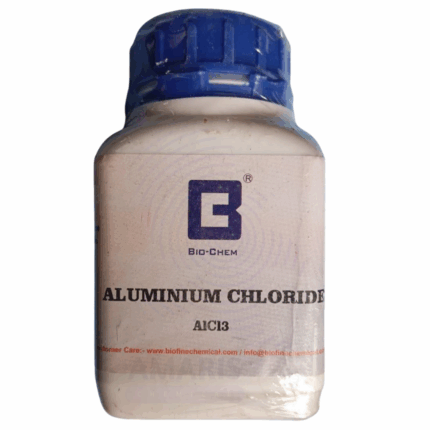
Aluminium Chloride Anhydrous Extra Pure
Aluminium Chloride Anhydrous Extra Pure is a high-purity, white to yellowish crystalline compound that is highly hygroscopic and fuming in moist air. It is extensively used in laboratory chemistry as a powerful Lewis acid catalyst, particularly in Friedel-Crafts alkylation and acylation reactions, as well as in the synthesis of organometallic compounds. Its anhydrous form ensures optimal reactivity and effectiveness in moisture-sensitive processes, including polymerization and halogenation studies. Due to its corrosive nature and tendency to react violently with water, it must be handled in a dry, controlled environment using proper safety measures. This extra pure grade is ideal for high-precision analytical and preparative procedures in organic and inorganic chemistry research.
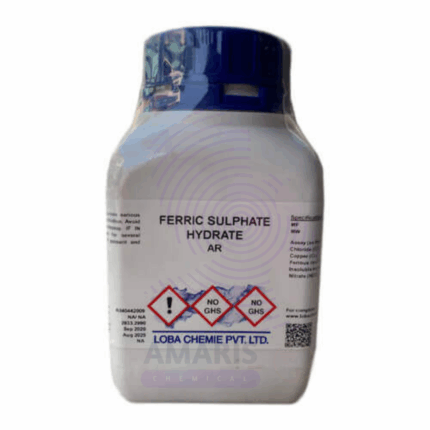
Aluminium Ferric Sulphate Extra Pure
Aluminium Ferric Sulphate Extra Pure is a high-purity, yellowish to light brown crystalline solid composed of aluminum, iron, and sulfate ions, commonly used in laboratory settings for analytical, coordination, and inorganic chemistry research. Its dual-metal composition makes it valuable for studying metal ion interactions, flocculation processes, and as a reagent in qualitative analysis of phosphates and tannins. The compound also finds application in preparing standard solutions and in experiments related to coagulation and sedimentation. Its extra pure grade ensures consistent performance with minimal contamination, making it ideal for precise, controlled experimentation. It should be stored in tightly sealed containers in a dry, cool environment to maintain stability and prevent moisture uptake.
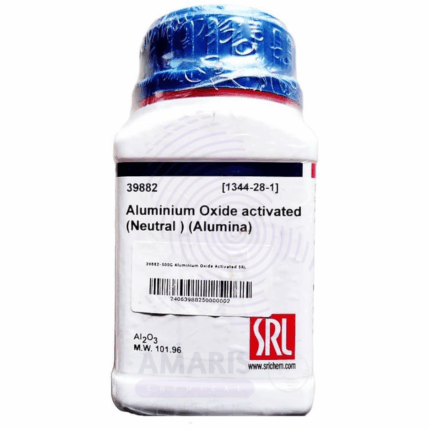
Aluminium Oxide Active Neutral Extra Pure
Aluminium Oxide Active Neutral Extra Pure is a high-purity, fine white powder known for its high surface area and neutral pH, making it ideal for chromatography, adsorption, and catalyst support in laboratory research. Its active form ensures excellent capacity for separating and purifying organic compounds without altering their chemical structure, especially in column chromatography applications. Commonly used in analytical, organic synthesis, and material science laboratories, it provides consistent performance in adsorption studies, drying of solvents, and reaction monitoring. The extra pure grade ensures extremely low levels of impurities, suitable for high-precision experimental work. To maintain its activity, it should be stored in airtight containers away from moisture and reactive chemicals.
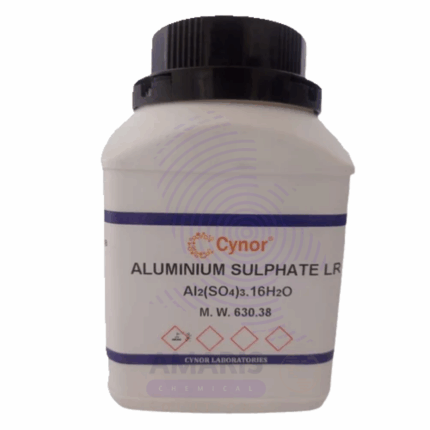
Aluminium Sulphate Anhydrous Extra Pure
Aluminium Sulphate Anhydrous Extra Pure is a high-purity, white crystalline or powdery solid commonly used in laboratory chemistry as a source of aluminum ions for precipitation, titration, and coordination studies. Its anhydrous form provides a concentrated and stable option for applications requiring precise control over water content, such as analytical reagent preparation, pH adjustment, and synthesis of other aluminum salts. This compound is also used in paper sizing experiments, dye fixation, and water treatment research. The extra pure grade ensures very low levels of contaminants, supporting accurate and reproducible results in sensitive experimental work. It should be stored in airtight containers in a dry area to prevent moisture absorption and preserve its chemical integrity.
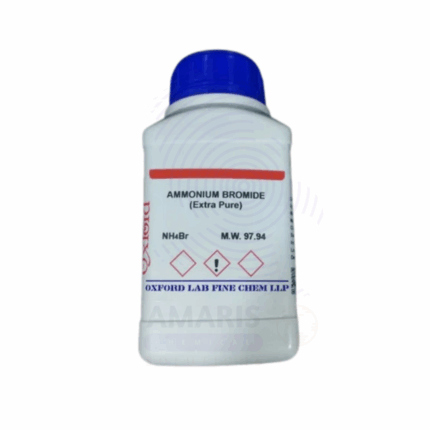
Ammonium Bromide Extra Pure
Ammonium Bromide Extra Pure is a high-purity, white crystalline powder highly soluble in water, widely used in laboratory settings for analytical, photographic, and synthetic applications. It serves as a reliable source of bromide ions in chemical reactions and is commonly used in preparing photographic emulsions, corrosion inhibitors, and certain pharmaceuticals. In analytical chemistry, it is employed in qualitative and quantitative analysis involving halide ion detection. The extra pure grade ensures minimal contamination, making it ideal for sensitive research and high-precision work. To preserve its stability and prevent moisture uptake, it should be stored in well-sealed containers in a cool, dry environment.
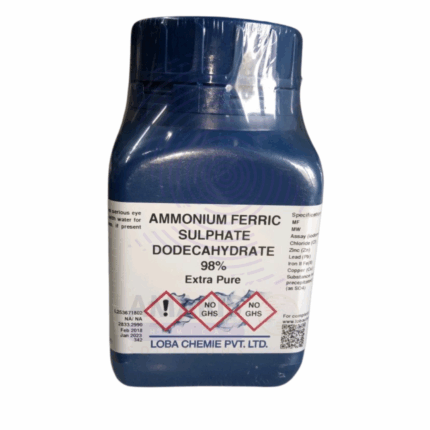
Ammonium Ferric Sulphate Extra Pure
Ammonium Ferric Sulphate Extra Pure, also known as ferric ammonium sulfate or iron alum, is a high-purity, violet to light purple crystalline compound used extensively in laboratory settings for analytical and inorganic chemistry. It serves as a reliable oxidizing agent and a standard in redox titrations, particularly in permanganometry. Its stable and non-hygroscopic nature makes it ideal for preparing standard iron solutions, studying coordination complexes, and teaching laboratory procedures involving iron(III) salts. The extra pure grade ensures minimal interference from impurities, enabling accurate and reproducible results in sensitive experiments. It should be stored in a dry, cool environment in well-sealed containers to preserve its chemical integrity.
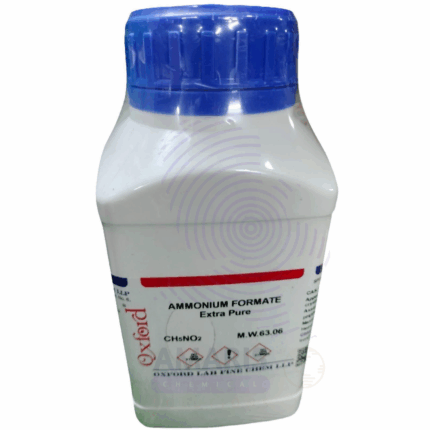
Ammonium Formate Extra Pure
Ammonium Formate Extra Pure is a high-purity, white crystalline compound commonly used in laboratory chemistry as a buffering agent, reducing agent, and reagent in organic synthesis. It plays a significant role in catalytic hydrogenation reactions, particularly in transfer hydrogenation using palladium or platinum catalysts. In analytical chemistry, it is frequently used in HPLC and mass spectrometry applications due to its volatility and compatibility with aqueous and organic mobile phases. The extra pure grade ensures extremely low levels of impurities, making it suitable for high-precision and instrument-sensitive applications. It should be stored in a cool, dry, and tightly sealed container to preserve its stability and prevent moisture uptake.
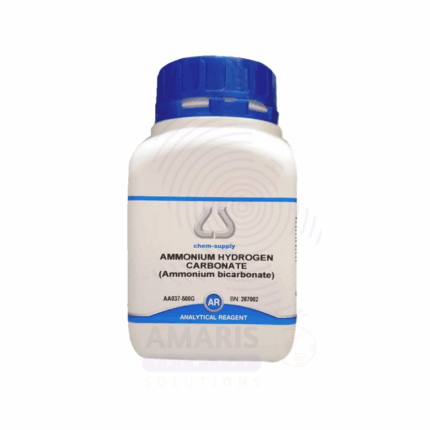
Ammonium Hydrogen Carbonate Extra Pure
Ammonium Hydrogen Carbonate Extra Pure, also known as ammonium bicarbonate, is a high-purity, white crystalline powder widely used in laboratory settings as a buffering agent, leavening agent, and source of ammonia and carbon dioxide in thermal decomposition studies. It is particularly useful in analytical chemistry for preparing buffer solutions and in gas evolution experiments due to its ability to decompose readily upon heating. In protein and enzyme work, it serves as a volatile buffer compatible with mass spectrometry. The extra pure grade ensures minimal contamination, supporting accurate and reproducible results in sensitive applications. It should be stored in tightly sealed containers in a cool, dry environment to prevent premature decomposition and loss of efficacy.












