

 Preservatives(food)
 Flavor Enhancers
 Acidulants
 Sweeteners
 Antioxidants
 Colorants(food)
 Nutraceutical Ingredients (food)
 Nutrient Supplements
 Emulsifiers
 Collectors
 Dust Suppressants
 Explosives and Blasting Agents
 Flocculants and Coagulants
 Frothers
 Leaching Agents
 pH Modifiers
 Precious Metal Extraction Agents
 Antioxidants(plastic)
 Colorants (Pigments, Dyes)
 Fillers and Reinforcements
 Flame Retardants
 Monomers
 Plasticizers
 Polymerization Initiators
 Stabilizers (UV, Heat)
 Antifoaming Agents
 Chelating Agents
 Coagulants and Flocculants
 Corrosion Inhibitors
 Disinfectants and Biocides
 Oxidizing Agents
 pH Adjusters
 Scale Inhibitors( water)
 Antioxidants(cosmetic)
 Emollients
 Fragrances and Essential Oils
 Humectants
 Preservatives
 Surfactants(cosmetic)
 Thickeners
 UV Filters
 Fertilizers
 Soil Conditioners
 Plant Growth Regulators
 Animal Feed Additives
 Biostimulants
 Pesticides (Herbicides, Insecticides, Fungicides)
 Active Pharmaceutical Ingredients (APIs)
 Excipients
 Solvents(pharmaceutical)
 Antibiotics
 Antiseptics and Disinfectants
 Vaccine Adjuvants
 Nutraceutical Ingredients (pharmaceutical)
 Analgesics & Antipyretics
 Analytical Reagents
 Solvents(lab)
 Chromatography Chemicals
 Spectroscopy Reagents
 microbiology-and-cell-culture-reagents
 Molecular Biology Reagents
 Biochemical Reagents
 Inorganic and Organic Standards
 Laboratory Safety Chemicals
 Specialty Laboratory Chemicals(Special Laboratory Equipment)
 Demulsifiers
 Hydraulic Fracturing Fluids
 Scale Inhibitors(oil)
 Surfactants(oil)
 Drilling Fluids
 Dyes and Pigments
 Bleaching Agents
 Softening Agents
 Finishing Agents
 Antistatic Agents
 Admixtures
 Waterproofing Agents
 Sealants and Adhesives
 Curing Compounds
 Concrete Repair Chemicals
 Anti-Corrosion Coatings
 Surfactants(cleaning)
 Builders
 Enzymes
 Solvents (Cleaning)
 Fragrances
 Electronic Chemicals
 Catalysts
 Lubricants
 Photographic Chemicals
 Refrigerants
 Automotive chemicals
 Pyrotechnic Chemicals
 Biodegradable Surfactants
 Bio-based Solvents
 Renewable Polymers
 Carbon Capture Chemicals
 Wastewater Treatment Chemicals
 Pigments
 Solvents(paint)
 Specialty Coatings
 Binders/Resins
 Additives
 Driers
 Anti-Corrosion Agents
 Functional Coatings
 Application-Specific Coatings
 Leavening Agents
 Dough Conditioners
 Flour Treatments
 Fat Replacers
 Decoratives
 Preservatives(baking)
 Plasticizers & Softeners
 Reinforcing Agents
 Adhesion Promoters
 Vulcanizing Agents
 Antidegradants
 Blowing Agents
 Fillers & Extenders
 Accelerators & Retarders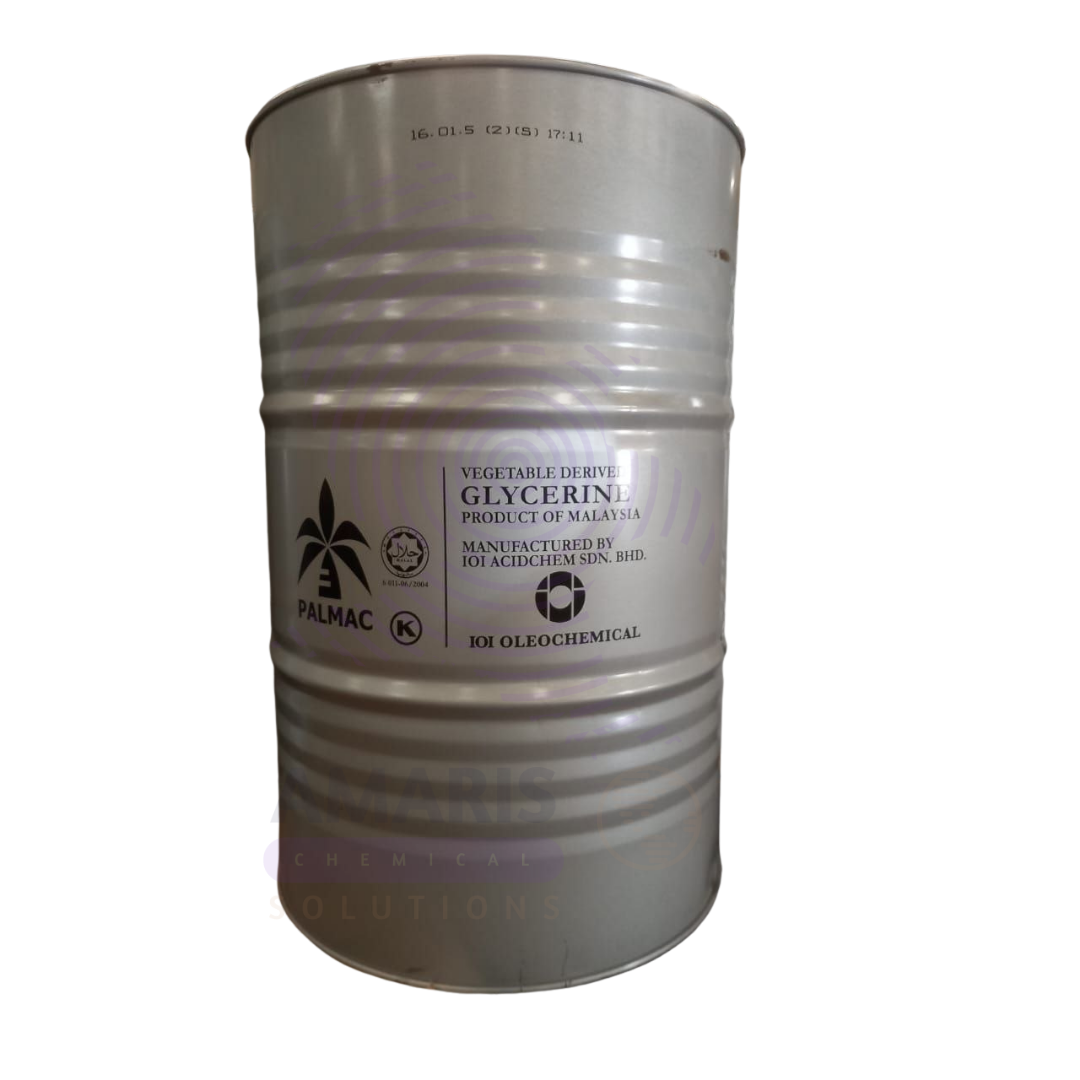





Glycerin
$ 1.20
Glycerin, also known as glycerol, is a colorless, odorless, viscous liquid with a sweet taste and hygroscopic properties. It is a trihydroxy alcohol (triol) used extensively across food, pharmaceutical, cosmetic, and industrial applications. Food-grade glycerin is produced through hydrolysis, saponification, or transesterification of fats and oils, ensuring compliance with stringent purity standards. It is supplied in bulk (e.g., 250kg drums) for large-scale applications where non-toxic, biodegradable humectants or solvents are required. Glycerin is widely appreciated for its moisture-retaining ability, solubility, lubricity, and stabilizing properties.
Glycerin
Primary Uses
- Food Industry
- Humectant in baked goods, candies, icings, and nutrition bars to retain moisture and softness.
- Solvent and carrier for flavors, colors, and preservatives.
- Sweetener substitute in sugar-free and low-carb foods due to its mild sweetness (~60–70% as sweet as sucrose).
- Cryoprotectant for frozen desserts and food preservation.
- Thickening agent in sauces, beverages, and syrups.
- Emulsifier and plasticizer in food coatings and films.
- Preservative in herbal tinctures, extracts, and glycerites.
- Pharmaceutical & Nutraceutical Industry
- Excipient in oral, topical, and injectable formulations.
- Base for cough syrups, lozenges, and elixirs.
- Laxative agent (especially in suppositories and enemas) due to its osmotic action.
- Soft gelatin capsule filling for vitamins and supplements.
- Topical base for creams, gels, and ointments due to its skin-hydrating properties.
- Used in tinctures, herbal extracts, and liquid dietary supplements.
- Cosmetics & Personal Care
- Moisturizer and humectant in skin creams, lotions, shampoos, and conditioners.
- Hydration enhancer for lip balms, face masks, and serums.
- Soothing agent in aftershaves, shaving creams, and soaps.
- Clear base for hand sanitizers, body mists, and toners.
- Enhances spreadability and texture of formulations.
- Tobacco Industry
- Humectant and plasticizer in cigarettes and smokeless tobacco to maintain product moisture and flavor.
- Used in e-liquid formulations for vaping (with PG or on its own) to produce vapor and carry flavor.
- Chemical & Industrial Applications
- Plasticizer in biodegradable plastics, glues, and resins.
- Antifreeze component in food-safe or pharmaceutical-grade systems.
- Lubricant and softener in textile, paper, and leather processing.
- Intermediate in chemical synthesis of epichlorohydrin, nitroglycerin, and polyols.
- Humectant in printing inks and adhesives.
Secondary Uses
- Veterinary & Animal Nutrition
- Energy source and additive in livestock feed formulations.
- Used in oral medications and topical treatments for pets and livestock.
- Agriculture
- Soil conditioning agent to retain moisture in drought-prone areas.
- Biocompatible carrier for pesticides, herbicides, and foliar sprays.
- Laboratory & Biotech
- Cryoprotectant for cells and biological samples in low-temperature storage.
- Used in gel electrophoresis as a density medium.
- Paints and Coatings
- Acts as a plasticizer and flow enhancer in water-based paints and coatings.
- Improves gloss, flexibility, and drying time.
| PACK SIZE | 250kg |
|---|
1. Basic Identification Attributes
- Chemical Name (IUPAC): Propane-1,2,3-triol
- Common/Trade Name: Glycerin / Glycerol
- CAS Number: 56-81-5
- HS Code: 2905.45.00
- Molecular Formula: C₃H₈O₃
- Molecular Weight: 92.09 g/mol
- Synonyms:
- Glycerol
- 1,2,3-Propanetriol
- Trihydroxypropane
- Glycerin anhydrous
- Glycerin USP
2. Physical & Chemical Properties
- Physical State: Viscous liquid
- Color & Odor: Colorless, odorless, with a sweet taste
- Purity: ≥ 99.5% (food grade/USP grade)
- Boiling Point: 290 °C
- Melting Point: 18 °C
- Density: ~1.26 g/cm³ at 20 °C
- Solubility: Miscible with water and alcohol; slightly soluble in acetone
- pH: ~7 (neutral)
- Refractive Index: ~1.473
3. Safety & Hazard Attributes
- GHS Classification:
- Not classified as hazardous under normal conditions
- NFPA Ratings:
- Health: 0
- Flammability: 1
- Reactivity: 0
- Toxicity: Low oral toxicity; safe for ingestion in approved applications
- Irritation: May cause mild skin or eye irritation on prolonged exposure
4. Storage & Handling Attributes
- Container Type: 250 kg food-grade HDPE drums or stainless steel totes
- Storage Conditions:
- Store in cool, dry, well-ventilated area
- Protect from moisture ingress and contamination
- Shelf Life: Up to 2 years under recommended storage
- Handling Notes:
- Hygroscopic—keep container tightly closed
- Clean spills promptly to prevent slipping hazard
5. Regulatory & Compliance Attributes
- Food Grade Compliance:
- FCC, USP, and E422 (EU food additive code)
- FDA Approved: For direct food use and pharmaceutical excipient use
- Kosher/Halal Certifications: Common for food-grade products
- REACH Registered: Yes
- RoHS Compliant: Yes
- GMO-Free, Allergen-Free: Available upon supplier specification
6. Environmental & Health Impact
- Biodegradability: Readily biodegradable
- Ecotoxicity: Low risk to aquatic environments
- Bioaccumulation: Not expected
- Carcinogenicity/Mutagenicity: Not classified; no evidence of genotoxicity
- Sustainability: Often derived from renewable sources (e.g., vegetable oils, biodiesel byproduct)
Safety Handling Precautions
PPE Required:
- Gloves (latex/nitrile)
- Safety glasses or goggles
- Apron (for bulk handling)
Handling Guidelines:
- Avoid spills—product is slippery
- Use clean tools and containers to prevent contamination
- Avoid direct contact with eyes and prolonged skin contact
Hygiene Practices:
- Wash hands after handling
- Avoid eating or drinking while using product
First Aid Measures
- Inhalation: Non-toxic, but move to fresh air if vapor inhalation causes discomfort
- Skin Contact: Wash with soap and water if irritation occurs
- Eye Contact: Rinse thoroughly with water for 15 minutes
- Ingestion: Safe in small quantities; if large amounts are ingested, seek medical advice
Firefighting Measures
- Fire Hazards: Slightly combustible; may support combustion at high temperatures
- Flash Point: ~160 °C (closed cup)
- Extinguishing Media: Water spray, CO₂, dry chemical, foam
- Special Precautions:
- Wear full protective equipment
- Avoid inhalation of heated vapors
Related products

Ammonium Lactate
Ammonium Lactate is the ammonium salt of lactic acid, appearing as a clear, hygroscopic liquid or syrupy solution. It is widely used in pharmaceutical, cosmetic, and food industries primarily for its moisturizing, pH adjusting, and antimicrobial properties. In topical formulations, it acts as a keratolytic agent to help exfoliate and hydrate skin, making it popular in treatments for dry, scaly, or ichthyotic skin conditions. Its biocompatibility and mild acidic nature make it a versatile ingredient in various industrial and personal care products.
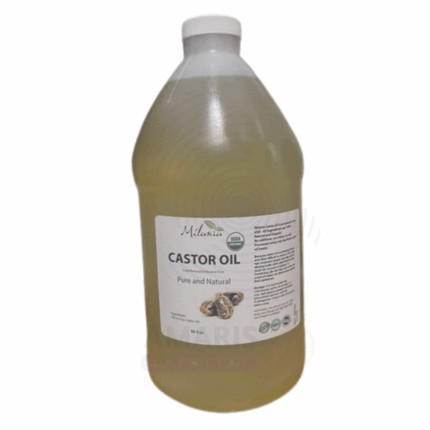
Castor Oil Food Grade
Castor Oil Food Grade is a pale yellow, viscous vegetable oil derived by cold pressing the seeds of the Ricinus communis plant. Known for its high content of ricinoleic acid, it has a mild flavor and is widely used in the food, pharmaceutical, and nutraceutical industries. As a food-grade oil, it is purified to meet strict quality and safety standards. It serves both as a laxative agent and a food additive, often used in flavor carriers, coatings, and processing aids. The oil’s high stability and low moisture content also make it suitable for specialty industrial applications in food-safe environments.
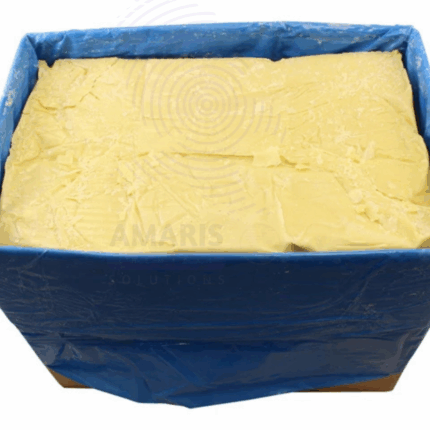
Cocoa Butter
Cocoa Butter, also known as Theobroma oil, is a pale-yellow, edible fat extracted from cocoa beans, primarily from Theobroma cacao. It has a smooth, creamy texture and a mild, characteristic chocolate aroma. Cocoa Butter is solid at room temperature but melts near body temperature, which gives it a luxurious feel when applied to skin or consumed. It is highly valued for its emollient, moisturizing, and protective properties. Cocoa Butter is widely used in cosmetics, pharmaceuticals, food, and confectionery industries. Its stable composition rich in fatty acids such as stearic, palmitic, and oleic acids imparts excellent oxidative stability and a long shelf life.

Corn Starch Food Grade
Corn Starch Food Grade is a fine, white, powdery carbohydrate extracted from the endosperm of corn kernels (Zea mays). It is a natural, tasteless, and odorless polysaccharide composed primarily of amylose and amylopectin. Corn starch is widely used as a thickening, stabilizing, and binding agent in food products due to its excellent gelatinization properties. It serves as a gluten-free alternative to wheat flour in many culinary and industrial applications. Corn starch is valued for its versatility, digestibility, and neutral flavor profile, making it a staple ingredient in both home cooking and commercial food production.
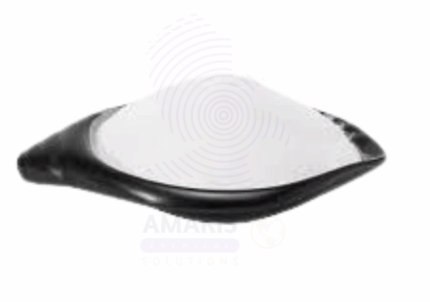
Fish Collagen
Fish Collagen is a natural protein derived from the skin, scales, and bones of various fish species through enzymatic hydrolysis or acid extraction. It is predominantly Type I collagen, known for its excellent bioavailability and biocompatibility. Fish Collagen typically appears as a fine white to off-white powder with low odor and high solubility in water and acidic solutions. It is widely prized in cosmetics, nutraceuticals, pharmaceuticals, and food industries due to its superior absorption compared to mammalian collagen, making it highly effective in skin, joint, and bone health applications. Fish Collagen supports the body’s extracellular matrix, promoting skin elasticity, hydration, and tissue repair.

Flax
Flax (Linum usitatissimum) is an ancient crop cultivated primarily for its seeds and fibers. The flax seeds are small, flat, and oval, ranging from golden yellow to brown in color, and are rich in nutrients including omega-3 fatty acids (alpha-linolenic acid), lignans, dietary fiber, proteins, and vitamins. Flax fibers are derived from the stem and used in textile and industrial applications. Flaxseed oil, extracted from the seeds, is highly valued for its nutritional and therapeutic properties. Flax is utilized across food, nutraceutical, cosmetic, pharmaceutical, and industrial sectors due to its multifunctional health benefits, fiber content, and sustainable nature.
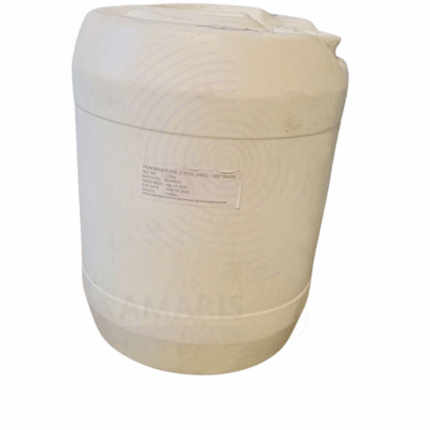
MonoPropylene Glycol
MonoPropylene Glycol (MPG) is a clear, colorless, odorless, and slightly viscous liquid commonly used as a solvent, humectant, and antifreeze agent. It exhibits excellent moisture retention, low volatility, and high boiling point, making it suitable for a wide range of industrial, food, pharmaceutical, and cosmetic applications. MPG is valued for its low toxicity and biodegradability.
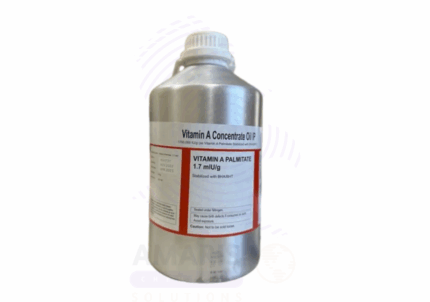
Vitamin A Palmitate
Vitamin A Palmitate is a highly concentrated, stable ester form of vitamin A used extensively in pharmaceuticals, nutraceuticals, cosmetics, and food fortification. This fat-soluble vitamin supports vision, immune function, skin health, and cellular growth. The palmitate ester enhances stability and shelf life, making it ideal for incorporation into powders, capsules, and topical formulations requiring precise dosing.












