

 Preservatives(food)
 Flavors
 Acidulants
 Sweeteners
 Antioxidants
 Colorants(food)
 Nutraceutical Ingredients (food)
 Nutrient Supplements
 Emulsifiers
 Collectors
 Dust Suppressants
 Explosives and Blasting Agents
 Flocculants and Coagulants
 Frothers
 Leaching Agents
 pH Modifiers
 Precious Metal Extraction Agents
 Antioxidants(plastic)
 Colorants (Pigments, Dyes)
 Fillers and Reinforcements
 Flame Retardants
 Monomers
 Plasticizers
 Polymerization Initiators
 Stabilizers (UV, Heat)
 Antifoaming Agents
 Chelating Agents
 Coagulants and Flocculants
 Corrosion Inhibitors
 Disinfectants and Biocides
 Oxidizing Agents
 pH Adjusters
 Scale Inhibitors( water)
 Antioxidants(cosmetic)
 Emollients
 Oils
Oils Carrier Oills
 Essential Oils
 Humectants
 Preservatives
 Surfactants(cosmetic)
 Thickeners
 UV Filters
 Fragrance (Cosmetics)
 Fertilizers
 Soil Conditioners
 Plant Growth Regulators
 Animal Feed Additives
 Biostimulants
 Pesticides (Herbicides, Insecticides, Fungicides)
 Active Pharmaceutical Ingredients (APIs)
 Excipients
 Solvents(pharmaceutical)
 Antibiotics
 Antiseptics and Disinfectants
 Vaccine Adjuvants
 Nutraceutical Ingredients (pharmaceutical)
 Analgesics & Antipyretics
 Analytical Reagents
 Solvents(lab)
 Chromatography Chemicals
 Spectroscopy Reagents
 microbiology-and-cell-culture-reagents
 Molecular Biology Reagents
 Biochemical Reagents
 Inorganic and Organic Standards
 Laboratory Safety Chemicals
 Specialty Laboratory Chemicals(Special Laboratory Equipment)
 Demulsifiers
 Hydraulic Fracturing Fluids
 Scale Inhibitors(oil)
 Surfactants(oil)
 Drilling Fluids
 Dyes and Pigments
 Bleaching Agents
 Softening Agents
 Finishing Agents
 Antistatic Agents
 Admixtures
 Waterproofing Agents
 Sealants and Adhesives
 Curing Compounds
 Concrete Repair Chemicals
 Anti-Corrosion Coatings
 Surfactants(cleaning)
 Builders
 Enzymes
 Solvents (Cleaning)
 Electronic Chemicals
 Catalysts
 Lubricants
 Photographic Chemicals
 Refrigerants
 Automotive chemicals
 Pyrotechnic Chemicals
 Biodegradable Surfactants
 Bio-based Solvents
 Renewable Polymers
 Carbon Capture Chemicals
 Wastewater Treatment Chemicals
 Pigments
 Solvents(paint)
 Specialty Coatings
 Binders/Resins
 Additives
 Driers
 Anti-Corrosion Agents
 Functional Coatings
 Application-Specific Coatings
 Leavening Agents
 Dough Conditioners
 Flour Treatments
 Fat Replacers
 Decoratives
 Preservatives(baking)
 Plasticizers & Softeners
 Reinforcing Agents
 Adhesion Promoters
 Vulcanizing Agents
 Antidegradants
 Blowing Agents
 Fillers & Extenders
 Accelerators & Retarders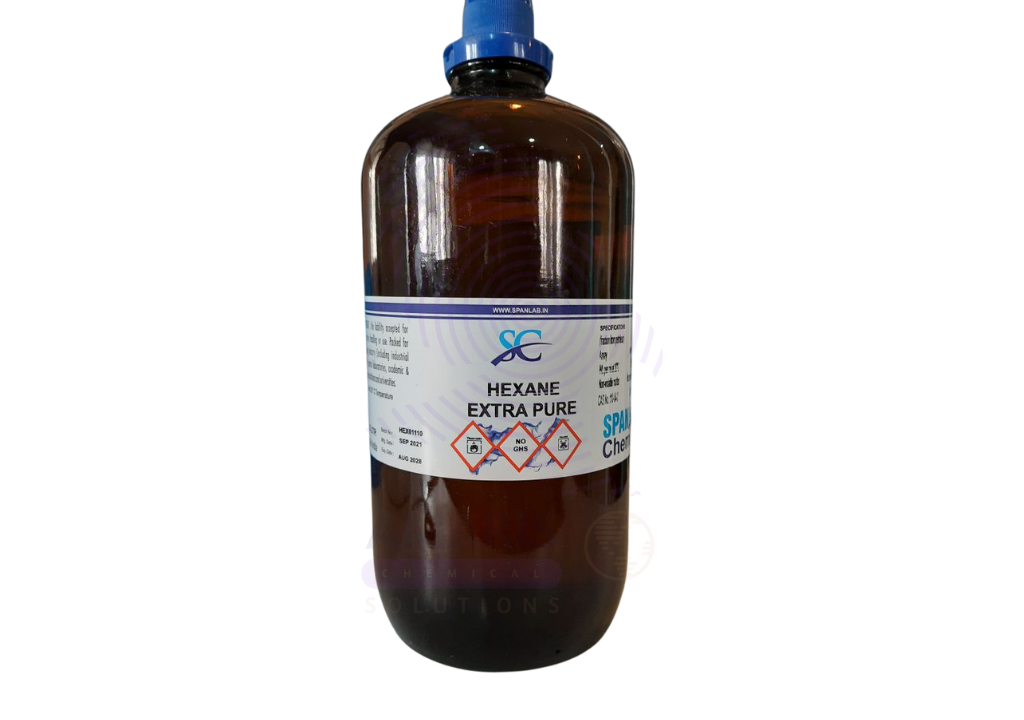




Hexane Extra Pure
Original price was: $ 30.00.$ 29.87Current price is: $ 29.87.
Hexane Extra Pure is a high-purity, colorless liquid hydrocarbon known for its low boiling point and excellent solvency properties. It is extensively used in laboratories as a non-polar solvent for extractions, chromatography, and purification processes. Due to its volatility and ability to dissolve oils and fats, hexane is also employed in the preparation of samples for analysis, especially in organic chemistry and analytical laboratories. Its extra pure grade ensures minimal impurities, making it suitable for critical applications in pharmaceutical research, food testing, and industrial quality control.
Hexane Extra Pure
Primary Uses
- Non-polar solvent in organic extractions:
Widely used to extract oils, lipids, and other non-polar compounds from plant or animal materials in biochemical and organic chemistry labs. - Chromatographic solvent:
Commonly employed as the mobile phase in thin-layer chromatography (TLC) and column chromatography for separating non-polar analytes.
Secondary Uses
- Cleaning and degreasing agent in analytical setups:
Utilized to remove oily residues or organic contaminants from laboratory glassware and instruments. - Volatile medium for recrystallization of hydrophobic compounds:
Used in purification protocols where controlled evaporation helps isolate non-polar substances. - Diluent for hydrophobic reagents or standards:
Acts as a carrier or diluting agent for certain laboratory standards in GC (gas chromatography) and preparative work.
1. Basic Identification Attributes
- Chemical Name: Hexane
- Other Names: n-Hexane, Normal Hexane
- Chemical Formula: C₆H₁₄
- CAS Number: 110-54-3
- Molecular Weight: 86.18 g/mol
- Grade: Extra Pure (Laboratory/Reagent Grade)
- Appearance: Colorless liquid
- Odor: Gasoline-like odor
2. Physical & Chemical Properties
- Boiling Point: 68–70 °C
- Melting Point: -95 °C
- Density: 0.66 g/cm³ at 20 °C
- Solubility:
- Insoluble in water
- Soluble in alcohol, ether, acetone
- Vapor Pressure: ~124 mmHg at 25 °C
- Flash Point: -22 °C (closed cup)
- Autoignition Temperature: 234 °C
- Explosive Limits: 1.1% – 7.5% (in air)
3. Safety & Hazard Attributes
- GHS Classification:
⚠️ Flammable Liquid (Category 2)
⚠️ Specific Target Organ Toxicity – Repeated Exposure (Category 2)
⚠️ Aspiration Hazard (Category 1)
⚠️ Acute Toxicity (Category 4 – inhalation) - Hazard Statements:
- H225: Highly flammable liquid and vapor
- H304: May be fatal if swallowed and enters airways
- H336: May cause drowsiness or dizziness
- H373: May cause damage to nervous system through prolonged exposure
- PPE Requirements:
- Flame-resistant lab coat
- Chemical-resistant gloves (e.g., nitrile)
- Safety goggles
- Fume hood use is strongly recommended
- First Aid Measures:
- Inhalation: Move to fresh air immediately; seek medical attention if symptoms persist
- Skin Contact: Wash thoroughly with soap and water
- Eye Contact: Rinse cautiously with water for several minutes
- Ingestion: Do NOT induce vomiting; seek immediate medical attention
4. Storage & Handling Attributes
- Storage Conditions:
- Store in a cool, well-ventilated area away from heat and ignition sources
- Keep container tightly closed
- Use only non-sparking tools
- Ground and bond containers during transfer
- Handling Notes:
- Always handle under a fume hood
- Avoid inhalation of vapors
- Prevent static discharge buildup
5. Regulatory & Compliance Attributes
- DOT/ADR Classification: Flammable Liquid
- IATA Classification: UN 1208, Class 3 (Flammable liquid)
- Labeling Requirements: GHS pictograms for flame and health hazard
- VOC Content: Regulated in many jurisdictions
6. Laboratory Applications
- Primary Uses:
- Non-polar solvent in organic synthesis and extraction
- Sample preparation for chromatography (especially GC)
- Cleaning agent for lab glassware
- Secondary Uses:
- Diluent for oil and grease testing
- Solvent for rubber and polymer processing research
- Carrier solvent in pesticide formulation experiments
SAFETY PRECAUTIONS
Personal Protective Equipment (PPE):
- Wear a lab coat, chemical-resistant nitrile gloves, and protective goggles.
- Use a properly functioning fume hood or respirator to avoid inhalation.
Handling:
- Avoid contact with skin, eyes, and clothing.
- Keep away from heat, sparks, open flames, and hot surfaces.
- Avoid inhaling vapors and ensure good ventilation.
- Ground and bond containers when transferring material.
Storage:
- Store in a cool, dry, and well-ventilated area away from direct sunlight.
- Keep the container tightly closed.
- Store away from oxidizing agents, acids, and ignition sources.
FIRST AID MEASURES
Inhalation:
- Move the person to fresh air immediately.
- If breathing is difficult, provide oxygen and seek medical attention.
- If not breathing, begin artificial respiration.
Skin Contact:
- Remove contaminated clothing.
- Wash affected areas with soap and water.
- Seek medical attention if irritation develops.
Eye Contact:
- Rinse cautiously with water for at least 15 minutes.
- Remove contact lenses if present and easy to do.
- Seek immediate medical attention.
Ingestion:
- Do not induce vomiting.
- Rinse your mouth thoroughly with water.
- Seek immediate medical attention.
FIRE FIGHTING MEASURES
Flammability:
- Highly flammable liquid and vapor.
- Vapors may form explosive mixtures with air.
Extinguishing Media:
- Use dry chemical, alcohol-resistant foam, carbon dioxide (CO₂), or water spray.
- Do not use a direct water jet.
Hazardous Combustion Products:
- May emit carbon monoxide and carbon dioxide upon combustion.
Firefighter Protection:
- Wear full protective gear and a self-contained breathing apparatus (SCBA).
- Cool containers with water spray to prevent pressure build-up and explosion.
Related products
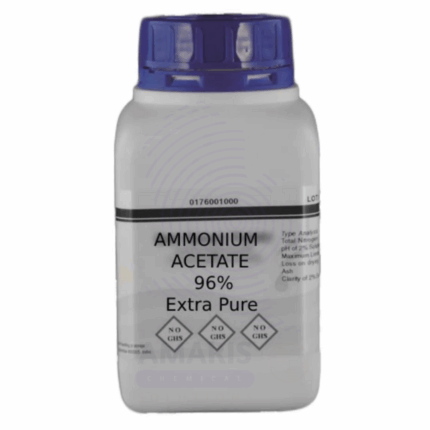
Ammonium Acetate Extra Pure
Ammonium Acetate Extra Pure is a high-purity, white crystalline solid that is highly soluble in water and commonly used as a buffer component in laboratory and analytical chemistry. It is especially valuable in high-performance liquid chromatography (HPLC), mass spectrometry, and biochemical assays where pH control and minimal ionic interference are essential. This compound also serves as a reagent in organic synthesis, particularly in the preparation of acetamides and other nitrogen-containing compounds. Its extra pure grade ensures excellent consistency, low contaminant levels, and compatibility with sensitive instrumentation. To maintain stability and prevent moisture absorption, it should be stored in a tightly sealed container in a cool, dry environment.
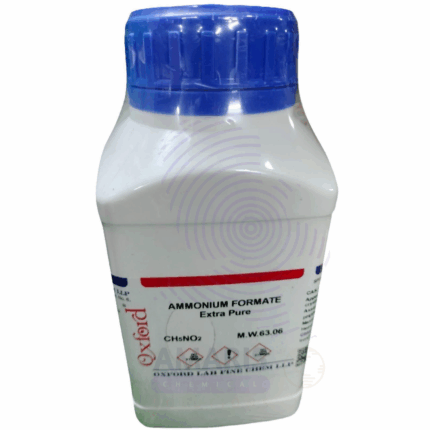
Ammonium Formate Extra Pure
Ammonium Formate Extra Pure is a high-purity, white crystalline compound commonly used in laboratory chemistry as a buffering agent, reducing agent, and reagent in organic synthesis. It plays a significant role in catalytic hydrogenation reactions, particularly in transfer hydrogenation using palladium or platinum catalysts. In analytical chemistry, it is frequently used in HPLC and mass spectrometry applications due to its volatility and compatibility with aqueous and organic mobile phases. The extra pure grade ensures extremely low levels of impurities, making it suitable for high-precision and instrument-sensitive applications. It should be stored in a cool, dry, and tightly sealed container to preserve its stability and prevent moisture uptake.
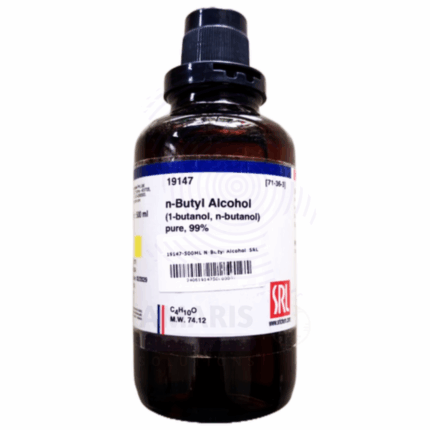
Butanol Extra Pure
Butanol Extra Pure is a high-purity aliphatic alcohol commonly used in laboratory environments as a solvent, reagent, and intermediate in organic synthesis. Its moderate polarity and ability to dissolve a wide range of compounds make it ideal for use in extractions, chromatography, and spectrophotometric analysis. It also serves as a starting material for producing esters, plasticizers, and pharmaceuticals. The 99.4% purity ensures minimal water and impurity content, providing reliable consistency in sensitive procedures. With a relatively low evaporation rate and good miscibility with many organic solvents, it is suitable for both preparative and analytical applications. Proper storage in a cool, ventilated area in tightly sealed containers is essential to preserve its quality and reduce volatility.


Chloroform Extra Pure
Chloroform Extra Pure is a high-purity, colorless, and volatile liquid commonly used in laboratory environments as a solvent, reagent, and extraction medium. Due to its excellent solvency for fats, alkaloids, and other organic compounds, it plays a key role in organic synthesis, chromatography, and sample preparation. In molecular biology, it is frequently used in nucleic acid extraction protocols. The extra pure grade ensures low levels of impurities, making it suitable for analytical and research applications that demand high accuracy. It must be handled with proper ventilation, protective equipment, and stored away from light and heat to prevent decomposition and formation of toxic by-products like phosgene.
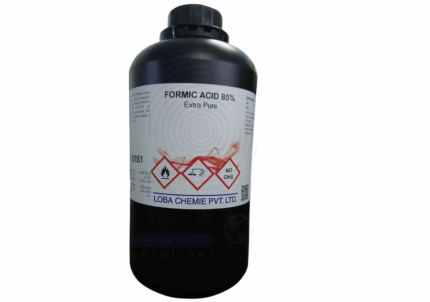
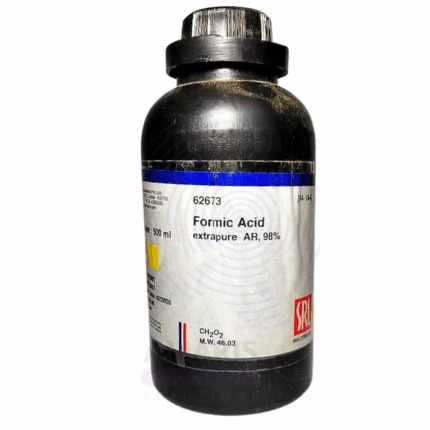
Formic Acid Extra Pure
Formic Acid Extra Pure is a colorless, pungent-smelling liquid with exceptional purity, making it ideal for high-precision laboratory and industrial applications. It is the simplest carboxylic acid and serves as a key reagent in organic synthesis, chromatography, and chemical analysis. Its high acidity and reducing properties make it useful in textile dyeing, leather tanning, electroplating baths, and as a preservative in livestock feed. In the lab, it is also used to adjust pH in sensitive reactions and in protein and peptide analysis. The extra pure grade ensures minimal contamination, which is critical for research-grade and analytical procedures.
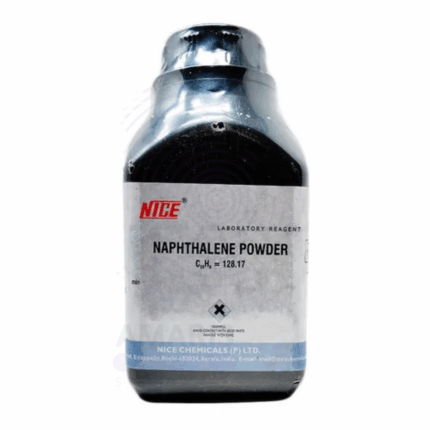
Naphthalene Powder Extra Pure
Naphthalene Powder Extra Pure is a fine, white to pale crystalline powder composed of high-purity naphthalene (C₁₀H₈), valued for its consistent quality and volatile aromatic properties. This form is particularly suitable for laboratory use, where controlled dosing and faster sublimation are required. The powder is widely utilized in organic synthesis, standardization experiments, and melting point calibration, owing to its stable molecular structure and high sublimation rate.
In industrial and technical contexts, naphthalene powder serves as a precursor in dye manufacturing, plasticizer production, and pesticide formulation. It is also used as a fumigant for controlling pests in storage environments, similar to its use in ball form, but with faster release due to the increased surface area. Despite its utility, the powder must be handled with care—used in well-ventilated areas, kept away from ignition sources, and stored in sealed containers—due to its flammability and potential health effects from prolonged inhalation.

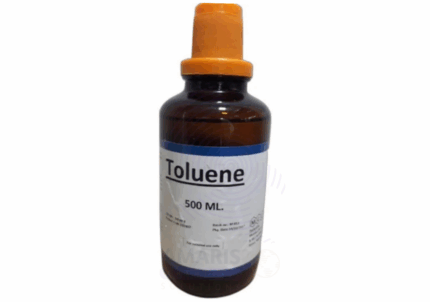
Toluene Extra Pure
Toluene Extra Pure is a volatile, aromatic hydrocarbon widely used in analytical, organic, and industrial laboratory settings. As a high-purity, non-polar solvent, it is essential for reactions involving aromatic compounds, sample preparation, extraction, and cleaning. Toluene’s volatility and solvency make it indispensable in high-precision environments, though its flammability and health hazards require careful handling and strict safety compliance. Its Extra Pure grade ensures minimal impurities for research and sensitive formulation work.
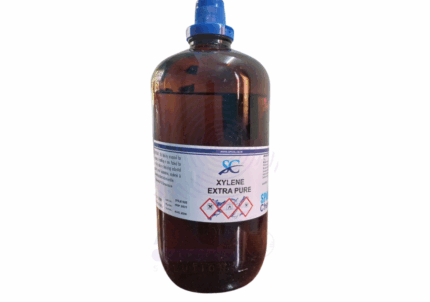
Xylene Extra Pure
Xylene Extra Pure is a high-purity aromatic hydrocarbon solvent, consisting mainly of the three isomers of dimethylbenzene. It is widely used in laboratories as a solvent and clearing agent due to its excellent ability to dissolve a variety of organic compounds. Its purity ensures minimal interference in sensitive analytical and histological procedures. Xylene is essential in sample preparation, chromatographic analysis, and synthesis applications. It requires careful handling due to its flammability and potential health hazards from inhalation and skin contact. Proper storage and protective measures are critical for safe use.












