

 Preservatives(food)
 Flavor Enhancers
 Acidulants
 Sweeteners
 Antioxidants
 Colorants(food)
 Nutraceutical Ingredients (food)
 Nutrient Supplements
 Emulsifiers
 Collectors
 Dust Suppressants
 Explosives and Blasting Agents
 Flocculants and Coagulants
 Frothers
 Leaching Agents
 pH Modifiers
 Precious Metal Extraction Agents
 Antioxidants(plastic)
 Colorants (Pigments, Dyes)
 Fillers and Reinforcements
 Flame Retardants
 Monomers
 Plasticizers
 Polymerization Initiators
 Stabilizers (UV, Heat)
 Antifoaming Agents
 Chelating Agents
 Coagulants and Flocculants
 Corrosion Inhibitors
 Disinfectants and Biocides
 Oxidizing Agents
 pH Adjusters
 Scale Inhibitors( water)
 Antioxidants(cosmetic)
 Emollients
 Fragrances and Essential Oils
 Humectants
 Preservatives
 Surfactants(cosmetic)
 Thickeners
 UV Filters
 Fertilizers
 Soil Conditioners
 Plant Growth Regulators
 Animal Feed Additives
 Biostimulants
 Pesticides (Herbicides, Insecticides, Fungicides)
 Active Pharmaceutical Ingredients (APIs)
 Excipients
 Solvents(pharmaceutical)
 Antibiotics
 Antiseptics and Disinfectants
 Vaccine Adjuvants
 Nutraceutical Ingredients (pharmaceutical)
 Analgesics & Antipyretics
 Analytical Reagents
 Solvents(lab)
 Chromatography Chemicals
 Spectroscopy Reagents
 microbiology-and-cell-culture-reagents
 Molecular Biology Reagents
 Biochemical Reagents
 Inorganic and Organic Standards
 Laboratory Safety Chemicals
 Specialty Laboratory Chemicals(Special Laboratory Equipment)
 Demulsifiers
 Hydraulic Fracturing Fluids
 Scale Inhibitors(oil)
 Surfactants(oil)
 Drilling Fluids
 Dyes and Pigments
 Bleaching Agents
 Softening Agents
 Finishing Agents
 Antistatic Agents
 Admixtures
 Waterproofing Agents
 Sealants and Adhesives
 Curing Compounds
 Concrete Repair Chemicals
 Anti-Corrosion Coatings
 Surfactants(cleaning)
 Builders
 Enzymes
 Solvents (Cleaning)
 Fragrances
 Electronic Chemicals
 Catalysts
 Lubricants
 Photographic Chemicals
 Refrigerants
 Automotive chemicals
 Pyrotechnic Chemicals
 Biodegradable Surfactants
 Bio-based Solvents
 Renewable Polymers
 Carbon Capture Chemicals
 Wastewater Treatment Chemicals
 Pigments
 Solvents(paint)
 Specialty Coatings
 Binders/Resins
 Additives
 Driers
 Anti-Corrosion Agents
 Functional Coatings
 Application-Specific Coatings
 Leavening Agents
 Dough Conditioners
 Flour Treatments
 Fat Replacers
 Decoratives
 Preservatives(baking)
 Plasticizers & Softeners
 Reinforcing Agents
 Adhesion Promoters
 Vulcanizing Agents
 Antidegradants
 Blowing Agents
 Fillers & Extenders
 Accelerators & Retarders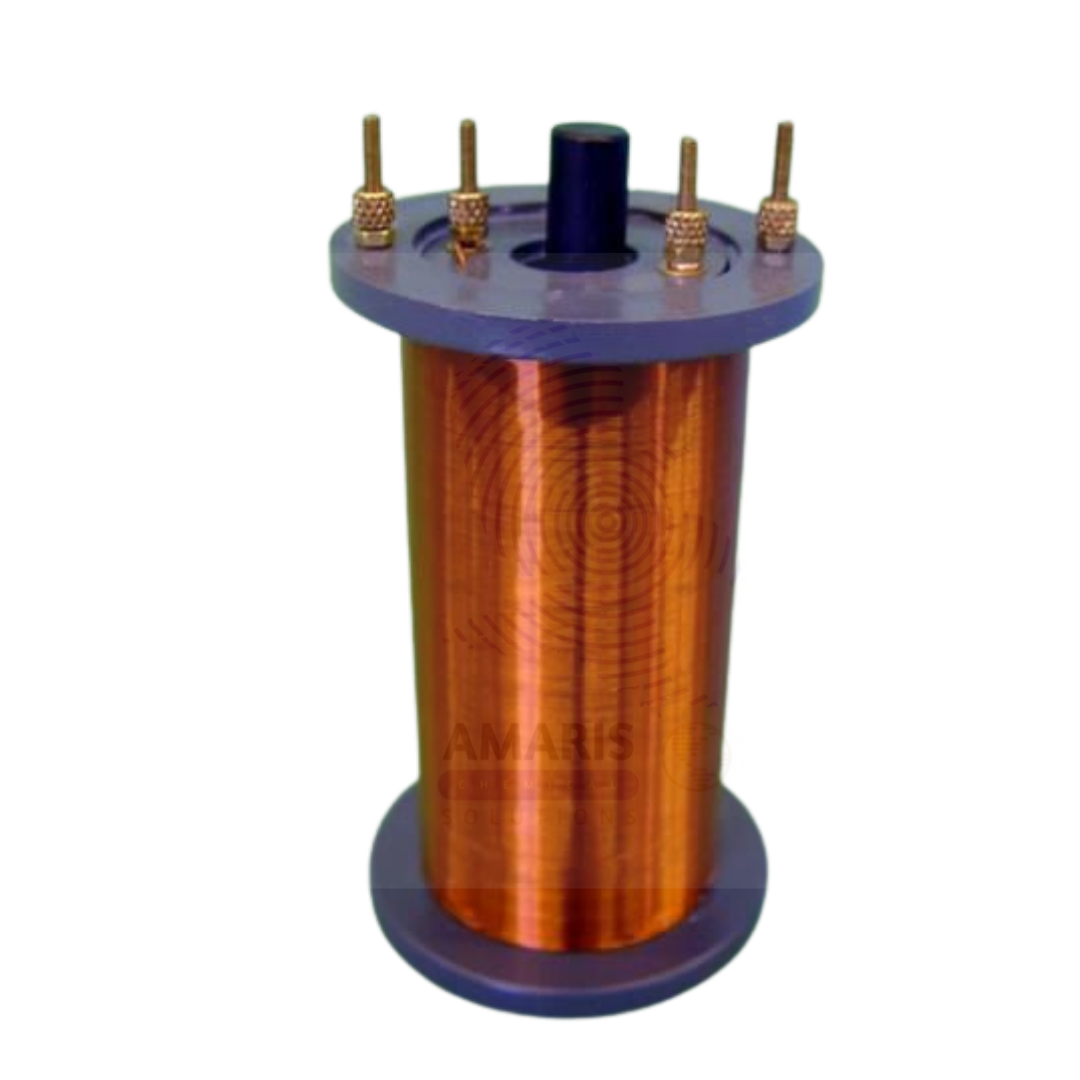


Induction Coil
Original price was: $ 43.54.$ 43.35Current price is: $ 43.35.
Induction Coil is an electrical device used to generate high-voltage pulses from a low-voltage direct current (DC) supply. It typically consists of two coils of insulated wire (primary and secondary) wound around a shared iron core. When current is interrupted in the primary coil, a high voltage is induced in the secondary coil through electromagnetic induction. Induction coils are crucial in physics education, laboratory experiments, and ignition systems for demonstrating and utilizing high-voltage phenomena. They are widely used in applications involving spark generation, ionization, and electromagnetic studies.
Induction Coil
Primary Uses
- Physics and Electrical Laboratories
- Generation of high-voltage sparks for demonstrating electromagnetic induction.
- Used in experiments involving discharge tubes and gas ionization.
- Employed in educational setups to explain transformer action and induction principles.
- Provides a high-voltage source for studying electric arcs and spark gaps.
- Supplies voltage for experiments in capacitor charging and dielectric breakdown.
Secondary Uses
- Industrial and Experimental Applications
- Used in ignition systems of internal combustion engines for spark generation.
- Supports research on electromagnetism and pulsed electrical systems.
- Generates high-voltage pulses for NDT (Non-Destructive Testing) techniques.
- Employed in the operation of Geissler tubes and Crookes tubes for historical demonstrations.
- Used in audio equipment testing and early radio transmission experiments.
1.Basic Identification Attributes
- Construction: Primary and secondary coils wound around an iron core
- Components: Break mechanism (interrupter), capacitor (for spark suppression), terminals
- Voltage Output: Produces tens of thousands of volts from a low-voltage DC input
2.Physical & Chemical Properties
- Electromagnetic core enhances induction efficiency
- Encased in insulated housing for user protection
- Designed for repeated pulsed high-voltage output
3.Safety & Hazard Attributes
- Produces dangerous high voltage; risk of electric shock
- Sparks may ignite flammable gases or vapors
- Must be handled with strict safety protocols
4.Storage & Handling Attributes
- Store in a dry, dust-free environment
- Avoid moisture to prevent short-circuiting or damage
- Ensure secure mounting during use to prevent movement or contact
5.Regulatory & Compliance Attributes
- Complies with educational lab equipment standards
- Suitable for use in controlled laboratory environments
6.Environmental & Health Impact
- No significant environmental impact when used correctly
- Electronic waste disposal protocols should be followed at end of life
Safety Handling Precautions
- Always use insulated tools and wear PPE when operating
- Do not touch terminals during operation
- Use in well-ventilated area away from flammable substances
First Aid Measures
- For electrical shock, disconnect power source and seek medical attention
- For burns from sparks, cool with water and treat as thermal burns
- Ensure emergency shut-off switch is accessible
Firefighting Measures
- Induction coil is non-flammable, but can ignite nearby combustibles
- Use CO₂ or dry chemical extinguishers for electrical fires
Related products
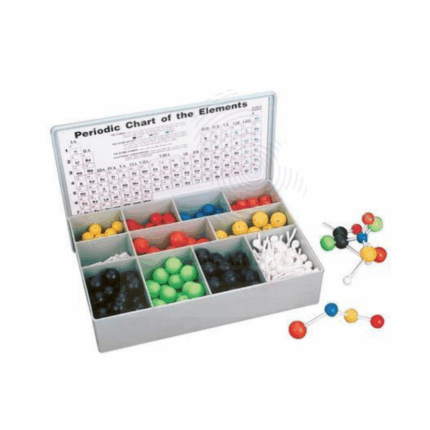
Atomic Model Set
The Atomic Model Set is an educational tool designed to visually demonstrate the structure of atoms and molecules. It consists of color-coded balls representing protons, neutrons, and electrons, connected by rods to simulate atomic bonds. This set is widely used in classrooms, laboratories, and training centers to aid in the teaching of atomic theory, molecular geometry, chemical bonding, and related concepts. Made from durable plastic materials, the set provides a hands-on, interactive experience that enhances understanding of complex scientific principles.

Bare Enamelled Copper Wire
Bare Enamelled Copper Wire is a high-quality electrical conductor coated with a thin layer of insulating enamel. It is widely used in electrical and electronic applications where insulation and durability are required without adding bulk. The enamel coating provides excellent resistance to heat, abrasion, and chemicals, making it suitable for winding coils, transformers, motors, and inductors. The bare enamelled copper wire ensures efficient conductivity combined with insulation properties, ideal for both laboratory research and industrial manufacturing processes.
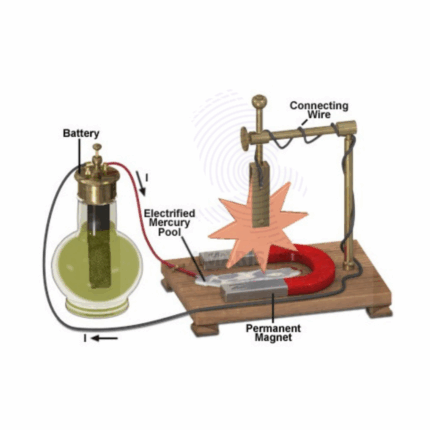
Barlows Wheel Apparatus
Barlows Wheel Apparatus is a classic physics demonstration device used to illustrate electromagnetic effects, specifically the principles of electric motors and the interaction between magnetic fields and electric current. It consists of a rotating wheel in contact with an electric circuit and a magnetic field, demonstrating motion generated by electromagnetic forces. The apparatus is widely used in educational laboratories to teach fundamental concepts of electromagnetism and motor action, as well as in industrial training for understanding motor components and operation.
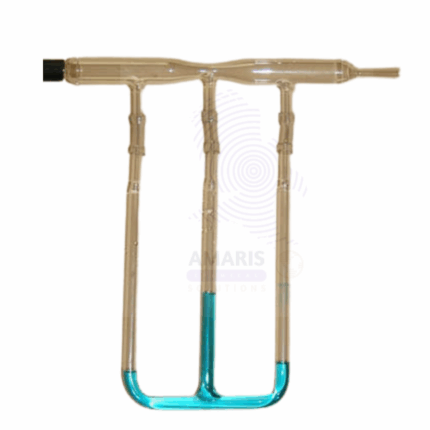
Bernoulli Tube Apparatus
Bernoulli Tube Apparatus is a precision-engineered device designed to demonstrate and analyze the principles of fluid dynamics, specifically Bernoulli’s theorem. It consists of a transparent, variable-diameter horizontal tube equipped with multiple pressure tap points connected to manometer tubes. This allows for the visual observation and quantitative measurement of pressure, velocity, and flow relationships as fluid moves through different cross-sectional areas. Commonly used in laboratory and industrial fluid mechanics testing, it helps validate theoretical predictions in controlled experimental conditions.

Chromatogram Paper
Chromatogram Paper is a specialized high-quality absorbent paper used primarily in chromatography techniques for the separation and analysis of chemical substances. Manufactured to have consistent texture and porosity, it facilitates effective migration of solvents and analytes, allowing clear and reproducible chromatographic patterns. Widely utilized in laboratories for qualitative and quantitative chemical analysis, Chromatogram Paper is essential for research, quality control, and educational purposes.
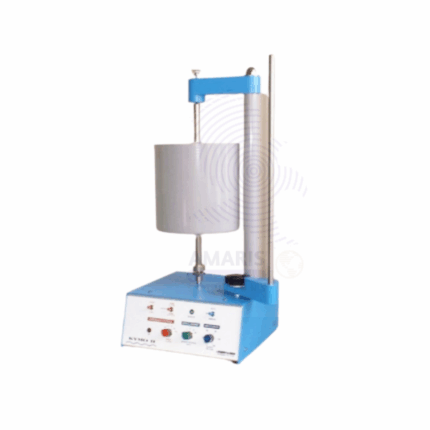
complete kymograph equipment
Complete Kymograph Equipment is a precision instrument used primarily in physiology and biological research to record changes in pressure, motion, or other physiological phenomena over time. It consists of a rotating drum wrapped with a recording paper and various attachments such as levers, pens, and sensors to capture mechanical movements or biological signals. This equipment is essential for experiments involving muscle contractions, blood pressure measurements, and other dynamic biological processes.
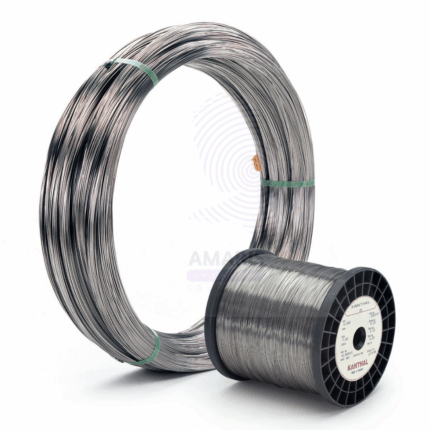
Constantine wire
Constantine Wire is an alloy wire composed primarily of copper, nickel, and zinc, known for its high electrical conductivity, corrosion resistance, and durability. It is widely used in electrical applications requiring reliable conduction and mechanical strength. The wire exhibits excellent resistance to oxidation and mechanical wear, making it suitable for various laboratory and industrial uses.

Dip Needle Complete
Dip Needle Complete is a fully assembled and calibrated magnetic dip measurement instrument used for precise determination of the Earth’s magnetic inclination angle. This complete apparatus includes a magnetized dip needle mounted on a low-friction pivot within a protective housing, accompanied by a graduated circular scale for accurate angular readings. The instrument is designed for use in geophysical surveys, educational labs, and research institutions to study Earth’s magnetic field behavior. The complete setup ensures reliable, repeatable measurements with enhanced durability and ease of use, suitable for both field and laboratory environments.












