

 Preservatives(food)
 Flavors
 Acidulants
 Sweeteners
 Antioxidants
 Colorants(food)
 Nutraceutical Ingredients (food)
 Nutrient Supplements
 Emulsifiers
 Collectors
 Dust Suppressants
 Explosives and Blasting Agents
 Flocculants and Coagulants
 Frothers
 Leaching Agents
 pH Modifiers
 Precious Metal Extraction Agents
 Antioxidants(plastic)
 Colorants (Pigments, Dyes)
 Fillers and Reinforcements
 Flame Retardants
 Monomers
 Plasticizers
 Polymerization Initiators
 Stabilizers (UV, Heat)
 Antifoaming Agents
 Chelating Agents
 Coagulants and Flocculants
 Corrosion Inhibitors
 Disinfectants and Biocides
 Oxidizing Agents
 pH Adjusters
 Scale Inhibitors( water)
 Antioxidants(cosmetic)
 Emollients
 Oils
Oils Carrier Oills
 Essential Oils
 Humectants
 Preservatives
 Surfactants(cosmetic)
 Thickeners
 UV Filters
 Fragrance (Cosmetics)
 Fertilizers
 Soil Conditioners
 Plant Growth Regulators
 Animal Feed Additives
 Biostimulants
 Pesticides (Herbicides, Insecticides, Fungicides)
 Active Pharmaceutical Ingredients (APIs)
 Excipients
 Solvents(pharmaceutical)
 Antibiotics
 Antiseptics and Disinfectants
 Vaccine Adjuvants
 Nutraceutical Ingredients (pharmaceutical)
 Analgesics & Antipyretics
 Analytical Reagents
 Solvents(lab)
 Chromatography Chemicals
 Spectroscopy Reagents
 microbiology-and-cell-culture-reagents
 Molecular Biology Reagents
 Biochemical Reagents
 Inorganic and Organic Standards
 Laboratory Safety Chemicals
 Specialty Laboratory Chemicals(Special Laboratory Equipment)
 Demulsifiers
 Hydraulic Fracturing Fluids
 Scale Inhibitors(oil)
 Surfactants(oil)
 Drilling Fluids
 Dyes and Pigments
 Bleaching Agents
 Softening Agents
 Finishing Agents
 Antistatic Agents
 Admixtures
 Waterproofing Agents
 Sealants and Adhesives
 Curing Compounds
 Concrete Repair Chemicals
 Anti-Corrosion Coatings
 Surfactants(cleaning)
 Builders
 Enzymes
 Solvents (Cleaning)
 Electronic Chemicals
 Catalysts
 Lubricants
 Photographic Chemicals
 Refrigerants
 Automotive chemicals
 Pyrotechnic Chemicals
 Biodegradable Surfactants
 Bio-based Solvents
 Renewable Polymers
 Carbon Capture Chemicals
 Wastewater Treatment Chemicals
 Pigments
 Solvents(paint)
 Specialty Coatings
 Binders/Resins
 Additives
 Driers
 Anti-Corrosion Agents
 Functional Coatings
 Application-Specific Coatings
 Leavening Agents
 Dough Conditioners
 Flour Treatments
 Fat Replacers
 Decoratives
 Preservatives(baking)
 Plasticizers & Softeners
 Reinforcing Agents
 Adhesion Promoters
 Vulcanizing Agents
 Antidegradants
 Blowing Agents
 Fillers & Extenders
 Accelerators & Retarders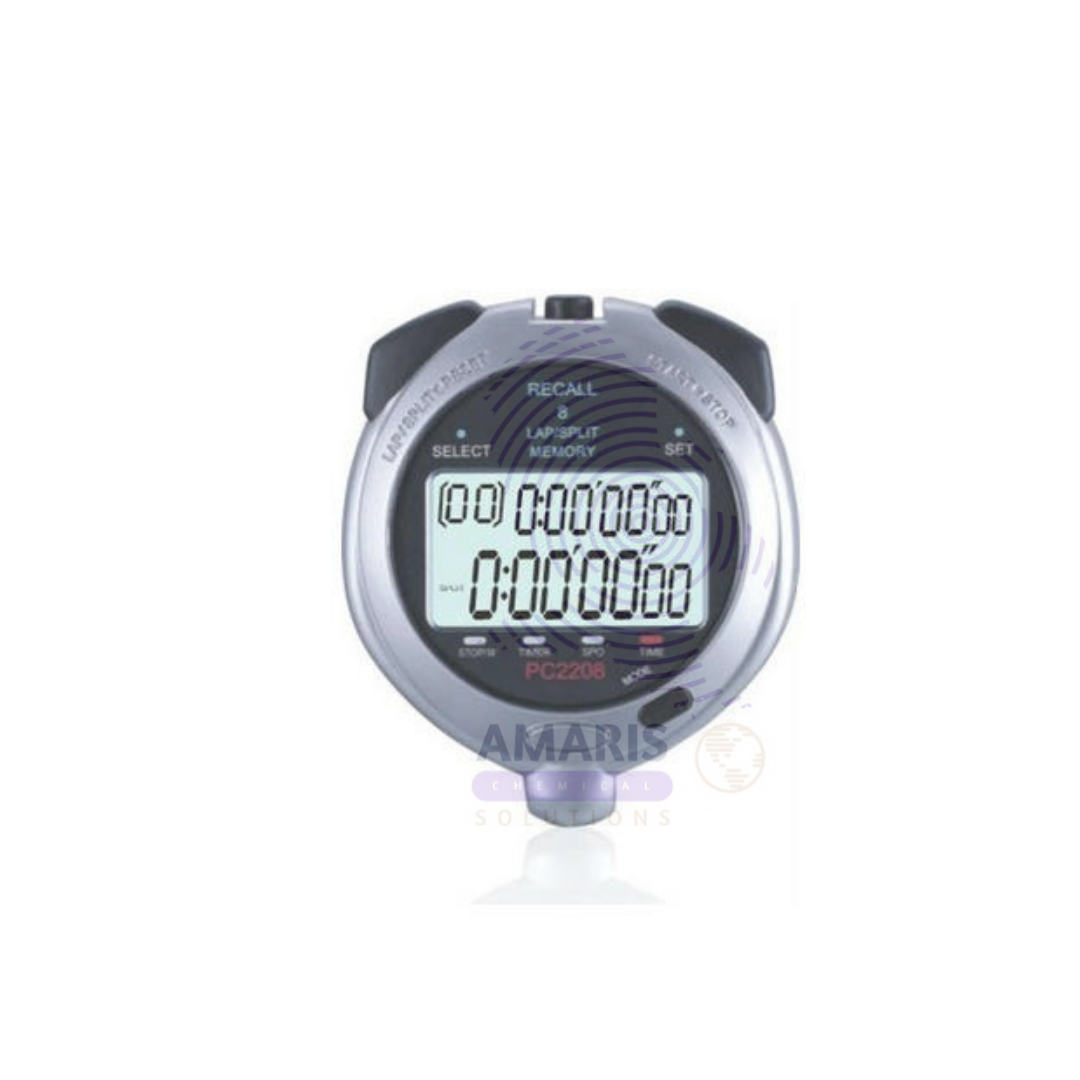



Laboratory stop watch
Original price was: $ 37.99.$ 37.87Current price is: $ 37.87.
The Laboratory Stop Watch is a precision timing device used in laboratories to accurately measure time intervals during experiments and processes. Designed for reliability and ease of use, it features start, stop, and reset functions, often with digital or analog displays. This stopwatch is essential for kinetic studies, reaction timing, process control, and any experiment requiring precise time measurement. Durable and portable, it is suitable for various scientific, educational, and industrial laboratory applications.
Laboratory stop watch
Primary Uses
- Laboratory and Research Applications
- Measuring reaction times in chemical and biological experiments.
- Timing procedures in enzymatic and kinetic studies.
- Monitoring incubation and exposure durations.
- Recording precise time intervals for experimental reproducibility.
- Used in quality control to ensure process timing consistency.
Secondary Uses
- Educational and Industrial Applications
- Training tool in teaching laboratories for timing practical exercises.
- Used in industrial labs for monitoring process timings and efficiency.
1.Basic Identification Attributes
- Design: Portable device with start, stop, and reset buttons
- Display: Digital or analog timing display with clear visibility
- Power: Battery-operated or mechanical spring mechanism
- Accuracy: High precision to milliseconds depending on model
2.Physical & Chemical Properties
- Durability: Shock-resistant casing for laboratory environments
- Water Resistance: Some models offer water-resistant features
3.Safety & Hazard Attributes
- Generally low risk; handle carefully to avoid dropping and damage
4.Storage & Handling Attributes
- Store in a dry, clean place when not in use
- Replace batteries regularly to ensure proper function
5.Regulatory & Compliance Attributes
- Manufactured according to quality standards for laboratory instruments
6.Environmental & Health Impact
- Battery disposal should follow environmental regulations
- Durable design minimizes waste through longevity
Safety Handling Precautions
- Avoid exposure to liquids unless device is water-resistant
- Handle with care to avoid dropping or mechanical damage
First Aid Measures
- Not applicable as no chemical or physical hazards expected
Firefighting Measures
- Non-flammable electronic device
- Use appropriate extinguisher for electrical fires if needed
Related products
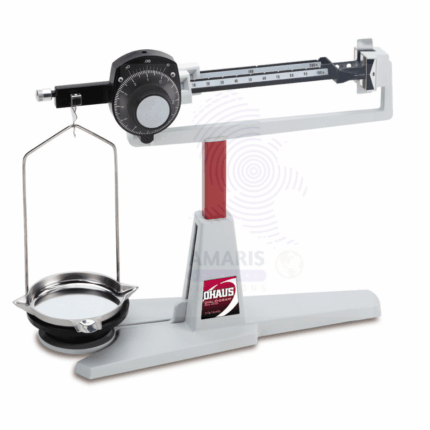
Balance Mechanical Ohaus Centre
Balance Mechanical Ohaus Centre is a high-precision mechanical balance designed for laboratory and industrial use. Featuring a central zero adjustment, this balance enables accurate measurement of small to medium-weight samples with fine calibration control. Constructed with durable, corrosion-resistant materials, it delivers reliable and consistent weighing results without requiring electrical power. Its simple mechanical design ensures easy operation and maintenance, making it suitable for research laboratories, quality control departments, and industrial environments where precise manual weighing is essential.
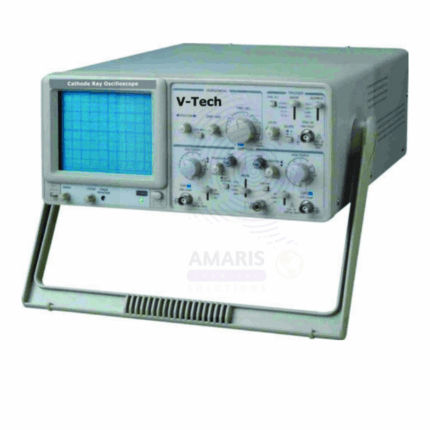
Cathode ray oscilloscope
Cartesian Divers are simple physics demonstration devices used to illustrate principles of buoyancy, pressure, and gas laws. Typically consisting of small, sealed, air-filled capsules submerged in water within a sealed container, these divers rise and sink in response to changes in external pressure. Widely used in educational laboratories for teaching fluid mechanics and gas behavior, Cartesian Divers provide hands-on visualization of fundamental scientific concepts.

Concave mirrors
Product Description
Concave Mirrors are curved reflective surfaces that converge light rays to a focal point. They are widely used in scientific experiments and optical devices to focus light and form real or virtual images depending on the object's position relative to the focal length. Made from high-quality polished glass or metal with a reflective coating, these mirrors provide precise image formation essential for laboratory and industrial applications in optics and physics.

conductivity rods
Conductivity rods are laboratory instruments used to measure the electrical conductivity of liquids, which indicates the ionic content and purity of a solution. Typically made from corrosion-resistant materials like stainless steel or graphite, these rods serve as electrodes immersed in liquid samples to detect the flow of electric current. Conductivity rods are essential for water quality testing, chemical analysis, and various industrial processes where monitoring solution conductivity is critical.
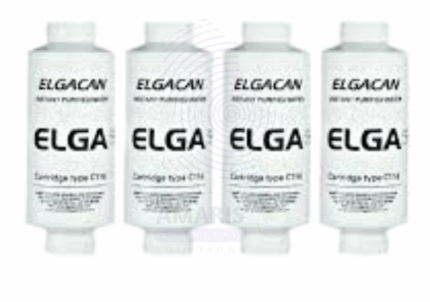
Deionizer With 4 Elga Cans
Deionizer with 4 Elga Cans is a high-capacity water purification system engineered for continuous production of deionized water in laboratory and industrial environments. The system uses four Elga mixed-bed ion exchange cartridges working in parallel or series to ensure extended operation, high throughput, and superior water quality. It removes dissolved ions and minerals effectively, producing ultra-low conductivity water ideal for sensitive analytical, biochemical, and production processes. The modular setup allows for easy replacement and maintenance, making it a reliable solution for facilities with high-purity water demands.
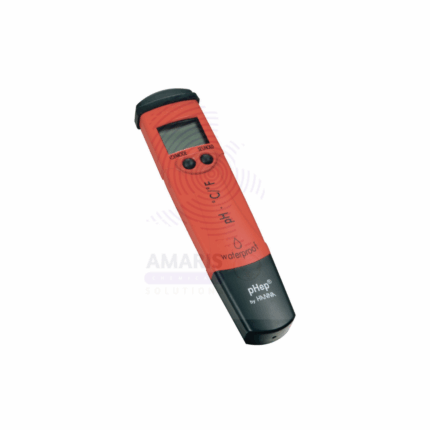
Digital pH Meter
A Digital pH Meter is a high-precision instrument designed to measure the acidity or alkalinity of liquid samples with accuracy and ease. Utilizing an electrode and electronic circuitry, it measures the voltage difference caused by hydrogen ion activity in a solution and converts it into a pH value displayed digitally. These devices are available in various formats—handheld, benchtop, waterproof, or pen-style—and often include advanced features such as automatic temperature compensation (ATC), backlit displays, auto-calibration, and data logging capabilities. Digital pH meters are vital tools across laboratories, environmental monitoring setups, industrial production lines, agricultural operations, food and beverage manufacturing, and water treatment facilities. They ensure reliable pH readings for maintaining chemical balance, compliance, and product quality in numerous applications.
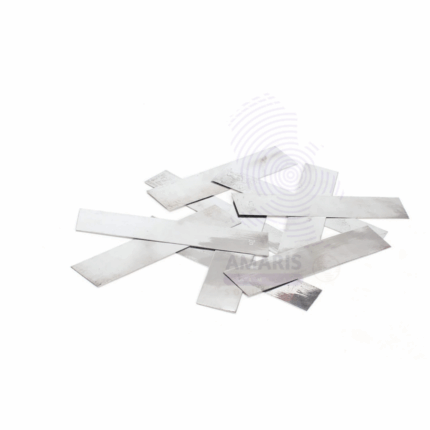
Electrode Zinc Plate
Electrode Zinc Plate is a high-quality zinc metal sheet designed for use as an electrode in various electrochemical applications, including batteries, corrosion protection, and electroplating. Zinc plates offer good electrical conductivity and act as sacrificial anodes in cathodic protection systems to prevent corrosion of metal structures. Manufactured with uniform thickness and smooth surfaces, these plates are widely used in lead-acid batteries, galvanic cells, and industrial electrolysis. Zinc electrodes are essential components in chemical processing, environmental protection, and laboratory research.

Litmus Paper Blue
Litmus Paper Blue is a pH indicator paper used to detect acidic substances. It is impregnated with litmus dye extracted from lichens, which changes color when exposed to acidic or basic environments. Blue litmus paper turns red under acidic conditions (pH < 4.5) and remains blue in neutral or alkaline solutions. It is widely used in laboratories, education, environmental testing, and industrial processes for quick and easy pH testing.












