

 Preservatives(food)
 Flavor Enhancers
 Acidulants
 Sweeteners
 Antioxidants
 Colorants(food)
 Nutraceutical Ingredients (food)
 Nutrient Supplements
 Emulsifiers
 Collectors
 Dust Suppressants
 Explosives and Blasting Agents
 Flocculants and Coagulants
 Frothers
 Leaching Agents
 pH Modifiers
 Precious Metal Extraction Agents
 Antioxidants(plastic)
 Colorants (Pigments, Dyes)
 Fillers and Reinforcements
 Flame Retardants
 Monomers
 Plasticizers
 Polymerization Initiators
 Stabilizers (UV, Heat)
 Antifoaming Agents
 Chelating Agents
 Coagulants and Flocculants
 Corrosion Inhibitors
 Disinfectants and Biocides
 Oxidizing Agents
 pH Adjusters
 Scale Inhibitors( water)
 Antioxidants(cosmetic)
 Emollients
 Fragrances and Essential Oils
 Humectants
 Preservatives
 Surfactants(cosmetic)
 Thickeners
 UV Filters
 Fertilizers
 Soil Conditioners
 Plant Growth Regulators
 Animal Feed Additives
 Biostimulants
 Pesticides (Herbicides, Insecticides, Fungicides)
 Active Pharmaceutical Ingredients (APIs)
 Excipients
 Solvents(pharmaceutical)
 Antibiotics
 Antiseptics and Disinfectants
 Vaccine Adjuvants
 Nutraceutical Ingredients (pharmaceutical)
 Analgesics & Antipyretics
 Analytical Reagents
 Solvents(lab)
 Chromatography Chemicals
 Spectroscopy Reagents
 microbiology-and-cell-culture-reagents
 Molecular Biology Reagents
 Biochemical Reagents
 Inorganic and Organic Standards
 Laboratory Safety Chemicals
 Specialty Laboratory Chemicals(Special Laboratory Equipment)
 Demulsifiers
 Hydraulic Fracturing Fluids
 Scale Inhibitors(oil)
 Surfactants(oil)
 Drilling Fluids
 Dyes and Pigments
 Bleaching Agents
 Softening Agents
 Finishing Agents
 Antistatic Agents
 Admixtures
 Waterproofing Agents
 Sealants and Adhesives
 Curing Compounds
 Concrete Repair Chemicals
 Anti-Corrosion Coatings
 Surfactants(cleaning)
 Builders
 Enzymes
 Solvents (Cleaning)
 Fragrances
 Electronic Chemicals
 Catalysts
 Lubricants
 Photographic Chemicals
 Refrigerants
 Automotive chemicals
 Pyrotechnic Chemicals
 Biodegradable Surfactants
 Bio-based Solvents
 Renewable Polymers
 Carbon Capture Chemicals
 Wastewater Treatment Chemicals
 Pigments
 Solvents(paint)
 Specialty Coatings
 Binders/Resins
 Additives
 Driers
 Anti-Corrosion Agents
 Functional Coatings
 Application-Specific Coatings
 Leavening Agents
 Dough Conditioners
 Flour Treatments
 Fat Replacers
 Decoratives
 Preservatives(baking)
 Plasticizers & Softeners
 Reinforcing Agents
 Adhesion Promoters
 Vulcanizing Agents
 Antidegradants
 Blowing Agents
 Fillers & Extenders
 Accelerators & Retarders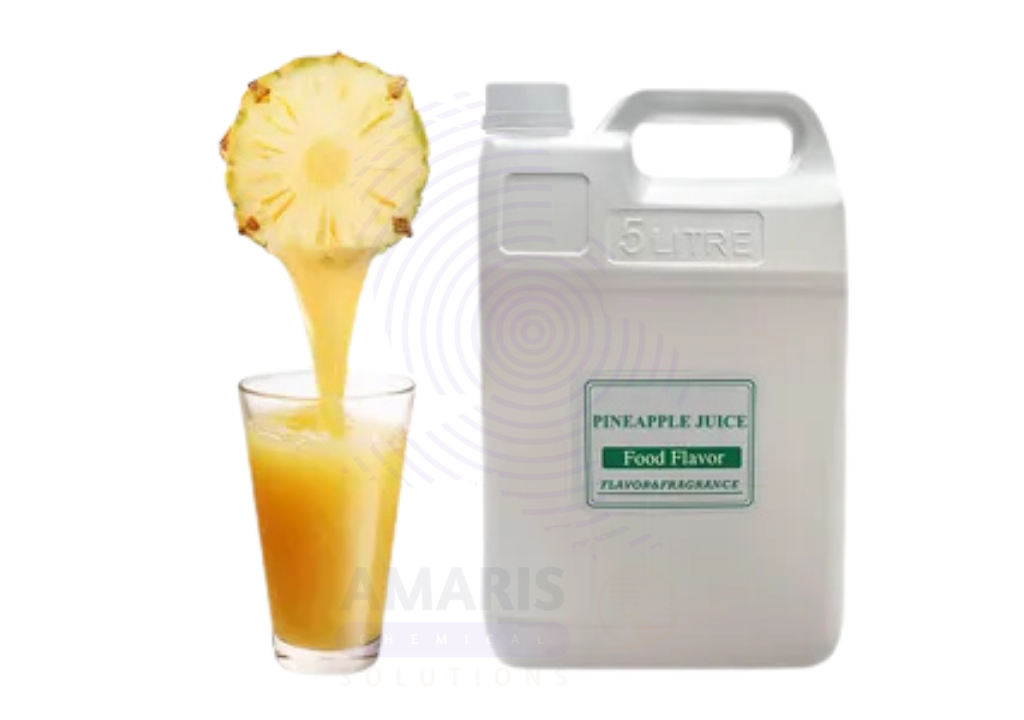

Liquid Pineapple Flavor
Liquid Pineapple Flavor (Food Grade) is a high-quality, natural and synthetic flavoring agent designed to capture the sweet, tangy, and refreshing taste of ripe pineapple. Widely used in the food and beverage industry, this flavor enhances a variety of products such as soft drinks, juices, confectionery, dairy, and baked goods. It is water and alcohol soluble, providing versatility in formulation. Its vibrant tropical aroma and authentic pineapple taste help create appealing and flavorful consumer products.
Liquid Pineapple Flavor
Primary Uses
- Food and Beverage Chemicals
- Added to fruit juices, carbonated beverages, and cocktails to impart a natural pineapple flavor.
- Used in confectionery products like candies, chewing gums, and jellies for a sweet and tangy taste.
- Incorporated in dairy products such as yogurts, ice creams, and flavored milk to provide a tropical flavor profile.
- Utilized in bakery items including cakes, muffins, and pastries to introduce pineapple flavor notes.
- Applied in sauces, syrups, and dessert toppings to enhance flavor complexity.
Secondary Uses
- Cosmetic and Personal Care Chemicals
- Used in body sprays, lotions, and bath products to provide a fresh and fruity aroma (subject to regulatory approval).
- Specialty and Fine Chemicals
- Employed in flavor research and development for tropical flavor blends.
- Used in nutraceuticals and dietary supplements to improve flavor and palatability.
1. Basic Identification Attributes
- Botanical Source: Natural and synthetic pineapple flavor compounds
- Common/Trade Name: Liquid Pineapple Flavor
- INCI Name: Flavor
- CAS Number: Proprietary blend
- HS Code: 3302.10
- Synonyms: Pineapple Flavoring, Pineapple Essence
2. Physical & Chemical Properties
- Physical State: Clear to pale yellow liquid
- Color & Odor: Light yellow; fresh pineapple aroma
- Solubility: Soluble in water and alcohol
- Density: Approx. 1.0 g/cm³
- Shelf Life: 12–18 months under proper storage
3. Safety & Hazard Attributes
- GHS Classification: Not classified as hazardous
- Toxicity: Generally recognized as safe (GRAS) in food applications
- Allergen Information: Free from major allergens; verify specific formulations
- Exposure Limits: Compliant with food safety standards
4. Storage & Handling Attributes
- Storage Conditions: Store in a cool, dry place away from sunlight
- Container Type: Food-grade bottles or drums
- Shelf Life: 12–18 months
- Handling Precautions: Avoid contamination; keep sealed when not in use
5. Regulatory & Compliance Attributes
- Complies with IFRA and global food safety regulations
- Manufactured in GMP-certified facilities
6. Environmental & Health Impact
- Biodegradable and environmentally safe
- Low ecotoxicity at standard usage levels
Safety Handling Precautions
- PPE Required: Gloves recommended during handling
- Handling Guidelines: Avoid direct skin and eye contact
First Aid Measures:
- Inhalation: Move to fresh air if inhaled excessively
- Skin Contact: Wash with soap and water if irritation occurs
- Eye Contact: Rinse thoroughly with water and seek medical advice if irritation persists
- Ingestion: Generally safe; seek medical attention if adverse symptoms develop
Firefighting Measures
- Fire Hazards: Flammable liquid
- Extinguishing Media: Foam, dry chemical, CO₂
- Special Precautions: Avoid inhaling combustion fumes
- Hazardous Combustion Products: Carbon oxides
Related products
Ajowan oil
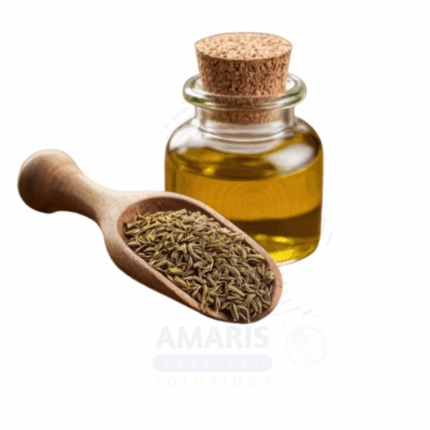
Ajowan Oil, also known as Ajwain Oil or Trachyspermum Ammi Oil, is an essential oil obtained by steam distillation of the seeds of the Trachyspermum ammi plant. With a strong, pungent, thyme-like aroma, Ajowan Oil is rich in thymol—a powerful compound known for its antiseptic, antimicrobial, and digestive properties. Traditionally used in Ayurvedic and Unani medicine, Ajowan Oil is valued today across food preservation, pharmaceuticals, and natural personal care formulations.
This oil exhibits broad-spectrum antimicrobial effects and is widely used in therapeutic balms, oral care, digestive tonics, and antiseptic blends. It also finds applications in fragrance formulations that benefit from its spicy, herbal character. Its potent biological activity makes it effective in natural pest control and disinfectant preparations.
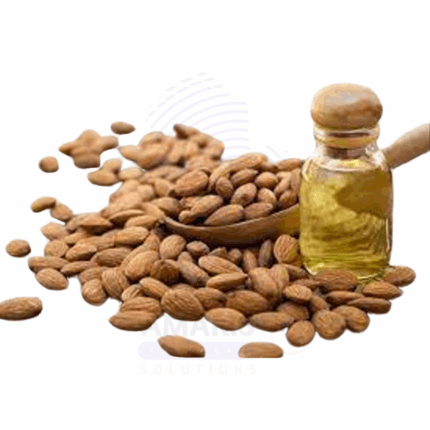
Almond Bitter Oil
Almond Bitter Oil, derived from the kernels of bitter almonds (Prunus amygdalus var. amara), is an essential oil known for its sharp, nutty, and marzipan-like aroma. This oil is produced through steam distillation of crushed bitter almond kernels and contains a naturally occurring compound called benzaldehyde, which gives it its characteristic scent. In purified form (free of hydrogen cyanide), bitter almond oil is used in fragrance, flavoring, and pharmaceutical applications.
Due to its potent aroma and biochemical properties, it is widely used in perfumery, baked goods flavoring (in controlled quantities), aromatherapy, and traditional topical remedies. It is important to distinguish between natural bitter almond oil, which must be detoxified, and synthetic benzaldehyde, which is commonly used as a substitute in commercial formulations.
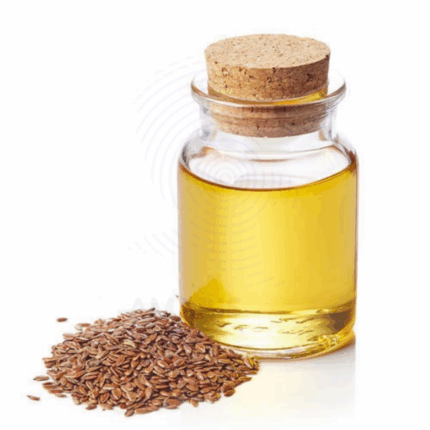
Ambrette Seed Oil
Ambrette Seed Oil is a rare, aromatic essential oil derived from the seeds of the Abelmoschus moschatus plant. Known for its rich, musky, slightly sweet, and floral scent, Ambrette Seed Oil is often considered a botanical alternative to animal-derived musk. It is widely prized in high-end perfumery, natural cosmetic formulations, and aromatherapy for its warm, sensual, and long-lasting aroma.
This oil is rich in ambrettolide and farnesol, compounds that lend it a delicate musky note without the synthetic harshness of artificial musks. Ambrette Seed Oil is non-toxic and safe for topical use when diluted, making it ideal for fine fragrances, massage oils, and therapeutic blends.
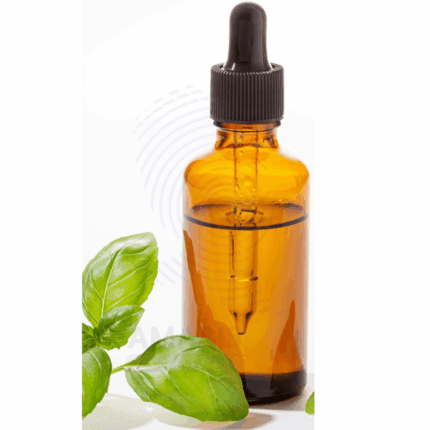
Basil sweet oil
Basil Sweet Oil is a high-quality essential oil extracted via steam distillation from the leaves and flowering tops of the Ocimum basilicum plant, known as Sweet Basil. This chemotype is rich in linalool and low in estragole, making it gentler and more suitable for topical use than other basil varieties. With a fresh, sweet, herbaceous, and slightly floral aroma, Basil Sweet Oil is highly valued in cosmetics, personal care, aromatherapy, and natural wellness formulations.
This essential oil is known for its clarifying, uplifting, and antiseptic properties. It supports mental clarity, soothes muscular tension, and offers anti-inflammatory and antimicrobial benefits for skin and scalp. Basil Sweet Oil is especially preferred in formulations targeting sensitive skin and emotional well-being.
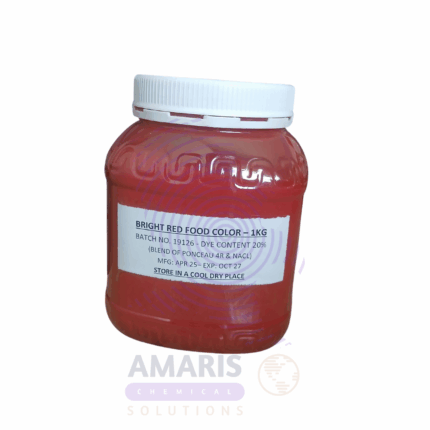
Bright Red Color Water Soluble
Bright Red Color Water Soluble is a synthetic water-soluble dye known for its vivid, intense red hue and excellent clarity in aqueous solutions. It dissolves readily in water, offering uniform dispersion and strong colorfastness across a wide pH range. This dye is widely used in textile dyeing, food and beverage coloring, cosmetics, pharmaceuticals, paints, and laboratory settings. Its chemical stability and bright coloration make it suitable for industrial, research, and commercial applications requiring reliable red pigmentation in water-based systems.
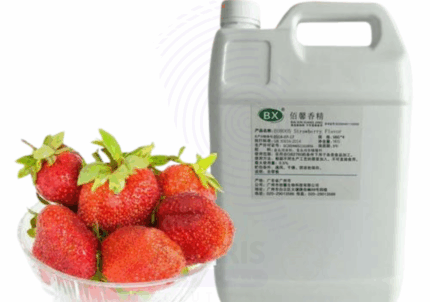
Liquid Strawberry Flavor
Liquid Strawberry Flavor is a premium quality flavoring agent that captures the fresh, sweet, and slightly tart essence of ripe strawberries. Widely used in the food and beverage industry, this flavor enhances the taste and aroma of a variety of products including beverages, confectionery, dairy, and baked goods. It is water and alcohol soluble, allowing easy incorporation into multiple formulations. The natural and authentic strawberry profile makes it ideal for creating flavorful and appealing consumer products.
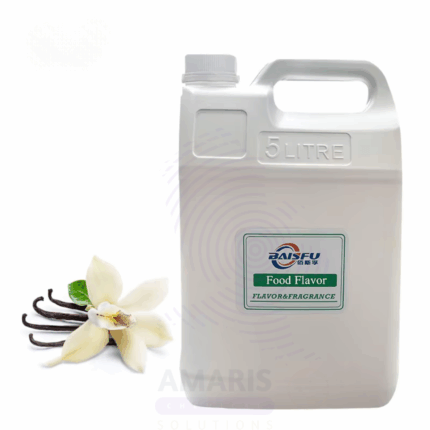
Liquid Vanilla Flavor
Liquid Vanilla Flavor is a high-quality, natural and synthetic blend designed to provide the rich, creamy, and sweet aroma characteristic of vanilla beans. Widely used in the food and beverage industry, this versatile flavoring enhances the taste profile of baked goods, dairy products, beverages, and confectionery. Its excellent solubility in water and alcohol allows for easy incorporation into a wide range of formulations. Liquid Vanilla Flavor offers a smooth, authentic vanilla note that improves product appeal and consumer satisfaction.
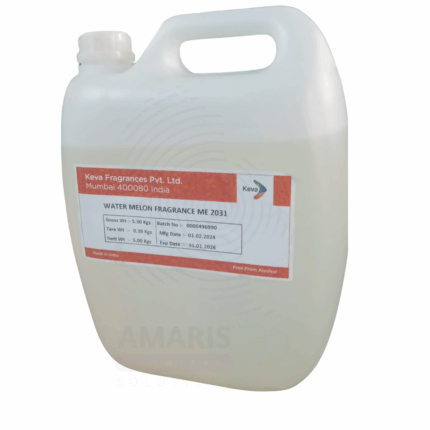
Watermelon Fragrance Oil
Watermelon Fragrance Oil is a premium synthetic fragrance designed to capture the fresh, juicy, and sweet aroma of ripe watermelon. This fragrance oil is widely used in personal care, home fragrance, and industrial applications due to its bright, refreshing scent profile and excellent stability in both oil- and water-based formulations. It provides a vibrant, fruity fragrance that evokes summer freshness and is suitable for use in a variety of cosmetic, household, and air care products. The oil exhibits good heat stability and is compatible with many product bases, making it ideal for perfumery and scent marketing.












