

 Preservatives(food)
 Flavors
 Acidulants
 Sweeteners
 Antioxidants
 Colorants(food)
 Nutraceutical Ingredients (food)
 Nutrient Supplements
 Emulsifiers
 Collectors
 Dust Suppressants
 Explosives and Blasting Agents
 Flocculants and Coagulants
 Frothers
 Leaching Agents
 pH Modifiers
 Precious Metal Extraction Agents
 Antioxidants(plastic)
 Colorants (Pigments, Dyes)
 Fillers and Reinforcements
 Flame Retardants
 Monomers
 Plasticizers
 Polymerization Initiators
 Stabilizers (UV, Heat)
 Antifoaming Agents
 Chelating Agents
 Coagulants and Flocculants
 Corrosion Inhibitors
 Disinfectants and Biocides
 Oxidizing Agents
 pH Adjusters
 Scale Inhibitors( water)
 Antioxidants(cosmetic)
 Emollients
 Oils
Oils Carrier Oills
 Essential Oils
 Humectants
 Preservatives
 Surfactants(cosmetic)
 Thickeners
 UV Filters
 Fragrance (Cosmetics)
 Fertilizers
 Soil Conditioners
 Plant Growth Regulators
 Animal Feed Additives
 Biostimulants
 Pesticides (Herbicides, Insecticides, Fungicides)
 Active Pharmaceutical Ingredients (APIs)
 Excipients
 Solvents(pharmaceutical)
 Antibiotics
 Antiseptics and Disinfectants
 Vaccine Adjuvants
 Nutraceutical Ingredients (pharmaceutical)
 Analgesics & Antipyretics
 Analytical Reagents
 Solvents(lab)
 Chromatography Chemicals
 Spectroscopy Reagents
 microbiology-and-cell-culture-reagents
 Molecular Biology Reagents
 Biochemical Reagents
 Inorganic and Organic Standards
 Laboratory Safety Chemicals
 Specialty Laboratory Chemicals(Special Laboratory Equipment)
 Demulsifiers
 Hydraulic Fracturing Fluids
 Scale Inhibitors(oil)
 Surfactants(oil)
 Drilling Fluids
 Dyes and Pigments
 Bleaching Agents
 Softening Agents
 Finishing Agents
 Antistatic Agents
 Admixtures
 Waterproofing Agents
 Sealants and Adhesives
 Curing Compounds
 Concrete Repair Chemicals
 Anti-Corrosion Coatings
 Surfactants(cleaning)
 Builders
 Enzymes
 Solvents (Cleaning)
 Electronic Chemicals
 Catalysts
 Lubricants
 Photographic Chemicals
 Refrigerants
 Automotive chemicals
 Pyrotechnic Chemicals
 Biodegradable Surfactants
 Bio-based Solvents
 Renewable Polymers
 Carbon Capture Chemicals
 Wastewater Treatment Chemicals
 Pigments
 Solvents(paint)
 Specialty Coatings
 Binders/Resins
 Additives
 Driers
 Anti-Corrosion Agents
 Functional Coatings
 Application-Specific Coatings
 Leavening Agents
 Dough Conditioners
 Flour Treatments
 Fat Replacers
 Decoratives
 Preservatives(baking)
 Plasticizers & Softeners
 Reinforcing Agents
 Adhesion Promoters
 Vulcanizing Agents
 Antidegradants
 Blowing Agents
 Fillers & Extenders
 Accelerators & Retarders



Magnesium Chloride
Magnesium Chloride is a white crystalline salt or granular solid composed of magnesium and chloride ions, commonly found as the hexahydrate form (MgCl₂·6H₂O). It is highly soluble in water, forming a clear, colorless solution with a slightly bitter saline taste. Magnesium Chloride is valued for its hygroscopic properties and is widely used across multiple industries including de-icing, chemical manufacturing, agriculture, food, pharmaceutical, and textile applications. It acts as a source of magnesium, a vital mineral for various biological and industrial processes.
Magnesium Chloride
Primary Uses
- De-icing and Dust Control
- Applied as a road de-icing agent due to its ability to lower the freezing point of water, providing effective ice and snow melting.
- Used for dust suppression on unpaved roads, construction sites, and mining operations by absorbing moisture and reducing airborne dust.
- Chemical Industry
- Used as a precursor in the production of magnesium metal and magnesium-based chemicals.
- Acts as a catalyst or reactant in various chemical syntheses and industrial processes.
- Agriculture
- Serves as a magnesium supplement in fertilizers to correct magnesium-deficient soils, essential for healthy plant growth.
- Used in animal feed formulations to provide necessary magnesium nutrients.
- Food Industry
- Employed as a firming agent, coagulant, and nutrient supplement in food processing (E511).
- Used in tofu production as a coagulating agent.
- Acts as a source of magnesium in mineral-fortified foods and beverages.
- Pharmaceutical and Medical Uses
- Used in intravenous magnesium therapy and electrolyte replenishment (pharmaceutical grade).
- Included in magnesium oil sprays and topical magnesium products for muscle relaxation and skin care.
- Textile Industry
- Used in dyeing and printing processes to improve fabric quality and dye fixation.
Secondary Uses
- Environmental Applications
- Used in wastewater treatment for phosphorus removal and as a flocculant.
- Construction
- Acts as a component in certain types of cements and concrete formulations to improve strength and durability.
- Cosmetics and Personal Care
- Included as a mineral supplement and skin conditioning agent in personal care products such as bath salts and lotions.
- Other Industrial Uses
- Used in the production of fireproofing agents, paper manufacture, and textile finishing.
1. Basic Identification Attributes
- Chemical Name (IUPAC): Magnesium chloride (hexahydrate)
- Common/Trade Name: Magnesium Chloride
- CAS Number: 7791-18-6 (hexahydrate)
- HS Code: 2827.39.00
- Synonyms: MgCl₂; Magnesium dichloride; Magnesium chloride hexahydrate; MgCl₂·6H₂O
2. Physical & Chemical Properties
- Physical State: Crystalline solid or granules (hexahydrate)
- Color & Odor: White or colorless; odorless
- Solubility: Highly soluble in water; insoluble in alcohol
- Melting Point: 118 °C (anhydrous form)
- Density: Approx. 2.32 g/cm³ (anhydrous)
- Hygroscopicity: Highly hygroscopic
3. Safety & Hazard Attributes
- GHS Classification: Causes serious eye irritation (Category 2A)
- Toxicity: Low toxicity; irritating to eyes and skin on contact
- Exposure Limits: No specific occupational exposure limits; standard dust and mist controls advised
4. Storage & Handling Attributes
- Storage Conditions: Store in a cool, dry, well-ventilated area away from moisture and incompatible substances
- Container Type: Sealed plastic or fiber drums, bags, or bulk containers
- Shelf Life: Typically 1-2 years if stored properly
- Handling Precautions: Avoid inhalation of dust or mist; use PPE such as gloves and eye protection
5. Regulatory & Compliance Attributes
- Approved for use as a food additive (E511) and in pharmaceutical applications
- Complies with major food safety and pharmaceutical regulations (FDA, EFSA, etc.)
6. Environmental & Health Impact
- Biodegradability: Inorganic salt; not biodegradable but environmentally safe at typical usage levels
- Ecotoxicity: Low toxicity to aquatic organisms but avoid high concentrations in waterways
- Bioaccumulation: Not expected to bioaccumulate
- Carcinogenicity/Mutagenicity: Not classified as carcinogenic or mutagenic
Safety Handling Precautions
- PPE Required: Gloves, safety goggles, dust mask or respirator if dusty
- Handling Guidelines: Minimize dust formation and exposure; work in ventilated areas
- Storage Measures: Keep containers tightly closed and dry; avoid contact with moisture
First Aid Measures
- Inhalation: Move to fresh air; seek medical attention if irritation or respiratory difficulty occurs
- Skin Contact: Wash thoroughly with soap and water; seek medical advice if irritation persists
- Eye Contact: Rinse immediately with plenty of water for at least 15 minutes; consult a physician
- Ingestion: Rinse mouth; seek medical attention if large amounts ingested
Firefighting Measures
- Fire Hazards: Non-flammable; magnesium chloride does not support combustion
- Extinguishing Media: Use water spray, foam, or dry chemical to extinguish surrounding fires
- Special Precautions: Avoid inhalation of fumes if exposed to high heat or fire
- Hazardous Combustion Products: May produce chlorine-containing gases if decomposed at high temperatures
Related products
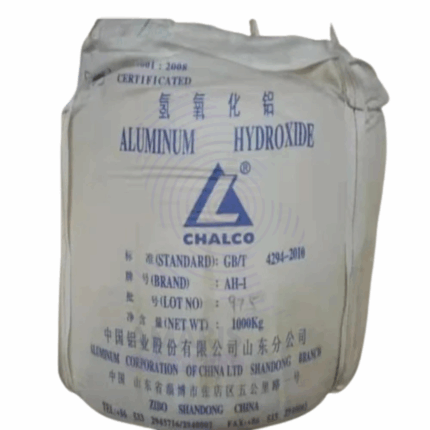
Aluminum hydroxide
Aluminum Hydroxide, chemically known as Al(OH)₃, is a white, odorless, and odorless powder or gelatinous substance. It is widely used in pharmaceuticals as an antacid to neutralize stomach acid and relieve indigestion and heartburn. Beyond healthcare, aluminum hydroxide is a crucial component in water purification, fire retardants, and as a precursor or filler in various industrial applications. It functions as a flame retardant by releasing water upon heating, thus cooling the material and diluting flammable gases. Due to its amphoteric nature, it can react both as an acid and base, enhancing its versatility. Aluminum hydroxide is often utilized in manufacturing aluminum salts and in producing aluminum oxide.
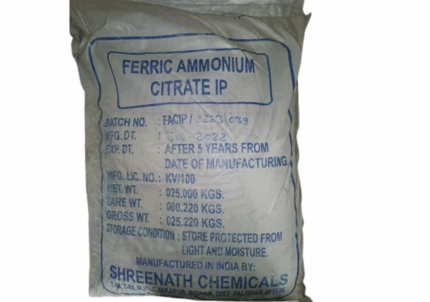
Ferric Ammonium Citrate
Ferric Ammonium Citrate is a dark green to black crystalline or granular inorganic compound composed of iron, ammonium ions, and citrate ions. It is a complex salt of citric acid with ferric iron (Fe³⁺) and ammonium. This compound is highly soluble in water, forming a greenish solution, and is widely utilized as a source of iron in various chemical, pharmaceutical, photographic, and food applications. It acts as a mild oxidizing agent and an iron supplement, valued for its bioavailability and ease of incorporation into formulations. Ferric Ammonium Citrate is typically available in different formulations distinguished by their water and ammonium content, such as green and brown types.
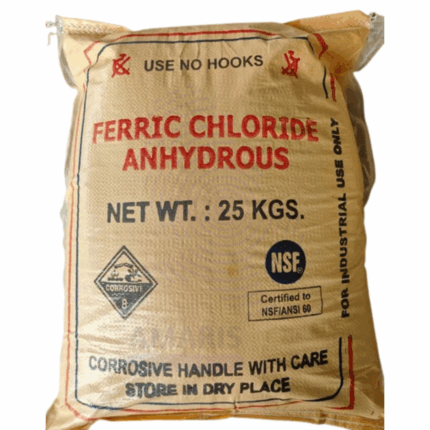
Ferric Chloride Anhydrous
Ferric Chloride Anhydrous (FeCl₃) is a dark brown to black crystalline solid with a metallic luster. It is a highly corrosive, hygroscopic inorganic salt widely used as a chemical reagent, catalyst, and coagulant. In its anhydrous form, ferric chloride is free of water and has a high purity of approximately 98%. It readily dissolves in water, releasing heat and producing acidic solutions. Ferric chloride is valued for its strong Lewis acid properties, making it effective in a variety of industrial, laboratory, and environmental applications. It is commonly supplied as a solid crystalline powder or lumps and should be handled with care due to its corrosive nature.
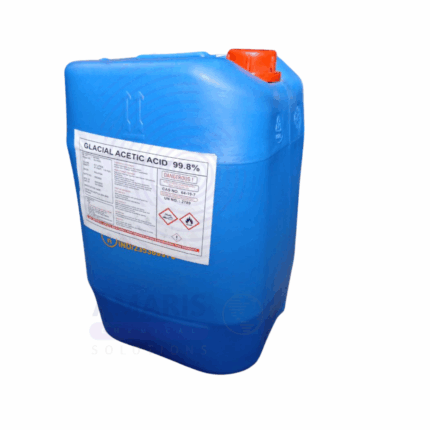
Glacial Acetic Acid Food Grade
Glacial Acetic Acid Food Grade is a clear, colorless liquid organic compound with a pungent vinegar-like odor. It is a high-purity form of acetic acid specifically produced and processed for safe use in food applications. As the main component of vinegar (after dilution), it serves as a critical flavoring agent, pH adjuster, and preservative in the food industry. Food-grade acetic acid typically has a concentration of 80-100% (glacial acetic acid) or is diluted to lower concentrations (4-20%) for specific applications.

Glycerol Monostearate
Glycerol Monostearate is a white to off-white, free-flowing powder composed of 50% monoglycerides of stearic and palmitic acids, typically derived from vegetable oils. It is a non-ionic emulsifier widely used in food, cosmetics, pharmaceuticals, plastics, and industrial applications. GMS functions as an emulsifying agent, stabilizer, thickener, anti-staling agent, and opacifier. In food, it improves texture and extends shelf life. In cosmetics and pharmaceuticals, it enhances creaminess and stability. GMS 50% is often blended with other emulsifiers or surfactants and is valued for its versatile functionality, safety, and compatibility with a wide range of ingredients.

Magnesium Oxide
Magnesium Oxide (MgO) is a white, odorless, alkaline earth metal oxide powder. It is produced by calcining magnesium carbonate or hydroxide at high temperatures, resulting in a fine, white powder with a high melting point. Magnesium Oxide is widely used for its refractory properties, chemical stability, and ability to neutralize acids. It serves important roles in pharmaceuticals, agriculture, environmental applications, and various industrial processes.
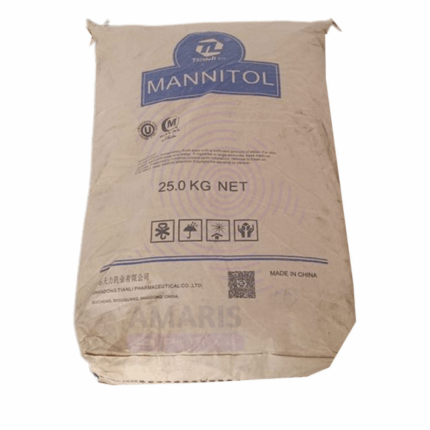
Maninitol BP
Maninitol BP is a white, crystalline, sugar alcohol derived from mannose, widely used in pharmaceutical, food, and cosmetic industries. It functions as a sweetener, humectant, and excipient. Mannitol BP is non-hygroscopic and has low sweetness compared to sucrose, making it ideal for sugar-free formulations. It is commonly employed in tablet manufacturing as a filler and binder, and in medical settings as an osmotic diuretic to reduce intracranial pressure. The British Pharmacopoeia (BP) grade ensures compliance with pharmacopeial standards for purity and quality.
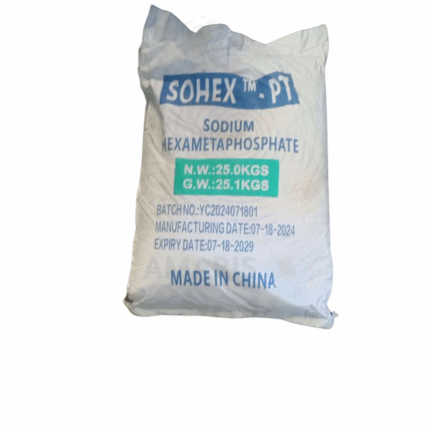
Sodium Hexametaphosphate Food Grade
Sodium Hexametaphosphate Food Grade is a white, granular or powdery inorganic compound composed of sodium and metaphosphoric acid polymers. It is highly soluble in water and acts as an effective sequestrant, dispersing agent, and water softener. SHMP is widely used across various industries including food processing, water treatment, detergents, ceramics, and metallurgy. It helps control hardness, prevent scale formation, and stabilize formulations, making it valuable in both industrial and consumer applications.












