

 Preservatives(food)
 Flavor Enhancers
 Acidulants
 Sweeteners
 Antioxidants
 Colorants(food)
 Nutraceutical Ingredients (food)
 Nutrient Supplements
 Emulsifiers
 Collectors
 Dust Suppressants
 Explosives and Blasting Agents
 Flocculants and Coagulants
 Frothers
 Leaching Agents
 pH Modifiers
 Precious Metal Extraction Agents
 Antioxidants(plastic)
 Colorants (Pigments, Dyes)
 Fillers and Reinforcements
 Flame Retardants
 Monomers
 Plasticizers
 Polymerization Initiators
 Stabilizers (UV, Heat)
 Antifoaming Agents
 Chelating Agents
 Coagulants and Flocculants
 Corrosion Inhibitors
 Disinfectants and Biocides
 Oxidizing Agents
 pH Adjusters
 Scale Inhibitors( water)
 Antioxidants(cosmetic)
 Emollients
 Fragrances and Essential Oils
 Humectants
 Preservatives
 Surfactants(cosmetic)
 Thickeners
 UV Filters
 Fertilizers
 Soil Conditioners
 Plant Growth Regulators
 Animal Feed Additives
 Biostimulants
 Pesticides (Herbicides, Insecticides, Fungicides)
 Active Pharmaceutical Ingredients (APIs)
 Excipients
 Solvents(pharmaceutical)
 Antibiotics
 Antiseptics and Disinfectants
 Vaccine Adjuvants
 Nutraceutical Ingredients (pharmaceutical)
 Analgesics & Antipyretics
 Analytical Reagents
 Solvents(lab)
 Chromatography Chemicals
 Spectroscopy Reagents
 microbiology-and-cell-culture-reagents
 Molecular Biology Reagents
 Biochemical Reagents
 Inorganic and Organic Standards
 Laboratory Safety Chemicals
 Specialty Laboratory Chemicals(Special Laboratory Equipment)
 Demulsifiers
 Hydraulic Fracturing Fluids
 Scale Inhibitors(oil)
 Surfactants(oil)
 Drilling Fluids
 Dyes and Pigments
 Bleaching Agents
 Softening Agents
 Finishing Agents
 Antistatic Agents
 Admixtures
 Waterproofing Agents
 Sealants and Adhesives
 Curing Compounds
 Concrete Repair Chemicals
 Anti-Corrosion Coatings
 Surfactants(cleaning)
 Builders
 Enzymes
 Solvents (Cleaning)
 Fragrances
 Electronic Chemicals
 Catalysts
 Lubricants
 Photographic Chemicals
 Refrigerants
 Automotive chemicals
 Pyrotechnic Chemicals
 Biodegradable Surfactants
 Bio-based Solvents
 Renewable Polymers
 Carbon Capture Chemicals
 Wastewater Treatment Chemicals
 Pigments
 Solvents(paint)
 Specialty Coatings
 Binders/Resins
 Additives
 Driers
 Anti-Corrosion Agents
 Functional Coatings
 Application-Specific Coatings
 Leavening Agents
 Dough Conditioners
 Flour Treatments
 Fat Replacers
 Decoratives
 Preservatives(baking)
 Plasticizers & Softeners
 Reinforcing Agents
 Adhesion Promoters
 Vulcanizing Agents
 Antidegradants
 Blowing Agents
 Fillers & Extenders
 Accelerators & Retarders
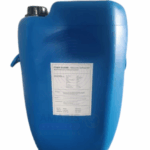


Magnesium Ribbon Extra Pure
Original price was: $ 17.45.$ 17.34Current price is: $ 17.34.
Magnesium Ribbon Extra Pure is a highly reactive metallic strip known for its silvery appearance and clean-burning properties. It is widely used in laboratory demonstrations, particularly in combustion and oxidation experiments, where it burns with a bright white flame, showcasing exothermic reactions vividly. Due to its high purity, it ensures minimal contamination in analytical and research applications. Beyond academics, magnesium ribbon also finds niche uses in pyrotechnics, metal alloy production, and chemical synthesis where controlled reactivity and reliable performance are essential. Its lightweight and malleable nature make it easy to handle and ideal for precision experimental setups.
Magnesium Ribbon Extra Pure
Primary Uses
- Combustion and Flame Tests:
- Commonly used in demonstrations and experiments to illustrate combustion reactions and the production of intense white flame.
- Reagent in Redox Reactions:
- Acts as a reducing agent in reactions with acids and other oxidizing compounds (e.g., displacement of hydrogen from dilute acids).
- Standard Material in Thermochemistry:
- Burned in calorimetry experiments to measure enthalpy changes.
Secondary Uses
- Hydrogen Gas Generation:
- Reacts with dilute acids (e.g., HCl) to generate hydrogen gas for collection and study.
- Production of Magnesium Salts:
- Serves as a base material for preparing various magnesium-based compounds.
- Education and Demonstration:
- Frequently used in schools and colleges for basic chemistry demonstrations, particularly oxidation and light-emitting reactions.
| PACK SIZE | 25 grams Plastic Tin |
|---|
1. Basic Identification Attributes
- Chemical Name: Magnesium Ribbon
- Synonyms: Magnesium metal ribbon, Mg Ribbon
- CAS Number: 7439-95-4
- Molecular Formula: Mg
- Molecular Weight: 24.31 g/mol
- Appearance: Silvery-white, flexible metal strip
- Odor: Odorless
- Solubility: Reacts with acids; insoluble in water
- Grade: Extra Pure
- Physical Form: Thin metallic ribbon, typically in coils or rolls
2. Safety & Hazard Attributes
- GHS Classification:
- Flammable solid (Category 2)
- Hazard Statements:
- H228: Flammable solid
- H261: In contact with water releases flammable gases
- Precautionary Statements:
- P210: Keep away from heat/sparks/open flames
- P231 + P232: Handle under inert gas; protect from moisture
- P370 + P378: In case of fire, use dry sand or Class D fire extinguisher—never water
- Personal Protective Equipment (PPE):
- Flame-resistant lab coat
- Safety goggles or face shield
- Nitrile or flame-resistant gloves
- Use forceps or tongs when igniting
- First Aid Measures:
- Inhalation: Move to fresh air; seek medical help if symptoms persist
- Skin Contact: Wash with water; remove any metal residue
- Eye Contact: Rinse cautiously with water; consult physician
- Ingestion: Not typically ingested; seek immediate medical attention
- Fire Hazards:
- Burns with intense white flame
- Produces magnesium oxide smoke
- Do NOT use water, CO₂, or foam to extinguish fire
- Use Class D (dry powder) extinguisher or dry sand
3. Storage & Handling Attributes
- Storage Conditions:
- Store in a tightly sealed container
- Keep in a dry, cool place away from acids and oxidizing agents
- Avoid moisture and air exposure to prevent oxidation
- Handling Tips:
- Cut ribbon carefully; avoid generating dust or small fragments
- Do not handle near ignition sources or open flame
- Use under a fume hood when igniting
4. Laboratory Applications
- Primary Uses:
- Demonstrating combustion reactions in educational labs
- Single displacement reactions with dilute acids (e.g., Mg + HCl → H₂)
- Stoichiometric analysis in analytical chemistry
- Secondary Uses:
- Heat source in ignition of other metals or thermite reactions
- Reducing agent in inorganic syntheses
- Production of magnesium salts
SAFETY PRECAUTIONS
Personal Protective Equipment (PPE):
- Wear a lab coat, heat-resistant gloves, and safety goggles.
- Use tongs or forceps when handling during ignition experiments.
Handling:
- Handle with care; do not cut or bend excessively.
- Avoid contact with moisture, acids, or oxidizers.
- Do not ignite large quantities at once.
- Wash hands thoroughly after use.
Storage:
- Store in a cool, dry, and well-ventilated area.
- Keep away from water, acids, heat, and ignition sources.
- Store in a tightly sealed container, preferably under an inert atmosphere if long-term storage is needed.
FIRST AID MEASURES
Inhalation (of fumes):
- Remove to fresh air immediately.
- Seek medical attention if breathing difficulty or coughing occurs.
Skin Contact (burns from ignition):
- Cool the affected area with running water.
- Do not apply oils or creams.
- Cover with a sterile bandage and seek medical assistance.
Eye Contact (from flash or particles):
- Rinse eyes cautiously with clean water for several minutes.
- Remove contact lenses if easy to do.
- Seek immediate medical attention.
Ingestion:
- Do not ingest; metallic magnesium can react in the stomach.
- Rinse mouth with water.
- Seek urgent medical care.
FIRE FIGHTING MEASURES
Flammability:
- Highly flammable when ignited, especially as thin ribbon or powder.
- Burns with intense white light; avoid direct eye exposure.
Extinguishing Media:
- DO NOT USE WATER – reacts violently.
- Use Class D fire extinguishers (dry sand, graphite powder, or special dry chemical agents for metal fires).
Hazardous Combustion Products:
- Produces magnesium oxide smoke on burning.
Firefighter Protection:
- Wear self-contained breathing apparatus (SCBA) and full protective gear.
- Avoid contact with water during firefighting operations.
Related products
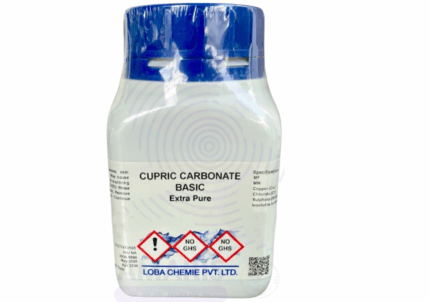
Cupric Carbonate Extra Pure
Cupric Carbonate Extra Pure is a fine, green, high-purity compound used in laboratories for inorganic synthesis, analytical chemistry, and educational demonstrations. It serves as a reliable source of copper ions in reactions and decomposes upon heating to form copper oxide, making it useful for studying thermal decomposition. In qualitative analysis, it is employed to observe characteristic reactions of copper salts. Its extra pure grade ensures minimal interference from impurities, supporting accurate experimental outcomes. Cupric carbonate should be handled in a dry environment and stored in tightly sealed containers to prevent degradation and maintain stability.
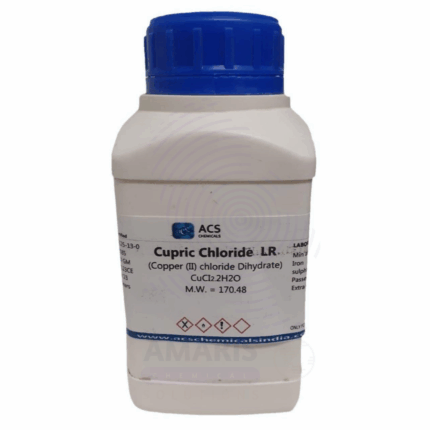
Cupric Chloride Extra Pure
Cupric Chloride Extra Pure is a green to yellowish crystalline compound widely used in laboratories as a catalyst, reagent, and source of copper ions in various chemical reactions. It plays a key role in organic synthesis, photochemical processes, and analytical chemistry procedures, especially for detecting reducing agents and halide ions. Its high solubility in water and alcohol allows for versatile application across wet-lab experiments. The extra pure grade ensures excellent reliability and minimal impurities, making it ideal for precision work in research and education. Store in a cool, dry place, protected from moisture and light to preserve its reactivity.
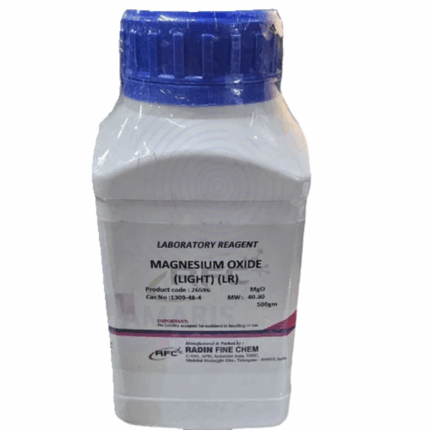
Magnesium Oxide Light Powder Extra Pure
Magnesium Oxide Light Powder Extra Pure is a fine, white, odorless powder with a lower bulk density compared to the heavy grade, offering high surface area and excellent reactivity. It is widely used in analytical laboratories, pharmaceuticals, and cosmetics due to its purity and gentle chemical behavior. In pharmaceutical formulations, it acts as an antacid and magnesium supplement, while in cosmetics, it is used for its absorbent and pH-adjusting properties. Its light, fluffy texture also makes it ideal for use in rubber, plastics, and coatings as a filler, stabilizer, or neutralizing agent. The extra pure grade ensures consistent quality for precise and sensitive applications.
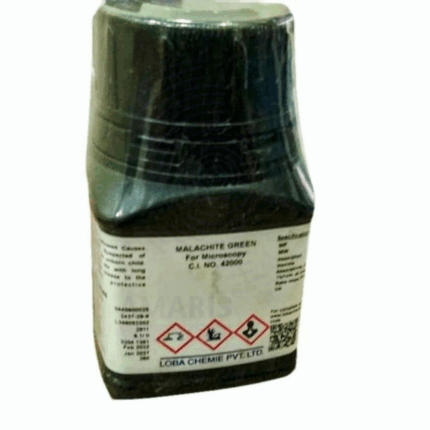
Malachite Green Extra Pure
Malachite Green Extra Pure is a synthetic dye of exceptional purity, recognized for its intense green coloration and versatile laboratory uses. It is commonly used as a biological stain, especially in microbiology for identifying and differentiating bacterial species, and in histology for staining cell structures. Additionally, Malachite Green serves as an effective fungicide and antiparasitic agent in aquaculture and laboratory testing. Its high purity ensures reliable performance in analytical applications, including redox titrations and as a pH indicator in specific chemical reactions. Its vivid color and chemical stability make it a valuable reagent in both teaching and professional research settings.
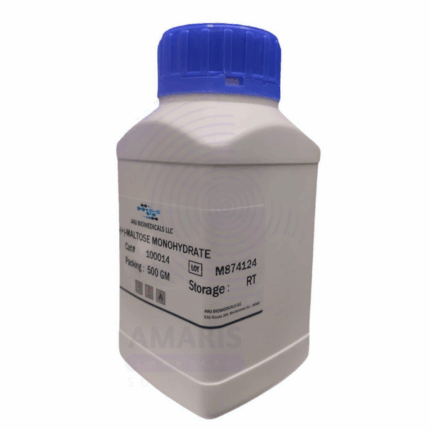
Maltose Extra Pure
Maltose Extra Pure is a disaccharide composed of two glucose units, commonly known as malt sugar. This extra pure grade ensures exceptional quality and consistency, making it ideal for use in biochemical research, fermentation studies, and laboratory analysis. In the food industry, maltose is valued for its mild sweetness and is often used in brewing, baking, and confectionery to promote fermentation and enhance flavor. It also plays a role in energy metabolism studies and is frequently used as a carbon source in microbiological media. Its stability and solubility in water make it easy to incorporate into various formulations, offering a dependable ingredient for scientific and industrial use where high purity is essential.
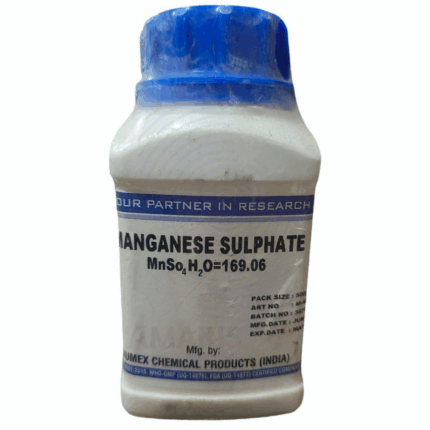
Manganese Sulphate Extra Pure
Manganese Sulphate Extra Pure is a highly refined, pale pink crystalline compound widely valued for its use in both laboratory and industrial applications. In the lab, it serves as a reliable source of manganese ions in analytical chemistry, synthesis of manganese-based catalysts, and as a micronutrient in biological research. Industrially, it plays a crucial role in fertilizers, where it addresses manganese deficiency in crops, and in animal feed formulations. Due to its high solubility and purity, this compound is also used in electroplating, ceramics, and pigment production, making it a versatile and essential chemical in many scientific and manufacturing settings.
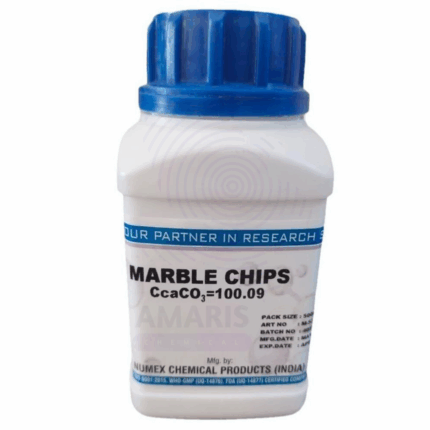
Marble Chips Extra Pure
Marble Chips Extra Pure are high-grade, naturally occurring calcium carbonate fragments that have been carefully processed to ensure exceptional purity. These white or off-white chips are widely used in laboratory experiments, especially in demonstrations involving acid-carbonate reactions where the release of carbon dioxide is observed. Beyond educational and research use, they also serve as a buffering agent, filtration medium, and mild abrasive in various industrial applications. Due to their chemical stability and high calcium content, marble chips are ideal for use in controlled environments where contaminants must be minimized.
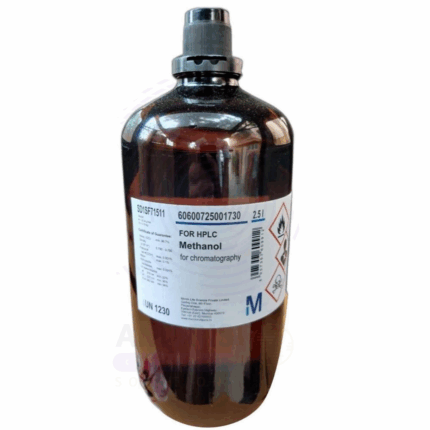
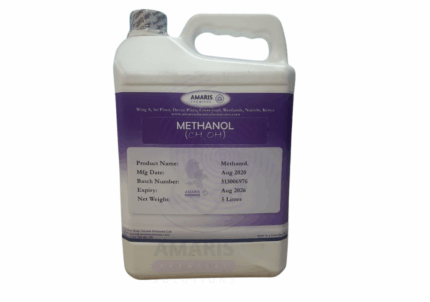
Methanol Extra Pure
Methanol Extra Pure is a clear, colorless, and highly volatile liquid with a mild alcohol-like odor, refined to an exceptional level of purity. It is widely used as a solvent in laboratories and industrial settings due to its excellent miscibility with water and many organic compounds. Methanol serves as a key reagent in chemical synthesis, particularly in the production of formaldehyde, methyl esters, and biodiesel. In analytical chemistry, it’s used for chromatography and spectroscopic applications where high purity is essential. Its rapid evaporation rate and strong solvency make it ideal for cleaning delicate equipment and preparing lab samples.












