

 Preservatives(food)
 Flavor Enhancers
 Acidulants
 Sweeteners
 Antioxidants
 Colorants(food)
 Nutraceutical Ingredients (food)
 Nutrient Supplements
 Emulsifiers
 Collectors
 Dust Suppressants
 Explosives and Blasting Agents
 Flocculants and Coagulants
 Frothers
 Leaching Agents
 pH Modifiers
 Precious Metal Extraction Agents
 Antioxidants(plastic)
 Colorants (Pigments, Dyes)
 Fillers and Reinforcements
 Flame Retardants
 Monomers
 Plasticizers
 Polymerization Initiators
 Stabilizers (UV, Heat)
 Antifoaming Agents
 Chelating Agents
 Coagulants and Flocculants
 Corrosion Inhibitors
 Disinfectants and Biocides
 Oxidizing Agents
 pH Adjusters
 Scale Inhibitors( water)
 Antioxidants(cosmetic)
 Emollients
 Fragrances and Essential Oils
 Humectants
 Preservatives
 Surfactants(cosmetic)
 Thickeners
 UV Filters
 Fertilizers
 Soil Conditioners
 Plant Growth Regulators
 Animal Feed Additives
 Biostimulants
 Pesticides (Herbicides, Insecticides, Fungicides)
 Active Pharmaceutical Ingredients (APIs)
 Excipients
 Solvents(pharmaceutical)
 Antibiotics
 Antiseptics and Disinfectants
 Vaccine Adjuvants
 Nutraceutical Ingredients (pharmaceutical)
 Analgesics & Antipyretics
 Analytical Reagents
 Solvents(lab)
 Chromatography Chemicals
 Spectroscopy Reagents
 microbiology-and-cell-culture-reagents
 Molecular Biology Reagents
 Biochemical Reagents
 Inorganic and Organic Standards
 Laboratory Safety Chemicals
 Specialty Laboratory Chemicals(Special Laboratory Equipment)
 Demulsifiers
 Hydraulic Fracturing Fluids
 Scale Inhibitors(oil)
 Surfactants(oil)
 Drilling Fluids
 Dyes and Pigments
 Bleaching Agents
 Softening Agents
 Finishing Agents
 Antistatic Agents
 Admixtures
 Waterproofing Agents
 Sealants and Adhesives
 Curing Compounds
 Concrete Repair Chemicals
 Anti-Corrosion Coatings
 Surfactants(cleaning)
 Builders
 Enzymes
 Solvents (Cleaning)
 Fragrances
 Electronic Chemicals
 Catalysts
 Lubricants
 Photographic Chemicals
 Refrigerants
 Automotive chemicals
 Pyrotechnic Chemicals
 Biodegradable Surfactants
 Bio-based Solvents
 Renewable Polymers
 Carbon Capture Chemicals
 Wastewater Treatment Chemicals
 Pigments
 Solvents(paint)
 Specialty Coatings
 Binders/Resins
 Additives
 Driers
 Anti-Corrosion Agents
 Functional Coatings
 Application-Specific Coatings
 Leavening Agents
 Dough Conditioners
 Flour Treatments
 Fat Replacers
 Decoratives
 Preservatives(baking)
 Plasticizers & Softeners
 Reinforcing Agents
 Adhesion Promoters
 Vulcanizing Agents
 Antidegradants
 Blowing Agents
 Fillers & Extenders
 Accelerators & Retarders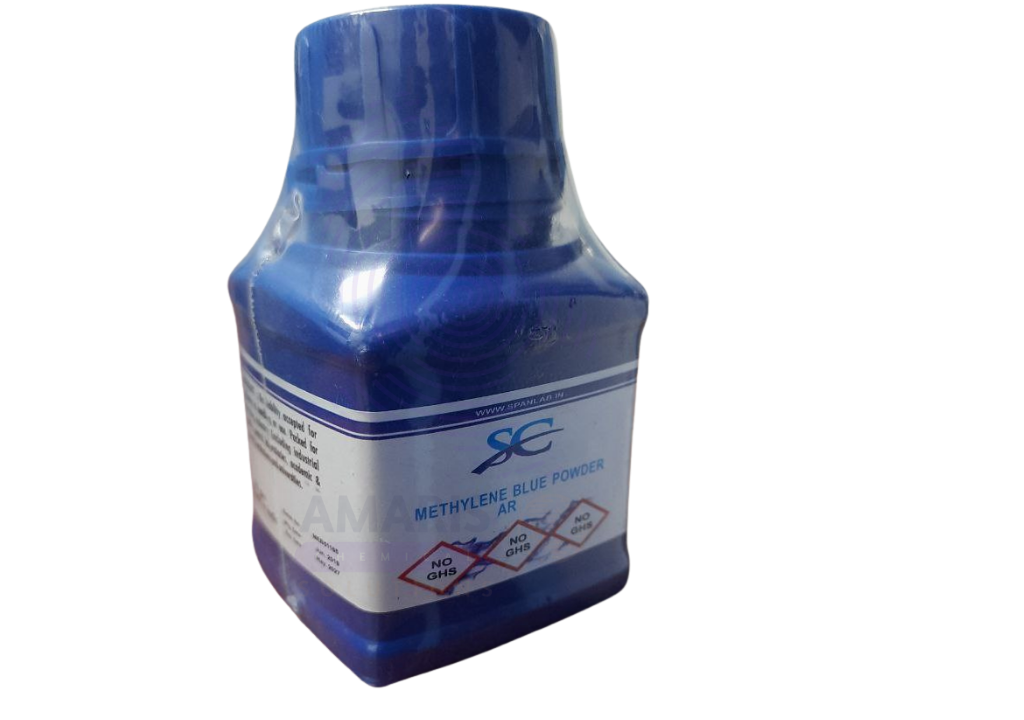
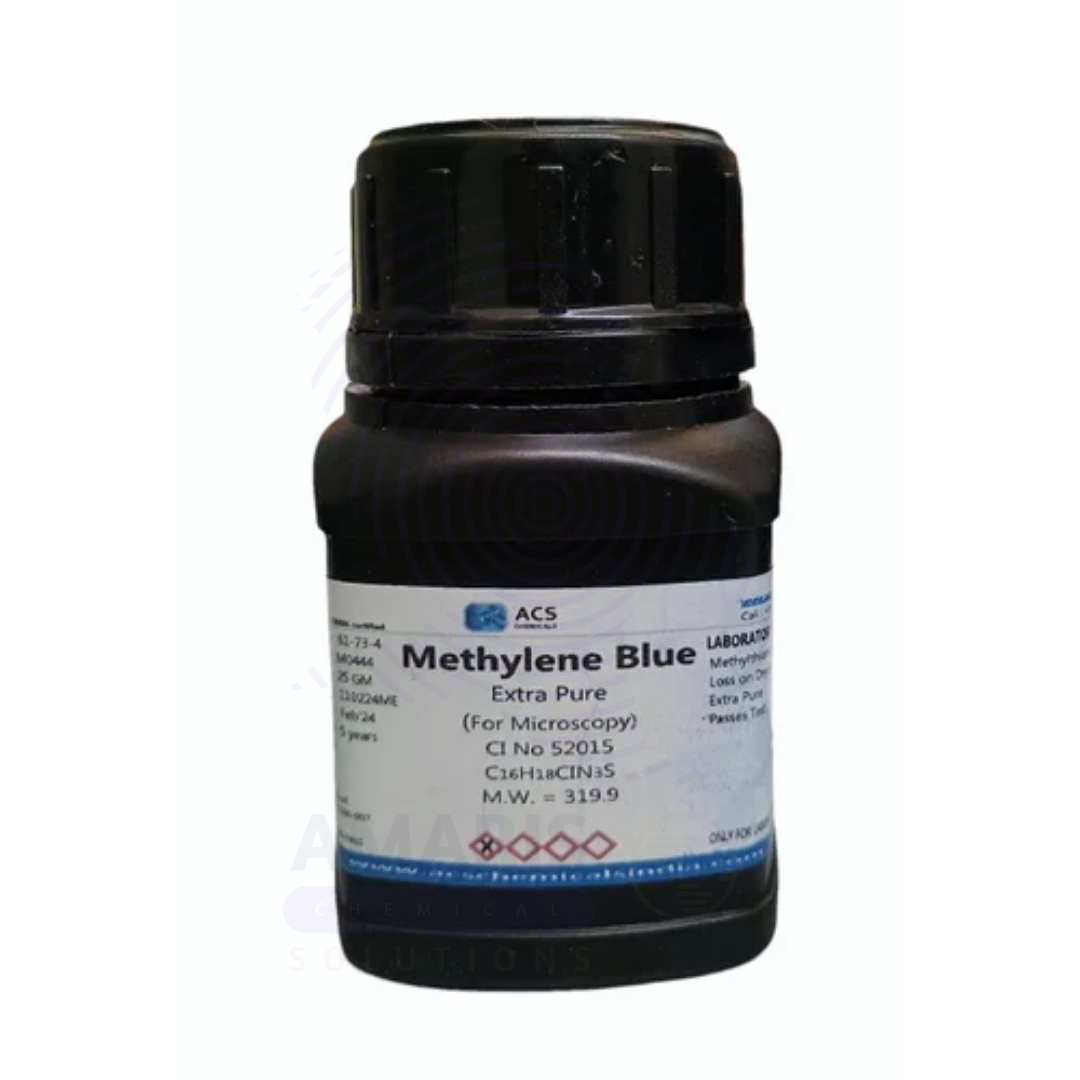

Methylene Blue Powder Extra Pure
Original price was: $ 17.70.$ 17.63Current price is: $ 17.63.
Methylene Blue Powder Extra Pure is a high-grade dye with diverse laboratory and industrial applications. It is widely used as a biological stain in microscopy for highlighting cellular structures such as nuclei, bacteria, and parasites, particularly in blood smear and bacteriological studies. In chemistry, it serves as a redox indicator due to its distinct color change properties, and in aquaculture, it acts as a treatment for fungal and bacterial infections in fish. Its extra pure formulation ensures maximum staining clarity, minimal contamination, and reliable results in research, diagnostics, and educational settings.
Methylene Blue Powder Extra Pure
Primary Uses
- Biological Stain – Widely used for staining animal and bacterial cells (e.g., in microbiology and histology) to highlight cellular structures such as nuclei and cytoplasm.
- Redox Indicator – Serves as an oxidation-reduction indicator in various analytical chemistry applications.
Secondary Uses
- Aquaculture & Fish Medication – Used to treat fungal and bacterial infections in aquarium and hatchery settings.
- Research Reagent – Applied in studies involving mitochondrial respiration, membrane permeability, and nerve tissue viability.
- Dye in Microscopy Slides – Helps visualize cell morphology in prepared slide specimens.
| PACK SIZE | 25 grams Plastic Tin |
|---|
1. Basic Identification Attributes
- Chemical Name: Methylene Blue
- Synonyms: Basic Blue 9, Methylthioninium chloride
- Chemical Formula: C₁₆H₁₈ClN₃S
- CAS Number: 61-73-4
- Molecular Weight: 319.85 g/mol
- Appearance: Dark greenish-blue crystalline powder
- Odor: Odorless
- Solubility: Soluble in water and ethanol (forms deep blue solution)
- Grade: Extra Pure
2. Safety & Hazard Attributes
- GHS Classification:
- Eye Irritant (Category 2A)
- Skin Irritant (Category 2)
- Acute Toxicity (Oral, Category 4 — in large quantities)
- Hazard Statements:
- H302: Harmful if swallowed
- H315: Causes skin irritation
- H319: Causes serious eye irritation
- Precautionary Statements:
- P264: Wash hands thoroughly after handling
- P280: Wear protective gloves/eye protection
- P305+P351+P338: IF IN EYES: Rinse cautiously with water
- PPE Required:
- Gloves
- Lab coat
- Safety goggles or face shield
- First Aid:
- Eye Contact: Rinse cautiously with water
- Skin Contact: Wash with soap and water
- Inhalation: Remove to fresh air
- Ingestion: Rinse mouth and seek medical advice
- Fire Hazards:
- Not highly flammable
- Use water spray, CO₂, dry chemical for fire extinguishing
3. Storage & Handling
- Storage Conditions:
- Store in a tightly sealed container
- Keep in a cool, dry, and dark location
- Avoid moisture and strong oxidizing agents
- Handling Tips:
- Avoid dust formation
- Prevent skin or clothing contact—stains persistently
4. Laboratory Applications
- Primary Uses:
- Biological stain for microscopy (nuclei and bacteria visualization)
- Indicator in redox titrations
- Redox dye in electron transport chain studies
- Secondary Uses:
- Aquaculture and aquarium antiseptic
- Diagnostic reagent in medical and microbiological labs
- Photodynamic therapy research and oxidative stress studies
SAFETY PRECAUTIONS
Personal Protective Equipment (PPE):
- Wear a lab coat, nitrile gloves, and chemical safety goggles.
- Use a dust mask or work in a fume hood to avoid inhalation of fine powder.
Handling:
- Avoid contact with skin, eyes, and clothing.
- Prevent formation and inhalation of dust.
- Avoid ingestion.
- Wash hands thoroughly after handling.
Storage:
- Store in a tightly sealed container in a cool, dry, and well-ventilated area.
- Protect from moisture, light, and heat.
- Keep away from incompatible substances such as strong oxidizers and acids.
FIRST AID MEASURES
Inhalation:
- Move the person to fresh air immediately.
- Seek medical attention if symptoms like coughing or difficulty breathing occur.
Skin Contact:
- Wash affected areas thoroughly with soap and water.
- Remove contaminated clothing.
- Get medical advice if irritation or staining persists.
Eye Contact:
- Rinse eyes gently with plenty of water for at least 15 minutes.
- Remove contact lenses if present and easy to do.
- Seek medical attention.
Ingestion:
- Rinse mouth with water.
- Do not induce vomiting.
- Seek medical advice promptly.
FIRE FIGHTING MEASURES
Flammability:
- Not highly flammable but may burn if involved in a fire.
Extinguishing Media:
- Use dry chemicals, CO₂, or foam.
- Water spray can be used for cooling containers but may spread the powder.
Hazardous Combustion Products:
- May emit carbon oxides, sulfur oxides, and nitrogen oxides when decomposed.
Firefighter Protection:
- Use self-contained breathing apparatus (SCBA) and full protective gear.
Related products
Acetone Extra Pure
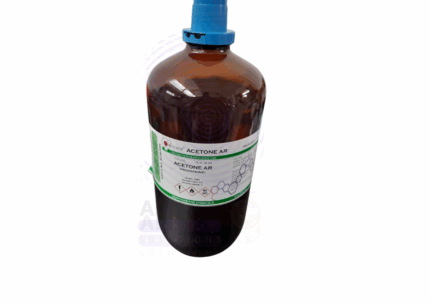
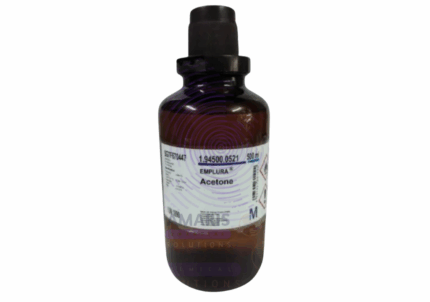
Acetone Extra Pure is a highly volatile, flammable, and colorless liquid widely used as a powerful solvent in laboratory and industrial applications. Known for its exceptional ability to dissolve a wide range of substances, it is commonly employed for cleaning laboratory glassware, thinning resins, and removing organic residues. In the cosmetics and pharmaceutical industries, acetone is used in nail polish removers and formulation processes. Its high evaporation rate and purity make it suitable for analytical procedures and synthesis work, especially where contaminant-free solvents are essential. With a distinct odor and low boiling point, Acetone Extra Pure is an indispensable reagent for both routine and specialized chemical operations.
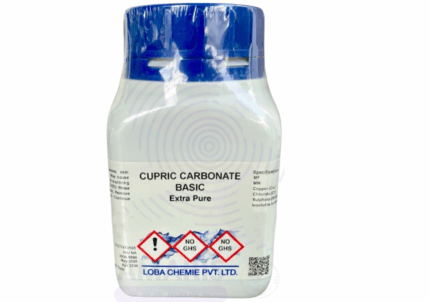
Cupric Carbonate Extra Pure
Cupric Carbonate Extra Pure is a fine, green, high-purity compound used in laboratories for inorganic synthesis, analytical chemistry, and educational demonstrations. It serves as a reliable source of copper ions in reactions and decomposes upon heating to form copper oxide, making it useful for studying thermal decomposition. In qualitative analysis, it is employed to observe characteristic reactions of copper salts. Its extra pure grade ensures minimal interference from impurities, supporting accurate experimental outcomes. Cupric carbonate should be handled in a dry environment and stored in tightly sealed containers to prevent degradation and maintain stability.
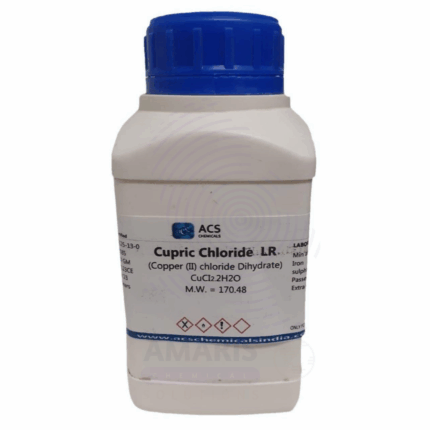
Cupric Chloride Extra Pure
Cupric Chloride Extra Pure is a green to yellowish crystalline compound widely used in laboratories as a catalyst, reagent, and source of copper ions in various chemical reactions. It plays a key role in organic synthesis, photochemical processes, and analytical chemistry procedures, especially for detecting reducing agents and halide ions. Its high solubility in water and alcohol allows for versatile application across wet-lab experiments. The extra pure grade ensures excellent reliability and minimal impurities, making it ideal for precision work in research and education. Store in a cool, dry place, protected from moisture and light to preserve its reactivity.
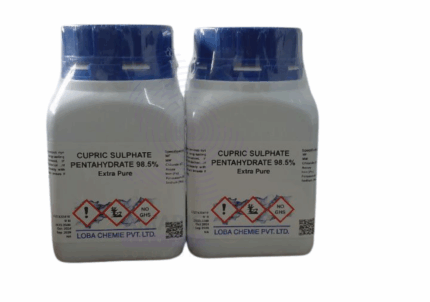
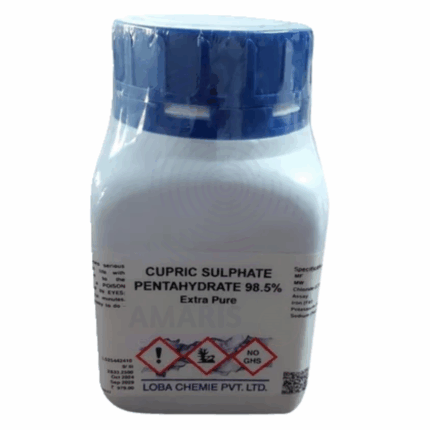
Cupric Sulphate Pentahydrate Extra Pure
Cupric Sulphate Pentahydrate Extra Pure is a vibrant blue crystalline compound widely used in laboratories for its high solubility and consistent copper ion content. It is essential in analytical chemistry for Fehling's and Benedict’s solutions, in electrochemistry for plating and battery experiments, and as a biological nutrient in microbiological media. The pentahydrate form offers ease of handling and precise formulation in aqueous solutions. This extra pure grade ensures exceptional purity, making it suitable for teaching labs, research applications, and controlled experimental procedures. Store in a sealed container away from heat and moisture to maintain its crystalline integrity.
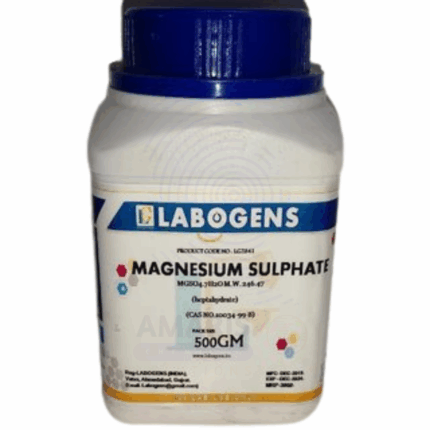
Magnesium Sulphate Extra Pure
Magnesium Sulphate Extra Pure is a high-purity, inorganic compound commonly appearing as a white crystalline powder or granules. It is primarily valued in laboratories for its role as a source of magnesium ions in chemical analysis and biological experiments. This compound is widely used in buffer preparation, dehydration processes, and precipitation reactions due to its excellent solubility in water. In addition to lab applications, it also serves purposes in pharmaceutical formulations, cosmetics, and agriculture as a magnesium supplement. Its extra pure grade ensures minimal impurities, making it suitable for sensitive research and analytical tasks.
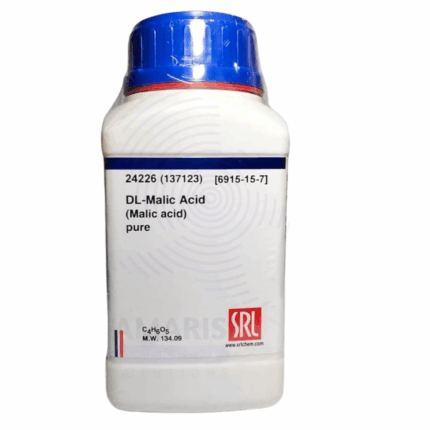
Malic Acid Extra Pure
Malic Acid Extra Pure is a high-grade, naturally occurring dicarboxylic acid known for its sharp, tart flavor and versatility in both laboratory and industrial settings. It is commonly found in fruits such as apples and is widely used as an acidulant in food and beverage formulations, where it enhances flavor, preserves freshness, and improves pH stability. In laboratory applications, Malic Acid is employed in biochemical research, particularly in studies involving the citric acid cycle, due to its role as an intermediate metabolite. Its excellent solubility in water and mild acidity also make it suitable for cosmetic formulations and pharmaceutical preparations. The extra pure grade ensures high analytical accuracy and consistent quality across applications requiring strict purity standards.
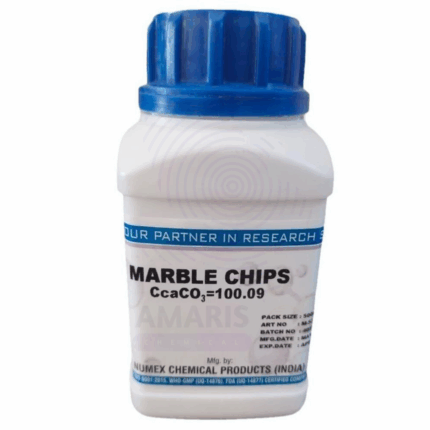
Marble Chips Extra Pure
Marble Chips Extra Pure are high-grade, naturally occurring calcium carbonate fragments that have been carefully processed to ensure exceptional purity. These white or off-white chips are widely used in laboratory experiments, especially in demonstrations involving acid-carbonate reactions where the release of carbon dioxide is observed. Beyond educational and research use, they also serve as a buffering agent, filtration medium, and mild abrasive in various industrial applications. Due to their chemical stability and high calcium content, marble chips are ideal for use in controlled environments where contaminants must be minimized.
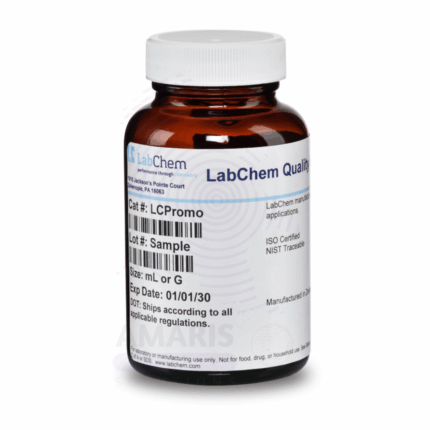
Methyl Orange Disodium Salt Extra Pure
Methyl Orange Disodium Salt Extra Pure is a high-purity pH indicator commonly used in titrations and analytical chemistry to determine acidity levels. It exhibits a sharp color change from red in acidic environments to yellow in alkaline conditions, typically within the pH range of 3.1 to 4.4. This disodium salt form ensures excellent solubility in water, making it especially reliable for use in aqueous solutions. Its stability and sensitivity make it ideal for laboratory applications involving strong acid–base reactions, particularly in titrations of mineral acids. Methyl Orange Disodium Salt Extra Pure is a trusted choice for consistent and accurate results in both educational and professional lab settings.












