

 Preservatives(food)
 Flavor Enhancers
 Acidulants
 Sweeteners
 Antioxidants
 Colorants(food)
 Nutraceutical Ingredients (food)
 Nutrient Supplements
 Emulsifiers
 Collectors
 Dust Suppressants
 Explosives and Blasting Agents
 Flocculants and Coagulants
 Frothers
 Leaching Agents
 pH Modifiers
 Precious Metal Extraction Agents
 Antioxidants(plastic)
 Colorants (Pigments, Dyes)
 Fillers and Reinforcements
 Flame Retardants
 Monomers
 Plasticizers
 Polymerization Initiators
 Stabilizers (UV, Heat)
 Antifoaming Agents
 Chelating Agents
 Coagulants and Flocculants
 Corrosion Inhibitors
 Disinfectants and Biocides
 Oxidizing Agents
 pH Adjusters
 Scale Inhibitors( water)
 Antioxidants(cosmetic)
 Emollients
 Fragrances and Essential Oils
 Humectants
 Preservatives
 Surfactants(cosmetic)
 Thickeners
 UV Filters
 Fertilizers
 Soil Conditioners
 Plant Growth Regulators
 Animal Feed Additives
 Biostimulants
 Pesticides (Herbicides, Insecticides, Fungicides)
 Active Pharmaceutical Ingredients (APIs)
 Excipients
 Solvents(pharmaceutical)
 Antibiotics
 Antiseptics and Disinfectants
 Vaccine Adjuvants
 Nutraceutical Ingredients (pharmaceutical)
 Analgesics & Antipyretics
 Analytical Reagents
 Solvents(lab)
 Chromatography Chemicals
 Spectroscopy Reagents
 microbiology-and-cell-culture-reagents
 Molecular Biology Reagents
 Biochemical Reagents
 Inorganic and Organic Standards
 Laboratory Safety Chemicals
 Specialty Laboratory Chemicals(Special Laboratory Equipment)
 Demulsifiers
 Hydraulic Fracturing Fluids
 Scale Inhibitors(oil)
 Surfactants(oil)
 Drilling Fluids
 Dyes and Pigments
 Bleaching Agents
 Softening Agents
 Finishing Agents
 Antistatic Agents
 Admixtures
 Waterproofing Agents
 Sealants and Adhesives
 Curing Compounds
 Concrete Repair Chemicals
 Anti-Corrosion Coatings
 Surfactants(cleaning)
 Builders
 Enzymes
 Solvents (Cleaning)
 Fragrances
 Electronic Chemicals
 Catalysts
 Lubricants
 Photographic Chemicals
 Refrigerants
 Automotive chemicals
 Pyrotechnic Chemicals
 Biodegradable Surfactants
 Bio-based Solvents
 Renewable Polymers
 Carbon Capture Chemicals
 Wastewater Treatment Chemicals
 Pigments
 Solvents(paint)
 Specialty Coatings
 Binders/Resins
 Additives
 Driers
 Anti-Corrosion Agents
 Functional Coatings
 Application-Specific Coatings
 Leavening Agents
 Dough Conditioners
 Flour Treatments
 Fat Replacers
 Decoratives
 Preservatives(baking)
 Plasticizers & Softeners
 Reinforcing Agents
 Adhesion Promoters
 Vulcanizing Agents
 Antidegradants
 Blowing Agents
 Fillers & Extenders
 Accelerators & Retarders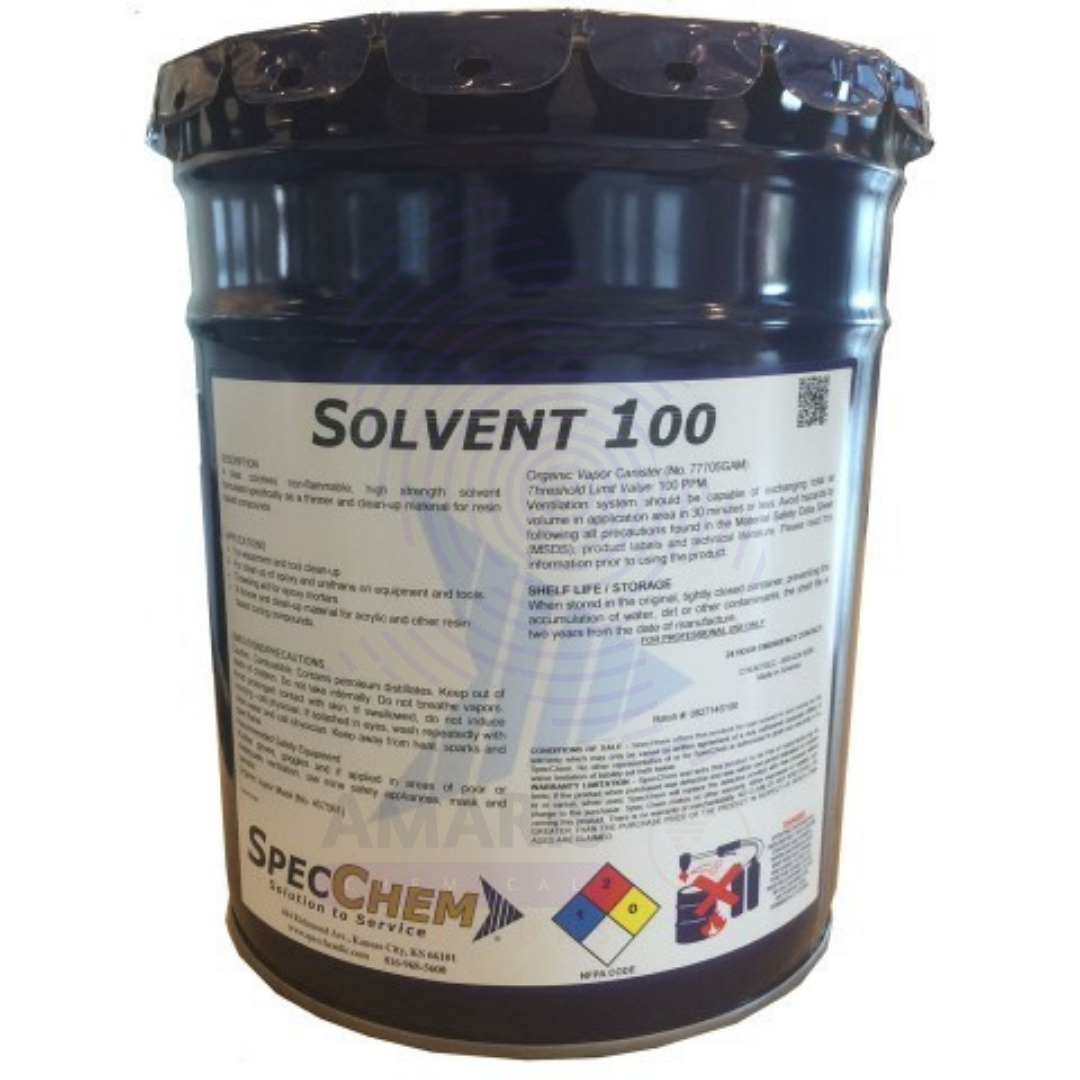

Naphta Solvent
Naphta Solvent Kokosal, commonly known as Kokosal, is a petroleum-derived hydrocarbon solvent composed primarily of aliphatic and aromatic hydrocarbons with a boiling range near 100°C. It is a clear, colorless to pale yellow liquid with a characteristic hydrocarbon odor. Kokosal is widely used as an industrial solvent due to its excellent solvency power, moderate evaporation rate, and compatibility with many resins, oils, and waxes. It is valued in applications such as coatings, adhesives, cleaning, and chemical synthesis.
Naphta Solvent (Kokosal)
Primary Uses
- Industrial Cleaning Solvent
- Used for degreasing and cleaning machinery, metal parts, and electronic components.
- Removes oils, greases, waxes, and dirt effectively from surfaces.
- Paints and Coatings
- Serves as a solvent and diluent in paints, varnishes, and lacquers.
- Enhances flow, leveling, and drying properties of coatings.
- Adhesives and Sealants
- Used as a carrier solvent in formulations of adhesives, sealants, and rubber cements.
- Provides suitable viscosity and drying characteristics.
- Chemical Intermediate and Extraction Solvent
- Employed as a solvent in chemical synthesis and extraction processes.
- Useful in refining or purification of oils and other organic compounds.
Secondary Uses
- Printing Inks
- Used as a solvent in solvent-based printing inks for flexibility and gloss enhancement.
- Pharmaceutical and Cosmetic Industries
- Occasionally used as a processing solvent for certain raw materials and intermediates (not for direct product use).
- Rubber and Tire Industry
- Used in rubber processing for cleaning and as a solvent carrier for additives.
- Fuel Additive
- Sometimes blended in small quantities as a fuel additive to improve combustion characteristics.
- Agricultural Chemicals
- Used as a solvent in formulation of pesticides and herbicides for effective application.
1. Basic Identification Attributes
- Chemical Name (IUPAC): Complex mixture of hydrocarbons (Petroleum naphtha)
- Common/Trade Name: Naphta Solvent 100, Kokosal
- CAS Number: Mixture (Typical range 64741-44-2)
- HS Code: 2710.19.20
- Synonyms: Light naphtha; Petroleum solvent; Solvent naphtha (petroleum), light aromatic
2. Physical & Chemical Properties
- Physical State: Clear liquid
- Color & Odor: Colorless to pale yellow; characteristic hydrocarbon odor
- Boiling Range: Approx. 90–110°C
- Density: Approx. 0.70–0.75 g/cm³ at 20°C
- Flash Point: 27–38°C (closed cup)
- Solubility: Insoluble in water; miscible with organic solvents
3. Safety & Hazard Attributes
- GHS Classification: Flammable liquid (Category 3)
- Toxicity: Moderate; can cause skin and respiratory irritation
- Exposure Limits: OSHA PEL 500 ppm (for hydrocarbons)
4. Storage & Handling Attributes
- Storage Conditions: Store in cool, well-ventilated area away from ignition sources
- Container Type: Supplied in metal drums or approved solvent containers
- Shelf Life: Typically 1 year if stored properly
- Handling Precautions: Avoid open flames, sparks; use explosion-proof equipment
5. Regulatory & Compliance Attributes
- Complies with OSHA, EPA, REACH, and other relevant chemical safety regulations
- Listed in major chemical inventories worldwide
6. Environmental & Health Impact
- Biodegradability: Readily biodegradable under aerobic conditions
- Ecotoxicity: Moderate toxicity to aquatic life; avoid release to waterways
- Bioaccumulation: Low potential for bioaccumulation
- Carcinogenicity/Mutagenicity: Not classified as carcinogenic
Safety Handling Precautions
- PPE Required: Gloves, goggles, and flame-resistant clothing recommended
- Handling Guidelines: Use in well-ventilated areas; avoid inhalation and skin contact
- Storage Measures: Keep containers tightly closed; store away from incompatible materials
First Aid Measures
- Inhalation: Move to fresh air; seek medical attention if symptoms persist
- Skin Contact: Wash thoroughly with soap and water
- Eye Contact: Rinse immediately with water for at least 15 minutes; seek medical attention if irritation persists
- Ingestion: Do not induce vomiting; seek immediate medical attention
Firefighting Measures
- Fire Hazards: Highly flammable liquid and vapor
- Extinguishing Media: Use foam, dry chemical, or CO₂ extinguishers
- Special Precautions: Wear self-contained breathing apparatus (SCBA) and protective gear
- Hazardous Combustion Products: Carbon oxides, hydrocarbons, and other toxic fumes
Related products
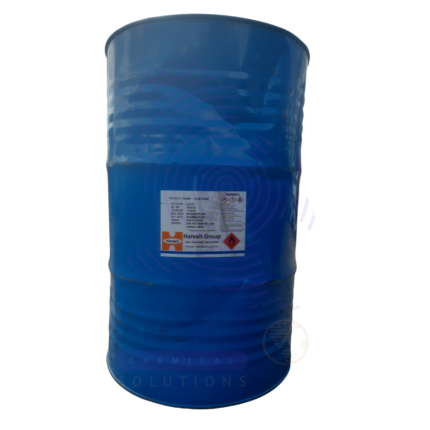
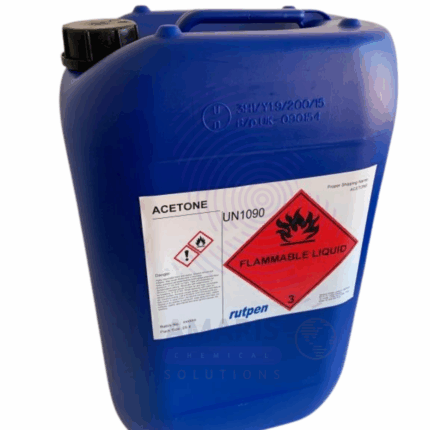
Acetone
Acetone (chemical formula CH₃COCH₃) is the simplest and most widely used ketone, appearing as a clear, colorless, volatile liquid with a characteristic sweet, pungent odor. Industrial Grade Acetone is manufactured with a minimum purity of 99.5%, offering aggressive solvent power, rapid evaporation rate, and complete miscibility with water and most organic solvents. Its combination of high solvency, low toxicity relative to other industrial solvents, and favorable regulatory status makes it an indispensable chemical in manufacturing, cleaning, and formulation processes across numerous heavy industries.
Butanol
Butanol (also known as n-Butanol or Normal Butanol) is a clear, colorless liquid with a mild, alcoholic odor. It is a four-carbon primary alcohol with the chemical formula C4H10O. Butanol is moderately soluble in water and miscible with many organic solvents. Its physical and chemical properties make it a versatile solvent and chemical intermediate. Butanol indicates a high purity grade often used in industrial, pharmaceutical, and chemical synthesis applications.

Butyl Acetate
Butyl Acetate is a clear, colorless liquid with a characteristic pleasant fruity odor similar to pears or bananas. It is an ester formed from butanol and acetic acid. Due to its excellent solvent properties, moderate evaporation rate, and relatively low toxicity, it is widely used in industrial, pharmaceutical, food flavoring, and cosmetic applications. It dissolves many resins and polymers and is prized for improving flow and finish in coatings and inks.
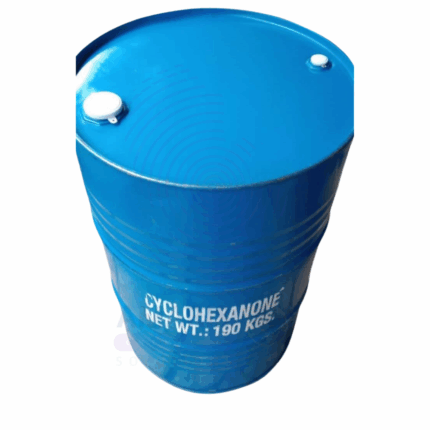

Cyclohexanone
Cyclohexanone is a clear, colorless to pale yellow liquid with a sharp, sweet, acetone-like odor. It is a cyclic ketone with the molecular formula C₆H₁₀O and a moderately high boiling point. Cyclohexanone is a key intermediate in the chemical industry, primarily used in the manufacture of nylon, pharmaceuticals, and agrochemicals. Its excellent solvency and chemical reactivity make it valuable for a wide range of industrial applications, including solvent use and chemical synthesis.
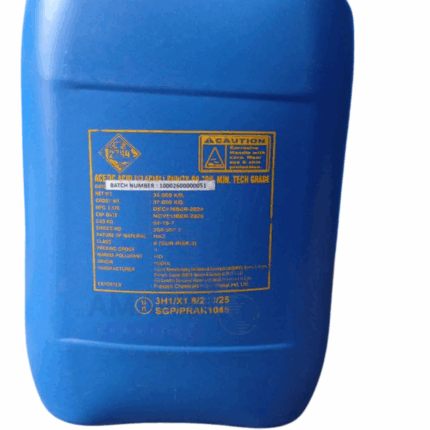
Glacial Acetic Acid Tech grade
Glacial Acetic Acid Tech grade is a clear, colorless liquid with a pungent vinegar-like odor. It is a less refined form of acetic acid primarily used for industrial and technical applications rather than food or pharmaceutical uses. Typically available in concentrations ranging from 80% to glacial (99-100%), it serves as a crucial chemical reagent, solvent, and intermediate in various industrial processes.
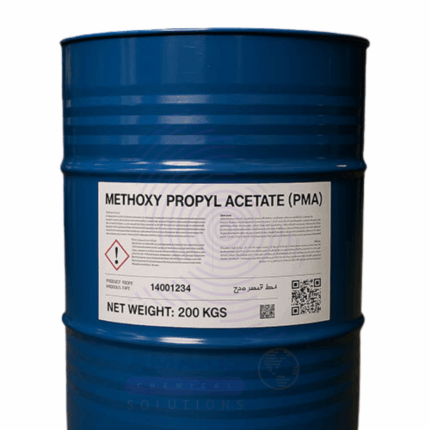
Methoxy Propyl Acetate
Methoxy Propyl Acetate is a clear, colorless liquid solvent with a mild fruity odor. It is an ester derived from methoxy propanol and acetic acid, widely used in coatings, inks, adhesives, and cleaning products due to its excellent solvency, moderate evaporation rate, and good compatibility with various resins. PMA offers low volatility and strong solvency for a broad range of materials, making it ideal for industrial and commercial applications.
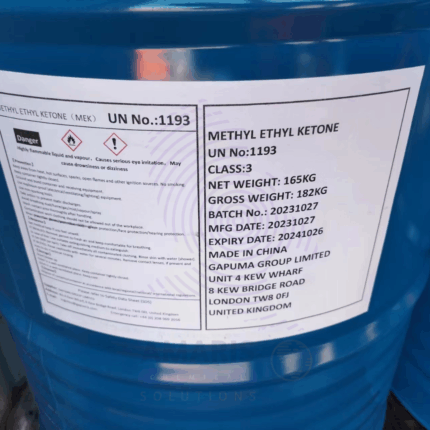
Methyl Ethyl Ketone
Methyl Ethyl Ketone, also known as Butanone, is a clear, colorless liquid with a sharp, sweet odor. It is a highly effective solvent widely used in industrial processes due to its excellent solvency, fast evaporation rate, and compatibility with a wide range of substances. MEK is commonly used in coatings, adhesives, printing inks, and cleaning formulations.
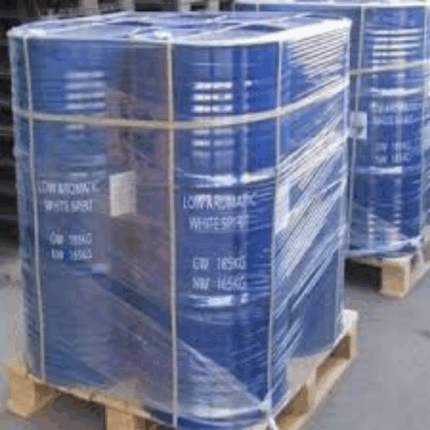
White Spirit
White Spirit is a clear, colorless, petroleum-derived solvent widely used in industrial, commercial, and household applications. It is composed primarily of aliphatic and alicyclic hydrocarbons, offering excellent solvency properties, moderate evaporation rate, and low odor varieties. White Spirit serves as a powerful degreaser, paint thinner, and cleaning agent, facilitating effective removal of oils, greases, and paints.












