

 Preservatives(food)
 Flavors
 Acidulants
 Sweeteners
 Antioxidants
 Colorants(food)
 Nutraceutical Ingredients (food)
 Nutrient Supplements
 Emulsifiers
 Collectors
 Dust Suppressants
 Explosives and Blasting Agents
 Flocculants and Coagulants
 Frothers
 Leaching Agents
 pH Modifiers
 Precious Metal Extraction Agents
 Antioxidants(plastic)
 Colorants (Pigments, Dyes)
 Fillers and Reinforcements
 Flame Retardants
 Monomers
 Plasticizers
 Polymerization Initiators
 Stabilizers (UV, Heat)
 Antifoaming Agents
 Chelating Agents
 Coagulants and Flocculants
 Corrosion Inhibitors
 Disinfectants and Biocides
 Oxidizing Agents
 pH Adjusters
 Scale Inhibitors( water)
 Antioxidants(cosmetic)
 Emollients
 Oils
Oils Carrier Oills
 Essential Oils
 Humectants
 Preservatives
 Surfactants(cosmetic)
 Thickeners
 UV Filters
 Fragrance (Cosmetics)
 Fertilizers
 Soil Conditioners
 Plant Growth Regulators
 Animal Feed Additives
 Biostimulants
 Pesticides (Herbicides, Insecticides, Fungicides)
 Active Pharmaceutical Ingredients (APIs)
 Excipients
 Solvents(pharmaceutical)
 Antibiotics
 Antiseptics and Disinfectants
 Vaccine Adjuvants
 Nutraceutical Ingredients (pharmaceutical)
 Analgesics & Antipyretics
 Analytical Reagents
 Solvents(lab)
 Chromatography Chemicals
 Spectroscopy Reagents
 microbiology-and-cell-culture-reagents
 Molecular Biology Reagents
 Biochemical Reagents
 Inorganic and Organic Standards
 Laboratory Safety Chemicals
 Specialty Laboratory Chemicals(Special Laboratory Equipment)
 Demulsifiers
 Hydraulic Fracturing Fluids
 Scale Inhibitors(oil)
 Surfactants(oil)
 Drilling Fluids
 Dyes and Pigments
 Bleaching Agents
 Softening Agents
 Finishing Agents
 Antistatic Agents
 Admixtures
 Waterproofing Agents
 Sealants and Adhesives
 Curing Compounds
 Concrete Repair Chemicals
 Anti-Corrosion Coatings
 Surfactants(cleaning)
 Builders
 Enzymes
 Solvents (Cleaning)
 Electronic Chemicals
 Catalysts
 Lubricants
 Photographic Chemicals
 Refrigerants
 Automotive chemicals
 Pyrotechnic Chemicals
 Biodegradable Surfactants
 Bio-based Solvents
 Renewable Polymers
 Carbon Capture Chemicals
 Wastewater Treatment Chemicals
 Pigments
 Solvents(paint)
 Specialty Coatings
 Binders/Resins
 Additives
 Driers
 Anti-Corrosion Agents
 Functional Coatings
 Application-Specific Coatings
 Leavening Agents
 Dough Conditioners
 Flour Treatments
 Fat Replacers
 Decoratives
 Preservatives(baking)
 Plasticizers & Softeners
 Reinforcing Agents
 Adhesion Promoters
 Vulcanizing Agents
 Antidegradants
 Blowing Agents
 Fillers & Extenders
 Accelerators & Retarders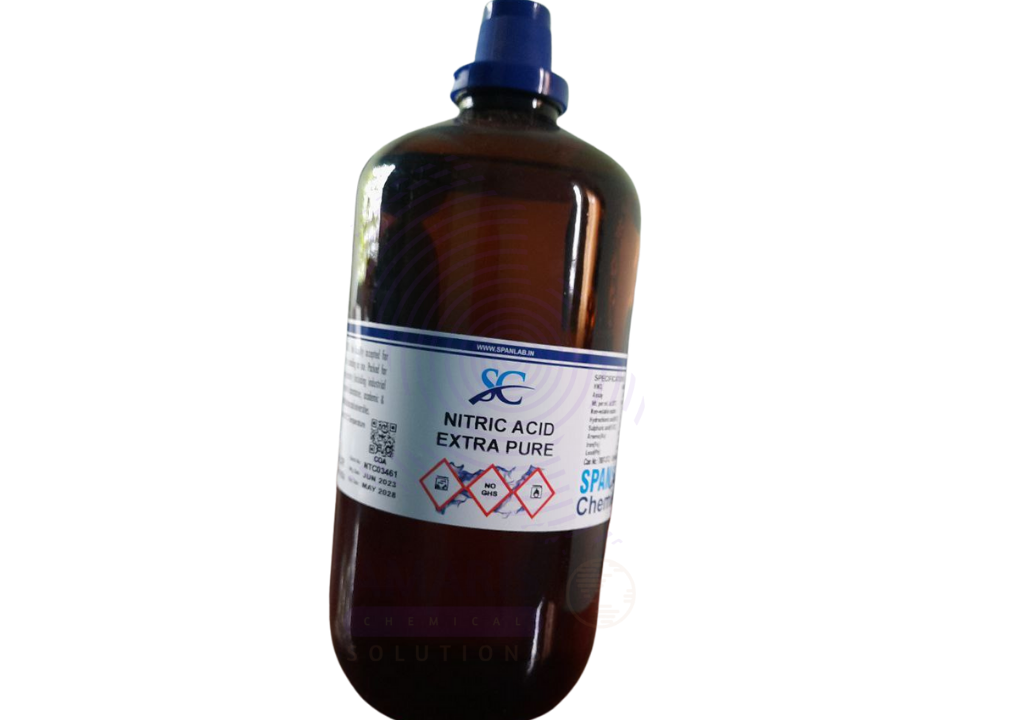
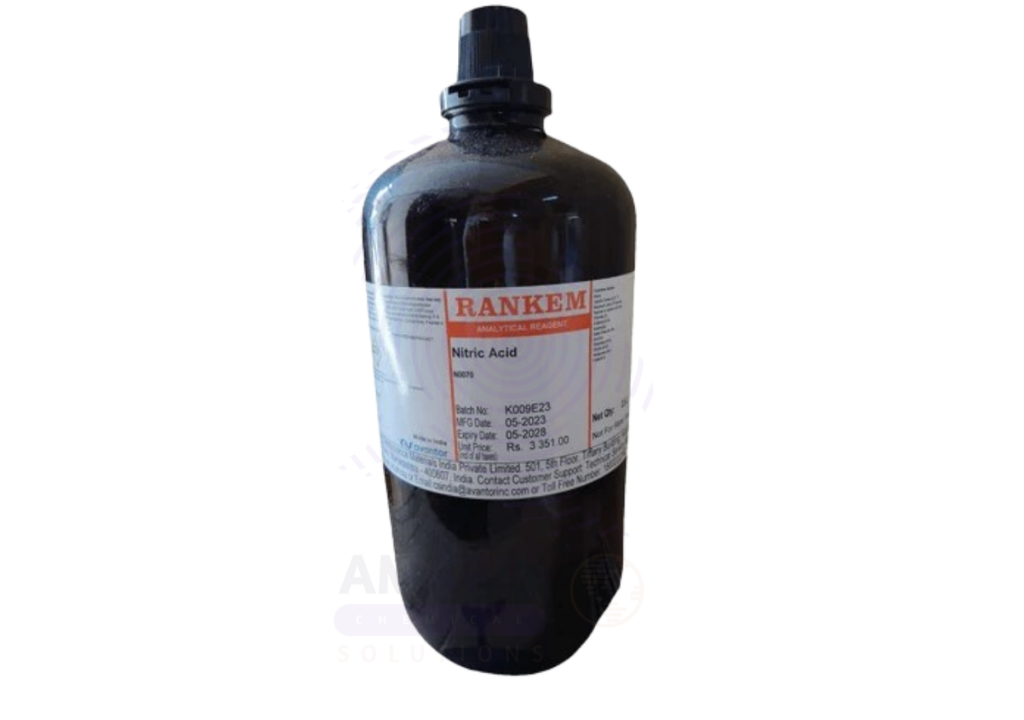


Nitric Acid Extra pure
Original price was: $ 30.40.$ 30.34Current price is: $ 30.34.
Nitric Acid Extra pure is a high-purity, concentrated mineral acid supplied in a secure 2.5-litre packaging, ideal for laboratory and industrial applications requiring precision and consistency. Known for its strong oxidizing properties, nitric acid (HNO₃) is widely used in analytical chemistry, metal etching, sample digestion, and nitrate salt preparation.
This Extra Pure grade ensures minimal contaminants, making it especially suitable for trace analysis, high-purity synthesis, and quality control laboratories. Its sharp, acrid odor and highly corrosive nature demand careful handling with proper personal protective equipment (PPE), including acid-resistant gloves, goggles, and fume hoods. It must be stored in tightly sealed, compatible containers away from organic materials, bases, and flammable substances. This reagent is essential in both academic research and industrial processes involving nitration reactions, fertilizer formulation, and explosives development.
Nitric Acid Extra Pure
Primary Uses
- Reactant in Inorganic Synthesis & Nitration
- Used to produce a wide range of metal nitrates (e.g., silver nitrate, copper nitrate, ammonium nitrate) through direct reaction with metals, metal oxides, hydroxides, or carbonates.
- Serves as a potent nitrating agent to introduce nitro-groups (-NO₂) into organic molecules, a key step in producing explosives (e.g., nitroglycerin, TNT), dyes, and pharmaceuticals.
- Oxidizing Agent in Chemical Reactions
- Employed to oxidize metals to their highest oxidation states; for example, it oxidizes copper to copper(II) ions and can passively oxidize metals like aluminum and chromium.
- Used to dissolve metals that are otherwise resistant to other acids (e.g., the dissolution of silver or the passivation of aluminum).
- A key component in aqua regia(a 1:3 mixture with hydrochloric acid) for dissolving noble metals like gold and platinum.
- Precursor for Fertilizer and Explosive Manufacturing
- Industrially, a massive portion of nitric acid production is used in the Ostwald process to create intermediates for ammonium nitrate fertilizers.
- It is essential for the production of nitrocompound-based explosives and blasting agents.
- Etching and Metal Passivation
- Used to etch and clean metal surfaces, particularly copper and brass in metalworking and electronics fabrication.
- Applied to passivate stainless steel by forming a protective, inert oxide layer on the surface, enhancing corrosion resistance.
Secondary Uses
- Analytical Chemistry and Digestions
- A primary acid used in “wet digestion” techniques to dissolve heavy metal traces and other analytes from samples (e.g., soil, tissue, polymers) prior to analysis by ICP-MS or AAS.
- Used in colorimetric tests, such as the classic “brown ring test” for the qualitative identification of nitrate ions.
- Teaching Tool in Redox and Acid-Base Chemistry
- Ideal for classroom demonstrations showcasing its dual nature as a strong acid and a powerful oxidizing agent, with reactions varying based on concentration (e.g., the different reactions of concentrated vs. dilute nitric acid with copper).
- Used to demonstrate passivation phenomena with metals like iron and aluminum.
- Purification and Laboratory Reagent
- Used to purify and clean laboratory glassware by removing organic residues and metallic impurities due to its strong oxidizing power.
- Acts as a stabilizing agent in quantitative analysis, for instance, to preserve and stabilize solutions of metal ions like mercury(II).
- Doping Agent in Semiconductor Technology
- In microelectronics, nitric acid solutions are used in the doping process to create p-n junctions in silicon wafers by introducing specific impurities.
- Used in the etching and patterning of semiconductors during device fabrication.
1. Basic Identification Attributes
- Chemical Name: Nitric Acid
- CAS Number: 7697-37-2
- HS Code: 2808.00.00
- Molecular Formula: HNO₃
- Synonyms:
- Aqua fortis
- Spirit of niter
- Azotic acid
2. Physical & Chemical Properties
- Physical State: Liquid
- Color & Odor: Colorless to yellowish with acrid, choking odor
- Boiling Point: ~83 °C (depending on concentration)
- Melting Point: −42 °C
- Density: ~1.51 g/cm³ (for 68–70% nitric acid)
- Solubility: Miscible with water in all proportions
- pH Level: <1 (very strongly acidic)
- Vapor Pressure: ~48 mmHg at 20 °C
- Flash Point: Not flammable but can intensify fire (oxidizer)
- Autoignition Temperature: Not applicable
- Viscosity: 1.1–1.5 cP at 25 °C
3. Safety & Hazard Attributes
- Hazard Class (GHS Classification):
- Oxidizing liquids (Category 3)
- Skin corrosion (Category 1A)
- Eye damage (Category 1)
- NFPA Ratings:
- Health: 3
- Flammability: 0
- Reactivity: 3
- Exposure Limits:
- OSHA PEL: 2 ppm (5 mg/m³)
- ACGIH TLV: 2 ppm (TWA), 4 ppm (STEL)
- Reactivity: Highly reactive with reducing agents, organic materials, and metals. Violent reactions possible.
4. Storage & Handling Attributes
- Storage Conditions:
- Store in a cool, well-ventilated, and corrosion-resistant area
- Away from sunlight, heat, and incompatible materials
- Incompatible Materials:
- Organic compounds, flammable substances, reducing agents, bases, and metals
- Container Type: Acid-resistant containers (e.g., HDPE with vented caps)
- Shelf Life & Expiration Date: ~1–2 years; sensitive to light and air
- Special Handling Requirements:
- Use in a fume hood
- Wear acid-resistant gloves, goggles, face shield, and lab coat
- Use secondary containment when transporting
5. Regulatory & Compliance Attributes
- Regulatory Status:
- Regulated by OSHA, EPA, DOT, REACH
- Listed on TSCA inventory
- Transportation Restrictions:
- UN Number: UN2031
- Hazard Class: 8 (Corrosive), 5.1 (Oxidizer)
- Waste Disposal Method:
- Must be neutralized and disposed of via licensed hazardous waste handler in compliance with RCRA regulations
- Environmental & Health Impact
- Ecotoxicity: Harmful to aquatic life due to low pH
- Persistence in Environment: Does not persist; reacts and dilutes quickly
- Carcinogenicity/Mutagenicity:
- Not classified as carcinogenic by IARC or OSHA
- Biodegradability: Not applicable; reacts into nitrate ions and water
SAFETY PRECAUTIONS
Personal Protective Equipment (PPE):
- Wear acid-resistant lab coats, nitrile or neoprene gloves, and chemical splash goggles.
- Use a face shield and work in a well-ventilated fume hood.
- Use acid-resistant aprons and boots when handling large volumes.
Handling:
- Handle with extreme care; nitric acid is highly corrosive and oxidizing.
- Avoid contact with skin, eyes, and clothing.
- Never mix with organic materials, reducing agents, or flammable substances.
- Use only with proper ventilation and avoid inhalation of vapors.
Storage:
- Store in a cool, dry, well-ventilated acid storage cabinet.
- Keep the container tightly closed and upright.
- Segregate from organic materials, bases, combustibles, and other incompatible chemicals.
- Use only containers resistant to strong acids (e.g., glass or Teflon-lined materials).
FIRST AID MEASURES
Inhalation:
- Move the person to fresh air immediately.
- Provide oxygen if breathing is difficult.
- Seek immediate medical attention.
Skin Contact:
- Immediately flush skin with plenty of water for at least 15 minutes.
- Remove contaminated clothing.
- Seek medical attention even if no symptoms appear.
Eye Contact:
- Rinse cautiously with water for at least 15 minutes.
- Remove contact lenses if present and easy to do.
- Continue rinsing and seek immediate medical help.
Ingestion:
- Do not induce vomiting.
- Rinse mouth thoroughly with water (do not swallow rinse water).
- Seek immediate medical assistance.
FIRE FIGHTING MEASURES
Flammability:
- Nitric acid is not flammable, but it is a strong oxidizer and can intensify fires.
Extinguishing Media:
- Use dry chemicals, carbon dioxide (CO₂), or water spray.
- Do not use straight water streams on acid; it may cause splattering.
Hazardous Combustion Products:
- Emits toxic and corrosive fumes including nitrogen oxides (NO, NO₂).
Firefighter Protection:
- Wear self-contained breathing apparatus (SCBA) and acid-resistant full protective gear.
- Cool containers with water spray from a safe distance.
Related products
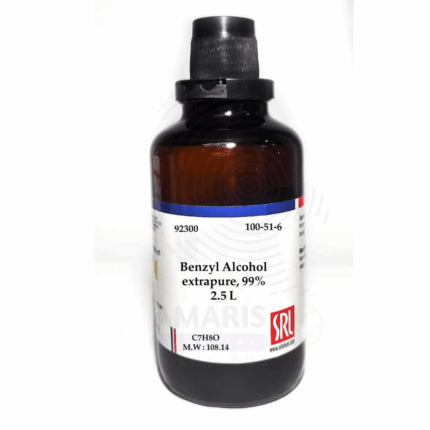
Benzyl Alcohol Extra Pure
Benzyl Alcohol Extra Pure is a high-purity, clear, colorless liquid with a mild aromatic odor, widely used in laboratory chemistry for analytical, synthetic, and preparative applications. It functions as a versatile solvent for inks, resins, waxes, and dyes, and plays a key role in organic synthesis, particularly in esterification and benzylation reactions. Its moderate polarity and low volatility make it valuable in sample preparation, chromatography, and pharmaceutical research. The extra pure grade guarantees minimal levels of impurities, ensuring reliable performance in high-precision laboratory procedures. Benzyl alcohol should be handled with care and stored in a tightly sealed container in a cool, dry place, away from strong oxidizing agents.
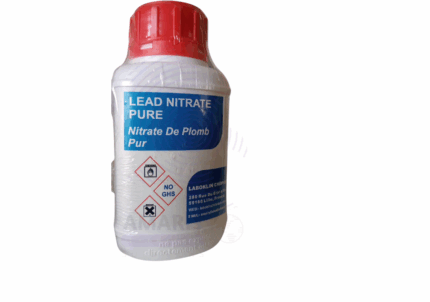
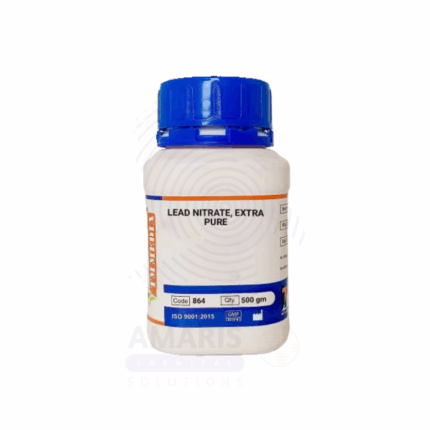
Lead Nitrate Extra Pure
Lead Nitrate Extra Pure is a white crystalline compound (Pb(NO₃)₂) known for its excellent solubility in water and reliable reactivity, making it a key reagent in analytical and industrial chemistry. It is frequently used in laboratory synthesis, qualitative analysis, and in the production of other lead compounds. In pyrotechnics, it's valued for its role as an oxidizing agent, while in metallurgy, it assists in gold leaching and ore processing. Its high purity ensures consistent performance in controlled experiments and manufacturing. Due to its toxic and oxidizing nature, it must be handled with careful PPE protocols and stored securely away from organics or combustible materials.
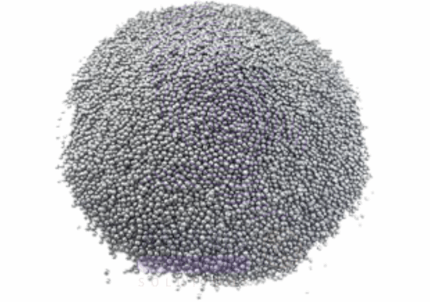
Lead Shot Extra Pure
Lead Shot Extra Pure consists of small, spherical pellets of high-purity lead, typically used in specialized industrial, laboratory, and ballistic applications. In laboratories, it serves as a dense, inert mass ideal for radiation shielding, counterweights, or ball-milling media due to its excellent malleability and high atomic mass. In metallurgy, it can be employed in alloy preparation or as a reducing agent under specific conditions. Its consistent size and purity make it especially useful where uniformity and minimal contamination are critical. Safe handling is essential, as lead is toxic, and prolonged exposure can pose serious health hazards. Proper PPE, ventilation, and disposal methods are mandatory.
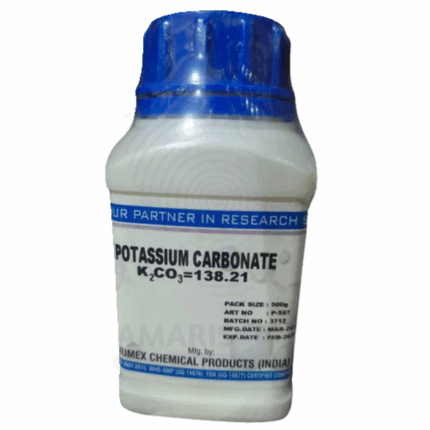
Potassium Carbonate Extra Pure
Potassium Carbonate Extra Pure is a high-purity, white, hygroscopic, water-soluble salt with the chemical formula K₂CO₃. It is known for its alkaline properties and exceptional solubility in water, forming a strongly basic solution that is widely used in laboratory and industrial processes. Its Extra Pure grade ensures it meets stringent standards for research, analytical, and high-spec formulation work.
This compound is essential in buffer preparation, pH adjustment, and titration analysis in laboratory chemistry. It also serves as a drying agent for certain solvents and gases due to its moisture-absorbing nature. In industrial applications, Potassium Carbonate is a key ingredient in the manufacture of glass, soaps, and dyes, and is also used in fermentation processes to control acidity. In the food industry, it functions as a food additive (E501), commonly used as a buffering or raising agent in baking.
To maintain its quality, Potassium Carbonate Extra Pure should be stored in a tightly sealed container, in a dry and cool environment, away from acids and moisture, as it readily absorbs water and carbon dioxide from the air. Proper handling using protective gloves and eye protection is advised, especially in concentrated solutions, due to its caustic nature.
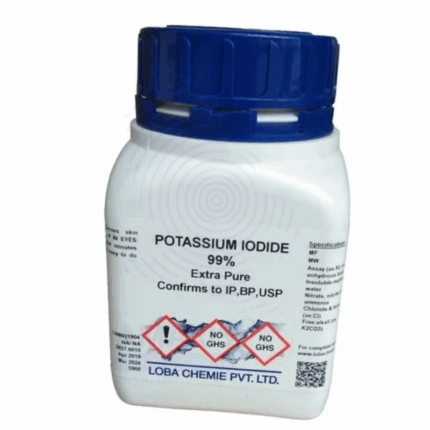
Potassium Iodide Extra Pure
Potassium Iodide Extra Pure is a high-purity, white crystalline salt widely recognized for its excellent solubility in water and its versatile applications. In laboratories, it is commonly used as a reagent in iodometric titrations and for preparing iodine solutions. In the medical field, it serves as a key source of iodine and is used for thyroid protection against radioactive iodine exposure. Its antioxidant properties also make it valuable in pharmaceutical formulations and as a stabilizer in various chemical processes. The extra pure grade ensures maximum consistency and reliability for precise experimental and industrial outcomes.

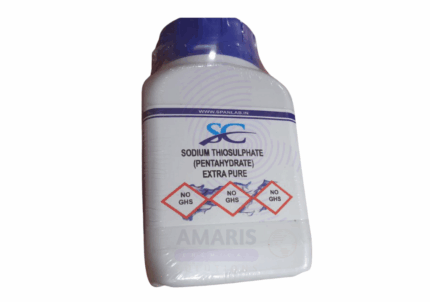
Sodium Thiosulphate Pentahydrate Extra Pure
Sodium Thiosulphate Pentahydrate Extra Pure is a white, crystalline, odorless compound widely used in laboratories and industry as a reducing agent, titrant, and water dechlorination chemical. It plays a vital role in photographic fixing, water treatment, and pharmaceutical antidotes for cyanide poisoning. This Extra Pure grade ensures high quality and reliability for analytical, pharmaceutical, and industrial applications. It must be stored in a dry, cool environment away from acids and oxidizers and handled with appropriate personal protective equipment to avoid irritation.

Soluble Starch Powder Extra Pure
Soluble Starch Powder Extra Pure is a fine, white to off-white powder derived from natural starch. It dissolves readily in hot water forming viscous solutions and is widely used as a thickener, binder, and stabilizer in laboratory, pharmaceutical, and food industries. Its Extra Pure grade ensures high purity suitable for analytical and formulation purposes. It is also utilized as an indicator in iodine titrations and in microbiological media preparation. Proper storage in a dry, cool environment and handling with dust protection are recommended to maintain quality and safety.
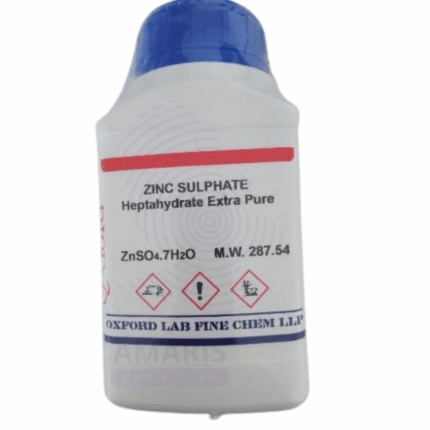
Zinc Sulphate Extra Pure
Zinc Sulphate Extra Pure is a high-purity, colorless to white, crystalline compound with the chemical formula ZnSO₄·7H₂O. It is highly soluble in water and commonly used as an analytical reagent, micronutrient supplement, and industrial additive. Its Extra Pure grade ensures suitability for use in sensitive laboratory and pharmaceutical environments. Zinc Sulphate is widely applied in gravimetric analysis, preparation of microbiological media, and as a zinc source in skin-care, feed, and agricultural formulations. Due to its acidic nature in solution, it should be handled with appropriate PPE, stored in moisture-free containers, and kept away from reactive agents.












