

 Preservatives(food)
 Flavor Enhancers
 Acidulants
 Sweeteners
 Antioxidants
 Colorants(food)
 Nutraceutical Ingredients (food)
 Nutrient Supplements
 Emulsifiers
 Collectors
 Dust Suppressants
 Explosives and Blasting Agents
 Flocculants and Coagulants
 Frothers
 Leaching Agents
 pH Modifiers
 Precious Metal Extraction Agents
 Antioxidants(plastic)
 Colorants (Pigments, Dyes)
 Fillers and Reinforcements
 Flame Retardants
 Monomers
 Plasticizers
 Polymerization Initiators
 Stabilizers (UV, Heat)
 Antifoaming Agents
 Chelating Agents
 Coagulants and Flocculants
 Corrosion Inhibitors
 Disinfectants and Biocides
 Oxidizing Agents
 pH Adjusters
 Scale Inhibitors( water)
 Antioxidants(cosmetic)
 Emollients
 Fragrances and Essential Oils
 Humectants
 Preservatives
 Surfactants(cosmetic)
 Thickeners
 UV Filters
 Fertilizers
 Soil Conditioners
 Plant Growth Regulators
 Animal Feed Additives
 Biostimulants
 Pesticides (Herbicides, Insecticides, Fungicides)
 Active Pharmaceutical Ingredients (APIs)
 Excipients
 Solvents(pharmaceutical)
 Antibiotics
 Antiseptics and Disinfectants
 Vaccine Adjuvants
 Nutraceutical Ingredients (pharmaceutical)
 Analgesics & Antipyretics
 Analytical Reagents
 Solvents(lab)
 Chromatography Chemicals
 Spectroscopy Reagents
 microbiology-and-cell-culture-reagents
 Molecular Biology Reagents
 Biochemical Reagents
 Inorganic and Organic Standards
 Laboratory Safety Chemicals
 Specialty Laboratory Chemicals(Special Laboratory Equipment)
 Demulsifiers
 Hydraulic Fracturing Fluids
 Scale Inhibitors(oil)
 Surfactants(oil)
 Drilling Fluids
 Dyes and Pigments
 Bleaching Agents
 Softening Agents
 Finishing Agents
 Antistatic Agents
 Admixtures
 Waterproofing Agents
 Sealants and Adhesives
 Curing Compounds
 Concrete Repair Chemicals
 Anti-Corrosion Coatings
 Surfactants(cleaning)
 Builders
 Enzymes
 Solvents (Cleaning)
 Fragrances
 Electronic Chemicals
 Catalysts
 Lubricants
 Photographic Chemicals
 Refrigerants
 Automotive chemicals
 Pyrotechnic Chemicals
 Biodegradable Surfactants
 Bio-based Solvents
 Renewable Polymers
 Carbon Capture Chemicals
 Wastewater Treatment Chemicals
 Pigments
 Solvents(paint)
 Specialty Coatings
 Binders/Resins
 Additives
 Driers
 Anti-Corrosion Agents
 Functional Coatings
 Application-Specific Coatings
 Leavening Agents
 Dough Conditioners
 Flour Treatments
 Fat Replacers
 Decoratives
 Preservatives(baking)
 Plasticizers & Softeners
 Reinforcing Agents
 Adhesion Promoters
 Vulcanizing Agents
 Antidegradants
 Blowing Agents
 Fillers & Extenders
 Accelerators & Retarders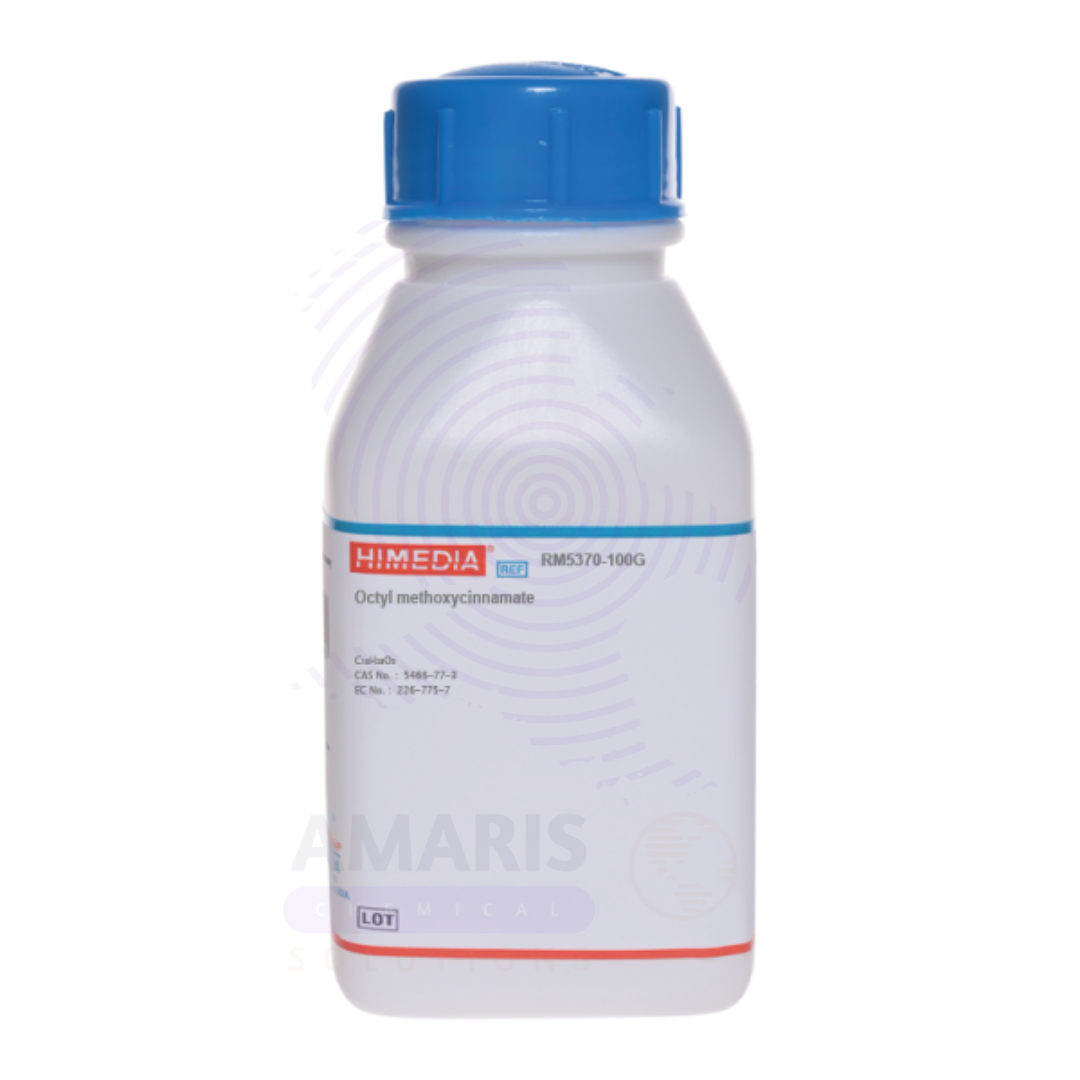



Octyl Methoxycinnamate Extra Pure
Original price was: $ 24.00.$ 23.12Current price is: $ 23.12.
Octyl Methoxycinnamate Extra Pure is a high-purity organic compound widely used as a UV-B filter in sunscreen formulations and personal care products. Known chemically as Ethylhexyl Methoxycinnamate, it functions by absorbing ultraviolet light in the 280–320 nm range, thereby protecting skin from sunburn and photoaging.
In its Extra Pure form, OMC offers exceptional quality for cosmetic-grade applications, pharmaceutical formulations, and research requiring stringent purity levels. It is typically a clear, oily liquid with good solubility in oils and alcohols, making it ideal for incorporation into emulsions, creams, and lotions. Aside from its cosmetic uses, it is occasionally used in plastic and polymer stabilization where UV protection is needed. It should be stored in cool, dark conditions to maintain its stability and efficacy.
Octyl Methoxycinnamate Extra Pure
Primary Uses
- Ultraviolet-B (UV-B) Filter in Sunscreen Formulations
- Serves as a primary organic UV filter to absorb harmful UV-B radiation (290-320 nm), thereby preventing sunburn and protecting skin from DNA damage. It is a foundational ingredient in most commercial sunscreens, lotions, and daily wear cosmetics with SPF.
- Photostabilizer in Multi-Filter Sun Care Products
- Used to enhance the photostability of other, less stable UV filters (particularly avobenzone, a UV-A filter) in broad-spectrum formulations. By absorbing excess energy, it helps prevent the rapid degradation of other actives, maintaining the product’s Sun Protection Factor (SPF) over time.
- UV Absorber in Cosmetic and Personal Care Products
- Incorporated into a wide range of cosmetic products beyond sunscreens, including foundations, BB creams, lip balms, and moisturizers, to provide daily protection against UV-induced skin aging and pigmentation.
- Key Ingredient in After-Sun and Skincare Products
- Used in after-sun lotions and moisturizing creams designed for sun-exposed skin, where its protective function is combined with soothing and hydrating agents to aid skin recovery.
Secondary Uses
- UV Stabilizer in Polymer and Coating Industries
- Added to plastics, varnishes, paints, and packaging materials (e.g., for cosmetics or food) to prevent UV-induced degradation. It protects polymers from yellowing, embrittlement, and loss of mechanical properties caused by prolonged sunlight exposure.
- Reference Standard in Analytical Chemistry
- Used as a high-purity standard in Quality Control (QC) laboratories for the quantitative analysis of sunscreen products via techniques like High-Performance Liquid Chromatography (HPLC) to verify concentration, purity, and stability.
- Research Compound in Photochemistry and Dermatology
- Studied in in vitroand ex vivo research to understand its interaction with UV light, its penetration kinetics into the skin, and its overall efficacy and safety profile as a topically applied chemical.
- Additive in Industrial Adhesives and Sealants
- Incorporated into light-sensitive adhesives and sealants to prevent curing or degradation during storage and application, ensuring product performance and longevity when used in outdoor or well-lit environments.
KEY ATTRIBUTES
1. Basic Identification Attributes
- Chemical Name: Octyl Methoxycinnamate
- CAS Number: 5466-77-3
- HS Code: 2916.39.90
- Molecular Formula: C₁₈H₂₆O₃
- Synonyms:
- Ethylhexyl methoxycinnamate
- 2-Ethylhexyl 4-methoxycinnamate
- OMC
- Octinoxate
2. Physical & Chemical Properties
- Physical State: Liquid (oil-like consistency)
- Color & Odor: Clear, colorless to pale yellow; mild characteristic odor
- Boiling Point: ~198 °C at 2 mmHg
- Melting Point: < -25 °C
- Density: ~1.01 g/cm³ at 25 °C
- Solubility:
- Insoluble in water
- Soluble in alcohols, oils, and organic solvents
- pH Level: Not applicable (neutral, non-aqueous)
- Vapor Pressure: Very low (~0.02 mmHg at 25 °C)
- Flash Point: ~198 °C (closed cup)
- Autoignition Temperature: ~420 °C
- Viscosity: Moderate (depends on temperature; typically 70–80 cP at 25 °C)
3. Safety & Hazard Attributes
- Hazard Class (GHS Classification):
- Eye irritation (Category 2B)
- Skin sensitization (Category 1; for some individuals)
- NFPA Ratings:
- Health: 1
- Flammability: 1
- Reactivity: 0
- Exposure Limits: Not established (generally considered safe in cosmetic use under regulated limits)
- Reactivity: Stable under normal conditions; avoid strong oxidizing agents
4. Storage & Handling Attributes
- Storage Conditions:
- Store in tightly sealed containers in a cool, dry, well-ventilated area
- Protect from light and heat to maintain stability
- Incompatible Materials: Strong oxidizers
- Container Type: Dark glass or UV-protected HDPE bottles
- Shelf Life & Expiration Date: Typically 2–3 years if stored properly
- Special Handling Requirements:
- Use protective gloves and goggles
- Minimize skin contact
5. Regulatory & Compliance Attributes
- Regulatory Status:
- Approved for use in cosmetics and sunscreens by FDA (U.S.), EU, and other regulatory bodies (max concentrations vary by region)
- Listed on TSCA and REACH inventories
- Transportation Restrictions:
- Not regulated as hazardous material for transport
- Waste Disposal Method:
- Dispose of according to local environmental regulations; avoid release into drains or watercourses
6. Environmental & Health Impact
- Ecotoxicity:
- May cause long-term adverse effects in aquatic environments (classified as marine pollutant in some studies)
- Persistence in Environment: Moderate; not readily biodegradable
- Carcinogenicity/Mutagenicity:
- Not classified as carcinogenic
- Some concerns over endocrine disruption at high concentrations; under review in some regions
- Biodegradability: Slowly biodegradable under aerobic conditions
SAFETY PRECAUTIONS
Personal Protective Equipment (PPE):
- Wear a lab coat, nitrile gloves, and chemical safety goggles.
- Use a dust mask or work in a well-ventilated area or fume hood.
Handling:
- Avoid contact with skin and eyes.
- Prevent inhalation of vapors or dust.
- Wash hands thoroughly after handling.
- Do not eat, drink, or smoke while handling this product.
Storage:
- Store in a tightly closed container in a cool, dry, and well-ventilated area.
- Keep away from heat sources, strong oxidizers, and direct sunlight.
- Protect from moisture and contamination.
FIRST AID MEASURES
Inhalation:
- Move the affected person to fresh air.
- Seek medical advice if respiratory symptoms persist.
Skin Contact:
- Wash skin with soap and plenty of water.
- Remove contaminated clothing.
- Seek medical attention if irritation develops.
Eye Contact:
- Rinse cautiously with water for several minutes.
- Remove contact lenses if present and easy to do.
- Continue rinsing and seek medical attention if irritation persists.
Ingestion:
- Rinse mouth with water.
- Do not induce vomiting.
- Seek immediate medical advice.
FIRE FIGHTING MEASURES
Flammability:
- May be combustible at high temperatures.
- Avoid exposure to open flames and hot surfaces.
Extinguishing Media:
- Use dry chemicals, foam, carbon dioxide (CO₂), or water spray.
- Do not use water jets directly on burning products.
Hazardous Combustion Products:
- May emit carbon monoxide (CO) and carbon dioxide (CO₂) upon decomposition.
Firefighter Protection:
- Wear self-contained breathing apparatus (SCBA) and full protective clothing.
Related products
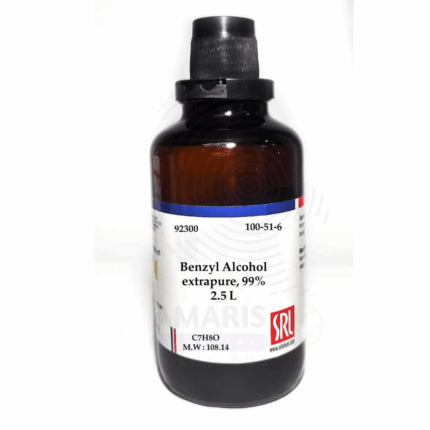
Benzyl Alcohol Extra Pure
Benzyl Alcohol Extra Pure is a high-purity, clear, colorless liquid with a mild aromatic odor, widely used in laboratory chemistry for analytical, synthetic, and preparative applications. It functions as a versatile solvent for inks, resins, waxes, and dyes, and plays a key role in organic synthesis, particularly in esterification and benzylation reactions. Its moderate polarity and low volatility make it valuable in sample preparation, chromatography, and pharmaceutical research. The extra pure grade guarantees minimal levels of impurities, ensuring reliable performance in high-precision laboratory procedures. Benzyl alcohol should be handled with care and stored in a tightly sealed container in a cool, dry place, away from strong oxidizing agents.
Lead Shot Extra Pure
Lead Shot Extra Pure consists of small, spherical pellets of high-purity lead, typically used in specialized industrial, laboratory, and ballistic applications. In laboratories, it serves as a dense, inert mass ideal for radiation shielding, counterweights, or ball-milling media due to its excellent malleability and high atomic mass. In metallurgy, it can be employed in alloy preparation or as a reducing agent under specific conditions. Its consistent size and purity make it especially useful where uniformity and minimal contamination are critical. Safe handling is essential, as lead is toxic, and prolonged exposure can pose serious health hazards. Proper PPE, ventilation, and disposal methods are mandatory.
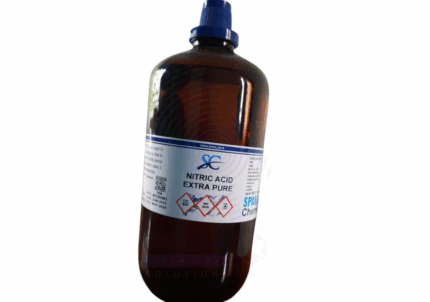
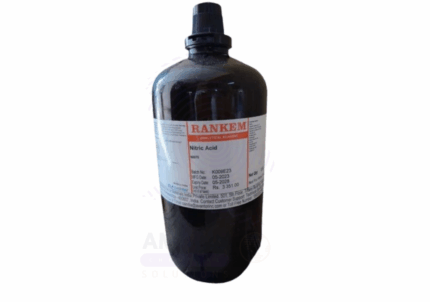
Nitric Acid Extra pure
Nitric Acid Extra pure is a high-purity, concentrated mineral acid supplied in a secure 2.5-litre packaging, ideal for laboratory and industrial applications requiring precision and consistency. Known for its strong oxidizing properties, nitric acid (HNO₃) is widely used in analytical chemistry, metal etching, sample digestion, and nitrate salt preparation.
This Extra Pure grade ensures minimal contaminants, making it especially suitable for trace analysis, high-purity synthesis, and quality control laboratories. Its sharp, acrid odor and highly corrosive nature demand careful handling with proper personal protective equipment (PPE), including acid-resistant gloves, goggles, and fume hoods. It must be stored in tightly sealed, compatible containers away from organic materials, bases, and flammable substances. This reagent is essential in both academic research and industrial processes involving nitration reactions, fertilizer formulation, and explosives development.
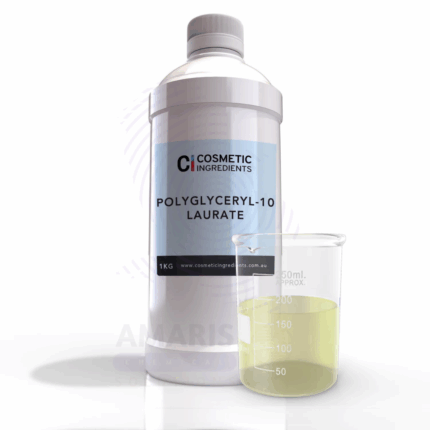
Polyglycerol-10-Laurate Extra Pure
Polyglycerol-10-laurate Extra Pure is a high-purity, non-ionic surfactant and emulsifier composed of ten glycerol units esterified with lauric acid. This versatile compound is especially valued in cosmetic, pharmaceutical, and food-grade applications where ultra-high purity and biocompatibility are critical.
Known for its excellent emulsifying, dispersing, and solubilizing properties, Polyglycerol-10-laurate is widely used in formulations for creams, lotions, and other personal care products, particularly those designed for sensitive skin. In pharmaceuticals, it aids in enhancing bioavailability and improving the stability of active ingredients, while in food applications, it serves as a safe emulsifier and texturizer, often used in dairy and confectionery products.
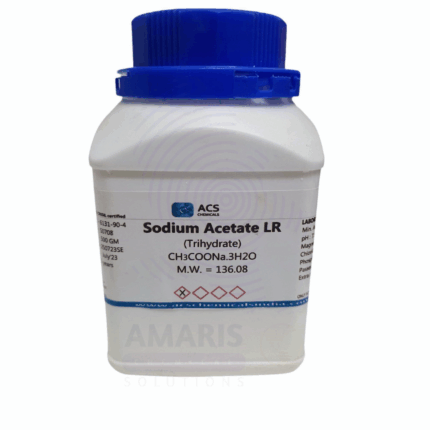
Sodium Acetate Trihydrate Extra Pure
Sodium Acetate Trihydrate Extra Pure is a white crystalline solid with the formula C₂H₃NaO₂·3H₂O. It serves primarily as a buffering agent in laboratory and biochemical applications and is widely used in food as a preservative and flavor enhancer (E262). This compound is essential in molecular biology for protein and nucleic acid precipitation and serves as a stabilizer in pharmaceutical and cosmetic formulations. It should be stored dry and handled with proper protective equipment due to its mildly irritating nature.
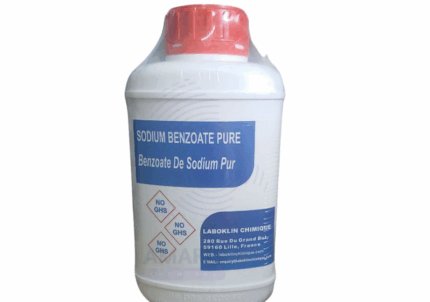
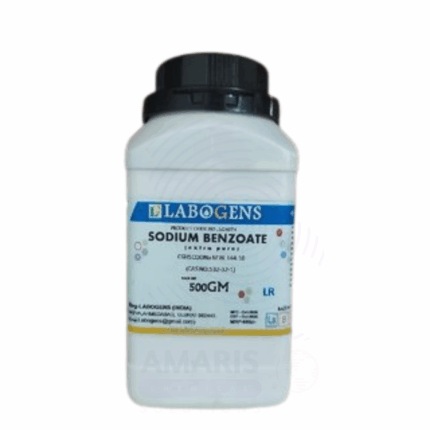
Sodium Benzoate Extra Pure
Sodium Benzoate Extra Pure is a white crystalline powder used primarily as a food preservative (E211) and antimicrobial agent. It is widely applied in food, pharmaceutical, and cosmetic industries to prevent microbial growth and extend shelf life. Its stable and non-toxic nature makes it suitable for various laboratory and industrial applications. Proper storage and handling are recommended to maintain its purity and prevent irritation.

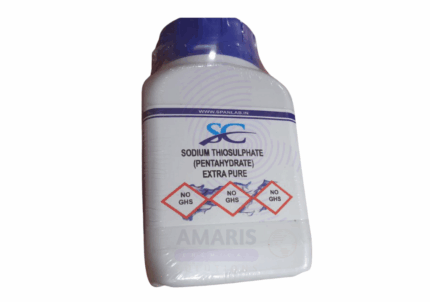
Sodium Thiosulphate Pentahydrate Extra Pure
Sodium Thiosulphate Pentahydrate Extra Pure is a white, crystalline, odorless compound widely used in laboratories and industry as a reducing agent, titrant, and water dechlorination chemical. It plays a vital role in photographic fixing, water treatment, and pharmaceutical antidotes for cyanide poisoning. This Extra Pure grade ensures high quality and reliability for analytical, pharmaceutical, and industrial applications. It must be stored in a dry, cool environment away from acids and oxidizers and handled with appropriate personal protective equipment to avoid irritation.

Solvent Black Extra Pure
Solvent Black Extra Pure is a deep black powder dye primarily used in laboratory, textile, and cosmetic applications. It provides excellent staining and coloring properties, especially in microscopy, histology, and analytical procedures. It is highly soluble in organic solvents and insoluble in water, making it ideal for specialty dyeing and pigmentation uses. Proper storage and handling are essential to avoid dust inhalation and environmental contamination. Its Extra Pure grade ensures consistent performance in scientific and industrial uses.












