

 Preservatives(food)
 Flavors
 Acidulants
 Sweeteners
 Antioxidants
 Colorants(food)
 Nutraceutical Ingredients (food)
 Nutrient Supplements
 Emulsifiers
 Collectors
 Dust Suppressants
 Explosives and Blasting Agents
 Flocculants and Coagulants
 Frothers
 Leaching Agents
 pH Modifiers
 Precious Metal Extraction Agents
 Antioxidants(plastic)
 Colorants (Pigments, Dyes)
 Fillers and Reinforcements
 Flame Retardants
 Monomers
 Plasticizers
 Polymerization Initiators
 Stabilizers (UV, Heat)
 Antifoaming Agents
 Chelating Agents
 Coagulants and Flocculants
 Corrosion Inhibitors
 Disinfectants and Biocides
 Oxidizing Agents
 pH Adjusters
 Scale Inhibitors( water)
 Antioxidants(cosmetic)
 Emollients
 Oils
Oils Carrier Oills
 Essential Oils
 Humectants
 Preservatives
 Surfactants(cosmetic)
 Thickeners
 UV Filters
 Fragrance (Cosmetics)
 Fertilizers
 Soil Conditioners
 Plant Growth Regulators
 Animal Feed Additives
 Biostimulants
 Pesticides (Herbicides, Insecticides, Fungicides)
 Active Pharmaceutical Ingredients (APIs)
 Excipients
 Solvents(pharmaceutical)
 Antibiotics
 Antiseptics and Disinfectants
 Vaccine Adjuvants
 Nutraceutical Ingredients (pharmaceutical)
 Analgesics & Antipyretics
 Analytical Reagents
 Solvents(lab)
 Chromatography Chemicals
 Spectroscopy Reagents
 microbiology-and-cell-culture-reagents
 Molecular Biology Reagents
 Biochemical Reagents
 Inorganic and Organic Standards
 Laboratory Safety Chemicals
 Specialty Laboratory Chemicals(Special Laboratory Equipment)
 Demulsifiers
 Hydraulic Fracturing Fluids
 Scale Inhibitors(oil)
 Surfactants(oil)
 Drilling Fluids
 Dyes and Pigments
 Bleaching Agents
 Softening Agents
 Finishing Agents
 Antistatic Agents
 Admixtures
 Waterproofing Agents
 Sealants and Adhesives
 Curing Compounds
 Concrete Repair Chemicals
 Anti-Corrosion Coatings
 Surfactants(cleaning)
 Builders
 Enzymes
 Solvents (Cleaning)
 Electronic Chemicals
 Catalysts
 Lubricants
 Photographic Chemicals
 Refrigerants
 Automotive chemicals
 Pyrotechnic Chemicals
 Biodegradable Surfactants
 Bio-based Solvents
 Renewable Polymers
 Carbon Capture Chemicals
 Wastewater Treatment Chemicals
 Pigments
 Solvents(paint)
 Specialty Coatings
 Binders/Resins
 Additives
 Driers
 Anti-Corrosion Agents
 Functional Coatings
 Application-Specific Coatings
 Leavening Agents
 Dough Conditioners
 Flour Treatments
 Fat Replacers
 Decoratives
 Preservatives(baking)
 Plasticizers & Softeners
 Reinforcing Agents
 Adhesion Promoters
 Vulcanizing Agents
 Antidegradants
 Blowing Agents
 Fillers & Extenders
 Accelerators & Retarders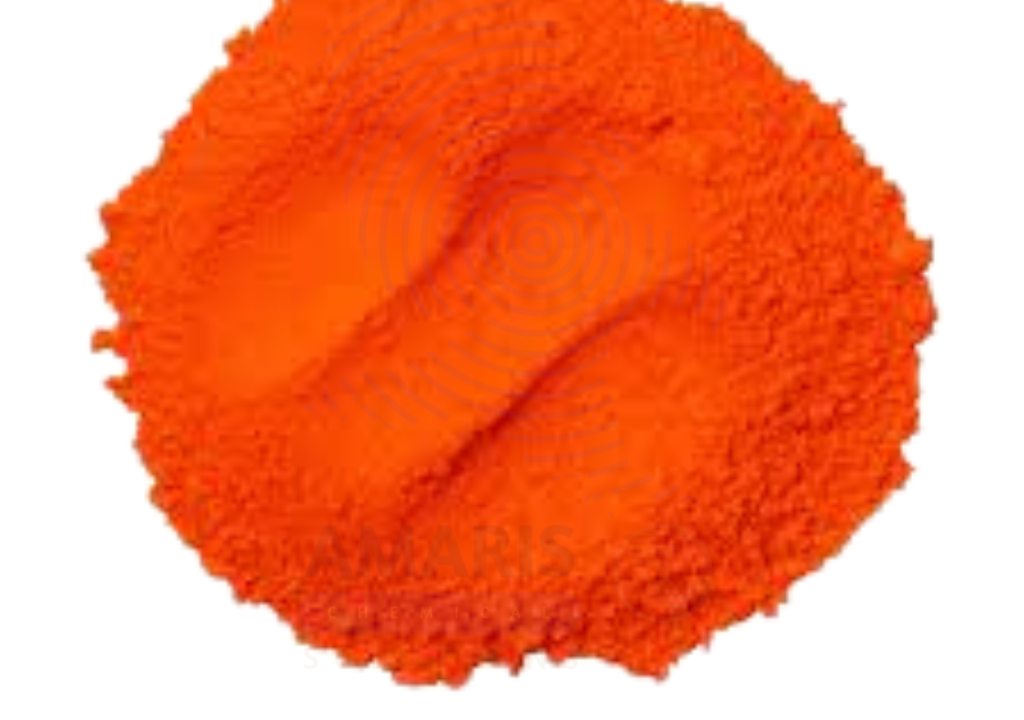


Pigment Orange
Pigment Orange is a concentrated dispersion of synthetic orange pigment particles in a suitable carrier, designed to deliver bright, vivid orange coloration. It offers excellent stability, heat resistance, and chemical inertness, making it suitable for diverse industrial applications including paints, plastics, inks, and coatings. This pigment ensures consistent color strength and durability across a variety of substrates.
Pigment Orange
Primary Uses
- Paint & Coatings Chemicals
- Used as a pigment in oil-based and water-based paints, varnishes, and coatings for decorative and protective finishes.
- Provides strong color intensity, weather resistance, and fading resistance.
- Plastics and Polymer Manufacturing Chemicals
- Incorporated in the coloration of plastic resins and polymers requiring vibrant orange shades.
- Maintains color integrity through high-temperature molding and extrusion processes.
- Specialty and Fine Chemicals
- Utilized as a colorant in printing inks, adhesives, and specialty industrial products.
- Employed in production of masterbatches and compounded materials for enhanced color performance.
Secondary Uses
- Textile Chemicals
- Occasionally used in specialty textile printing and coating formulations to impart orange color.
- Cosmetic and Personal Care Chemicals
- Limited application as a colorant in cosmetic products, subject to regulatory approval.
- Scientific and Educational Research
- Used in laboratory pigment dispersion studies and educational demonstrations of color chemistry.
1. Basic Identification Attributes
- Botanical Source: Synthetic
- Common/Trade Name: Pigment Orange 20%
- INCI Name: Pigment Orange
- CAS Number: Varies depending on pigment composition
- HS Code: 3204.19
- Synonyms: Orange Pigment Dispersion, Synthetic Orange Pigment
2. Physical & Chemical Properties
- Physical State: Paste or liquid dispersion
- Color & Odor: Bright orange; odorless
- Solubility: Insoluble in water; dispersible in solvents or resins depending on formulation
- Density: Approx. 1.2 g/cm³ (varies by carrier)
- Shelf Life: 24 months under proper storage
3. Safety & Hazard Attributes
- GHS Classification: May cause skin and eye irritation
- Toxicity: Low to moderate; avoid inhalation of pigment dust or mist
- Allergen Information: Potential irritant for sensitive individuals
- Exposure Limits: Follow occupational safety guidelines
4. Storage & Handling Attributes
- Storage Conditions: Store in a cool, dry, well-ventilated place, away from direct sunlight and oxidizing agents
- Container Type: Sealed polyethylene or metal containers as appropriate
- Shelf Life: 24 months when stored properly
- Handling Precautions: Use gloves, mask, and protective clothing to avoid exposure
5. Regulatory & Compliance Attributes
- Complies with industrial pigment regulations
- Cosmetic and food-grade uses require regulatory clearance
- Manufactured in GMP-compliant facilities
6. Environmental & Health Impact
- Biodegradability: Not biodegradable; dispose according to local regulations
- Ecotoxicity: Potentially harmful to aquatic life at high concentrations
- Bioaccumulation: Not expected
Safety Handling Precautions
- PPE Required: Gloves, protective eyewear, dust mask
- Handling Guidelines: Avoid dust or mist generation; avoid skin and eye contact
First Aid Measures
- Inhalation: Move to fresh air; seek medical attention if symptoms persist
- Skin Contact: Wash with soap and water
- Eye Contact: Rinse thoroughly with water; consult a doctor if irritation continues
- Ingestion: Do not induce vomiting; seek immediate medical attention
Firefighting Measures
- Fire Hazards: Non-flammable
- Extinguishing Media: Use suitable media for surrounding fire
- Special Precautions: None required
- Hazardous Combustion Products: None known
Related products
Disperse Black
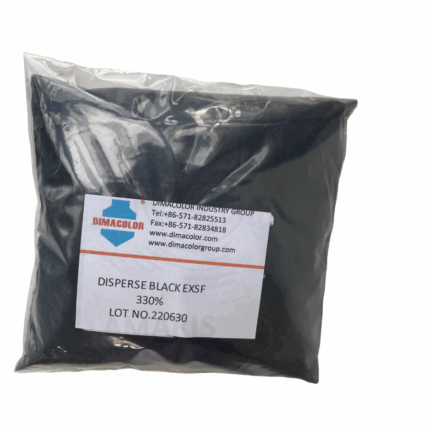
Disperse Black is a synthetic dye belonging to the class of disperse dyes, primarily used for dyeing hydrophobic fibers such as polyester, nylon, acetate, and other synthetic textiles. It is characterized by its fine particle size, high tinctorial strength, excellent fastness properties (wash, light, and rubbing), and ability to produce deep, uniform black shades. Disperse Black dyes are water-insoluble and applied in aqueous dispersion form during high-temperature dyeing processes. These dyes are favored in the textile industry for their vibrant colors and durability.
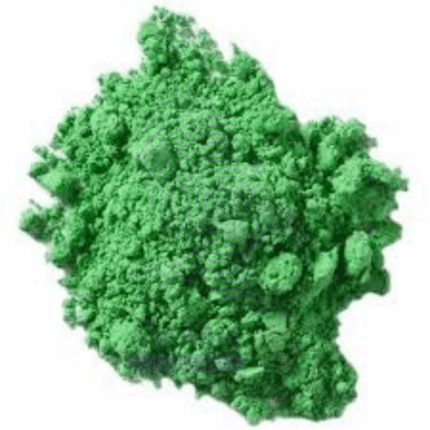
Green Pigment
Green Pigment is a concentrated dispersion of green pigment particles in a suitable carrier, designed for use in a variety of industrial and commercial applications. Known for its vivid green color and excellent stability, this pigment offers good resistance to heat, light, and chemicals. It is widely employed in plastics, coatings, inks, and other manufacturing processes where vibrant, durable green coloration is required.
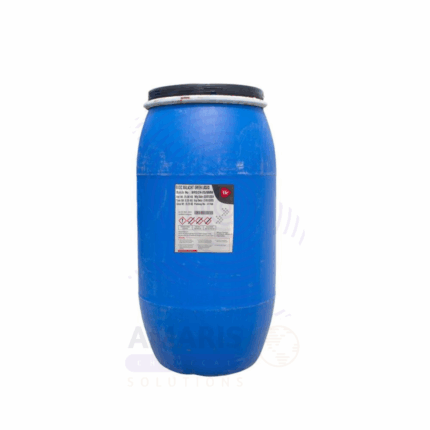
Malachite Green
Malachite Green is a synthetic organic compound classified as a triarylmethane dye. It appears as a green crystalline powder with a brilliant metallic sheen and is highly soluble in water and alcohol. While originally developed as a textile dye, Malachite Green is widely used in aquaculture, microbiology, and histology due to its antifungal, antibacterial, and staining properties. It is typically available in two forms: the oxalate and hydrochloride salts. Although effective in many industrial and biological applications, its use in food and veterinary contexts is restricted or banned in several countries due to toxicity concerns.
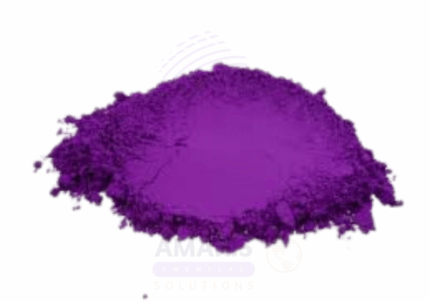
Purple Pigment
Purple Pigment is a colorant formulation containing 10% concentrated purple pigment dispersed in a carrier matrix. It is used to impart purple coloration in a wide range of applications, offering excellent color stability, UV resistance, and compatibility with various substrates. This pigment preparation is widely utilized in plastics, coatings, inks, textiles, cosmetics, and construction materials, where consistent hue and dispersion are essential.
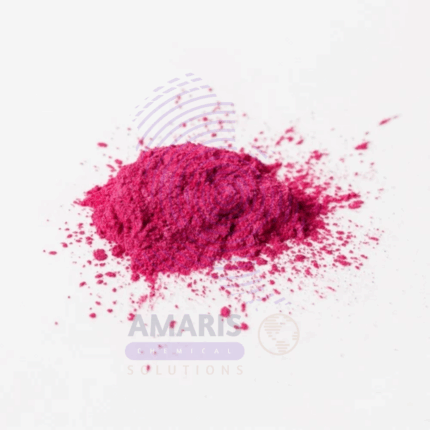
Raspberry Red Pigment
Raspberry Red Pigment is a concentrated dispersion of synthetic red pigment particles formulated to deliver a rich raspberry-red color. It offers excellent lightfastness, heat stability, and chemical inertness, making it ideal for applications in paints, coatings, plastics, inks, and specialty industrial uses. This pigment ensures consistent color strength and durability across various substrates and manufacturing processes.
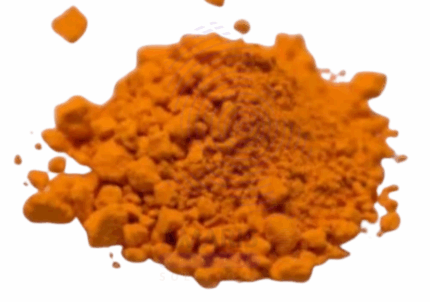
Solvent Orange
Solvent Orange is a synthetic azo dye widely used for coloring oils, waxes, plastics, and other non-polar substrates. It appears as an orange-red powder or granules and exhibits excellent solubility in organic solvents and oils, delivering bright, durable coloration. Packaged in a 25kg drum, this dye is favored in industrial applications requiring vibrant orange hues in solvent-based systems.
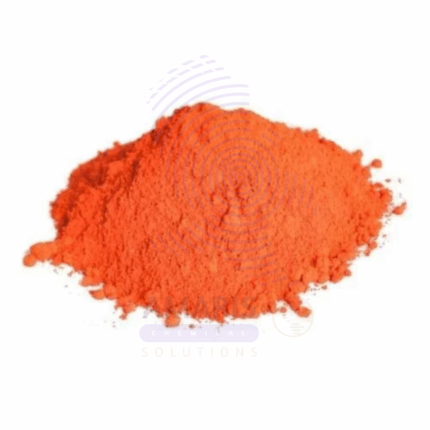
Waxol Solvent Orange
Waxol Solvent Orange is a synthetic solvent dye characterized by its vibrant orange color and excellent solubility in organic solvents such as hydrocarbons, oils, and waxes. It is widely used for coloring non-polar substrates where water-soluble dyes are unsuitable. The dye offers good lightfastness and stability in plasticizers, coatings, inks, and lubricants, providing consistent and uniform coloration. Waxol Solvent Orange 14 is ideal for applications requiring high tinting strength, chemical resistance, and compatibility with solvent-based systems in industrial and decorative uses.
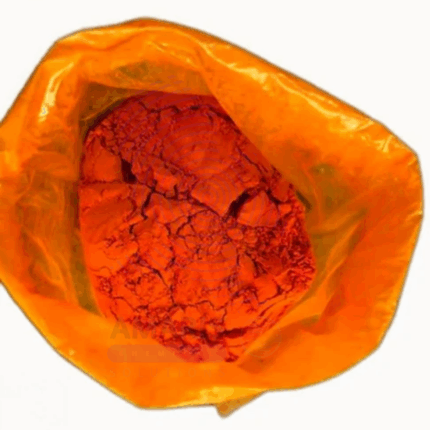
Waxol Solvent Yellow 2
Waxol Solvent Yellow 2 is a synthetic solvent dye known for its bright yellow hue and excellent solubility in organic solvents such as oils, waxes, hydrocarbons, and plasticizers. It provides consistent and vibrant yellow coloration in solvent-based systems, making it suitable for use in plastics, inks, coatings, and lubricants. The dye offers good chemical resistance and lightfastness, ensuring durability and stability of color in industrial and decorative applications. Waxol Solvent Yellow 2 is widely used where water-soluble dyes are unsuitable, providing high tinting strength and compatibility with various non-polar substrates.












