

 Preservatives(food)
 Flavors
 Acidulants
 Sweeteners
 Antioxidants
 Colorants(food)
 Nutraceutical Ingredients (food)
 Nutrient Supplements
 Emulsifiers
 Collectors
 Dust Suppressants
 Explosives and Blasting Agents
 Flocculants and Coagulants
 Frothers
 Leaching Agents
 pH Modifiers
 Precious Metal Extraction Agents
 Antioxidants(plastic)
 Colorants (Pigments, Dyes)
 Fillers and Reinforcements
 Flame Retardants
 Monomers
 Plasticizers
 Polymerization Initiators
 Stabilizers (UV, Heat)
 Antifoaming Agents
 Chelating Agents
 Coagulants and Flocculants
 Corrosion Inhibitors
 Disinfectants and Biocides
 Oxidizing Agents
 pH Adjusters
 Scale Inhibitors( water)
 Antioxidants(cosmetic)
 Emollients
 Oils
Oils Carrier Oills
 Essential Oils
 Humectants
 Preservatives
 Surfactants(cosmetic)
 Thickeners
 UV Filters
 Fragrance (Cosmetics)
 Fertilizers
 Soil Conditioners
 Plant Growth Regulators
 Animal Feed Additives
 Biostimulants
 Pesticides (Herbicides, Insecticides, Fungicides)
 Active Pharmaceutical Ingredients (APIs)
 Excipients
 Solvents(pharmaceutical)
 Antibiotics
 Antiseptics and Disinfectants
 Vaccine Adjuvants
 Nutraceutical Ingredients (pharmaceutical)
 Analgesics & Antipyretics
 Analytical Reagents
 Solvents(lab)
 Chromatography Chemicals
 Spectroscopy Reagents
 microbiology-and-cell-culture-reagents
 Molecular Biology Reagents
 Biochemical Reagents
 Inorganic and Organic Standards
 Laboratory Safety Chemicals
 Specialty Laboratory Chemicals(Special Laboratory Equipment)
 Demulsifiers
 Hydraulic Fracturing Fluids
 Scale Inhibitors(oil)
 Surfactants(oil)
 Drilling Fluids
 Dyes and Pigments
 Bleaching Agents
 Softening Agents
 Finishing Agents
 Antistatic Agents
 Admixtures
 Waterproofing Agents
 Sealants and Adhesives
 Curing Compounds
 Concrete Repair Chemicals
 Anti-Corrosion Coatings
 Surfactants(cleaning)
 Builders
 Enzymes
 Solvents (Cleaning)
 Electronic Chemicals
 Catalysts
 Lubricants
 Photographic Chemicals
 Refrigerants
 Automotive chemicals
 Pyrotechnic Chemicals
 Biodegradable Surfactants
 Bio-based Solvents
 Renewable Polymers
 Carbon Capture Chemicals
 Wastewater Treatment Chemicals
 Pigments
 Solvents(paint)
 Specialty Coatings
 Binders/Resins
 Additives
 Driers
 Anti-Corrosion Agents
 Functional Coatings
 Application-Specific Coatings
 Leavening Agents
 Dough Conditioners
 Flour Treatments
 Fat Replacers
 Decoratives
 Preservatives(baking)
 Plasticizers & Softeners
 Reinforcing Agents
 Adhesion Promoters
 Vulcanizing Agents
 Antidegradants
 Blowing Agents
 Fillers & Extenders
 Accelerators & Retarders
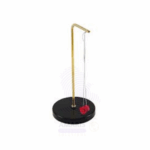
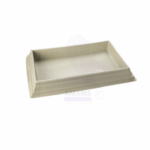

Plastic Cell Holder
Original price was: $ 7.17.$ 7.08Current price is: $ 7.08.
A Plastic Cell Holder is a laboratory accessory used to securely hold electrochemical or dry cells (batteries) in place during physics or electrical experiments. It is typically made from non-conductive, durable plastic and may feature metal terminals or spring-loaded clips for electrical connections. These holders provide a stable and safe platform to integrate batteries into circuits for educational demonstrations, testing setups, or prototyping purposes. Designed for use with common battery sizes (such as D, C, AA, or specialized cells), the holder ensures easy insertion, removal, and reliable connection of power sources without short-circuiting. It is widely used in physics labs, electronics training, and school science kits.
PLASTIC CELL HOLDER
Primary Uses
- Physics and Electronics Laboratory Applications
- Holding batteries or electrochemical cells in a stable position for circuit experiments.
- Providing secure electrical contacts for series or parallel battery connections.
- Used in Ohm’s Law, Kirchhoff’s Law, and basic circuit construction demonstrations.
- Facilitates safe power supply integration in small electronics or physics setups.
- Commonly used in secondary school and college-level science experiments.
Secondary Uses
- Educational and Prototyping Applications
- Used in STEM kits and electronic prototyping platforms (e.g., breadboarding).
- Demonstrating the relationship between voltage, current, and resistance.
- Powering small motors, sensors, and other electronic components in educational projects.
- Teaching battery safety and handling in electrical labs.
1.Basic Identification Attributes
- Material: High-strength, non-conductive plastic body (often ABS or PVC).
- Metal Contacts: Nickel-plated or brass terminals for electrical conductivity.
- Design: Spring clips or fixed slots for easy insertion/removal of batteries.
- Size Variants: Available for AA, AAA, C, D, 9V, or coin cells.
- Mounting: Some variants include screw holes or adhesive bases for secure placement.
2.Physical & Chemical Properties
- Electrical Insulation: Prevents accidental short circuits and electric shocks.
- Durability: Resistant to mechanical stress and chemical exposure in lab environments.
- Lightweight: Easy to handle and transport during class demonstrations.
3.Safety & Hazard Attributes
- Provides safe handling and containment of power cells.
- Reduces risk of electrical shocks, short circuits, or overheating.
4.Storage & Handling Attributes
- Store in a clean, dry place away from corrosive chemicals or direct heat.
- Avoid dropping or applying excessive force to terminals or clips.
- Remove cells when not in use to prevent corrosion or leakage.
5.Regulatory & Compliance Attributes
- Manufactured in accordance with lab safety and electrical standards (e.g., RoHS compliance).
- Safe for classroom use under standard educational guidelines.
6.Environmental & Health Impact
- Made of recyclable plastics (varies by type).
- Should be disposed of responsibly if damaged or worn out.
Safety Handling Precautions
- Ensure proper polarity when inserting batteries.
- Do not mix old and new cells, or cells of different voltages.
- Never short-circuit terminals intentionally.
First Aid Measures
- In case of battery leakage, avoid skin contact; wash with soap and water.
- If eye exposure occurs from battery fluid, rinse thoroughly and seek medical attention.
Firefighting Measures
- Holder itself is not flammable, but cells may catch fire if abused.
- Use dry chemical, foam, or CO₂ extinguishers if batteries ignite.
Related products
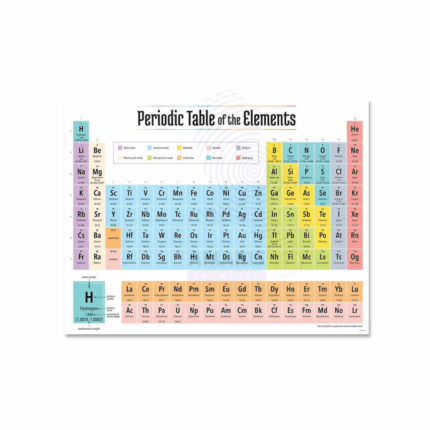
Charts Biology and Chemistry
Product Description
Charts Biology and Chemistry are educational visual aids designed to illustrate key concepts, processes, and structures in biology and chemistry. These charts typically feature detailed diagrams and labeled components covering topics such as cellular biology, chemical elements, molecular structures, and laboratory safety. They enhance learning and teaching effectiveness in classrooms and laboratories.
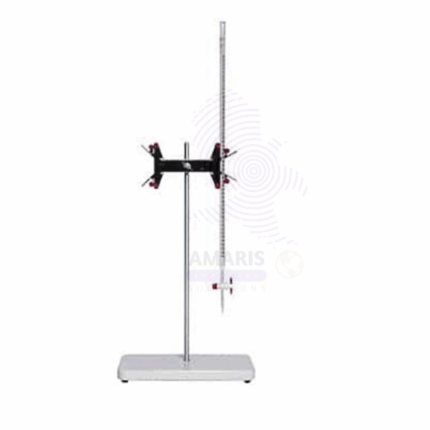
Complete burette stand
The Complete Burette Stand is a sturdy laboratory apparatus designed to securely hold burettes during titration and other volumetric experiments. Typically made of metal with a stable base, it features adjustable clamps and rods to accommodate different sizes of burettes and provide stability during precise liquid dispensing. Its durable construction ensures safety and accuracy in laboratory workflows.
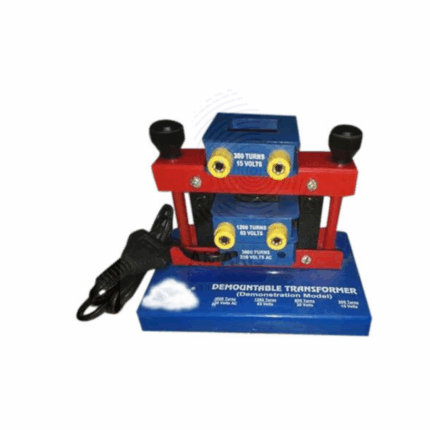
Demonstration transformer
The Demonstration Transformer is an educational and laboratory device designed to illustrate the principles of electromagnetic induction, voltage transformation, and mutual inductance. Typically composed of a laminated iron core with interchangeable primary and secondary coils, it allows for hands-on experiments involving step-up and step-down voltage transformation. Ideal for both laboratory demonstrations and industrial training settings, it supports a range of voltage and current inputs and can safely demonstrate real-time transformer behavior using AC power sources.

Diffraction Gratings
Diffraction Gratings are precision optical components used to disperse light into its component wavelengths for spectral analysis. These gratings consist of a surface with a series of closely spaced lines or grooves that diffract incoming light at specific angles depending on wavelength, enabling separation and measurement of spectral bands. Available in transmission or reflection formats, diffraction gratings are made from materials like glass or quartz and are often coated for enhanced optical performance. They are widely used in laboratories, research institutions, and industrial applications involving spectroscopy, photonics, and laser systems.
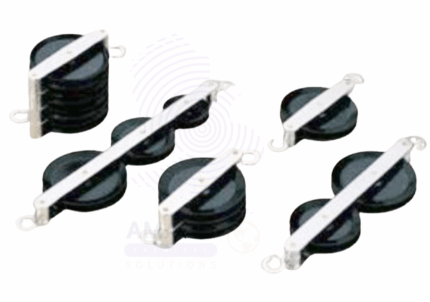
Double, Triple, Single Lab Pulley
Lab pulleys—available as single, double, or triple configurations—are precision-engineered mechanical devices used in laboratory settings to change the direction of force or lift loads with reduced effort. Typically made from durable materials such as metal alloys or hard plastics, these pulleys consist of grooved wheels that guide ropes or cords smoothly during experiments and mechanical setups. Single pulleys have one wheel, doubles have two, and triples have three wheels, allowing different mechanical advantages depending on the setup. Lab pulleys are essential in physics education, mechanical experiments, and engineering demonstrations where principles of force, tension, and motion are studied.
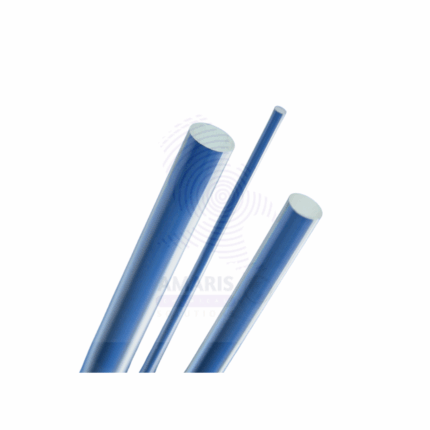
Glass Rod for Static Electricity
Glass Rod for Static Electricity is a smooth, cylindrical rod made from high-quality glass designed specifically for generating static electricity through friction. Commonly used in physics laboratories and educational demonstrations, this rod serves as a fundamental tool to study electrostatics by producing and transferring electric charges when rubbed with materials like silk or wool. The rod’s chemically resistant, durable glass surface allows repeated use without degradation. It is an essential apparatus for teaching concepts such as charge generation, attraction, repulsion, and the behavior of static electricity in various materials.

Italtext Premium Heavy Duty
Italtext Premium Heavy Duty is a robust, high-quality laboratory apparatus engineered for rigorous and extended use in demanding lab environments. Designed with durability and stability in mind, this heavy-duty apparatus supports a wide range of laboratory operations, from analytical procedures to sample processing. Its premium construction ensures consistent performance under mechanical stress, high-frequency use, and exposure to chemicals. Ideal for laboratory professionals requiring reliable and long-lasting equipment, Italtext Premium offers an optimal balance of strength, precision, and ergonomic handling in both research and industrial settings.
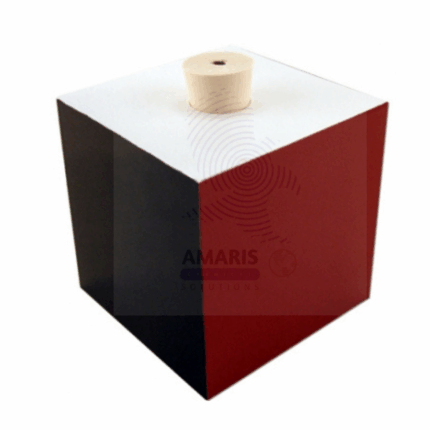
Leslie cubes
Leslie Cubes are metal cubes used in physics laboratories to demonstrate the principles of thermal radiation and emissivity. Each face of the cube has a different surface finish—such as polished, blackened, or white—which affects its heat radiation properties. When heated, Leslie Cubes allow students and researchers to observe how surface texture and color influence heat emission, making them essential for studies in thermodynamics and heat transfer.












