

 Preservatives(food)
 Flavors
 Acidulants
 Sweeteners
 Antioxidants
 Colorants(food)
 Nutraceutical Ingredients (food)
 Nutrient Supplements
 Emulsifiers
 Collectors
 Dust Suppressants
 Explosives and Blasting Agents
 Flocculants and Coagulants
 Frothers
 Leaching Agents
 pH Modifiers
 Precious Metal Extraction Agents
 Antioxidants(plastic)
 Colorants (Pigments, Dyes)
 Fillers and Reinforcements
 Flame Retardants
 Monomers
 Plasticizers
 Polymerization Initiators
 Stabilizers (UV, Heat)
 Antifoaming Agents
 Chelating Agents
 Coagulants and Flocculants
 Corrosion Inhibitors
 Disinfectants and Biocides
 Oxidizing Agents
 pH Adjusters
 Scale Inhibitors( water)
 Antioxidants(cosmetic)
 Emollients
 Oils
Oils Carrier Oills
 Essential Oils
 Humectants
 Preservatives
 Surfactants(cosmetic)
 Thickeners
 UV Filters
 Fragrance (Cosmetics)
 Fertilizers
 Soil Conditioners
 Plant Growth Regulators
 Animal Feed Additives
 Biostimulants
 Pesticides (Herbicides, Insecticides, Fungicides)
 Active Pharmaceutical Ingredients (APIs)
 Excipients
 Solvents(pharmaceutical)
 Antibiotics
 Antiseptics and Disinfectants
 Vaccine Adjuvants
 Nutraceutical Ingredients (pharmaceutical)
 Analgesics & Antipyretics
 Analytical Reagents
 Solvents(lab)
 Chromatography Chemicals
 Spectroscopy Reagents
 microbiology-and-cell-culture-reagents
 Molecular Biology Reagents
 Biochemical Reagents
 Inorganic and Organic Standards
 Laboratory Safety Chemicals
 Specialty Laboratory Chemicals(Special Laboratory Equipment)
 Demulsifiers
 Hydraulic Fracturing Fluids
 Scale Inhibitors(oil)
 Surfactants(oil)
 Drilling Fluids
 Dyes and Pigments
 Bleaching Agents
 Softening Agents
 Finishing Agents
 Antistatic Agents
 Admixtures
 Waterproofing Agents
 Sealants and Adhesives
 Curing Compounds
 Concrete Repair Chemicals
 Anti-Corrosion Coatings
 Surfactants(cleaning)
 Builders
 Enzymes
 Solvents (Cleaning)
 Electronic Chemicals
 Catalysts
 Lubricants
 Photographic Chemicals
 Refrigerants
 Automotive chemicals
 Pyrotechnic Chemicals
 Biodegradable Surfactants
 Bio-based Solvents
 Renewable Polymers
 Carbon Capture Chemicals
 Wastewater Treatment Chemicals
 Pigments
 Solvents(paint)
 Specialty Coatings
 Binders/Resins
 Additives
 Driers
 Anti-Corrosion Agents
 Functional Coatings
 Application-Specific Coatings
 Leavening Agents
 Dough Conditioners
 Flour Treatments
 Fat Replacers
 Decoratives
 Preservatives(baking)
 Plasticizers & Softeners
 Reinforcing Agents
 Adhesion Promoters
 Vulcanizing Agents
 Antidegradants
 Blowing Agents
 Fillers & Extenders
 Accelerators & Retarders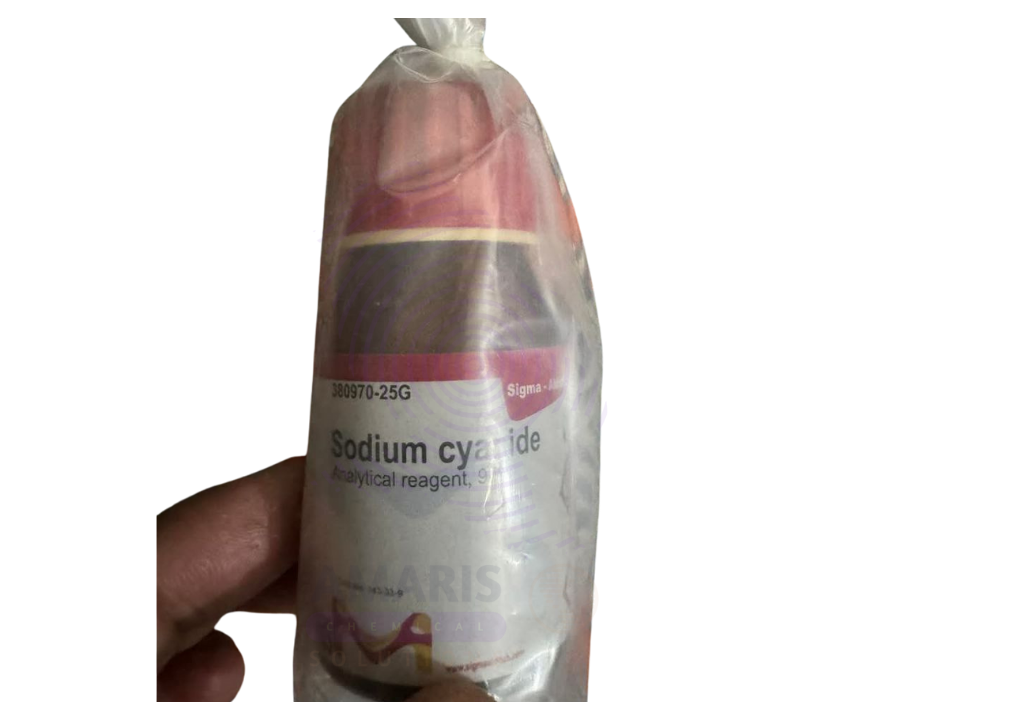

Sodium Cyanide Extra Pure
Original price was: $ 16.35.$ 16.23Current price is: $ 16.23.
Sodium Cyanide Extra Pure is a highly toxic, white crystalline compound primarily used in metallurgy, chemical synthesis, and laboratory applications. Its reactivity and solubility make it ideal for gold leaching and chemical analysis. Due to its extreme toxicity, sodium cyanide must be stored and handled with strict safety controls, including personal protective equipment, fume hoods, and emergency antidotes. It is regulated as a hazardous substance under numerous international frameworks and is classified as a controlled chemical requiring licensed handling.
Sodium Cyanide Extra Pure
PRIMARY USES
- Analytical Reagent & Laboratory Applications:
Used in qualitative inorganic analysis for detection of certain metal ions (e.g., silver, copper)
• Serves as a complexing agent in various titrations and precipitation reactions
• Applied in synthesis of coordination compounds in research labs - Mining & Metallurgy:
Essential in gold and silver extraction through cyanidation (leaching process)
• Used in electroplating baths for precious and non-precious metals
• Acts as a flotation agent in ore refining for selective separation of minerals - Chemical Manufacturing:
Intermediate in the synthesis of organic nitriles, dyes, and agrochemicals
• Used in the production of chelating agents and synthetic rubber
• Applied in the manufacture of cyanogen compounds
SECONDARY USES
- Pharmaceutical & Agrochemical Industry (controlled applications):
Occasionally used in synthesis of pharmaceutical intermediates and pesticides
• Employed in research for enzyme inhibition studies and biochemical applications
1. Basic Identification Attributes
- Chemical Name: Sodium Cyanide
• CAS Number: 143-33-9
• HS Code: 2837.19.00
• Molecular Formula: NaCN
• Synonyms:
- Cyanide of sodium
- Hydrocyanic acid, sodium salt
- White cyanide
2. Physical & Chemical Properties
Physical State: Solid (flakes, powder, or granules)
• Color & Odor: White, faint bitter almond odor (due to HCN vapors)
• Melting Point: ~563 °C
• Boiling Point: Decomposes before boiling
• Density/Specific Gravity: ~1.6 g/cm³
• Solubility:
- Readily soluble in water (48 g/100 mL at 25 °C)
- Slightly soluble in ethanol
• pH Level: Alkaline in aqueous solution (pH ~11 for 1% solution)
• Vapor Pressure & Volatility: Low, but emits toxic hydrogen cyanide gas on contact with acids or moisture
• Flash Point: Not applicable
• Autoignition Temperature: Not applicable
• Viscosity: Not applicable
3. Safety & Hazard Attributes
Hazard Class (GHS Classification):
- Acute toxicity – oral, dermal, inhalation (Category 2)
- Specific target organ toxicity – repeated exposure (Category 2)
- Aquatic acute and chronic toxicity (Category 1)
• NFPA Ratings: - Health: 4
- Flammability: 0
- Reactivity: 2
• Exposure Limits: - OSHA PEL: 5 mg/m³ (as cyanide)
- ACGIH TLV: 5 mg/m³ (as cyanide)
• Reactivity: - Extremely reactive with acids (releases toxic HCN gas)
- Incompatible with oxidizers and moisture
4. Storage & Handling Attributes
Storage Conditions:
- Store in tightly sealed containers in a dry, well-ventilated area
- Use corrosion-resistant containers (e.g., polyethylene, steel)
• Incompatible Materials: - Acids (release of HCN gas)
- Moisture and oxidizing agents
• Container Type: - Sealed metal drums or approved safety containers
• Shelf Life & Expiration Date: - Stable if stored dry and airtight; monitor regularly for degradation
• Special Handling Requirements: - Only trained personnel should handle
- Use in fume hoods or enclosed systems
5. Regulatory & Compliance Attributes
Regulatory Status:
- Highly regulated under OSHA, EPA, REACH, and international chemical safety frameworks
- Classified as a restricted poison; transport requires special documentation
• Transportation Restrictions: - Classified as Toxic, Packing Group I
- UN Number: 1689
• Waste Disposal Method: - Must be treated via alkaline chlorination or hydrogen peroxide method
- Disposal by licensed hazardous waste contractor only
6. Environmental & Health Impact
Ecotoxicity:
- Extremely toxic to aquatic and terrestrial life
- Lethal at very low concentrations in water
• Persistence in Environment: - Degrades under alkaline chlorination or sunlight but may persist in anaerobic environments
• Carcinogenicity/Mutagenicity: - Not classified as carcinogenic, but highly toxic
• Biodegradability: - Not biodegradable; must be chemically destroyed
SAFETY PRECAUTIONS
Personal Protective Equipment (PPE):
• Wear full chemical-resistant suit and gloves (e.g., nitrile or neoprene)
• Use chemical safety goggles and full face shield
• Use certified respirator or SCBA in areas with possible airborne contamination
• Ensure eyewash stations and safety showers are available nearby
Handling:
• Handle in a closed system or fume hood
• Avoid contact with acids, moisture, and open containers
• Keep away from food and drink
• Never work alone when handling cyanide compounds
Storage:
• Store in cool, dry, secure, well-labeled area with restricted access
• Keep away from incompatible substances
• Use secondary containment to prevent leaks
FIRST AID MEASURES
Inhalation:
• Move to fresh air immediately
• Administer 100% oxygen
• Seek emergency medical attention
• Antidote: Hydroxocobalamin or sodium thiosulfate with sodium nitrite
Skin Contact:
• Remove contaminated clothing immediately
• Wash with copious water and soap for at least 15 minutes
• Seek immediate medical attention
Eye Contact:
• Rinse eyes with plenty of water for at least 15 minutes
• Keep eyelids open
• Seek emergency medical help
Ingestion:
• Rinse mouth (do not induce vomiting)
• Administer activated charcoal if advised by poison control
• Immediate medical attention is critical
FIRE FIGHTING MEASURES
Flammability:
• Not flammable
Extinguishing Media:
• Use dry chemical, CO₂, or foam (avoid water if cyanide is uncontained)
Hazardous Combustion Products:
• Hydrogen cyanide (HCN) and nitrogen oxides
Firefighter Protection:
• Wear full protective gear and SCBA
• Avoid inhalation of toxic decomposition gases
Related products
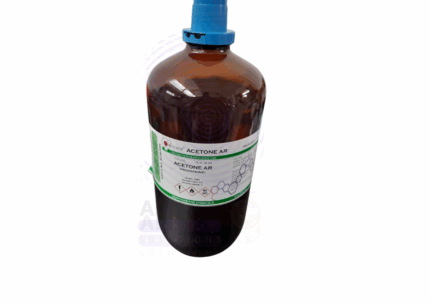
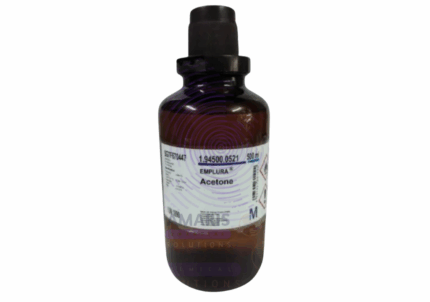
Acetone Extra Pure
Acetone Extra Pure is a highly volatile, flammable, and colorless liquid widely used as a powerful solvent in laboratory and industrial applications. Known for its exceptional ability to dissolve a wide range of substances, it is commonly employed for cleaning laboratory glassware, thinning resins, and removing organic residues. In the cosmetics and pharmaceutical industries, acetone is used in nail polish removers and formulation processes. Its high evaporation rate and purity make it suitable for analytical procedures and synthesis work, especially where contaminant-free solvents are essential. With a distinct odor and low boiling point, Acetone Extra Pure is an indispensable reagent for both routine and specialized chemical operations.
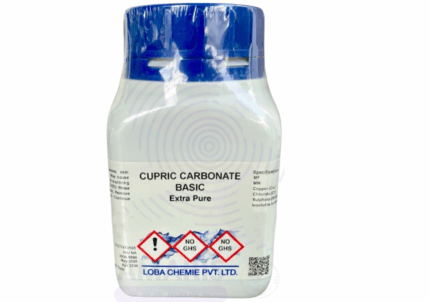
Cupric Carbonate Extra Pure
Cupric Carbonate Extra Pure is a fine, green, high-purity compound used in laboratories for inorganic synthesis, analytical chemistry, and educational demonstrations. It serves as a reliable source of copper ions in reactions and decomposes upon heating to form copper oxide, making it useful for studying thermal decomposition. In qualitative analysis, it is employed to observe characteristic reactions of copper salts. Its extra pure grade ensures minimal interference from impurities, supporting accurate experimental outcomes. Cupric carbonate should be handled in a dry environment and stored in tightly sealed containers to prevent degradation and maintain stability.
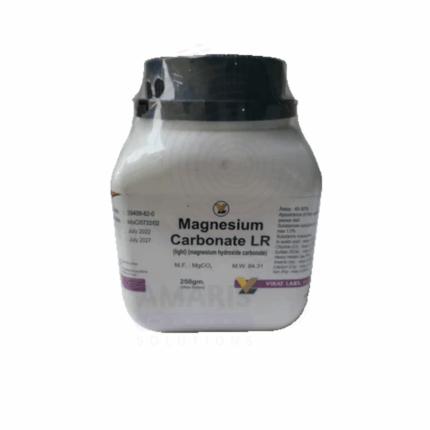
Magnesium Carbonate Extra Pure
Magnesium Carbonate Extra Pure is a high-purity, white powder valued for its excellent absorbent and antacid qualities. It is commonly used in pharmaceuticals as a magnesium supplement or antacid, and in food applications as a drying agent, anti-caking agent, or acidity regulator. In the cosmetics and personal care industry, it functions as a filler and a bulking agent in powders and creams. It is also employed in laboratory settings for analytical applications due to its consistent chemical composition. Its high absorbency and stability make it useful in rubber, ceramics, and sports grip products as well.
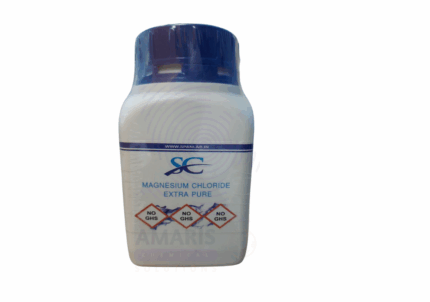
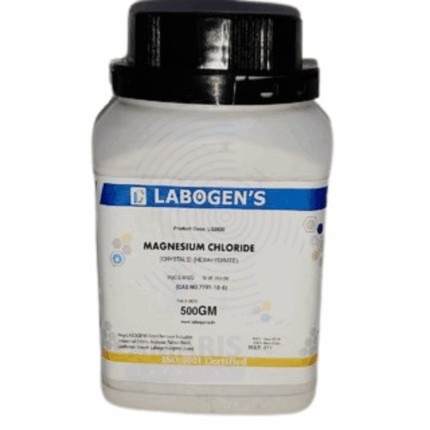
Magnesium Chloride Extra Pure
Magnesium Chloride Extra Pure is a highly soluble, refined chemical compound commonly used for its excellent hygroscopic and electrolyte properties. In laboratory and analytical settings, it is valued for preparing magnesium-based solutions and as a reagent in various chemical reactions. In pharmaceuticals, it serves as a magnesium supplement, aiding in nerve function and muscle health. It is also used in cosmetics and personal care products for its skin-conditioning benefits. Additionally, it finds applications in textile processing, dust control, and de-icing formulations, where its purity ensures minimal impurities in sensitive applications.
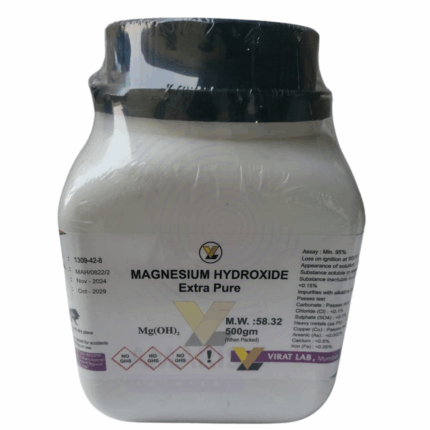
Magnesium Hydroxide Heavy Extra Pure
Magnesium Hydroxide Heavy Extra Pure is a high-purity, dense white powder widely utilized for its antacid and absorbent properties. In pharmaceutical formulations, it acts as a gentle laxative and an effective antacid to neutralize stomach acid. Due to its high purity, it is also used in laboratory experiments and analytical chemistry where precise reactions are essential. In cosmetic and personal care products, it functions as a pH adjuster and an absorbent in creams, lotions, and deodorants. Additionally, it serves roles in wastewater treatment, flame retardants, and ceramic manufacturing, offering consistent performance and low impurity content.
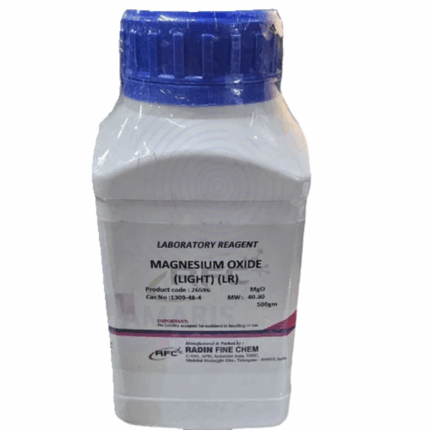
Magnesium Oxide Light Powder Extra Pure
Magnesium Oxide Light Powder Extra Pure is a fine, white, odorless powder with a lower bulk density compared to the heavy grade, offering high surface area and excellent reactivity. It is widely used in analytical laboratories, pharmaceuticals, and cosmetics due to its purity and gentle chemical behavior. In pharmaceutical formulations, it acts as an antacid and magnesium supplement, while in cosmetics, it is used for its absorbent and pH-adjusting properties. Its light, fluffy texture also makes it ideal for use in rubber, plastics, and coatings as a filler, stabilizer, or neutralizing agent. The extra pure grade ensures consistent quality for precise and sensitive applications.
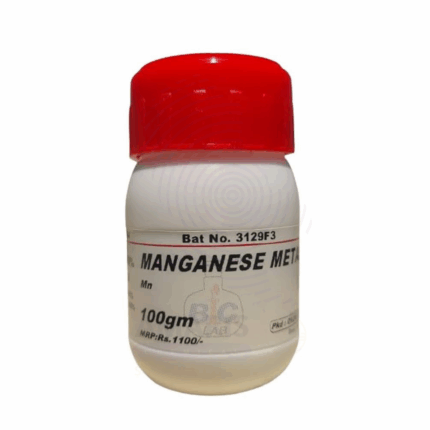
Manganese Metal Powder Extra Pure
Manganese Metal Powder Extra Pure is a fine, silvery-gray metallic powder known for its high reactivity and essential role in various chemical and metallurgical applications. In the laboratory, it is frequently used in redox reactions, alloy synthesis, and as a reagent for preparing manganese compounds. Its high surface area makes it particularly effective in catalysis and experimental procedures requiring fast reactivity. Industrially, manganese metal powder is integral to producing specialty steels and alloys, where it improves hardness, strength, and wear resistance. Its exceptional purity ensures consistent performance in research, metal refining, and advanced materials development.
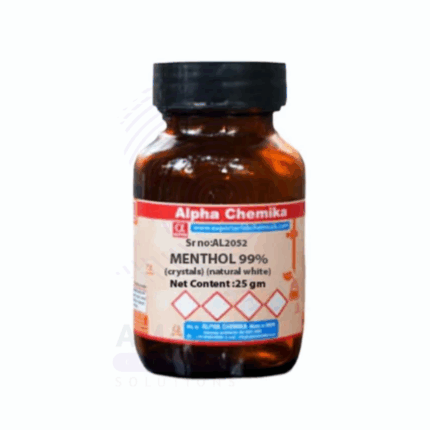
Menthol Crystals Extra Pure
Menthol Crystals Extra Pure are colorless to white, needle-like crystals derived from peppermint or other mint oils and refined to the highest purity. Known for their strong, refreshing minty aroma, they are widely used in pharmaceutical, cosmetic, and personal care formulations. These crystals provide a cooling sensation on the skin and mucous membranes, making them a common ingredient in balms, liniments, throat lozenges, and inhalants. In laboratories, menthol crystals are also used in sensory studies and product development. Their purity ensures consistent performance and minimal interference in sensitive formulations.












