

 Preservatives(food)
 Flavor Enhancers
 Acidulants
 Sweeteners
 Antioxidants
 Colorants(food)
 Nutraceutical Ingredients (food)
 Nutrient Supplements
 Emulsifiers
 Collectors
 Dust Suppressants
 Explosives and Blasting Agents
 Flocculants and Coagulants
 Frothers
 Leaching Agents
 pH Modifiers
 Precious Metal Extraction Agents
 Antioxidants(plastic)
 Colorants (Pigments, Dyes)
 Fillers and Reinforcements
 Flame Retardants
 Monomers
 Plasticizers
 Polymerization Initiators
 Stabilizers (UV, Heat)
 Antifoaming Agents
 Chelating Agents
 Coagulants and Flocculants
 Corrosion Inhibitors
 Disinfectants and Biocides
 Oxidizing Agents
 pH Adjusters
 Scale Inhibitors( water)
 Antioxidants(cosmetic)
 Emollients
 Fragrances and Essential Oils
 Humectants
 Preservatives
 Surfactants(cosmetic)
 Thickeners
 UV Filters
 Fertilizers
 Soil Conditioners
 Plant Growth Regulators
 Animal Feed Additives
 Biostimulants
 Pesticides (Herbicides, Insecticides, Fungicides)
 Active Pharmaceutical Ingredients (APIs)
 Excipients
 Solvents(pharmaceutical)
 Antibiotics
 Antiseptics and Disinfectants
 Vaccine Adjuvants
 Nutraceutical Ingredients (pharmaceutical)
 Analgesics & Antipyretics
 Analytical Reagents
 Solvents(lab)
 Chromatography Chemicals
 Spectroscopy Reagents
 microbiology-and-cell-culture-reagents
 Molecular Biology Reagents
 Biochemical Reagents
 Inorganic and Organic Standards
 Laboratory Safety Chemicals
 Specialty Laboratory Chemicals(Special Laboratory Equipment)
 Demulsifiers
 Hydraulic Fracturing Fluids
 Scale Inhibitors(oil)
 Surfactants(oil)
 Drilling Fluids
 Dyes and Pigments
 Bleaching Agents
 Softening Agents
 Finishing Agents
 Antistatic Agents
 Admixtures
 Waterproofing Agents
 Sealants and Adhesives
 Curing Compounds
 Concrete Repair Chemicals
 Anti-Corrosion Coatings
 Surfactants(cleaning)
 Builders
 Enzymes
 Solvents (Cleaning)
 Fragrances
 Electronic Chemicals
 Catalysts
 Lubricants
 Photographic Chemicals
 Refrigerants
 Automotive chemicals
 Pyrotechnic Chemicals
 Biodegradable Surfactants
 Bio-based Solvents
 Renewable Polymers
 Carbon Capture Chemicals
 Wastewater Treatment Chemicals
 Pigments
 Solvents(paint)
 Specialty Coatings
 Binders/Resins
 Additives
 Driers
 Anti-Corrosion Agents
 Functional Coatings
 Application-Specific Coatings
 Leavening Agents
 Dough Conditioners
 Flour Treatments
 Fat Replacers
 Decoratives
 Preservatives(baking)
 Plasticizers & Softeners
 Reinforcing Agents
 Adhesion Promoters
 Vulcanizing Agents
 Antidegradants
 Blowing Agents
 Fillers & Extenders
 Accelerators & Retarders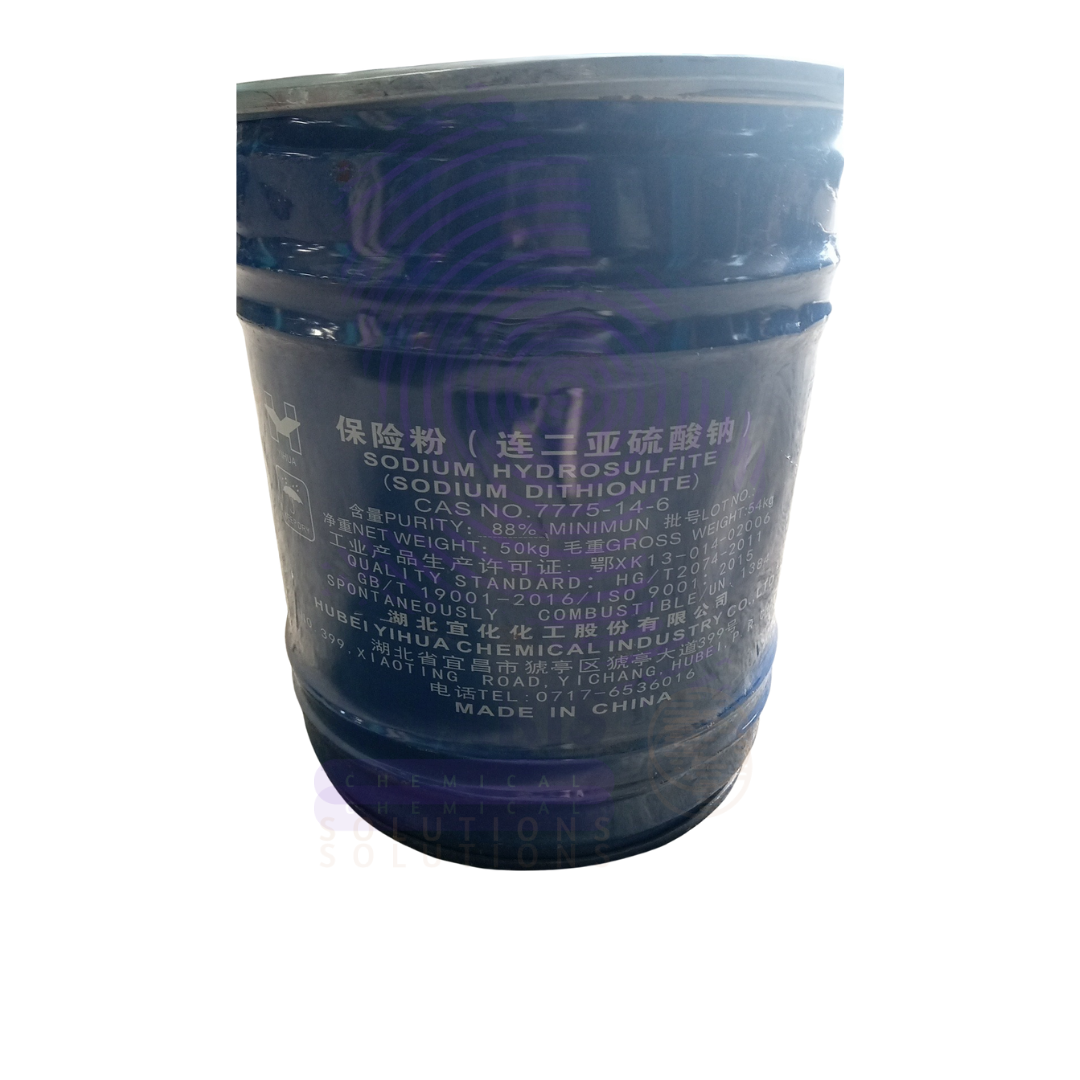


Sodium Hydrosulphite
Original price was: $ 3.05.$ 2.94Current price is: $ 2.94.
Sodium Hydrosulphite, also known as sodium dithionite, is a white to yellowish powder with a strong reducing property. It is highly soluble in water and decomposes readily, releasing sulfur dioxide and sulfites. Widely used as a powerful reducing agent and bleaching agent, it finds applications in textile processing, paper and pulp industries, water treatment, and chemical manufacturing. Its ability to break down colored compounds makes it ideal for decolorization and cleaning processes.
Sodium Hydrosulphite
Primary Uses
- Textile Industry
- Used as a reducing agent in the vat dyeing process and for bleaching fabrics.
- Removes excess dye and helps in color correction of textiles.
- Paper and Pulp Industry
- Employed in deinking recycled paper to remove inks and contaminants.
- Acts as a bleaching agent to brighten paper products.
- Water Treatment
- Utilized for the removal of chlorine and chloramines from water, protecting aquatic life and equipment.
- Reduces harmful oxidizing agents in wastewater treatment.
- Leather Industry
- Used in the deliming process and to bleach hides and skins during leather manufacturing.
- Chemical Manufacturing
- Serves as a reducing agent in the synthesis of various chemicals, including dyes and pharmaceuticals.
Secondary Uses
- Photography
- Used as a reducing agent in photographic developers to control image development.
- Metal Treatment
- Employed for removing surface oxides and scales during metal finishing and cleaning.
- Food Industry
- Used as a bleaching agent in some food processing applications under regulated conditions.
1. Basic Identification Attributes
- Chemical Name (IUPAC): Sodium dithionite
- Common/Trade Name: Sodium Hydrosulphite
- CAS Number: 7775-14-6
- HS Code: 2832.30
- Synonyms: Sodium dithionite, Sodium hydrosulfite
2. Physical & Chemical Properties
- Physical State: Powder or granules
- Color & Odor: White to pale yellow; sulfurous odor
- Solubility: Soluble in water, decomposes on contact with moisture and acids
- pH: Alkaline in solution (~10-11)
- Density: Approx. 1.4 g/cm³
3. Safety & Hazard Attributes
- GHS Classification: Oxidizing solid (self-reactive); harmful if swallowed or inhaled; causes skin and eye irritation
- Toxicity: Can release toxic sulfur dioxide gas upon decomposition
- Exposure Limits: Use appropriate industrial hygiene measures
4. Storage & Handling Attributes
- Storage Conditions: Store in a cool, dry, well-ventilated area away from moisture, acids, and oxidizing agents
- Container Type: Supplied in moisture-proof bags or drums
- Shelf Life: Limited; sensitive to moisture and air
- Handling Precautions: Avoid dust formation, inhalation, and contact with skin and eyes
- Storage Measures: Keep containers tightly closed and stored in a dry environment
5. Regulatory & Compliance Attributes
- Complies with industrial chemical regulations including OSHA, REACH, and local hazardous material standards
- Proper labeling and handling as per transport and safety guidelines
6. Environmental & Health Impact
- Biodegradability: Breaks down in environment; sulfur compounds may cause localized effects
- Ecotoxicity: Toxic to aquatic life in high concentrations; avoid release into waterways
- Bioaccumulation: Not expected
Safety Handling Precautions
- PPE Required: Gloves, goggles, dust mask or respirator, protective clothing
- Handling Guidelines: Use in well-ventilated areas; avoid inhalation of dust and contact with skin or eyes
- Storage Measures: Store away from moisture and incompatible substances to prevent hazardous decomposition
First Aid Measures
- Inhalation: Move to fresh air immediately; seek medical attention if symptoms persist
- Skin Contact: Wash affected area with plenty of water; remove contaminated clothing
- Eye Contact: Flush eyes thoroughly with water for at least 15 minutes; seek medical attention
- Ingestion: Do not induce vomiting; rinse mouth and seek immediate medical help
Firefighting Measures
- Fire Hazards: May decompose explosively when heated or in contact with acids and moisture
- Extinguishing Media: Use dry chemical powder, CO₂, or foam; avoid water as it may accelerate decomposition
- Special Precautions: Wear full protective gear and self-contained breathing apparatus
- Hazardous Combustion Products: Sulfur dioxide, sulfur oxides, sodium oxides
Related products
Bleaching Earth
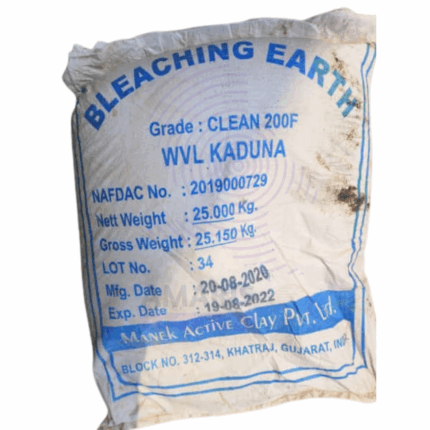
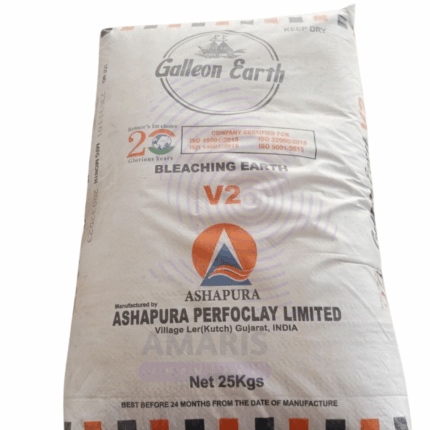
Bleaching Earth is a fine, highly adsorptive clay material derived primarily from bentonite or montmorillonite, and in some cases from attapulgite or sepiolite. It is typically activated using acid treatment to enhance its surface area and pore structure. It is widely used to remove color, contaminants, impurities, and odors from edible oils, fats, waxes, petroleum products, and various industrial fluids. Its high adsorption capacity, non-toxic nature, and effectiveness in filtration make it essential in food processing, chemical industries, cosmetics, and waste treatment applications.
Calcium Hypochlorite
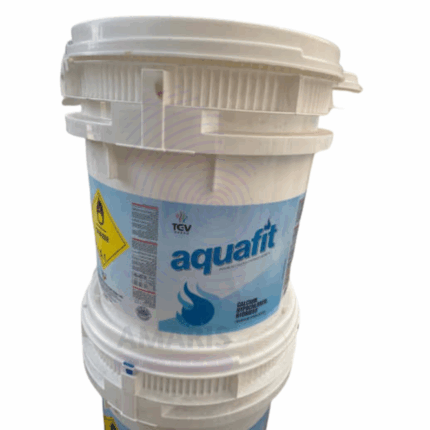
Calcium Hypochlorite Chlorine is a white to slightly yellow crystalline powder or granules known for its strong oxidizing and disinfectant properties. The 65% grade indicates the available chlorine content, making it a powerful bleaching, sanitizing, and oxidizing agent. It is commonly used for water treatment, sanitation, and as a bleaching agent in industrial and household applications. Calcium Hypochlorite dissolves in water to release hypochlorous acid, which effectively kills bacteria, viruses, and fungi.

Liquid Chlorine
Liquid Chlorine is a pale yellow-green, highly reactive chemical primarily composed of chlorine dissolved in water or as liquefied chlorine gas under pressure. It is widely used as a powerful disinfectant, bleaching agent, and oxidizer in water treatment, sanitation, and various industrial applications. Due to its strong antimicrobial properties, liquid chlorine effectively controls bacteria, viruses, algae, and other microorganisms, ensuring safe potable water and hygienic conditions.
Potassium Hydroxide
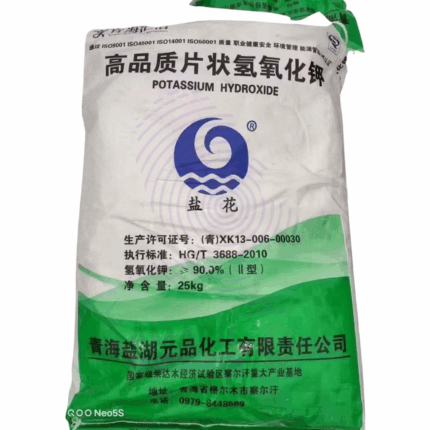
Potassium Hydroxide is a highly concentrated, caustic alkaline chemical available as a solid (pellets, flakes) or concentrated aqueous solution. It is a strong base widely used in industrial processes, chemical manufacturing, and as a reagent. Potassium Hydroxide provides excellent neutralizing, saponifying, and cleaning properties and is essential in producing potassium soaps, biodiesel, fertilizers, and various chemical compounds. Its high purity and concentration (90%) make it suitable for demanding applications requiring strong alkalinity.
Sodium Hypochlorite
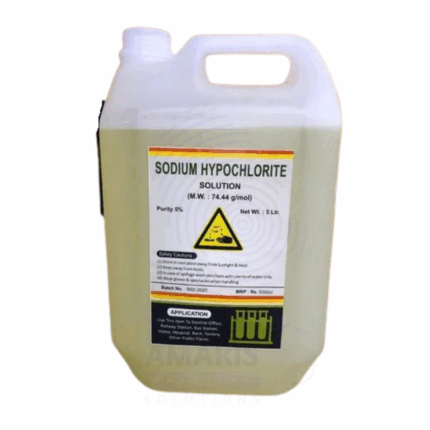
Sodium Hypochlorite 10-12% (commonly known as Jik) is a clear to pale greenish-yellow liquid with a strong chlorine odor. It is a widely used disinfectant and bleaching agent, known for its powerful oxidizing properties. This grade is commonly employed in household cleaning, water treatment, and industrial sanitation processes. It is effective against a broad spectrum of microorganisms, making it a popular choice for disinfection and sterilization.
Sodium Perborate
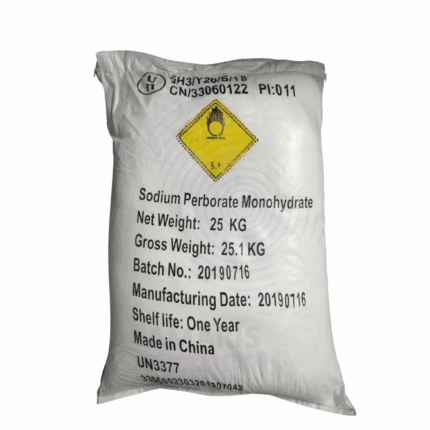
Sodium Perborate is a white crystalline oxidizing compound with the chemical formula NaBO₃·nH₂O (typically tetrahydrate or monohydrate). This versatile chemical serves as a stable, eco-friendly bleaching agent and disinfectant, widely used in detergents, cleaning products, and personal care formulations. Its controlled oxygen release makes it valuable for gentle stain removal and antimicrobial applications while being more environmentally favorable than chlorine-based alternatives.

Sodium Sulphite (Blue)
Sodium Sulphite Blue is a white to bluish-white crystalline powder with the chemical formula Na₂SO₃. The “Blue” grade indicates a specific industrial quality often containing minor additives or impurities, used primarily in water treatment and chemical industries. It acts as an effective oxygen scavenger, reducing agent, and preservative. This 25kg packaged product is highly soluble in water, forming alkaline solutions, and is widely used in pulp and paper, water treatment, textile, and photographic industries.
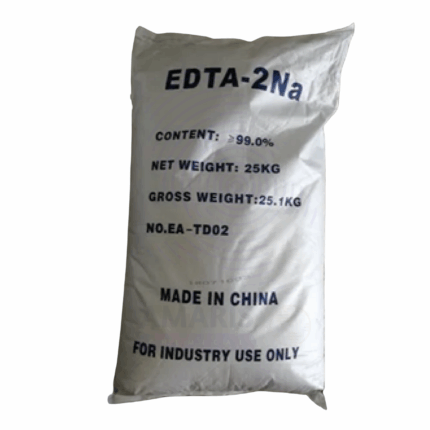
Trilium (EDTA)
Trilium EDTA is a high-purity, versatile chelating agent known chemically as ethylenediaminetetraacetic acid (EDTA) or its trisodium salt form. It is widely used across industries to bind and sequester metal ions, improving product stability and performance. Trilium EDTA effectively prevents metal ion contamination, controls hardness in water, enhances cleaning efficiency, and stabilizes formulations in pharmaceuticals, cosmetics, agriculture, and industrial applications. Its strong chelating properties make it an essential ingredient for complexation and metal ion control.












