

 Preservatives(food)
 Flavor Enhancers
 Acidulants
 Sweeteners
 Antioxidants
 Colorants(food)
 Nutraceutical Ingredients (food)
 Nutrient Supplements
 Emulsifiers
 Collectors
 Dust Suppressants
 Explosives and Blasting Agents
 Flocculants and Coagulants
 Frothers
 Leaching Agents
 pH Modifiers
 Precious Metal Extraction Agents
 Antioxidants(plastic)
 Colorants (Pigments, Dyes)
 Fillers and Reinforcements
 Flame Retardants
 Monomers
 Plasticizers
 Polymerization Initiators
 Stabilizers (UV, Heat)
 Antifoaming Agents
 Chelating Agents
 Coagulants and Flocculants
 Corrosion Inhibitors
 Disinfectants and Biocides
 Oxidizing Agents
 pH Adjusters
 Scale Inhibitors( water)
 Antioxidants(cosmetic)
 Emollients
 Fragrances and Essential Oils
 Humectants
 Preservatives
 Surfactants(cosmetic)
 Thickeners
 UV Filters
 Fertilizers
 Soil Conditioners
 Plant Growth Regulators
 Animal Feed Additives
 Biostimulants
 Pesticides (Herbicides, Insecticides, Fungicides)
 Active Pharmaceutical Ingredients (APIs)
 Excipients
 Solvents(pharmaceutical)
 Antibiotics
 Antiseptics and Disinfectants
 Vaccine Adjuvants
 Nutraceutical Ingredients (pharmaceutical)
 Analgesics & Antipyretics
 Analytical Reagents
 Solvents(lab)
 Chromatography Chemicals
 Spectroscopy Reagents
 microbiology-and-cell-culture-reagents
 Molecular Biology Reagents
 Biochemical Reagents
 Inorganic and Organic Standards
 Laboratory Safety Chemicals
 Specialty Laboratory Chemicals(Special Laboratory Equipment)
 Demulsifiers
 Hydraulic Fracturing Fluids
 Scale Inhibitors(oil)
 Surfactants(oil)
 Drilling Fluids
 Dyes and Pigments
 Bleaching Agents
 Softening Agents
 Finishing Agents
 Antistatic Agents
 Admixtures
 Waterproofing Agents
 Sealants and Adhesives
 Curing Compounds
 Concrete Repair Chemicals
 Anti-Corrosion Coatings
 Surfactants(cleaning)
 Builders
 Enzymes
 Solvents (Cleaning)
 Fragrances
 Electronic Chemicals
 Catalysts
 Lubricants
 Photographic Chemicals
 Refrigerants
 Automotive chemicals
 Pyrotechnic Chemicals
 Biodegradable Surfactants
 Bio-based Solvents
 Renewable Polymers
 Carbon Capture Chemicals
 Wastewater Treatment Chemicals
 Pigments
 Solvents(paint)
 Specialty Coatings
 Binders/Resins
 Additives
 Driers
 Anti-Corrosion Agents
 Functional Coatings
 Application-Specific Coatings
 Leavening Agents
 Dough Conditioners
 Flour Treatments
 Fat Replacers
 Decoratives
 Preservatives(baking)
 Plasticizers & Softeners
 Reinforcing Agents
 Adhesion Promoters
 Vulcanizing Agents
 Antidegradants
 Blowing Agents
 Fillers & Extenders
 Accelerators & Retarders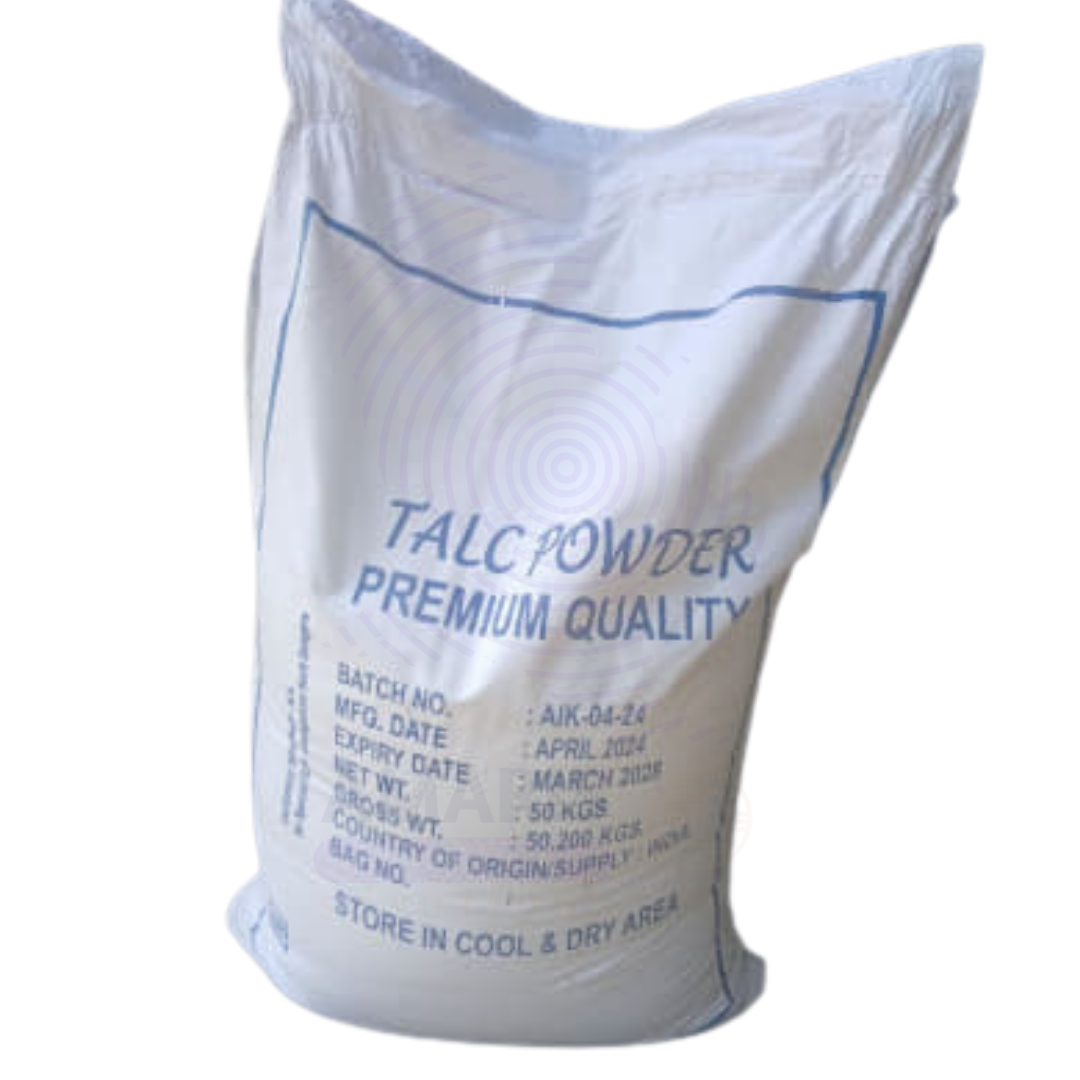

Talcum Powder (Talc)
Original price was: $ 0.90.$ 0.77Current price is: $ 0.77.
Talcum Powder is a naturally occurring mineral composed primarily of hydrated magnesium silicate. It is known for its softness, absorbency, and lubricating properties. Talc is widely used in cosmetic, pharmaceutical, industrial, and consumer products due to its ability to absorb moisture, improve texture, and provide a smooth, silky feel. The powder form allows easy dispersion and application across diverse sectors.
Talcum Powder (Talc)
Primary Uses
- Cosmetics & Personal Care
- Body Powder: Used in talcum powders, baby powders, and deodorants for moisture absorption and skin soothing.
- Makeup & Foundation: Functions as a filler and texture enhancer in various makeup products.
- Pharmaceuticals
- Tablet & Pill Manufacturing: Acts as a glidant and anti-caking agent to improve powder flow and prevent clumping during production.
- Topical Applications: Used in medicated powders for skin conditions.
- Industrial Applications
- Plastics & Rubber: Serves as a filler to improve processing and mechanical properties.
- Paints & Coatings: Provides smoothness, improves opacity, and acts as a matting agent.
- Paper Industry: Enhances paper gloss, brightness, and printability.
Secondary Uses
- Ceramics
- Fluxing Agent: Used to improve the firing characteristics and finish of ceramic products.
- Agriculture
- Insecticide Carrier: Acts as a carrier and anti-caking agent in pesticide formulations.
- Food Industry
- Anti-caking Agent: Used in powdered food products to prevent clumping (food-grade talc only).
| PACK SIZE | 50kg |
|---|
1. Basic Identification Attributes
- Chemical Name (IUPAC): Hydrated magnesium silicate
- Common/Trade Name: Talcum Powder, Talc
- CAS Number: 14807-96-6
- HS Code: 2526.20.00
- Synonyms: Talcum, talc powder, soapstone
2. Physical & Chemical Properties
- Physical State: Fine, soft powder
- Color & Odor: White to off-white; odorless
- Melting Point: Approx. 1500 °C (decomposes)
- Solubility: Insoluble in water and organic solvents
- Density: Approx. 2.58 g/cm³
3. Safety & Hazard Attributes
- GHS Classification: Not classified as hazardous; respirable talc dust may cause respiratory issues
- Toxicity: Generally low; prolonged inhalation of fine dust should be avoided
- Exposure Limits: Follow occupational exposure limits for respirable dust (e.g., OSHA PEL: 2 mg/m³)
4. Storage & Handling Attributes
- Storage Conditions: Store in a cool, dry, dust-free environment
- Container Type: Bags, drums, or bulk containers
- Shelf Life: Indefinite if stored properly
- Handling Precautions: Minimize dust generation; use appropriate PPE
5. Regulatory & Compliance Attributes
- Complies with cosmetic and pharmaceutical regulations where applicable
- Food-grade talc meets FDA and Codex Alimentarius standards
- Manufactured under GMP conditions for applicable uses
- Meets safety and environmental regulations (REACH, OSHA, GHS)
6. Environmental & Health Impact
- Biodegradability: Inert mineral; not biodegradable
- Ecotoxicity: Low environmental impact; avoid release of fine dust in air or water
- Bioaccumulation: Not applicable
Safety Handling Precautions
- PPE Required: Use dust mask or respirator, gloves, and eye protection when handling powders
- Handling Guidelines: Work in well-ventilated areas to reduce dust exposure
- Storage Measures: Keep containers tightly closed and dry
First Aid Measures
- Inhalation: Move to fresh air; seek medical attention if breathing difficulty occurs
- Skin Contact: Wash with soap and water if irritation occurs
- Eye Contact: Rinse eyes with water for 15 minutes; seek medical attention if irritation persists
- Ingestion: Rinse mouth; seek medical advice if symptoms occur
Firefighting Measures
- Fire Hazards: Non-flammable; dust may pose explosion risk in confined spaces
- Extinguishing Media: Use water spray, foam, or dry chemical extinguishers as appropriate
- Hazardous Combustion Products: None
Related products
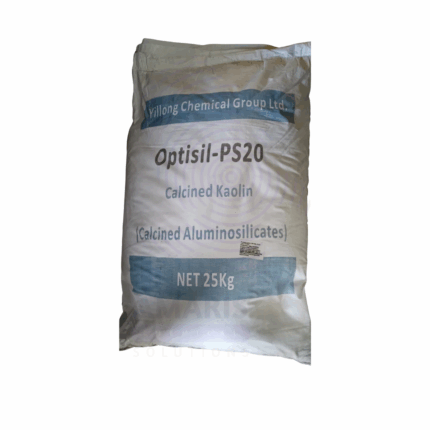
Calcined Kaolin
Calcined Kaolin is a fine, white to off-white powder produced by heating natural kaolin clay to high temperatures (typically between 600°C and 900°C) in a controlled process called calcination. This thermal treatment removes chemically bound water, changes the crystalline structure, and enhances the physical and chemical properties of kaolin. The resulting product exhibits increased brightness, hardness, and opacity, making it highly valuable as a functional additive and filler in numerous industrial applications. Calcined Kaolin is widely used in coatings, ceramics, plastics, rubber, paper, and paint industries to improve durability, brightness, and performance.
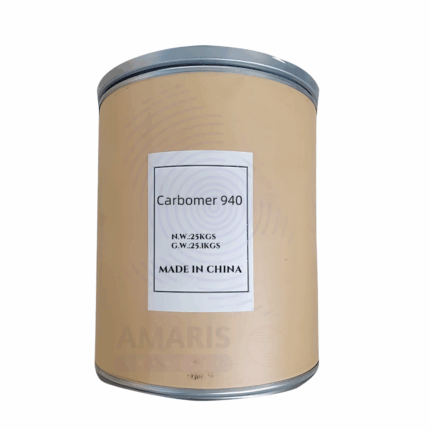
Carbomer
Carbomer is a high molecular weight, crosslinked polyacrylic acid polymer used primarily as a rheology modifier, thickening agent, and suspension stabilizer. Supplied as a fluffy white powder, it exhibits high viscosity and excellent clarity when neutralized and dispersed in water or alcohol-water systems. Carbomer 940 is widely valued for its ability to form clear gels, control flow properties, and stabilize emulsions. It is commonly used in cosmetics, personal care, pharmaceuticals, and household formulations due to its consistency, compatibility, and efficient thickening performance at low concentrations.
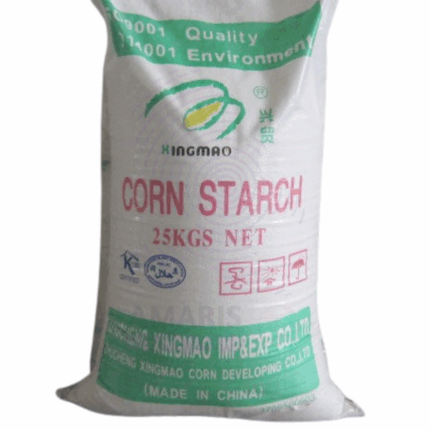
Corn Starch Industrial Grade
Corn Starch Industrial Grade is a finely milled, white powder derived from the endosperm of maize (Zea mays). Unlike food-grade starch, industrial grade is tailored for non-food applications where its thickening, adhesive, and film-forming properties are exploited. It consists primarily of amylose and amylopectin polysaccharides and is valued for its biodegradability, renewability, and cost-effectiveness. Industrial corn starch is used extensively as a raw material or functional additive across a wide variety of manufacturing processes, including paper, textiles, adhesives, and packaging industries.
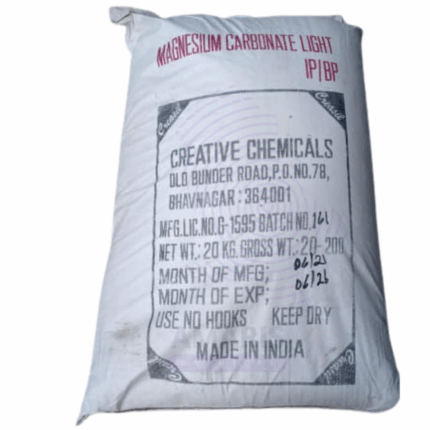
Magnesium Carbonate Light
Magnesium Carbonate Light is a fine, white, odorless powder primarily composed of magnesium carbonate (MgCO₃). It is characterized by its light texture and high purity. This mineral compound is widely used across various industries due to its excellent absorption properties, mild alkalinity, and non-toxic nature. Magnesium Carbonate Light is commonly employed as an antacid, drying agent, filler, and flow aid in food, pharmaceutical, cosmetic, and industrial applications.
Polymer Fiber
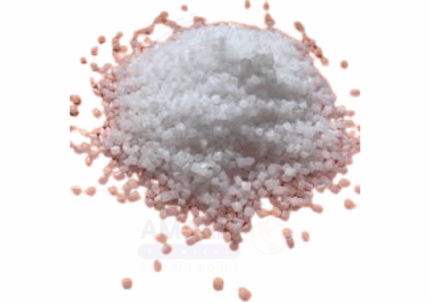
Polymer Fiber refers to a wide range of synthetic fibers made from polymer materials such as polypropylene, polyester, nylon, polyethylene, and acrylics. These fibers are engineered for high tensile strength, durability, flexibility, and resistance to chemicals and moisture. Polymer fibers are widely used in construction, textiles, filtration, composites, and industrial applications to improve mechanical properties, enhance structural integrity, and provide specialized functional benefits.
Sodium Sulphate Anhydrous
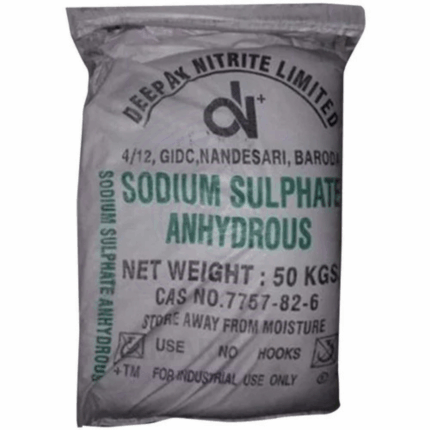
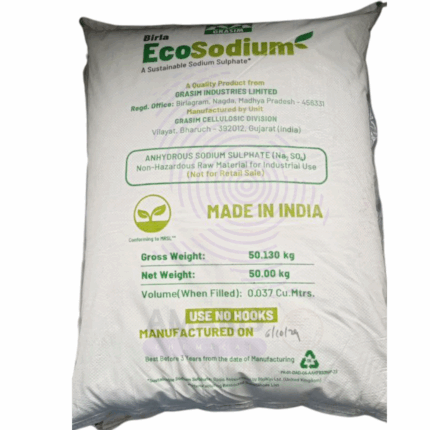
Sodium Sulphate Anhydrous (Na₂SO₄) is a white crystalline powder, odorless and highly soluble in water. Unlike the decahydrate form (Glauber's salt), this anhydrous grade contains minimal water content, making it ideal for industrial applications requiring low moisture levels. Supplied in 25kg packaging, it is widely used as a filler, drying agent, and raw material in detergents, glass manufacturing, pulp and paper, and chemical synthesis. Its excellent stability, non-hygroscopic nature, and cost-effectiveness make it an essential bulk chemical.

Whiting
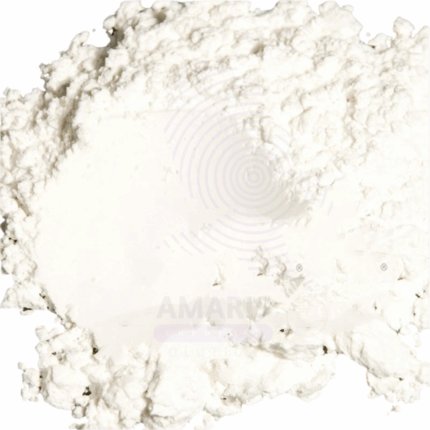
Whiting is a finely ground, white, chalky substance primarily composed of calcium carbonate (CaCO₃). It is widely used as a pigment, filler, and extender in various industrial and commercial applications. Whiting provides opacity, brightness, and smoothness to products, enhancing their appearance and physical properties. Its natural abundance and versatility make it an economical additive in multiple manufacturing processes.












