Preservatives(food)
 Flavors
 Acidulants
 Sweeteners
 Antioxidants
 Colorants(food)
 Nutraceutical Ingredients (food)
 Nutrient Supplements
 Emulsifiers
 Collectors
 Dust Suppressants
 Explosives and Blasting Agents
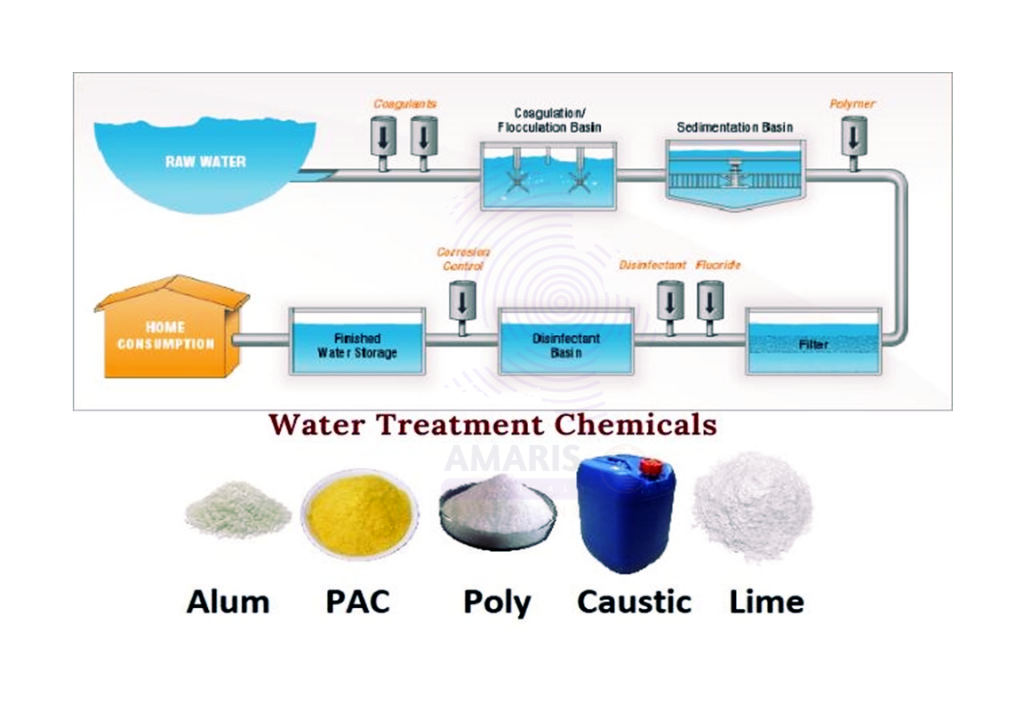
 Flocculants and Coagulants
 Frothers
 Leaching Agents
 pH Modifiers
 Precious Metal Extraction Agents
 Antioxidants(plastic)
 Colorants (Pigments, Dyes)
 Fillers and Reinforcements
 Flame Retardants
 Monomers
 Plasticizers
 Polymerization Initiators
 Stabilizers (UV, Heat)
 Antifoaming Agents
 Chelating Agents
 Coagulants and Flocculants
 Corrosion Inhibitors
 Disinfectants and Biocides
 Oxidizing Agents
 pH Adjusters
 Scale Inhibitors( water)
 Antioxidants(cosmetic)
 Emollients
 Oils
Oils Carrier Oills
 Essential Oils
 Humectants
 Preservatives
 Surfactants(cosmetic)
 Thickeners
 UV Filters
 Fragrance (Cosmetics)
 Fertilizers
 Soil Conditioners
 Plant Growth Regulators
 Animal Feed Additives
 Biostimulants
 Pesticides (Herbicides, Insecticides, Fungicides)
 Active Pharmaceutical Ingredients (APIs)
 Excipients
 Solvents(pharmaceutical)
 Antibiotics
 Antiseptics and Disinfectants
 Vaccine Adjuvants
 Nutraceutical Ingredients (pharmaceutical)
 Analgesics & Antipyretics
 Analytical Reagents
 Solvents(lab)
 Chromatography Chemicals
 Spectroscopy Reagents
 microbiology-and-cell-culture-reagents
 Molecular Biology Reagents
 Biochemical Reagents
 Inorganic and Organic Standards
 Laboratory Safety Chemicals
 Specialty Laboratory Chemicals(Special Laboratory Equipment)
 Demulsifiers
 Hydraulic Fracturing Fluids
 Scale Inhibitors(oil)
 Surfactants(oil)
 Drilling Fluids
 Dyes and Pigments
 Bleaching Agents
 Softening Agents
 Finishing Agents
 Antistatic Agents
 Admixtures
 Waterproofing Agents
 Sealants and Adhesives
 Curing Compounds
 Concrete Repair Chemicals
 Anti-Corrosion Coatings
 Surfactants(cleaning)
 Builders
 Enzymes
 Solvents (Cleaning)
 Electronic Chemicals
 Catalysts
 Lubricants
 Photographic Chemicals
 Refrigerants
 Automotive chemicals
 Pyrotechnic Chemicals
 Biodegradable Surfactants
 Bio-based Solvents
 Renewable Polymers
 Carbon Capture Chemicals
 Wastewater Treatment Chemicals
 Pigments
 Solvents(paint)
 Specialty Coatings
 Binders/Resins
 Additives
 Driers
 Anti-Corrosion Agents
 Functional Coatings
 Application-Specific Coatings
 Leavening Agents
 Dough Conditioners
 Flour Treatments
 Fat Replacers
 Decoratives
 Preservatives(baking)
 Plasticizers & Softeners
 Reinforcing Agents
 Adhesion Promoters
 Vulcanizing Agents
 Antidegradants
 Blowing Agents
 Fillers & Extenders
 Accelerators & Retarders
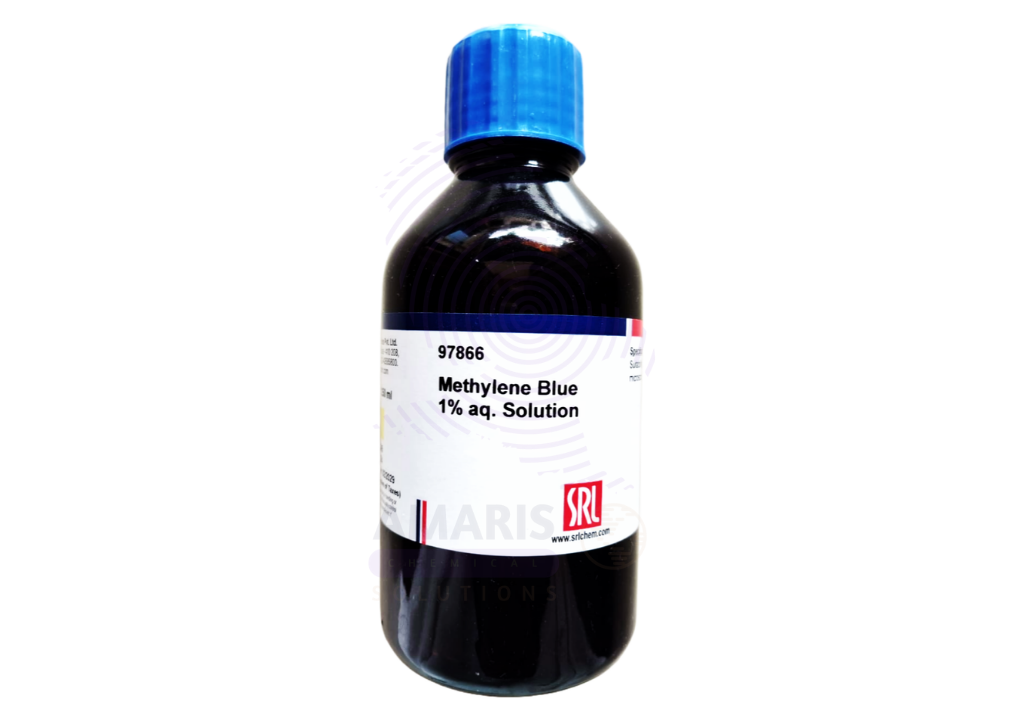
Methylene Blue Solution: The Powerful Scientific Dye Transforming Laboratories, Microscopy, and Chemical Analysis 🔵🧪🔬

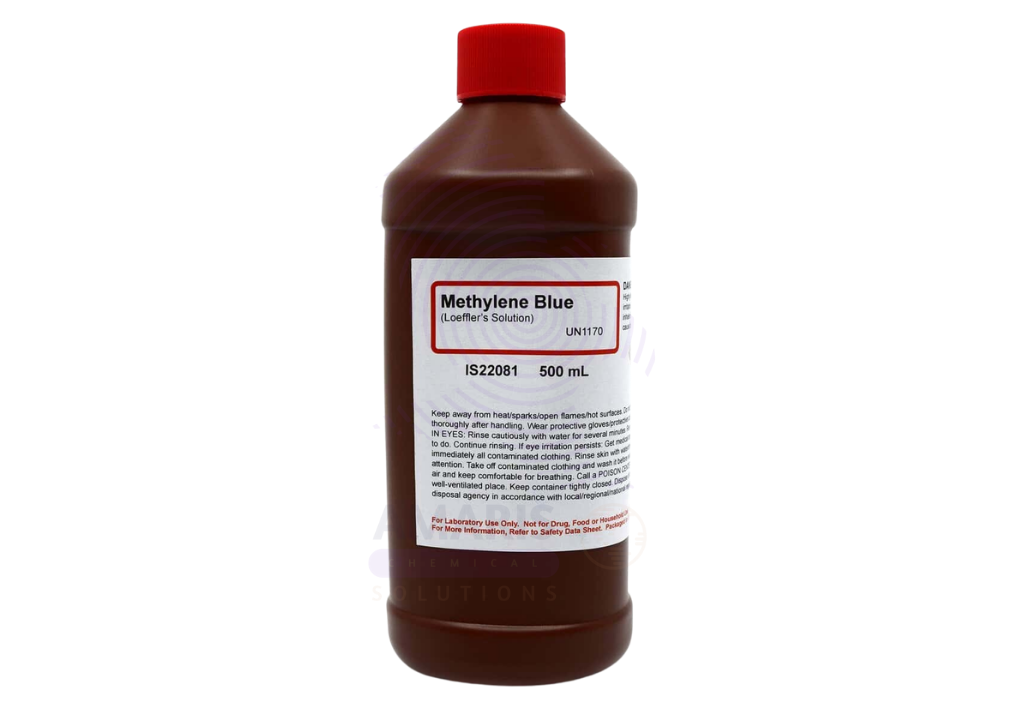
In scientific laboratories around the world, Methylene Blue Solution continues to be one of the most reliable and widely used chemical reagents. Recognized for its brilliant blue color and exceptional staining properties, this versatile solution is essential in microbiology, analytical chemistry, medical diagnostics, environmental studies, and educational laboratories.
What makes methylene blue especially valuable is its ability to function in multiple scientific roles. It acts as a biological stain, a chemical indicator, a research reagent, and a visual aid in laboratory demonstrations. Because of its strong coloration and dependable behavior, it remains a key reagent for researchers, students, and industrial scientists alike.
From observing microorganisms under a microscope to supporting advanced chemical analysis, Methylene Blue Solution continues to contribute significantly to modern scientific progress.
What is Methylene Blue Solution?
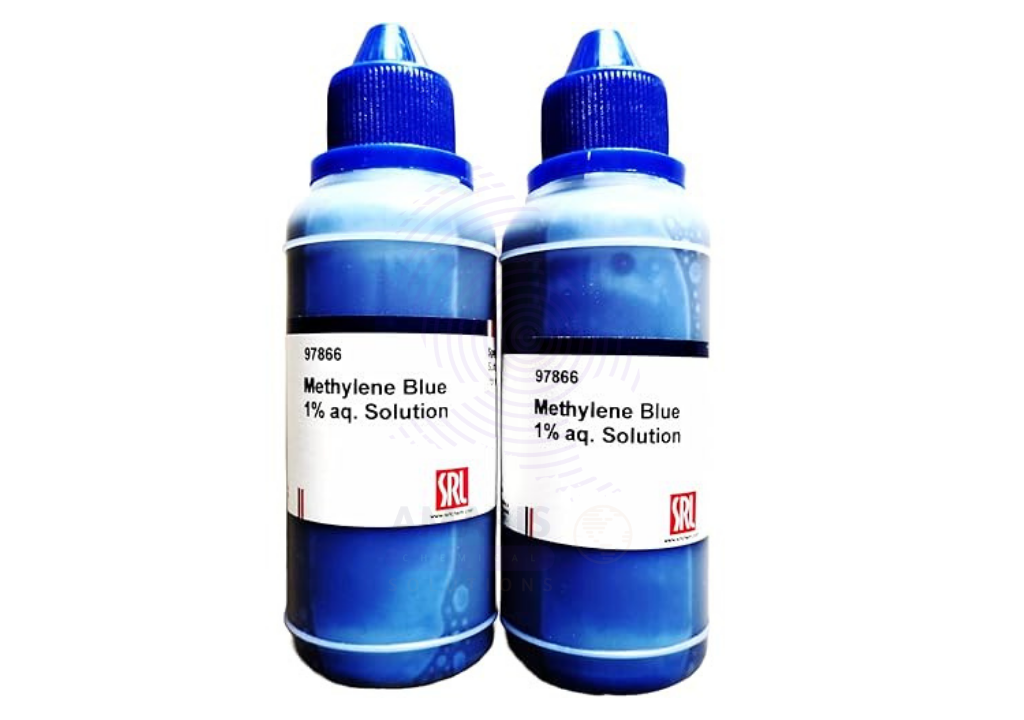
Methylene Blue Solution is a prepared liquid formulation of methylene blue, a synthetic dye belonging to the thiazine dye group. It typically appears as a deep blue solution and dissolves easily in water.
The solution is highly valued because of its:
• Strong staining capability
• Excellent visibility in experiments
• Reliable chemical behavior
• Versatility in scientific applications
The liquid form allows for convenient laboratory use without requiring additional preparation or dissolution steps.
Because it interacts effectively with biological tissues and chemical systems, methylene blue solution is used extensively in scientific and industrial environments.
Importance in Microscopy and Biological Staining 🦠
One of the most important uses of Methylene Blue Solution is in microscopy and biological staining. Scientists and students use it to improve the visibility of microscopic specimens.
It is commonly used to stain:
• Bacterial samples
• Tissue sections
• Blood smears
• Plant cells
• Animal cells
The dye binds to certain cellular components, making structures easier to observe under a microscope.
Its vivid blue color creates strong contrast, helping researchers identify important features during biological examinations.
Because of its simplicity and effectiveness, methylene blue remains one of the most widely used stains in biology and microbiology laboratories.
Applications in Analytical Chemistry ⚗️
Methylene blue solution is also extremely useful in analytical chemistry.
It may be used in:
• Redox reaction experiments
• Chemical indicator systems
• Laboratory demonstrations
• Analytical testing procedures
The compound can participate in oxidation-reduction reactions, allowing chemists to study changes in chemical states and reaction mechanisms.
Its visible color changes make it especially useful for educational demonstrations involving electron transfer and reaction dynamics.
Medical and Diagnostic Relevance 💊
In controlled laboratory and healthcare environments, methylene blue solution is also used in specialized diagnostic and scientific procedures.
It may contribute to:
• Biological laboratory testing
• Diagnostic staining methods
• Scientific medical research
• Specialized analytical applications
Its interaction with biological materials makes it valuable in carefully supervised scientific and diagnostic processes.
High-quality methylene blue solution is essential in these settings to ensure dependable and reproducible results.
Environmental and Water Treatment Research 💧
Environmental scientists frequently use methylene blue solution in studies related to pollution control and water treatment.
It is often used in:
• Adsorption experiments
• Filtration efficiency testing
• Water purification research
• Environmental chemistry studies
Because the dye is highly visible, researchers can easily monitor how effectively materials remove contaminants from water.
This has made methylene blue an important reagent in the development of modern environmental treatment technologies.
Industrial and Manufacturing Applications ⚙️
Methylene blue solution is also used in several industrial applications involving coloration and chemical processing.
It may be used in:
• Textile dyeing
• Printing and inks
• Specialty chemical manufacturing
• Industrial laboratory testing
Its strong coloration and chemical stability make it useful in processes that require consistent and durable dye performance.
Educational Importance 🎓
Methylene Blue Solution is a standard reagent in educational institutions because it helps students clearly understand scientific principles.
Students commonly use it in experiments involving:
• Microscopy
• Cell structure observation
• Chemical reactions
• Redox demonstrations
Its bright blue appearance makes scientific experiments more engaging and easier to interpret visually.
Because of this, it remains a favorite reagent in chemistry and biology education.
Advantages of Methylene Blue Solution
Methylene Blue Solution offers many important benefits:
• Intense and highly visible color
• Excellent staining performance
• Easy-to-use liquid form
• Versatility across scientific fields
• Reliable behavior in laboratory procedures
These qualities make it one of the most dependable laboratory dyes available.
Proper Handling and Storage 🛡️
To maintain quality and safety, methylene blue solution should be handled appropriately.
Recommended precautions include:
• Store in tightly sealed containers
• Keep away from excessive heat and sunlight
• Avoid unnecessary skin and eye contact
• Use protective laboratory equipment during handling
Proper storage helps preserve the stability and effectiveness of the solution.
Final Thoughts
Methylene Blue Solution is a highly valuable scientific reagent that continues to support laboratories, industries, and educational institutions worldwide. Its ability to function as a stain, indicator, and research tool makes it essential in biology, chemistry, environmental science, and industrial applications.
From revealing microscopic structures to supporting advanced analytical studies, methylene blue solution demonstrates the importance of reliable chemical reagents in modern science.
As scientific research and industrial technology continue to evolve, Methylene Blue Solution will remain a trusted and indispensable tool for precision, visibility, and innovation in laboratory work. 🔵🧪🔬