Preservatives(food)
 Flavors
 Acidulants
 Sweeteners
 Antioxidants
 Colorants(food)
 Nutraceutical Ingredients (food)
 Nutrient Supplements
 Emulsifiers
 Collectors
 Dust Suppressants
 Explosives and Blasting Agents
 Flocculants and Coagulants
 Frothers
 Leaching Agents
 pH Modifiers
 Precious Metal Extraction Agents
 Antioxidants(plastic)
 Colorants (Pigments, Dyes)
 Fillers and Reinforcements
 Flame Retardants
 Monomers
 Plasticizers
 Polymerization Initiators
 Stabilizers (UV, Heat)
 Antifoaming Agents
 Chelating Agents
 Coagulants and Flocculants
 Corrosion Inhibitors
 Disinfectants and Biocides
 Oxidizing Agents
 pH Adjusters
 Scale Inhibitors( water)
 Antioxidants(cosmetic)
 Emollients
 Oils
Oils Carrier Oills
 Essential Oils
 Humectants
 Preservatives
 Surfactants(cosmetic)
 Thickeners
 UV Filters
 Fragrance (Cosmetics)
 Fertilizers
 Soil Conditioners
 Plant Growth Regulators
 Animal Feed Additives
 Biostimulants
 Pesticides (Herbicides, Insecticides, Fungicides)
 Active Pharmaceutical Ingredients (APIs)
 Excipients
 Solvents(pharmaceutical)
 Antibiotics
 Antiseptics and Disinfectants
 Vaccine Adjuvants
 Nutraceutical Ingredients (pharmaceutical)
 Analgesics & Antipyretics
 Analytical Reagents
 Solvents(lab)
 Chromatography Chemicals
 Spectroscopy Reagents
 microbiology-and-cell-culture-reagents
 Molecular Biology Reagents
 Biochemical Reagents
 Inorganic and Organic Standards
 Laboratory Safety Chemicals
 Specialty Laboratory Chemicals(Special Laboratory Equipment)
 Demulsifiers
 Hydraulic Fracturing Fluids
 Scale Inhibitors(oil)
 Surfactants(oil)
 Drilling Fluids
 Dyes and Pigments
 Bleaching Agents
 Softening Agents
 Finishing Agents
 Antistatic Agents
 Admixtures
 Waterproofing Agents
 Sealants and Adhesives
 Curing Compounds
 Concrete Repair Chemicals
 Anti-Corrosion Coatings
 Surfactants(cleaning)
 Builders
 Enzymes
 Solvents (Cleaning)
 Electronic Chemicals
 Catalysts
 Lubricants
 Photographic Chemicals
 Refrigerants
 Automotive chemicals
 Pyrotechnic Chemicals
 Biodegradable Surfactants
 Bio-based Solvents
 Renewable Polymers
 Carbon Capture Chemicals
 Wastewater Treatment Chemicals
 Pigments
 Solvents(paint)
 Specialty Coatings
 Binders/Resins
 Additives
 Driers
 Anti-Corrosion Agents
 Functional Coatings
 Application-Specific Coatings
 Leavening Agents
 Dough Conditioners
 Flour Treatments
 Fat Replacers
 Decoratives
 Preservatives(baking)
 Plasticizers & Softeners
 Reinforcing Agents
 Adhesion Promoters
 Vulcanizing Agents
 Antidegradants
 Blowing Agents
 Fillers & Extenders
 Accelerators & Retarders
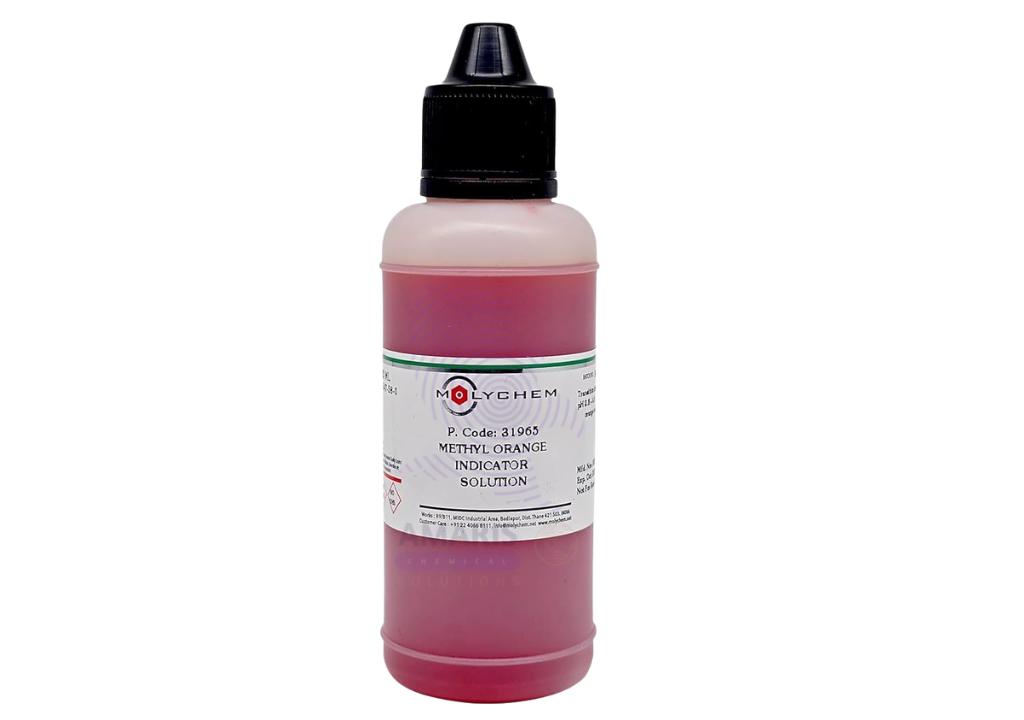
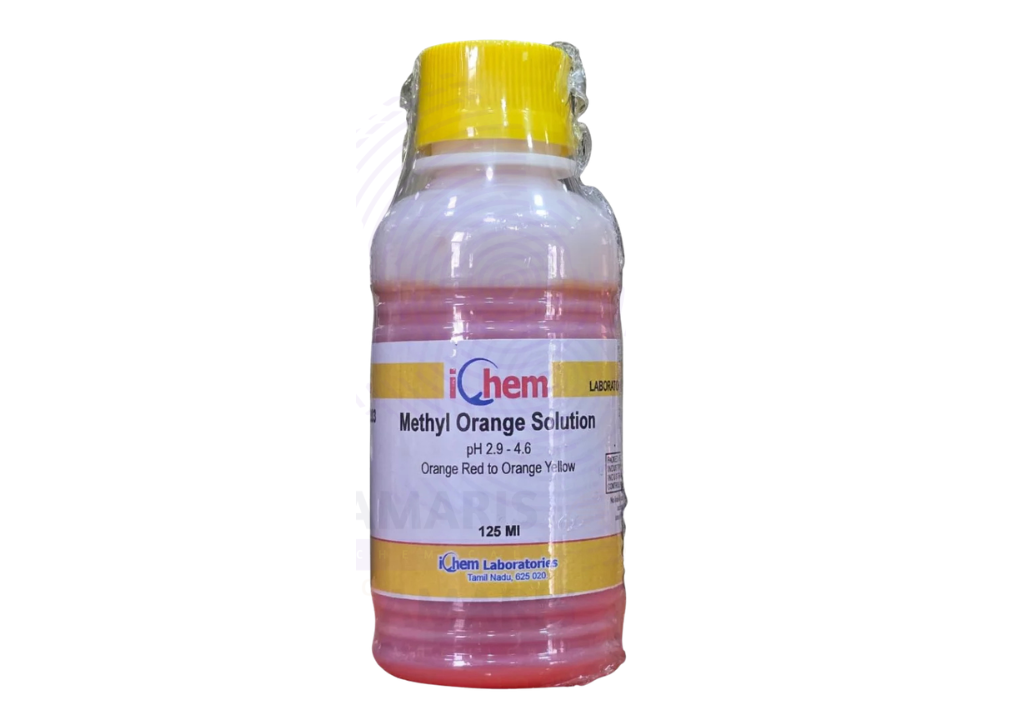
Methyl Orange Solution Extra Pure: The Essential Laboratory Indicator for Accurate Acid-Base Analysis 🧪🟠🔬

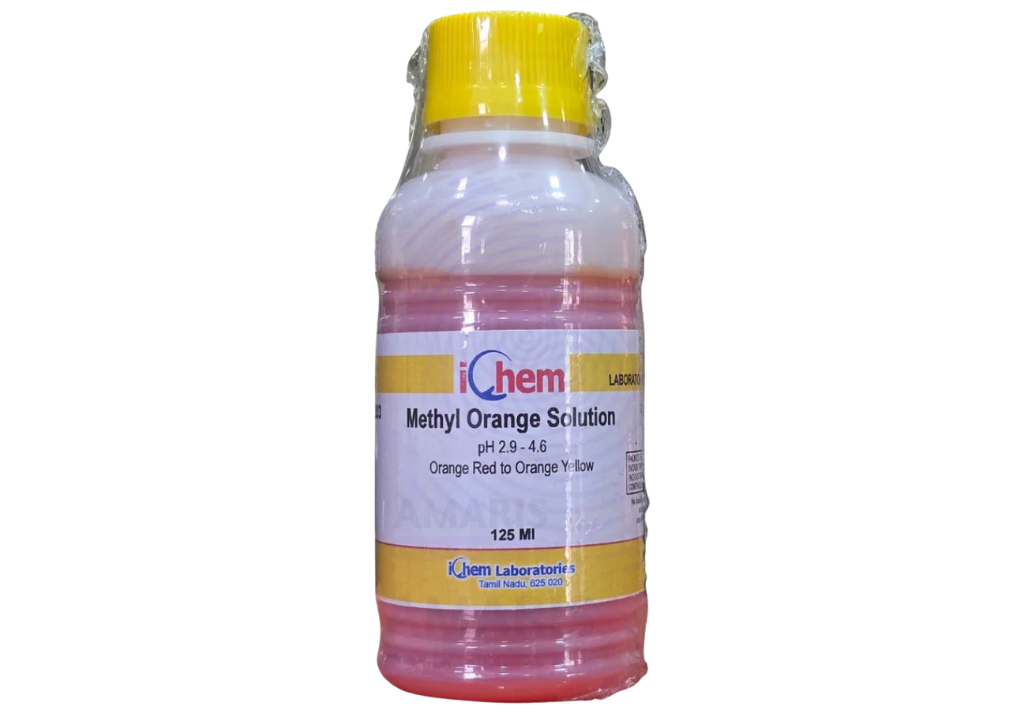
In laboratories around the world, precision is everything. One of the most widely used tools for measuring and detecting acidity is Methyl Orange Solution Extra Pure. Known for its vivid color change and dependable performance, this chemical indicator plays a critical role in analytical chemistry, titration procedures, educational laboratories, and scientific research.
Although it may appear to be a simple orange-colored solution, methyl orange is one of the most important pH indicators used in chemistry. Its ability to clearly signal changes between acidic and alkaline conditions makes it highly valuable in laboratory experiments where accuracy and consistency are required.
The “Extra Pure” grade ensures minimal impurities and reliable performance, making it suitable for laboratories that demand high-quality reagents and dependable analytical results.
What is Methyl Orange Solution Extra Pure?
Methyl orange is a synthetic azo dye commonly used as an acid-base indicator. It is usually prepared as a solution that appears orange in color under neutral conditions.
The indicator changes color depending on the pH of the solution:
• Red in acidic conditions
• Orange near the transition range
• Yellow in alkaline conditions
Its pH transition range typically falls between approximately 3.1 and 4.4, making it especially useful for detecting strong acid to weak base reactions.
The “Extra Pure” grade means the solution has been carefully refined to provide:
• Higher accuracy
• Consistent color change
• Minimal contamination
This level of purity is essential in scientific applications where small errors can significantly affect results.
Importance in Acid-Base Titrations ⚗️
The most common use of Methyl Orange Solution Extra Pure is in acid-base titration experiments. Titration is a laboratory method used to determine the concentration of an unknown solution.
Methyl orange is particularly suitable for titrations involving:
• Strong acids and weak bases
• Mineral acids
• Alkaline solutions with low pH endpoints
During a titration, the indicator changes color when the reaction reaches its endpoint. This visible color shift helps chemists know exactly when the correct amount of reagent has been added.
Because the color change is sharp and easy to observe, methyl orange remains one of the most trusted indicators in analytical chemistry.
Applications in Educational Laboratories 🎓
Methyl Orange Solution Extra Pure is widely used in schools, colleges, and universities because it is an effective teaching tool for demonstrating acid-base reactions.
Students use it in experiments involving:
• pH testing
• Neutralization reactions
• Titration practice
• Identification of acidic and basic substances
Its bright and noticeable color transition makes it easier for learners to understand how indicators work and how chemical reactions change the pH of a solution.
As a result, methyl orange is considered a standard reagent in educational chemistry laboratories.
Role in Analytical Chemistry 🔬
In professional laboratories, Methyl Orange Solution Extra Pure is used in many forms of analytical testing.
It may be used for:
• Quantitative analysis
• Chemical quality control
• Determining acidity in samples
• Laboratory research involving pH measurement
Its reliability and precision make it especially valuable in industries that depend on accurate chemical testing, such as pharmaceuticals, food production, water treatment, and chemical manufacturing.
The extra pure grade is particularly important because impurities can interfere with the color transition and reduce analytical accuracy.
Use in Water and Environmental Testing 💧
Methyl orange may also be used in certain environmental and water treatment applications where acidity needs to be monitored.
It can assist in:
• Measuring acidic conditions in water samples
• Supporting chemical analysis in treatment plants
• Identifying changes in pH during industrial processes
Although other pH indicators may also be used, methyl orange is especially useful when the pH range of interest is strongly acidic.
Advantages of Methyl Orange Solution Extra Pure
Methyl Orange Solution Extra Pure offers several important advantages:
• Sharp and visible color transition
• Suitable for acidic pH ranges
• High accuracy in titration work
• Easy to use in both educational and professional laboratories
• Reliable performance due to extra pure quality
These features make it one of the most practical and widely used chemical indicators available.
Why Extra Pure Grade Matters
In chemistry, the quality of reagents directly affects the accuracy of results. The extra pure grade of methyl orange solution ensures:
• Consistent concentration
• Clearer color changes
• Reduced interference from contaminants
• More dependable laboratory outcomes
For laboratories conducting analytical work, this level of purity is essential for maintaining precision and reproducibility.
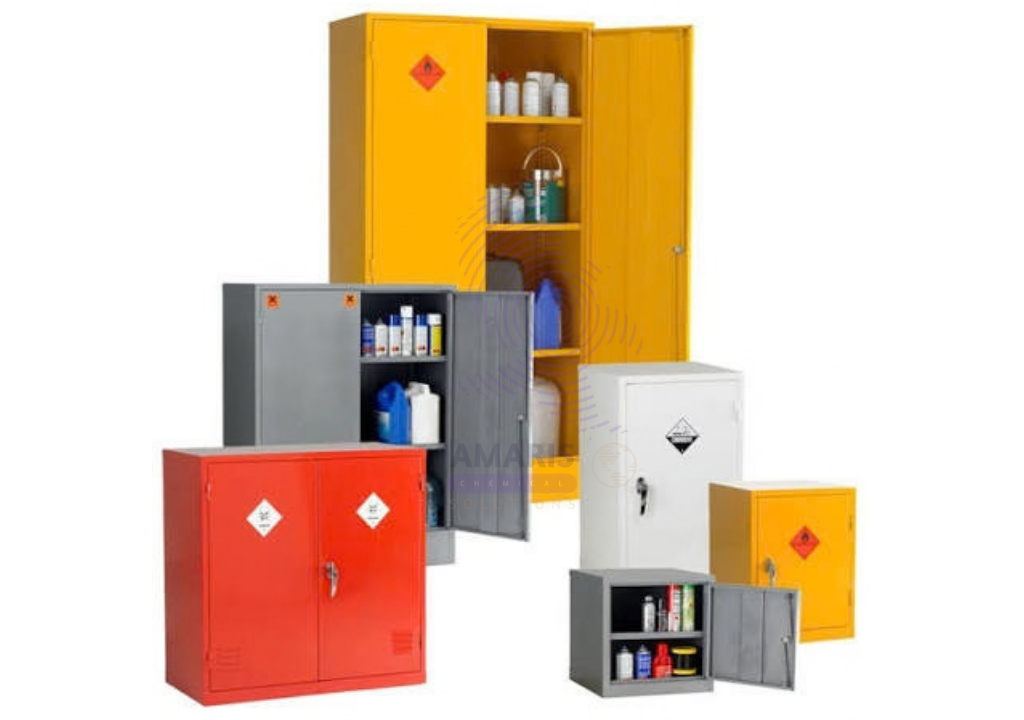
Safe Handling and Storage 🛡️
Like many laboratory chemicals, Methyl Orange Solution Extra Pure should be handled carefully.
Recommended practices include:
• Store in a cool, dry place
• Keep the container tightly closed
• Avoid direct contact with skin and eyes
• Use gloves and laboratory protective equipment when handling
Proper storage helps preserve the stability and effectiveness of the indicator.
Final Thoughts
Methyl Orange Solution Extra Pure is an indispensable laboratory reagent that continues to play a vital role in analytical chemistry and education. Its vivid color change, reliable pH transition range, and ease of use make it one of the most trusted indicators for acid-base analysis.
Whether used in a classroom experiment, a professional laboratory, or a quality control facility, methyl orange provides the accuracy and clarity needed to perform precise chemical measurements.
As science and industry continue to demand dependable laboratory reagents, Methyl Orange Solution Extra Pure will remain a fundamental tool for ensuring accurate and meaningful chemical analysis. 🧪🟠🔬