Preservatives(food)
 Flavors
 Acidulants
 Sweeteners
 Antioxidants
 Colorants(food)
 Nutraceutical Ingredients (food)
 Nutrient Supplements
 Emulsifiers
 Collectors
 Dust Suppressants
 Explosives and Blasting Agents
 Flocculants and Coagulants
 Frothers
 Leaching Agents
 pH Modifiers
 Precious Metal Extraction Agents
 Antioxidants(plastic)
 Colorants (Pigments, Dyes)
 Fillers and Reinforcements
 Flame Retardants
 Monomers
 Plasticizers
 Polymerization Initiators
 Stabilizers (UV, Heat)
 Antifoaming Agents
 Chelating Agents
 Coagulants and Flocculants
 Corrosion Inhibitors
 Disinfectants and Biocides
 Oxidizing Agents
 pH Adjusters
 Scale Inhibitors( water)
 Antioxidants(cosmetic)
 Emollients
 Oils
Oils Carrier Oills
 Essential Oils
 Humectants
 Preservatives
 Surfactants(cosmetic)
 Thickeners
 UV Filters
 Fragrance (Cosmetics)
 Fertilizers
 Soil Conditioners
 Plant Growth Regulators
 Animal Feed Additives
 Biostimulants
 Pesticides (Herbicides, Insecticides, Fungicides)
 Active Pharmaceutical Ingredients (APIs)
 Excipients
 Solvents(pharmaceutical)
 Antibiotics
 Antiseptics and Disinfectants
 Vaccine Adjuvants
 Nutraceutical Ingredients (pharmaceutical)
 Analgesics & Antipyretics
 Analytical Reagents
 Solvents(lab)
 Chromatography Chemicals
 Spectroscopy Reagents
 microbiology-and-cell-culture-reagents
 Molecular Biology Reagents
 Biochemical Reagents
 Inorganic and Organic Standards
 Laboratory Safety Chemicals
 Specialty Laboratory Chemicals(Special Laboratory Equipment)
 Demulsifiers
 Hydraulic Fracturing Fluids
 Scale Inhibitors(oil)
 Surfactants(oil)
 Drilling Fluids
 Dyes and Pigments
 Bleaching Agents
 Softening Agents
 Finishing Agents
 Antistatic Agents
 Admixtures
 Waterproofing Agents
 Sealants and Adhesives
 Curing Compounds
 Concrete Repair Chemicals
 Anti-Corrosion Coatings
 Surfactants(cleaning)
 Builders
 Enzymes
 Solvents (Cleaning)
 Electronic Chemicals
 Catalysts
 Lubricants
 Photographic Chemicals
 Refrigerants
 Automotive chemicals
 Pyrotechnic Chemicals
 Biodegradable Surfactants
 Bio-based Solvents
 Renewable Polymers
 Carbon Capture Chemicals
 Wastewater Treatment Chemicals
 Pigments
 Solvents(paint)
 Specialty Coatings
 Binders/Resins
 Additives
 Driers
 Anti-Corrosion Agents
 Functional Coatings
 Application-Specific Coatings
 Leavening Agents
 Dough Conditioners
 Flour Treatments
 Fat Replacers
 Decoratives
 Preservatives(baking)
 Plasticizers & Softeners
 Reinforcing Agents
 Adhesion Promoters
 Vulcanizing Agents
 Antidegradants
 Blowing Agents
 Fillers & Extenders
 Accelerators & Retarders
Benzoic Acid: The Essential Organic Compound Used in Food Preservation, Pharmaceuticals, and Industry 🧪⚪🌿

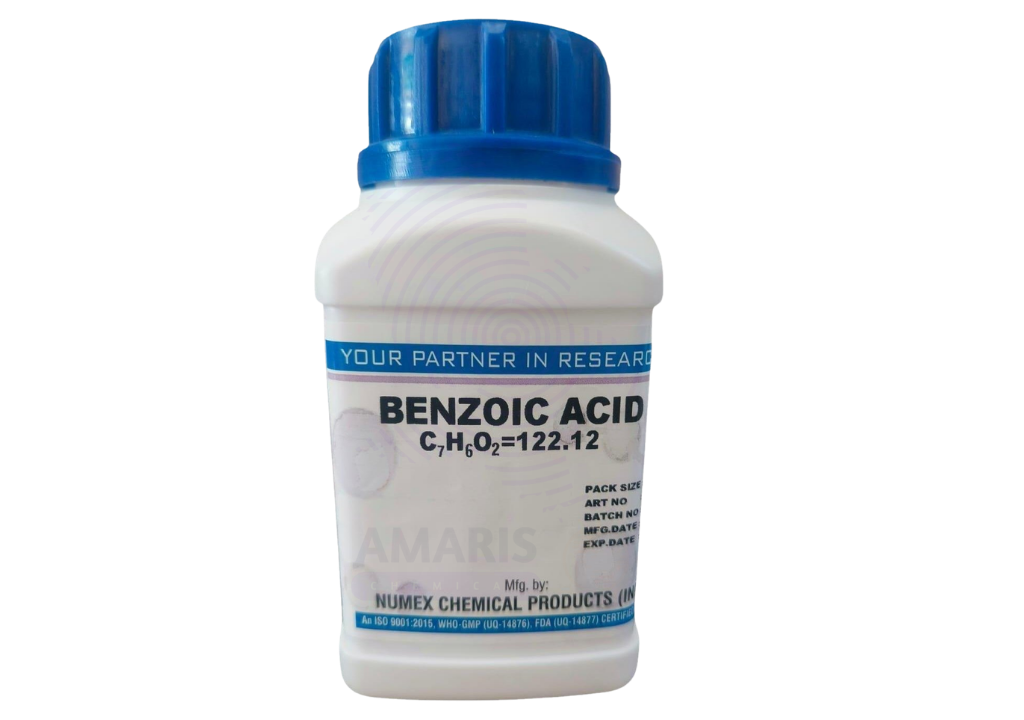
Among the many organic compounds used across different industries, Benzoic Acid is one of the most important and versatile. Recognized for its preservative properties and broad industrial usefulness, this white crystalline compound is widely used in food preservation, pharmaceuticals, cosmetics, chemical manufacturing, and laboratory research.
Although it may appear to be a simple organic acid, benzoic acid plays a critical role in maintaining product quality, extending shelf life, and serving as a building block for many other chemical compounds. Its stability, effectiveness, and compatibility with a wide range of formulations make it a valuable ingredient in both everyday products and specialized industrial processes.
From soft drinks and skincare products to medicines and laboratory reagents, benzoic acid continues to be one of the most widely used compounds in modern chemistry.
What is Benzoic Acid?
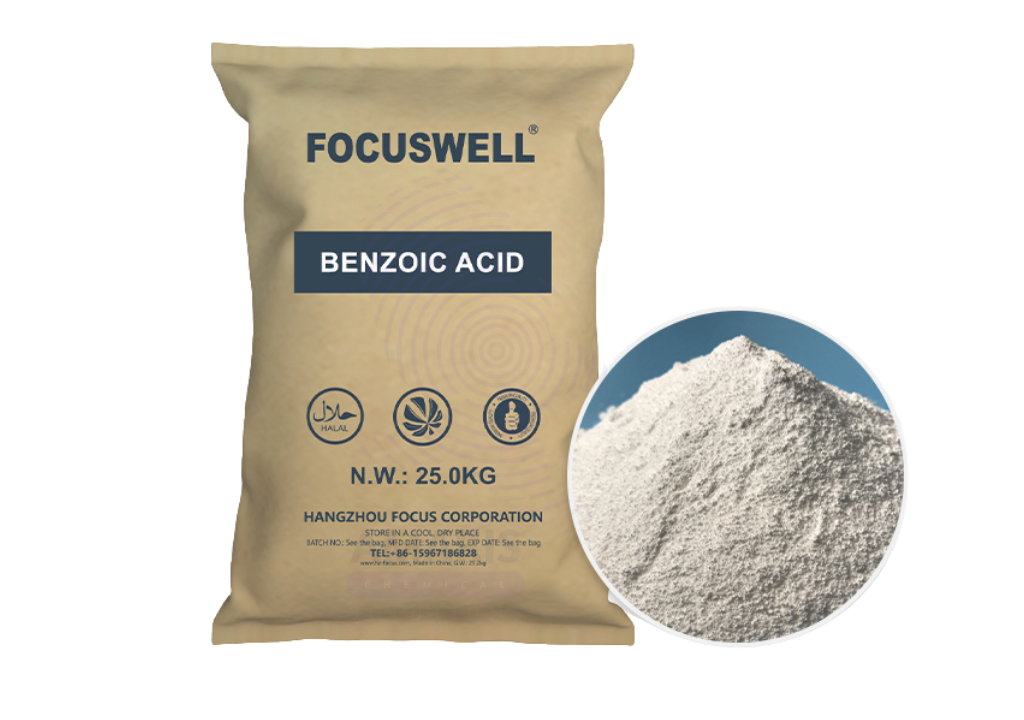
Benzoic acid is an organic aromatic carboxylic acid with the chemical formula C₇H₆O₂. It usually appears as a white crystalline powder or colorless crystals and has a faint characteristic odor.
The compound occurs naturally in small amounts in certain fruits, berries, and plant materials, but most industrial benzoic acid is produced synthetically for consistency and purity.
Benzoic acid is only slightly soluble in water but dissolves more easily in alcohol and other organic solvents. It is especially valued because of its ability to inhibit the growth of molds, yeasts, and certain bacteria, making it highly effective as a preservative.
Importance in Food Preservation 🍹
One of the best-known uses of benzoic acid is in the food and beverage industry. It is commonly used as a preservative to help extend shelf life and maintain product quality.
Benzoic acid and its salts are often used in:
• Soft drinks
• Fruit juices
• Pickles and sauces
• Jams and preserves
• Processed foods
Its preservative action works best in acidic conditions, where it helps prevent the growth of microorganisms that can spoil food products.
Because of its effectiveness in small amounts, benzoic acid is widely used in modern food processing systems to support safe and long-lasting products.
Pharmaceutical Applications 💊
Benzoic acid also plays an important role in the pharmaceutical industry. It is used in the manufacture of various medicinal and topical products due to its mild antimicrobial and preservative properties.
It may be found in:
• Ointments and creams
• Antifungal preparations
• Medicinal lotions
• Pharmaceutical preservatives
In some formulations, benzoic acid helps maintain product stability and protect against microbial contamination.
It is also used as an intermediate in the synthesis of other pharmaceutical compounds, making it valuable in chemical manufacturing for the healthcare sector.
Cosmetic and Personal Care Uses 🧴
The cosmetic industry frequently uses benzoic acid and its derivatives as preservatives in products designed for personal care and skincare.
It may be included in:
• Creams and lotions
• Hair care products
• Makeup formulations
• Cleansers and toners
In these products, benzoic acid helps extend shelf life and protect formulations from contamination caused by bacteria or fungi.
Its use supports the production of safe, stable, and long-lasting cosmetic products.
Industrial and Chemical Manufacturing ⚙️
Beyond consumer products, benzoic acid is an important raw material in the chemical industry. It is widely used as an intermediate in the manufacture of other compounds.
Industries use benzoic acid in the production of:
• Plasticizers
• Resins
• Dyes and pigments
• Perfume ingredients
• Synthetic chemicals
Because of its stable aromatic structure, benzoic acid serves as a useful starting material for many industrial synthesis processes.
This makes it a key compound in large-scale manufacturing operations.
Laboratory and Research Applications 🔬
In laboratories, benzoic acid is commonly used in organic chemistry experiments and analytical procedures.
It may be used for:
• Organic synthesis studies
• Acid-base experiments
• Calibration and analytical testing
• Research involving aromatic compounds
Because of its well-known properties and reliable behavior, benzoic acid is often used in educational and research settings to demonstrate important chemical concepts.
High-purity benzoic acid is especially important in laboratory work because it provides accurate and reproducible results.
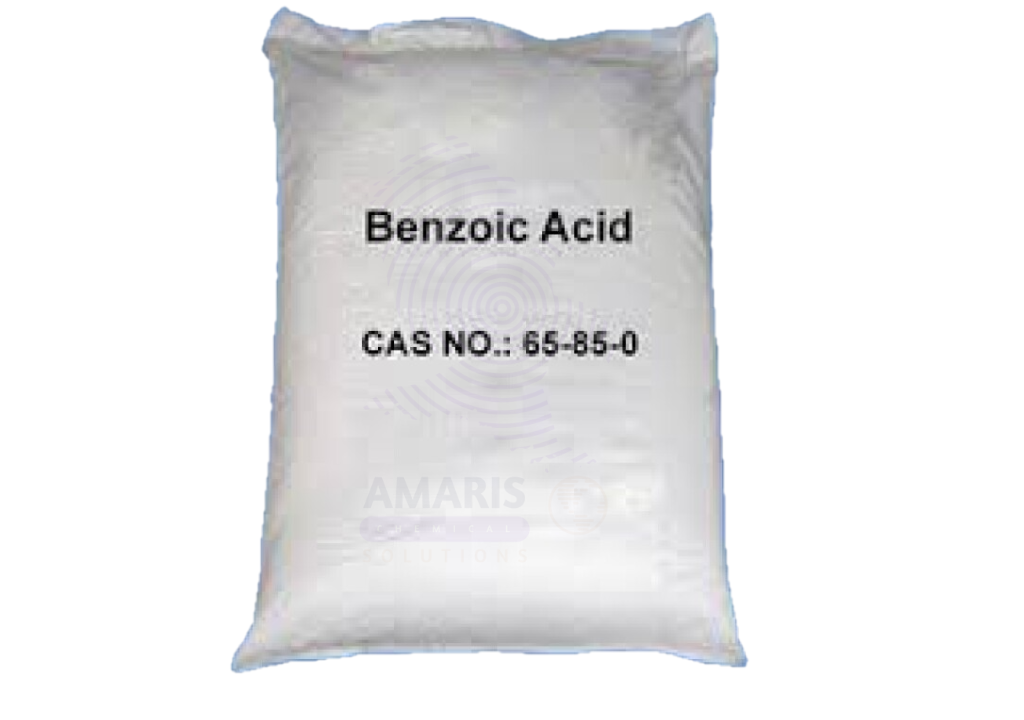
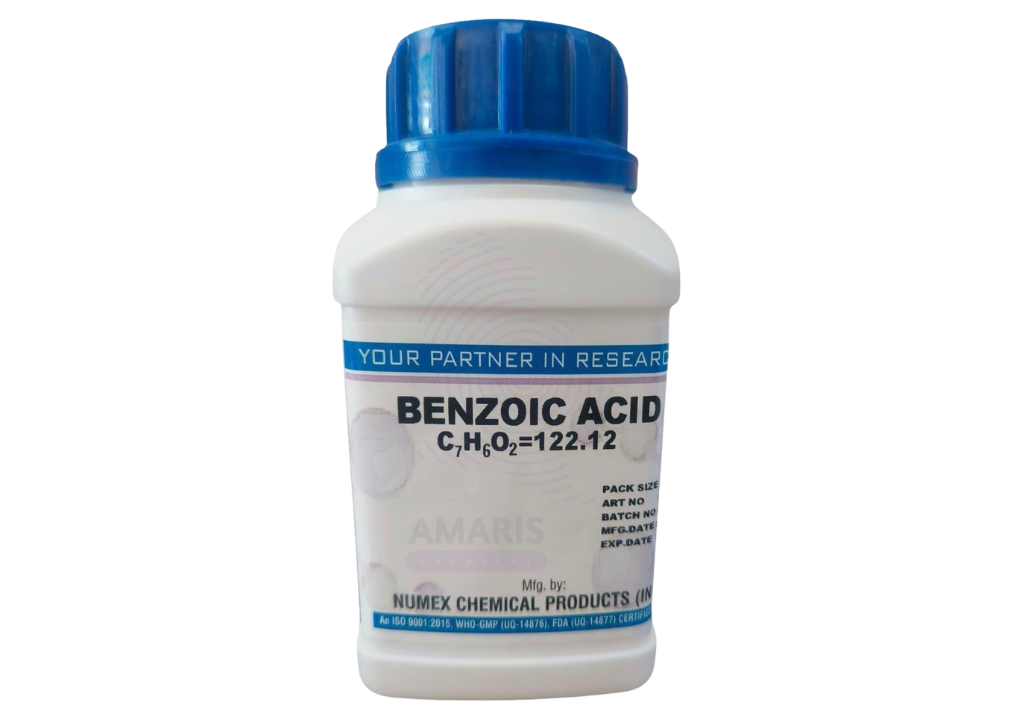
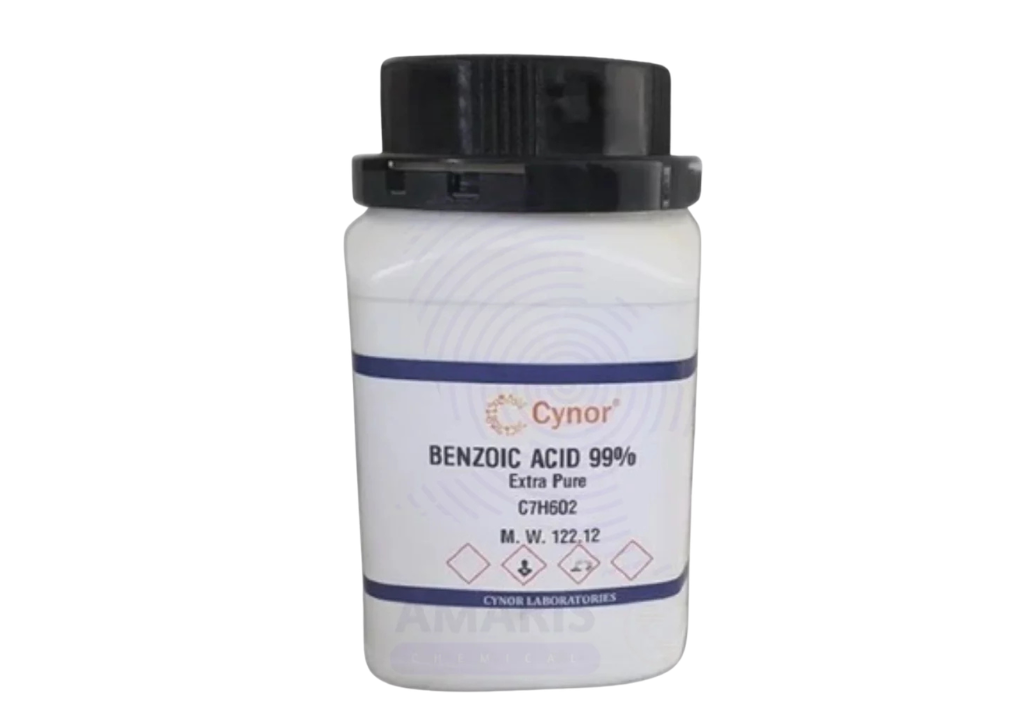
Advantages of Benzoic Acid
Benzoic acid offers several benefits that contribute to its widespread use:
• Effective preservative properties
• Broad industrial versatility
• Stable chemical structure
• Useful intermediate for synthesis
• Reliable performance in different formulations
These advantages make it one of the most valuable compounds in both industrial and commercial applications.
Importance of Quality and Purity
The quality of benzoic acid is particularly important in industries such as food, pharmaceuticals, and cosmetics. High-purity benzoic acid ensures:
• Better preservative performance
• Reduced contamination risk
• Consistent formulation quality
• Reliable laboratory results
Manufacturers and researchers depend on pure and carefully produced benzoic acid to maintain high standards of safety and performance.
Final Thoughts
Benzoic Acid is a simple yet remarkably powerful organic compound that continues to support a wide range of industries. Its preservative capabilities, chemical stability, and usefulness in manufacturing make it an essential ingredient in food products, medicines, cosmetics, and industrial materials.
From protecting food against spoilage to supporting the creation of new chemical compounds, benzoic acid demonstrates how one versatile substance can have a major impact across science and industry.
As demand grows for effective and reliable ingredients, benzoic acid will remain a fundamental compound in the world of modern chemistry and industrial innovation. 🧪⚪🌿