

 Preservatives(food)
 Flavors
 Acidulants
 Sweeteners
 Antioxidants
 Colorants(food)
 Nutraceutical Ingredients (food)
 Nutrient Supplements
 Emulsifiers
 Collectors
 Dust Suppressants
 Explosives and Blasting Agents
 Flocculants and Coagulants
 Frothers
 Leaching Agents
 pH Modifiers
 Precious Metal Extraction Agents
 Antioxidants(plastic)
 Colorants (Pigments, Dyes)
 Fillers and Reinforcements
 Flame Retardants
 Monomers
 Plasticizers
 Polymerization Initiators
 Stabilizers (UV, Heat)
 Antifoaming Agents
 Chelating Agents
 Coagulants and Flocculants
 Corrosion Inhibitors
 Disinfectants and Biocides
 Oxidizing Agents
 pH Adjusters
 Scale Inhibitors( water)
 Antioxidants(cosmetic)
 Emollients
 Oils
Oils Carrier Oills
 Essential Oils
 Humectants
 Preservatives
 Surfactants(cosmetic)
 Thickeners
 UV Filters
 Fragrance (Cosmetics)
 Fertilizers
 Soil Conditioners
 Plant Growth Regulators
 Animal Feed Additives
 Biostimulants
 Pesticides (Herbicides, Insecticides, Fungicides)
 Active Pharmaceutical Ingredients (APIs)
 Excipients
 Solvents(pharmaceutical)
 Antibiotics
 Antiseptics and Disinfectants
 Vaccine Adjuvants
 Nutraceutical Ingredients (pharmaceutical)
 Analgesics & Antipyretics
 Analytical Reagents
 Solvents(lab)
 Chromatography Chemicals
 Spectroscopy Reagents
 microbiology-and-cell-culture-reagents
 Molecular Biology Reagents
 Biochemical Reagents
 Inorganic and Organic Standards
 Laboratory Safety Chemicals
 Specialty Laboratory Chemicals(Special Laboratory Equipment)
 Demulsifiers
 Hydraulic Fracturing Fluids
 Scale Inhibitors(oil)
 Surfactants(oil)
 Drilling Fluids
 Dyes and Pigments
 Bleaching Agents
 Softening Agents
 Finishing Agents
 Antistatic Agents
 Admixtures
 Waterproofing Agents
 Sealants and Adhesives
 Curing Compounds
 Concrete Repair Chemicals
 Anti-Corrosion Coatings
 Surfactants(cleaning)
 Builders
 Enzymes
 Solvents (Cleaning)
 Electronic Chemicals
 Catalysts
 Lubricants
 Photographic Chemicals
 Refrigerants
 Automotive chemicals
 Pyrotechnic Chemicals
 Biodegradable Surfactants
 Bio-based Solvents
 Renewable Polymers
 Carbon Capture Chemicals
 Wastewater Treatment Chemicals
 Pigments
 Solvents(paint)
 Specialty Coatings
 Binders/Resins
 Additives
 Driers
 Anti-Corrosion Agents
 Functional Coatings
 Application-Specific Coatings
 Leavening Agents
 Dough Conditioners
 Flour Treatments
 Fat Replacers
 Decoratives
 Preservatives(baking)
 Plasticizers & Softeners
 Reinforcing Agents
 Adhesion Promoters
 Vulcanizing Agents
 Antidegradants
 Blowing Agents
 Fillers & Extenders
 Accelerators & Retarders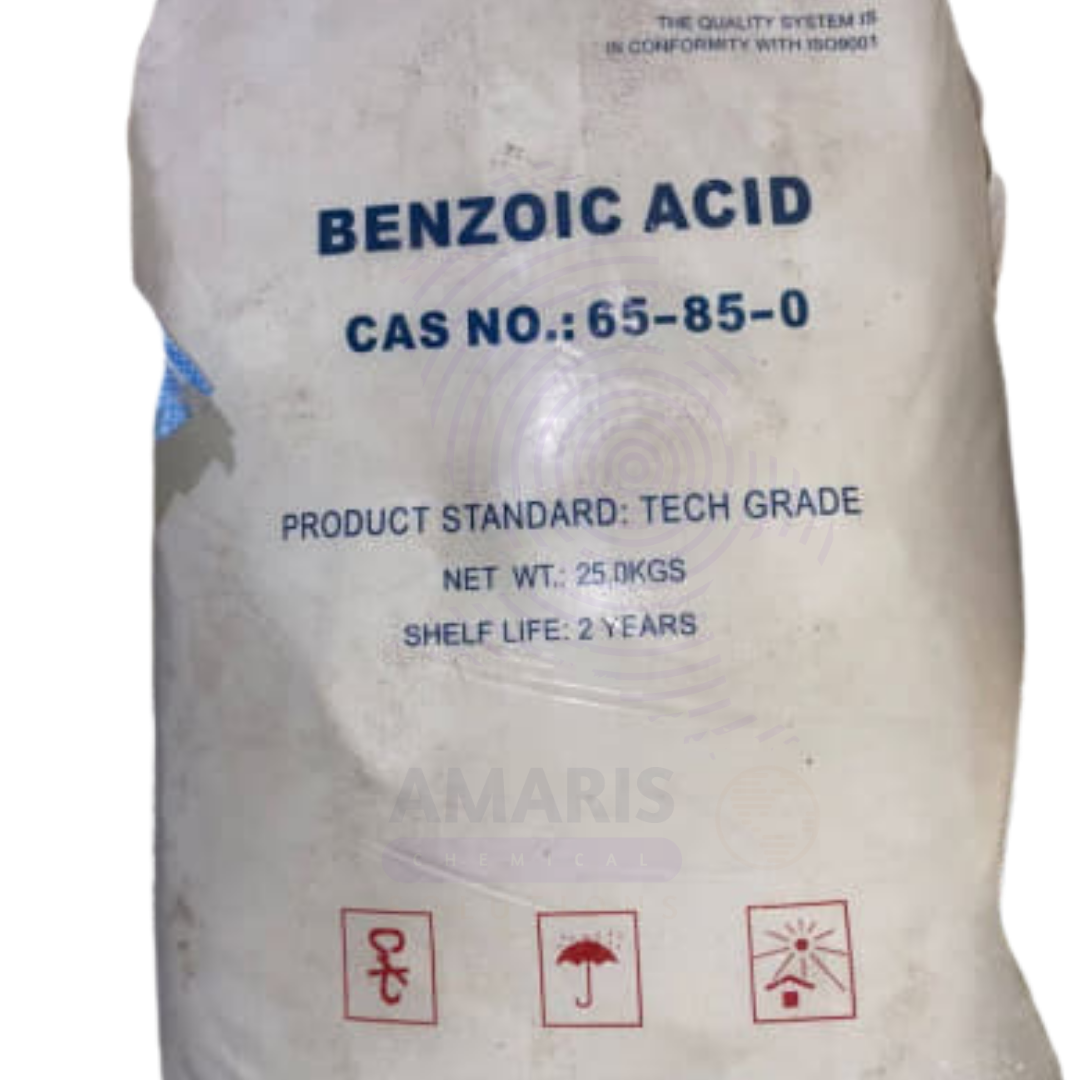



Benzoic Acid
Benzoic Acid is a white crystalline solid with a faint, pleasant odor, classified as a simple aromatic carboxylic acid. It is widely used as a food preservative, antimicrobial agent, and chemical intermediate. Naturally occurring in many plants, it is commercially produced through oxidation of toluene or extraction from natural sources. Benzoic acid is valued for its ability to inhibit the growth of mold, yeast, and certain bacteria, making it essential in food preservation and cosmetic formulations. It also serves as a precursor in the manufacture of various pharmaceuticals, dyes, and plasticizers.
Benzoic Acid
Primary Uses
- Food Industry:
- Used as a food preservative (E210) to prevent spoilage by inhibiting microbial growth in acidic foods such as fruit juices, carbonated drinks, pickles, and sauces.
- Pharmaceuticals:
- Used in topical antiseptic preparations, ointments, and dermatological products for its antifungal and antibacterial properties.
- Cosmetics & Personal Care:
- Incorporated as a preservative and pH adjuster in cosmetics, shampoos, and lotions to prolong shelf life.
- Chemical Intermediate:
- Used in the synthesis of benzoyl chloride, phenol, dyes, perfumes, and plasticizers.
- Preservative for Industrial Products:
- Applied in adhesives, paints, and inks to prevent microbial contamination.
Secondary Uses
- Agriculture:
- Used as a fungicide and herbicide to protect crops from fungal infections and weed growth.
- Laboratory Reagent:
- Employed as a standard reagent for chemical synthesis and analysis.
- Food Packaging:
- Used in active packaging materials to inhibit microbial growth and extend product shelf life.
- Plastic and Polymer Industry:
- Serves as a precursor in manufacturing benzoyl peroxide, a polymerization initiator.
1. Basic Identification Attributes
- Chemical Name (IUPAC): Benzoic acid
- Common/Trade Name: Benzoic Acid
- CAS Number: 65-85-0
- HS Code: 2915.11.00
- Molecular Formula: C₇H₆O₂
- Synonyms: Phenylformic acid, Carboxybenzene, E210 (food additive code)
2. Physical & Chemical Properties
- Physical State: White crystalline powder or granules
- Color & Odor: White, faint aromatic odor
- Melting Point: 122–123°C
- Boiling Point: 249.2°C
- Density: 1.32 g/cm³
- Solubility: Slightly soluble in water (~3.4 g/L at 20°C), soluble in ethanol, ether, and organic solvents
- pH (1% aqueous solution): ~2.8 (acidic)
- Vapor Pressure: 0.2 Pa at 25°C
- Flash Point: 121°C
- Autoignition Temperature: 428°C
3. Safety & Hazard Attributes
- Hazard Class (GHS): Skin irritant (Category 2), Eye irritant (Category 2A)
- NFPA Ratings: Health 2, Flammability 1, Reactivity 0
- Exposure Limits: OSHA PEL = 5 mg/m³ (respirable dust), ACGIH TLV = 5 mg/m³
- Reactivity: Stable under normal conditions; incompatible with strong oxidizing agents
- Incompatibilities: Strong oxidizers, strong bases, and reducing agents
4. Storage & Handling Attributes
- Storage Conditions: Store in a cool, dry, well-ventilated area away from heat and ignition sources
- Container Type: Use tightly sealed containers made of corrosion-resistant materials
- Shelf Life: Stable for years if stored properly
- Special Handling: Avoid dust generation; use personal protective equipment (PPE) such as gloves, goggles, and dust masks
5. Regulatory & Compliance Attributes
- FDA (USA): Approved as food preservative (21 CFR 184.1029)
- EFSA (EU): Approved food additive (E210)
- OSHA: Regulated workplace chemical with exposure limits
- Transportation: Non-hazardous under most regulations but requires proper packaging
- Waste Disposal: Dispose according to local environmental regulations
6. Environmental & Health Impact
- Ecotoxicity: Low to moderate toxicity to aquatic organisms; biodegradable
- Persistence: Biodegradable under aerobic conditions
- Carcinogenicity/Mutagenicity: Not classified as carcinogenic or mutagenic
- Biodegradability: Biodegradable
Safety Handling Precautions
- PPE: Wear gloves, safety goggles, and dust masks to prevent skin, eye, and respiratory exposure.
- Dust Control: Use local exhaust ventilation and avoid dust accumulation.
- Handling: Avoid inhalation and prolonged skin contact.
- Storage: Keep containers tightly closed and away from incompatible substances.
- Hygiene: Wash hands after handling; no eating, drinking, or smoking in the work area.
First Aid Measures
- Inhalation: Move to fresh air; seek medical attention if respiratory irritation or difficulty occurs.
- Skin Contact: Wash skin thoroughly with soap and water; seek medical advice if irritation develops.
- Eye Contact: Rinse eyes with plenty of water for at least 15 minutes; consult a physician if irritation persists.
- Ingestion: Rinse mouth with water; seek medical advice if large amounts are swallowed.
Firefighting Measures
- Fire Hazards: Combustible solid; emits toxic fumes of carbon monoxide and carbon dioxide on burning.
- Extinguishing Media: Use dry chemical powder, foam, or carbon dioxide. Avoid water spray which may spread the fire.
- Special Precautions: Firefighters should wear self-contained breathing apparatus (SCBA) and protective clothing.
Related products
Bronopol
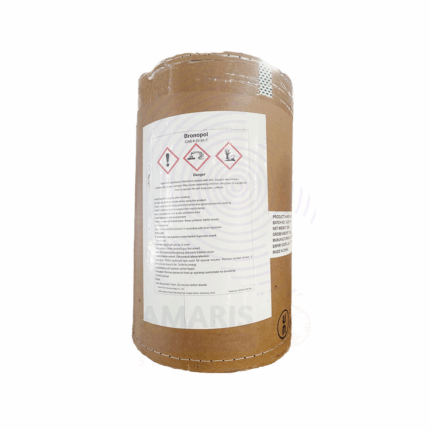
Bronopol (2-Bromo-2-nitropropane-1,3-diol) is a water-soluble, white crystalline powder or granules with a slight odor. It is a synthetic antimicrobial agent widely used as a preservative in personal care products, pharmaceuticals, cosmetics, and industrial applications. Bronopol exhibits broad-spectrum bactericidal and fungicidal activity, making it effective against a wide range of microorganisms. It works by releasing active formaldehyde slowly, which disrupts microbial metabolism and reproduction.
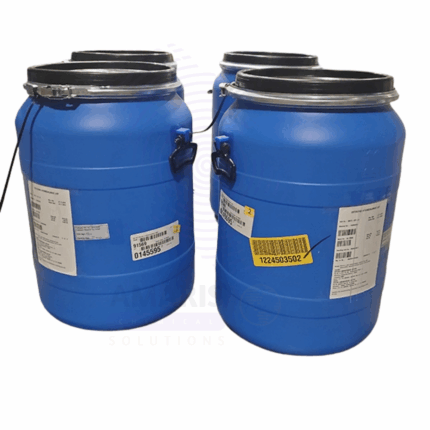
Cetirizine Dihydrochloride
Cetirizine Dihydrochloride is a second-generation antihistamine widely used to relieve allergy symptoms such as hay fever, urticaria (hives), and other allergic conditions. It is the dihydrochloride salt form of cetirizine, presenting as a white to off-white crystalline powder that is odorless or nearly odorless and slightly bitter in taste. Cetirizine Dihydrochloride acts as a selective antagonist of peripheral H1 histamine receptors, preventing the effects of histamine and thereby reducing allergic symptoms without causing significant sedation. It is a commonly prescribed active pharmaceutical ingredient (API) in oral tablets, syrups, and capsules.
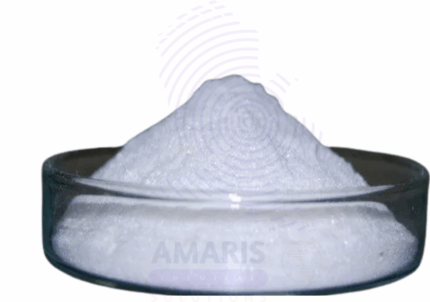
Cetirizine Hydrochloride
Cetirizine Hydrochloride is a widely used second-generation antihistamine effective for treating allergic conditions such as allergic rhinitis, chronic urticaria, and other allergy symptoms. It is the hydrochloride salt form of cetirizine, existing as a white to off-white crystalline powder with a slightly bitter taste. Cetirizine HCl acts by selectively blocking peripheral H1 histamine receptors, thereby reducing allergic symptoms without significant sedation or central nervous system depression. It is commonly formulated into tablets, syrups, and capsules as an active pharmaceutical ingredient.
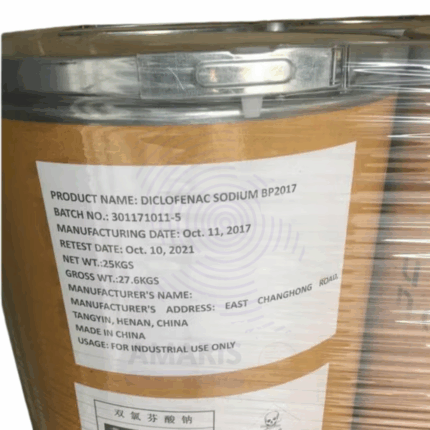
Diclofenac Sodium BP
Diclofenac Sodium is a nonsteroidal anti-inflammatory drug (NSAID) widely used for its potent analgesic, anti-inflammatory, and antipyretic properties. It is the sodium salt form of diclofenac, providing enhanced solubility and rapid absorption. Diclofenac Sodium BP (British Pharmacopoeia standard) ensures pharmaceutical-grade purity and compliance with stringent quality standards. It is commonly formulated in oral tablets, topical gels, injections, and ophthalmic preparations.
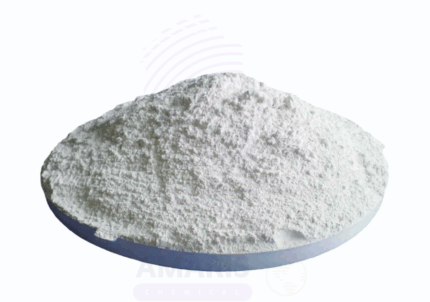
Diloxanide Furoate
Diloxanide Furoate is an orally administered antiprotozoal agent used primarily for the treatment of amoebiasis. It is a furan-based derivative that acts as a luminal amoebicide, effectively targeting Entamoeba histolytica cysts and trophozoites within the intestinal lumen. This compound is well-regarded for its efficacy in eradicating asymptomatic cyst carriers and as a follow-up treatment after systemic amoebicidal therapy. Diloxanide Furoate has good oral bioavailability and a favorable safety profile.
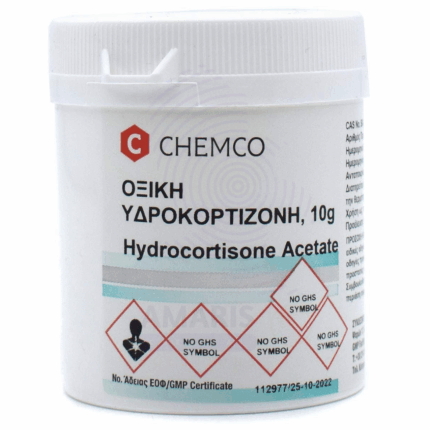
Hydrocortisone Acetate
Hydrocortisone Acetate is a synthetic corticosteroid ester derived from hydrocortisone (cortisol). It is a white to off-white crystalline powder, practically insoluble in water but soluble in alcohol and acetone. This compound exhibits potent anti-inflammatory, immunosuppressive, and anti-allergic properties, making it widely used in pharmaceutical and dermatological formulations. Hydrocortisone Acetate acts by modulating gene expression to reduce the production of inflammatory mediators, thereby alleviating symptoms in various inflammatory and autoimmune conditions.
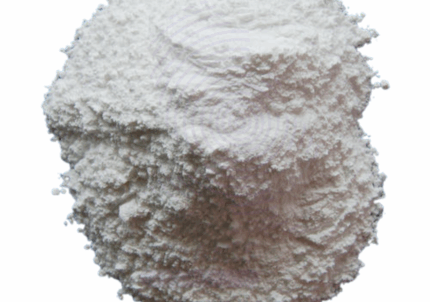
Methyl Paraben
Methyl Paraben is a white to off-white crystalline powder widely used as an antimicrobial preservative in cosmetics, pharmaceuticals, and food products. It is a member of the paraben family of preservatives known for their effectiveness against a broad spectrum of bacteria and fungi. Methyl Paraben helps extend the shelf life of products by preventing microbial growth without affecting the product's texture or color.
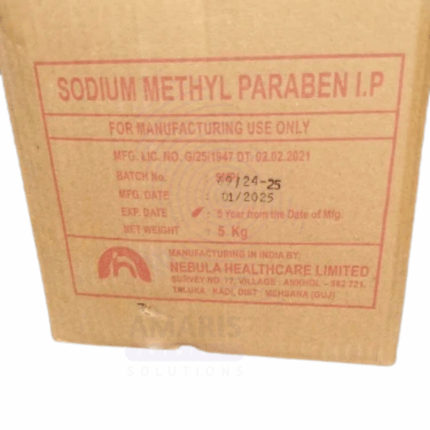
Sodium Methyl Paraben
Sodium Methyl Paraben is the sodium salt of methylparaben, a widely used preservative in cosmetics, pharmaceuticals, and food. It is a white, odorless, crystalline powder that is water-soluble and effective against a broad spectrum of bacteria, molds, and yeasts. As a paraben derivative, it helps prevent microbial contamination and extends shelf life. It is often preferred over methylparaben in formulations where water solubility is required.












