

 Preservatives(food)
 Flavors
 Acidulants
 Sweeteners
 Antioxidants
 Colorants(food)
 Nutraceutical Ingredients (food)
 Nutrient Supplements
 Emulsifiers
 Collectors
 Dust Suppressants
 Explosives and Blasting Agents
 Flocculants and Coagulants
 Frothers
 Leaching Agents
 pH Modifiers
 Precious Metal Extraction Agents
 Antioxidants(plastic)
 Colorants (Pigments, Dyes)
 Fillers and Reinforcements
 Flame Retardants
 Monomers
 Plasticizers
 Polymerization Initiators
 Stabilizers (UV, Heat)
 Antifoaming Agents
 Chelating Agents
 Coagulants and Flocculants
 Corrosion Inhibitors
 Disinfectants and Biocides
 Oxidizing Agents
 pH Adjusters
 Scale Inhibitors( water)
 Antioxidants(cosmetic)
 Emollients
 Oils
Oils Carrier Oills
 Essential Oils
 Humectants
 Preservatives
 Surfactants(cosmetic)
 Thickeners
 UV Filters
 Fragrance (Cosmetics)
 Fertilizers
 Soil Conditioners
 Plant Growth Regulators
 Animal Feed Additives
 Biostimulants
 Pesticides (Herbicides, Insecticides, Fungicides)
 Active Pharmaceutical Ingredients (APIs)
 Excipients
 Solvents(pharmaceutical)
 Antibiotics
 Antiseptics and Disinfectants
 Vaccine Adjuvants
 Nutraceutical Ingredients (pharmaceutical)
 Analgesics & Antipyretics
 Analytical Reagents
 Solvents(lab)
 Chromatography Chemicals
 Spectroscopy Reagents
 microbiology-and-cell-culture-reagents
 Molecular Biology Reagents
 Biochemical Reagents
 Inorganic and Organic Standards
 Laboratory Safety Chemicals
 Specialty Laboratory Chemicals(Special Laboratory Equipment)
 Demulsifiers
 Hydraulic Fracturing Fluids
 Scale Inhibitors(oil)
 Surfactants(oil)
 Drilling Fluids
 Dyes and Pigments
 Bleaching Agents
 Softening Agents
 Finishing Agents
 Antistatic Agents
 Admixtures
 Waterproofing Agents
 Sealants and Adhesives
 Curing Compounds
 Concrete Repair Chemicals
 Anti-Corrosion Coatings
 Surfactants(cleaning)
 Builders
 Enzymes
 Solvents (Cleaning)
 Electronic Chemicals
 Catalysts
 Lubricants
 Photographic Chemicals
 Refrigerants
 Automotive chemicals
 Pyrotechnic Chemicals
 Biodegradable Surfactants
 Bio-based Solvents
 Renewable Polymers
 Carbon Capture Chemicals
 Wastewater Treatment Chemicals
 Pigments
 Solvents(paint)
 Specialty Coatings
 Binders/Resins
 Additives
 Driers
 Anti-Corrosion Agents
 Functional Coatings
 Application-Specific Coatings
 Leavening Agents
 Dough Conditioners
 Flour Treatments
 Fat Replacers
 Decoratives
 Preservatives(baking)
 Plasticizers & Softeners
 Reinforcing Agents
 Adhesion Promoters
 Vulcanizing Agents
 Antidegradants
 Blowing Agents
 Fillers & Extenders
 Accelerators & Retarders

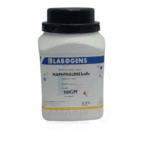

Sodium Methyl Paraben
Sodium Methyl Paraben is the sodium salt of methylparaben, a widely used preservative in cosmetics, pharmaceuticals, and food. It is a white, odorless, crystalline powder that is water-soluble and effective against a broad spectrum of bacteria, molds, and yeasts. As a paraben derivative, it helps prevent microbial contamination and extends shelf life. It is often preferred over methylparaben in formulations where water solubility is required.
Sodium Methyl Paraben
Primary Uses
- Pharmaceuticals
- Used as an antimicrobial preservative in oral and topical medicinal formulations.
- Stabilizes syrups, suspensions, creams, and eye drops by preventing microbial growth.
- Cosmetics & Personal Care
- Added to lotions, creams, shampoos, and deodorants to inhibit bacterial and fungal contamination.
- Ensures product safety and longevity in water-based personal care items.
- Food Industry
- Utilized in beverages, sauces, and processed foods as a preservative to control spoilage.
- Helps extend shelf life by inhibiting yeast and mold growth (where permitted by food regulations).
Secondary Uses
- Veterinary Products
- Used in animal pharmaceuticals and topical veterinary treatments as a preservative.
- Laboratory & Research Chemicals
- Acts as a reference or control preservative in microbiological and pharmaceutical research.
- Textile & Leather Processing
- Occasionally used in water-based treatments where preservation against microbial contamination is needed.
1. Basic Identification Attributes
- Chemical Name (IUPAC): Sodium 4-(methoxycarbonyl)phenolate
- Common/Trade Name: Sodium Methyl Paraben
- CAS Number: 5026-62-0
- HS Code: 2918.23.00
- Synonyms: Methylparaben sodium salt; Sodium methyl 4-hydroxybenzoate
2. Physical & Chemical Properties
- Physical State: Solid (crystalline powder)
- Color & Odor: White, odorless
- Solubility: Highly soluble in water and alcohol
- pH (1% solution): Approx. 9.5–10.5
- Melting Point: ~125–128°C (decomposes)
- Stability: Stable under normal storage conditions
3. Safety & Hazard Attributes
- GHS Classification: Not classified as hazardous under normal conditions
- Toxicity: Low; considered safe at approved concentrations in food and personal care products
- Exposure Limits: Follow GMP and cosmetic/pharmaceutical regulations
- Allergies: Rare cases of skin irritation or allergic response in sensitive individuals
4. Storage & Handling Attributes
- Storage Conditions: Store in a cool, dry place, away from light and moisture
- Container Type: Food-grade or pharmaceutical-grade plastic containers or fiber drums
- Shelf Life: Typically 2–3 years under recommended conditions
- Handling Precautions: Avoid inhalation of dust; use gloves and eye protection when handling in bulk
5. Regulatory & Compliance Attributes
- Complies with relevant pharmacopeial standards (e.g., USP, BP, EP)
- Approved for use by FDA, EFSA, and other regulatory authorities within defined limits
- Listed under international chemical inventories (REACH, TSCA, AICS)
- Subject to concentration limits for use in cosmetics and foods as per regional legislation
- Requires appropriate labeling when used in consumer products
- Manufactured in accordance with cGMP and ISO quality systems
6. Environmental & Health Impact
- Biodegradability: Readily biodegradable in natural environments
- Ecotoxicity: Low environmental impact at permitted usage levels
- Bioaccumulation: Negligible due to rapid breakdown and low persistence
Safety Handling Precautions
- PPE Required: Gloves, goggles, lab coat or protective clothing
- Handling Guidelines: Avoid contact with eyes and inhalation of powder
- Storage Measures: Keep tightly sealed in original containers; avoid exposure to heat or humidity
First Aid Measures
- Inhalation: Move to fresh air; seek medical attention if respiratory symptoms develop
- Skin Contact: Wash with soap and water; discontinue use if irritation occurs
- Eye Contact: Rinse with plenty of water; seek medical attention if irritation persists
- Ingestion: Rinse mouth with water; consult a healthcare provider if necessary
Firefighting Measures
- Fire Hazards: Non-flammable but may decompose at high temperatures
- Extinguishing Media: Use water spray, dry chemical, CO₂, or foam
- Special Precautions: Use self-contained breathing apparatus in enclosed areas
- Hazardous Combustion Products: May emit carbon oxides on combustion
Related products
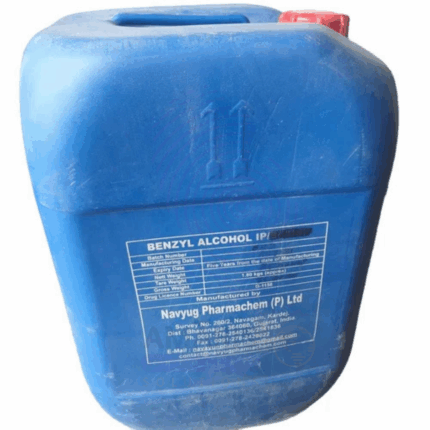
Benzyl Alcohol
Benzyl Alcohol is an aromatic alcohol with a mild pleasant odor and clear, colorless liquid appearance. It serves as a versatile solvent, preservative, and intermediate in chemical synthesis. Benzyl Alcohol is widely used across pharmaceuticals, cosmetics, paints, coatings, and as a bacteriostatic agent in injectable drugs. Its relatively low toxicity and good solvent properties make it valuable in both industrial and consumer products.
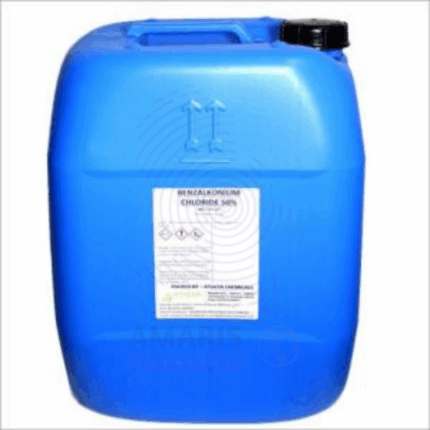
Benzyl Konium Chloride
Benzyl Konium Chloride (BAC) 50% is a quaternary ammonium compound with potent antimicrobial and disinfectant properties. It is a cationic surfactant widely used for its bactericidal, fungicidal, and virucidal effects. This clear to pale yellow liquid concentrate is highly soluble in water and is commonly used in healthcare, sanitation, and industrial hygiene applications. BAC 50% solutions serve as active ingredients in disinfectants, sanitizers, and antiseptics due to their effectiveness against a broad spectrum of microorganisms.
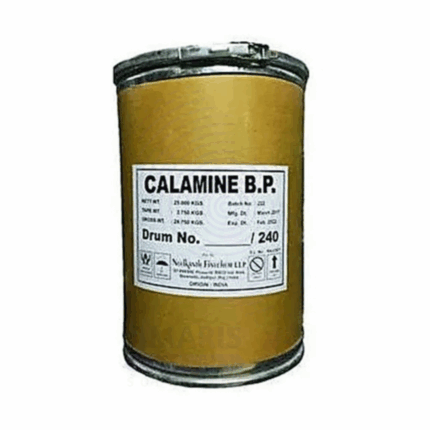
Calamine Powder
Calamine Powder is a fine, light pink powder primarily composed of zinc oxide and a small percentage of ferric oxide, which gives it its characteristic pink color. It is an inorganic compound widely used in pharmaceutical and cosmetic formulations due to its soothing, antiseptic, and astringent properties. Calamine Powder is commonly applied topically to relieve itching, minor skin irritations, insect bites, rashes, and sunburn. It acts by forming a protective barrier on the skin, reducing inflammation and providing a mild cooling effect.
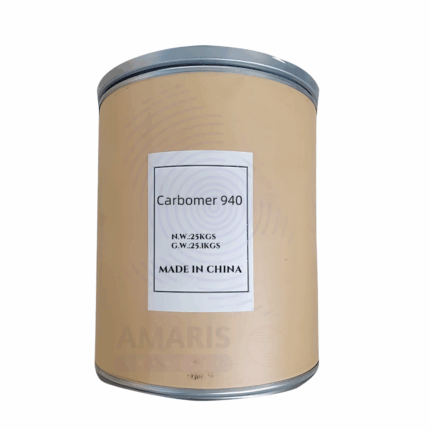
Carbomer
Carbomer is a high molecular weight, crosslinked polyacrylic acid polymer used primarily as a rheology modifier, thickening agent, and suspension stabilizer. Supplied as a fluffy white powder, it exhibits high viscosity and excellent clarity when neutralized and dispersed in water or alcohol-water systems. Carbomer 940 is widely valued for its ability to form clear gels, control flow properties, and stabilize emulsions. It is commonly used in cosmetics, personal care, pharmaceuticals, and household formulations due to its consistency, compatibility, and efficient thickening performance at low concentrations.
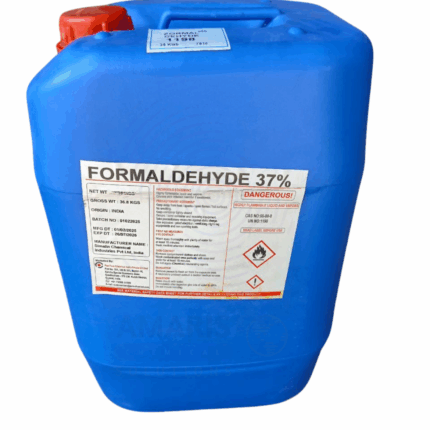
Formaldehyde (Formalin)
Formaldehyde (Formalin) is an aqueous solution containing approximately 37% formaldehyde by weight, stabilized typically with 10-15% methanol to prevent polymerization. It is a clear, colorless liquid with a pungent, penetrating odor. Formaldehyde is a simple aldehyde widely used as a disinfectant, preservative, and chemical intermediate. Formalin’s powerful antimicrobial and tissue-fixation properties make it essential in medical, laboratory, industrial, and manufacturing applications. It is one of the most commonly used chemicals worldwide for sterilization, embalming, and resin production.
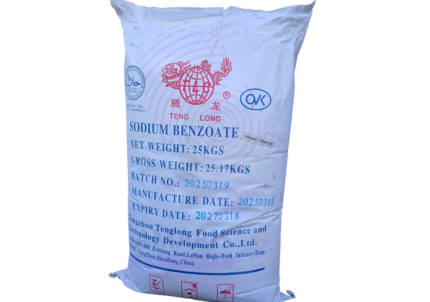
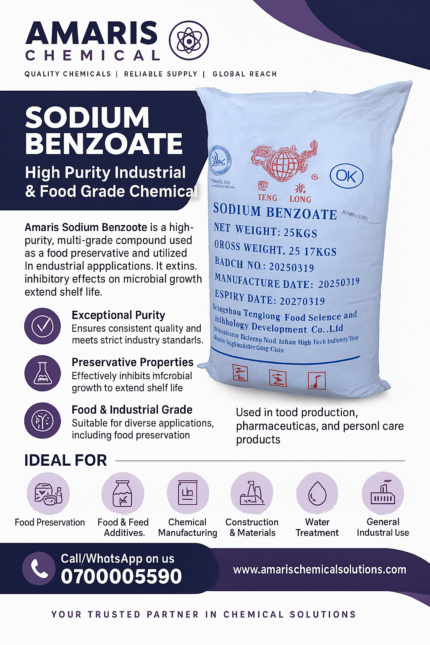
Sodium Benzoate
Sodium Benzoate is the sodium salt of benzoic acid, appearing as a white, crystalline powder that is highly soluble in water. It is widely used as a preservative due to its antimicrobial properties, especially effective against yeast and bacteria in acidic conditions. Sodium Benzoate is commonly employed in the food, beverage, pharmaceutical, and cosmetic industries to extend shelf life and maintain product quality. It meets food-grade and pharmaceutical-grade purity standards, ensuring safety for consumption and topical use.

Sodium Bicarbonate
Sodium Bicarbonate, commonly known as Baking Soda, is a white crystalline powder with a mildly alkaline taste. It is widely used across multiple industries for its excellent buffering, neutralizing, and leavening properties. This compound is safe for food applications and also finds uses in pharmaceuticals, cleaning, and industrial processes. Its ability to react with acids releasing carbon dioxide makes it essential for baking and other chemical applications.
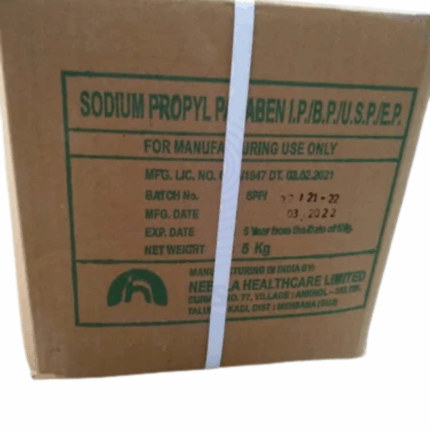
Sodium Propyl Paraben
Sodium Propyl Paraben is the sodium salt of propylparaben, a white to off-white crystalline powder or granule with the chemical formula C₁₀H₁₂NaO₃. It is a water-soluble antimicrobial preservative used extensively in personal care, pharmaceutical, and food products. Packaged in 25kg containers, it offers excellent stability and effectiveness over a wide pH range. Its antifungal and antibacterial properties make it a reliable choice for preventing microbial contamination and extending shelf life.












