

 Preservatives(food)
 Flavors
 Acidulants
 Sweeteners
 Antioxidants
 Colorants(food)
 Nutraceutical Ingredients (food)
 Nutrient Supplements
 Emulsifiers
 Collectors
 Dust Suppressants
 Explosives and Blasting Agents
 Flocculants and Coagulants
 Frothers
 Leaching Agents
 pH Modifiers
 Precious Metal Extraction Agents
 Antioxidants(plastic)
 Colorants (Pigments, Dyes)
 Fillers and Reinforcements
 Flame Retardants
 Monomers
 Plasticizers
 Polymerization Initiators
 Stabilizers (UV, Heat)
 Antifoaming Agents
 Chelating Agents
 Coagulants and Flocculants
 Corrosion Inhibitors
 Disinfectants and Biocides
 Oxidizing Agents
 pH Adjusters
 Scale Inhibitors( water)
 Antioxidants(cosmetic)
 Emollients
 Oils
Oils Carrier Oills
 Essential Oils
 Humectants
 Preservatives
 Surfactants(cosmetic)
 Thickeners
 UV Filters
 Fragrance (Cosmetics)
 Fertilizers
 Soil Conditioners
 Plant Growth Regulators
 Animal Feed Additives
 Biostimulants
 Pesticides (Herbicides, Insecticides, Fungicides)
 Active Pharmaceutical Ingredients (APIs)
 Excipients
 Solvents(pharmaceutical)
 Antibiotics
 Antiseptics and Disinfectants
 Vaccine Adjuvants
 Nutraceutical Ingredients (pharmaceutical)
 Analgesics & Antipyretics
 Analytical Reagents
 Solvents(lab)
 Chromatography Chemicals
 Spectroscopy Reagents
 microbiology-and-cell-culture-reagents
 Molecular Biology Reagents
 Biochemical Reagents
 Inorganic and Organic Standards
 Laboratory Safety Chemicals
 Specialty Laboratory Chemicals(Special Laboratory Equipment)
 Demulsifiers
 Hydraulic Fracturing Fluids
 Scale Inhibitors(oil)
 Surfactants(oil)
 Drilling Fluids
 Dyes and Pigments
 Bleaching Agents
 Softening Agents
 Finishing Agents
 Antistatic Agents
 Admixtures
 Waterproofing Agents
 Sealants and Adhesives
 Curing Compounds
 Concrete Repair Chemicals
 Anti-Corrosion Coatings
 Surfactants(cleaning)
 Builders
 Enzymes
 Solvents (Cleaning)
 Electronic Chemicals
 Catalysts
 Lubricants
 Photographic Chemicals
 Refrigerants
 Automotive chemicals
 Pyrotechnic Chemicals
 Biodegradable Surfactants
 Bio-based Solvents
 Renewable Polymers
 Carbon Capture Chemicals
 Wastewater Treatment Chemicals
 Pigments
 Solvents(paint)
 Specialty Coatings
 Binders/Resins
 Additives
 Driers
 Anti-Corrosion Agents
 Functional Coatings
 Application-Specific Coatings
 Leavening Agents
 Dough Conditioners
 Flour Treatments
 Fat Replacers
 Decoratives
 Preservatives(baking)
 Plasticizers & Softeners
 Reinforcing Agents
 Adhesion Promoters
 Vulcanizing Agents
 Antidegradants
 Blowing Agents
 Fillers & Extenders
 Accelerators & Retarders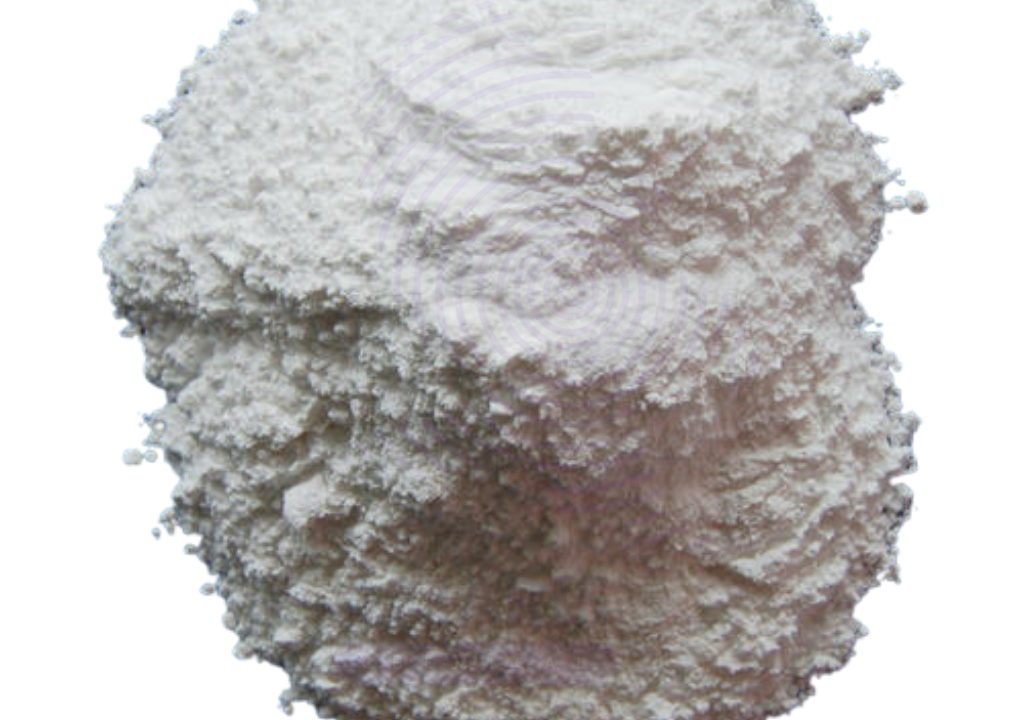

Methyl Paraben
Methyl Paraben is a white to off-white crystalline powder widely used as an antimicrobial preservative in cosmetics, pharmaceuticals, and food products. It is a member of the paraben family of preservatives known for their effectiveness against a broad spectrum of bacteria and fungi. Methyl Paraben helps extend the shelf life of products by preventing microbial growth without affecting the product’s texture or color.
Methyl Paraben
Primary Uses
- Cosmetics and Personal Care Products
- Preservative in creams, lotions, shampoos, and makeup to prevent microbial contamination.
- Enhances product stability and shelf life.
- Pharmaceuticals
- Used as a preservative in topical formulations, syrups, and injectables to inhibit microbial growth.
- Food Industry
- Acts as a preservative in baked goods, beverages, and processed foods to prevent spoilage.
Secondary Uses
- Industrial Applications
- Used in the preservation of adhesives and inks to prevent bacterial degradation.
- Laboratory Reagent
- Employed as a preservative in biological and chemical reagents.
1. Basic Identification Attributes
- Chemical Name (IUPAC): Methyl 4-hydroxybenzoate
- Common/Trade Name: Methyl Paraben
- CAS Number: 99-76-3
- HS Code: 2916.39.00
- Synonyms: Methyl p-hydroxybenzoate; E218; Parahydroxybenzoic acid methyl ester
2. Physical & Chemical Properties
- Physical State: Powder or crystalline solid
- Color & Odor: White to off-white; odorless or faint aromatic odor
- Melting Point: 125 – 128°C
- Solubility: Slightly soluble in water; soluble in alcohol, ether, and chloroform
- Density: Approx. 1.32 g/cm³
3. Safety & Hazard Attributes
- GHS Classification: Not classified as hazardous at typical use concentrations
- Toxicity: Low toxicity; generally recognized as safe (GRAS) at regulated levels
- Exposure Limits: No specific occupational exposure limits; standard handling precautions
4. Storage & Handling Attributes
- Storage Conditions: Store in a cool, dry, well-ventilated place away from strong oxidizers
- Container Type: Supplied in sealed bags or containers
- Shelf Life: Typically 24 months if stored properly
- Handling Precautions: Avoid dust formation; use gloves and dust masks if necessary
5. Regulatory & Compliance Attributes
- Complies with FDA, USP, and European pharmacopoeia standards
- Approved as a food preservative (E218) and cosmetic preservative under various regulations
6. Environmental & Health Impact
- Biodegradability: Biodegradable under environmental conditions
- Ecotoxicity: Low environmental impact when used as directed
- Bioaccumulation: Not expected to bioaccumulate
- Carcinogenicity/Mutagenicity: Not classified as carcinogenic or mutagenic
Safety Handling Precautions
- PPE Required: Gloves, dust mask, and safety goggles recommended during handling
- Handling Guidelines: Use in well-ventilated areas; avoid inhalation of dust
- Storage Measures: Keep containers tightly closed and stored away from incompatible materials
First Aid Measures
- Inhalation: Move to fresh air if irritation occurs
- Skin Contact: Wash thoroughly with soap and water
- Eye Contact: Rinse eyes with plenty of water for at least 15 minutes; seek medical attention if irritation persists
- Ingestion: Rinse mouth; seek medical advice if symptoms occur
Firefighting Measures
- Fire Hazards: Combustible solid
- Extinguishing Media: Use water spray, foam, dry chemical, or carbon dioxide extinguishers
- Special Precautions: Wear protective equipment to avoid dust inhalation
- Hazardous Combustion Products: May produce carbon oxides and other toxic fumes under fire conditions
Related products
Busan
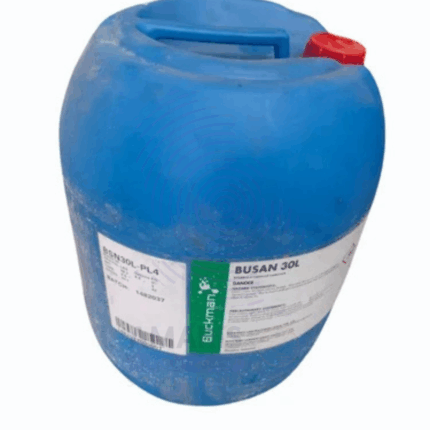
Busan is a brand name associated with a comprehensive range of specialty chemicals, primarily including surfactants, dispersants, and performance additives. These products are engineered to optimize the properties of coatings, paints, inks, adhesives, and other industrial formulations. Busan specialty chemicals enhance formulation stability, improve pigment dispersion, control rheology, and boost wetting and flow characteristics, leading to superior application and end-use performance. Designed for versatility and efficiency, Busan products are widely used across the coatings, printing, plastics, and chemical manufacturing industries.
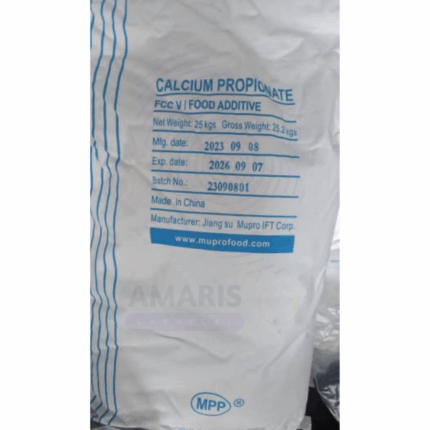
Calcium Propionate
Calcium Propionate is the calcium salt of propionic acid, appearing as a white, crystalline powder or granules with a slightly salty taste and low odor. It is highly soluble in water and used primarily as a food preservative and mold inhibitor. Calcium Propionate inhibits the growth of mold, bacteria, and fungi, making it especially valuable in baked goods, dairy products, and animal feed to extend shelf life and prevent spoilage. It also finds application in pharmaceuticals and cosmetics as a preservative and antimicrobial agent.
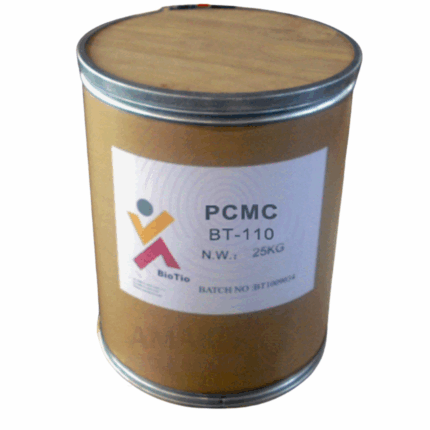
Chlorocresol BP
Chlorocresol BP, also known as PCMC (Para-Chlorometa-Cresol), is a white to off-white crystalline powder with a characteristic phenolic odor. It is a chlorinated phenol derivative widely used as a broad-spectrum antimicrobial preservative. It exhibits effective bactericidal and fungicidal activity, making it a preferred preservative in pharmaceutical, cosmetic, and personal care products. Chlorocresol is valued for its stability, solubility in aqueous and alcoholic systems, and compatibility with various formulation types. It helps inhibit microbial growth, thereby enhancing product shelf life and safety.
Methoxy benzophenone Sulfonic Acid
Methoxy Benzophenone Sulfonic Acid is a water-soluble UV filter widely used in sunscreen and cosmetic formulations. It absorbs ultraviolet (UV) radiation, primarily in the UVB range, protecting skin and products from harmful effects of sun exposure. This compound appears as a white to off-white powder or crystalline solid and is valued for its photostability and broad-spectrum UV protection.

Potassium Sorbate FCC
Potassium Sorbate FCC (Food Chemical Codex) is the potassium salt of sorbic acid, a white crystalline powder widely used as a food preservative. It effectively inhibits the growth of molds, yeasts, and some bacteria, thus extending the shelf life of various food and beverage products. Known for its low toxicity and minimal impact on flavor, Potassium Sorbate is a preferred preservative in food, cosmetics, and pharmaceutical industries.
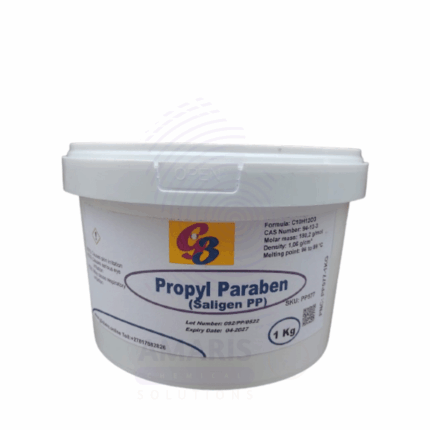
Propyl paraben
Propyl Paraben is a widely used preservative belonging to the paraben family, known for its antimicrobial properties. It is commonly employed to inhibit the growth of bacteria, mold, and yeast in cosmetic, pharmaceutical, and food products. Propyl Paraben is favored for its effectiveness, low toxicity, and compatibility with a broad range of formulations, helping extend product shelf life while maintaining safety.
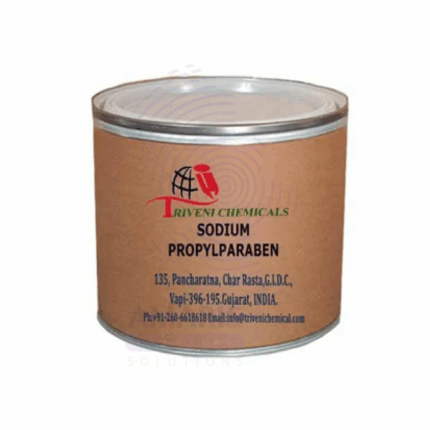
Propyl Paraben Sodium BP
Propyl Paraben Sodium BP is the sodium salt derivative of propyl paraben, widely used as an effective antimicrobial preservative. It offers improved water solubility compared to propyl paraben and is commonly employed in pharmaceutical, cosmetic, and food products to inhibit the growth of bacteria, molds, and yeasts, thereby extending shelf life and ensuring product safety.

Zinc Pyrithione
Zinc Pyrithione is a high-purity antimicrobial and antifungal compound derived from the coordination of zinc with pyrithione (1-hydroxy-2-pyridinethione). It is widely used as an active ingredient in personal care formulations, industrial coatings, and materials preservation due to its broad-spectrum biocidal efficacy against bacteria, fungi, and algae. Its excellent thermal stability and compatibility with various systems make it ideal for diverse industrial and cosmetic applications.












