

 Preservatives(food)
 Flavors
 Acidulants
 Sweeteners
 Antioxidants
 Colorants(food)
 Nutraceutical Ingredients (food)
 Nutrient Supplements
 Emulsifiers
 Collectors
 Dust Suppressants
 Explosives and Blasting Agents
 Flocculants and Coagulants
 Frothers
 Leaching Agents
 pH Modifiers
 Precious Metal Extraction Agents
 Antioxidants(plastic)
 Colorants (Pigments, Dyes)
 Fillers and Reinforcements
 Flame Retardants
 Monomers
 Plasticizers
 Polymerization Initiators
 Stabilizers (UV, Heat)
 Antifoaming Agents
 Chelating Agents
 Coagulants and Flocculants
 Corrosion Inhibitors
 Disinfectants and Biocides
 Oxidizing Agents
 pH Adjusters
 Scale Inhibitors( water)
 Antioxidants(cosmetic)
 Emollients
 Oils
Oils Carrier Oills
 Essential Oils
 Humectants
 Preservatives
 Surfactants(cosmetic)
 Thickeners
 UV Filters
 Fragrance (Cosmetics)
 Fertilizers
 Soil Conditioners
 Plant Growth Regulators
 Animal Feed Additives
 Biostimulants
 Pesticides (Herbicides, Insecticides, Fungicides)
 Active Pharmaceutical Ingredients (APIs)
 Excipients
 Solvents(pharmaceutical)
 Antibiotics
 Antiseptics and Disinfectants
 Vaccine Adjuvants
 Nutraceutical Ingredients (pharmaceutical)
 Analgesics & Antipyretics
 Analytical Reagents
 Solvents(lab)
 Chromatography Chemicals
 Spectroscopy Reagents
 microbiology-and-cell-culture-reagents
 Molecular Biology Reagents
 Biochemical Reagents
 Inorganic and Organic Standards
 Laboratory Safety Chemicals
 Specialty Laboratory Chemicals(Special Laboratory Equipment)
 Demulsifiers
 Hydraulic Fracturing Fluids
 Scale Inhibitors(oil)
 Surfactants(oil)
 Drilling Fluids
 Dyes and Pigments
 Bleaching Agents
 Softening Agents
 Finishing Agents
 Antistatic Agents
 Admixtures
 Waterproofing Agents
 Sealants and Adhesives
 Curing Compounds
 Concrete Repair Chemicals
 Anti-Corrosion Coatings
 Surfactants(cleaning)
 Builders
 Enzymes
 Solvents (Cleaning)
 Electronic Chemicals
 Catalysts
 Lubricants
 Photographic Chemicals
 Refrigerants
 Automotive chemicals
 Pyrotechnic Chemicals
 Biodegradable Surfactants
 Bio-based Solvents
 Renewable Polymers
 Carbon Capture Chemicals
 Wastewater Treatment Chemicals
 Pigments
 Solvents(paint)
 Specialty Coatings
 Binders/Resins
 Additives
 Driers
 Anti-Corrosion Agents
 Functional Coatings
 Application-Specific Coatings
 Leavening Agents
 Dough Conditioners
 Flour Treatments
 Fat Replacers
 Decoratives
 Preservatives(baking)
 Plasticizers & Softeners
 Reinforcing Agents
 Adhesion Promoters
 Vulcanizing Agents
 Antidegradants
 Blowing Agents
 Fillers & Extenders
 Accelerators & Retarders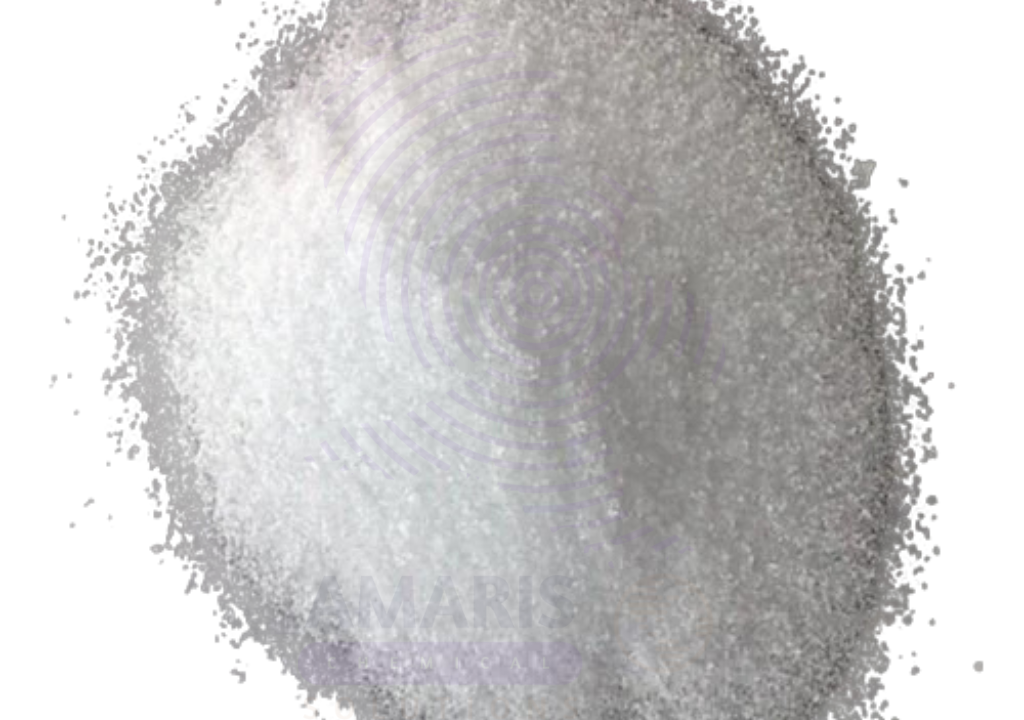

Zinc Pyrithione
Zinc Pyrithione is a high-purity antimicrobial and antifungal compound derived from the coordination of zinc with pyrithione (1-hydroxy-2-pyridinethione). It is widely used as an active ingredient in personal care formulations, industrial coatings, and materials preservation due to its broad-spectrum biocidal efficacy against bacteria, fungi, and algae. Its excellent thermal stability and compatibility with various systems make it ideal for diverse industrial and cosmetic applications.
Zinc Pyrithione
Primary Uses
- Personal Care & Cosmetics
- Anti-Dandruff Agent: Widely used in shampoos and scalp treatments to control dandruff and seborrheic dermatitis.
- Antifungal in Skin Products: Used in creams and lotions to treat fungal skin conditions like tinea and seborrheic dermatitis.
- Paints & Coatings Industry
- Dry Film Preservative: Protects painted surfaces from fungal and algal growth, especially in humid conditions.
- Marine Coatings: Used in anti-fouling marine paints to prevent biofilm formation on ship hulls and underwater structures.
- Plastics & Polymers
- Antimicrobial Additive: Integrated into plastic products, sealants, and silicone to prevent microbial colonization.
- Textiles
- Antibacterial Treatment: Used in technical and medical textiles for microbial control and odor resistance.
Secondary Uses
- Construction Materials
- Biocide in Sealants and Adhesives: Added to construction sealants to prevent mold and mildew.
- Industrial Water Systems
- Microbial Control Agent: Occasionally used in industrial water circuits to prevent microbial growth (under regulated conditions).
- Leather Treatment
- Preservative: Applied during leather processing to inhibit microbial degradation and mold formation.
- Agriculture (Restricted/Regulated)
- Fungicide (Specialty Applications): Under strict regulatory control, used in select applications to prevent fungal growth on surfaces or equipment.
1. Basic Identification Attributes
- Chemical Name (IUPAC): Bis(1-hydroxy-2(1H)-pyridinethionato-O,S)zinc
- Common/Trade Name: Zinc Pyrithione
- CAS Number: 13463-41-7
- HS Code: 2930.90.99
- Synonyms: ZPT, Zinc Omadine, Zinci pyrithionis
2. Physical & Chemical Properties
- Physical State: Crystalline powder
- Color & Odor: White to pale yellow; faint odor
- Melting Point: ~240 °C (decomposes)
- Solubility: Poorly soluble in water; soluble in ethanol and surfactant systems
- pH (1% Suspension): ~6.5–8.0
- Density: ~1.8 g/cm³
3. Safety & Hazard Attributes
- GHS Classification:
- Harmful if swallowed
- Causes serious eye irritation
- Very toxic to aquatic life with long-lasting effects
- Toxicity: Moderately toxic; not for internal or long-term unregulated exposure
- Exposure Limits: Avoid inhalation of powder; handle with PPE
4. Storage & Handling Attributes
- Storage Conditions: Store in a cool, dry place, in tightly sealed containers away from direct sunlight and moisture
- Container Type: Fiber drums or HDPE containers with liners
- Shelf Life: 2 years under proper storage conditions
- Handling Precautions: Avoid dust generation and contact with eyes or skin
5. Regulatory & Compliance Attributes
- Approved by FDA, EU, and other regulatory bodies for limited concentrations in personal care products
- Complies with REACH and TSCA for industrial us
- Subject to maximum concentration limits in cosmetics (typically 0.3% in rinse-off products)
- Not for use in food or pharmaceutical products
- Manufactured under ISO 9001 and ISO 22716 (GMP for cosmetics, when applicable)
- Must meet biocidal product regulations (BPR) in the EU and FIFRA in the U.S.
6. Environmental & Health Impact
- Biodegradability: Slowly biodegradable under environmental conditions
- Ecotoxicity: Highly toxic to aquatic organisms; must not be released into waterway
- Bioaccumulation: Low to moderate potential; environmental monitoring recommended
Safety Handling Precautions
- PPE Required: Gloves, goggles, dust mask or respirator
- Handling Guidelines: Use local exhaust ventilation; avoid formation of airborne dust
- Storage Measures: Keep containers tightly sealed; label clearly
First Aid Measures
- Inhalation: Move to fresh air immediately; seek medical attention if breathing difficulties occur
- Skin Contact: Wash thoroughly with soap and water
- Eye Contact: Rinse cautiously with water for 15 minutes; consult a physician
- Ingestion: Rinse mouth with water; do not induce vomiting; seek medical help
Firefighting Measures
- Fire Hazards: Non-flammable; may release toxic fumes (sulfur oxides, zinc oxides) if heated excessively
- Extinguishing Media: Water spray, dry powder, CO₂
- Hazardous Combustion Products: Sulfur dioxide, zinc oxide fumes
Related products
African Potato Extract
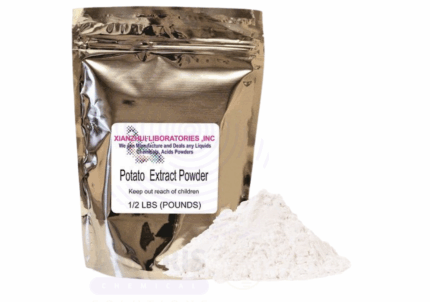
African Potato Extract is derived from the plant Hypoxis hemerocallidea, a medicinal plant native to southern Africa. It is commonly used in traditional African medicine for its anti-inflammatory, antioxidant, and immune-boosting properties. The active compound in the extract is hypoxoside, which is converted in the body to rooperol, a potent antioxidant. African Potato Extract is often used as a complementary treatment for conditions like arthritis, prostate issues, and certain infections, though scientific evidence on its effectiveness is still limited.
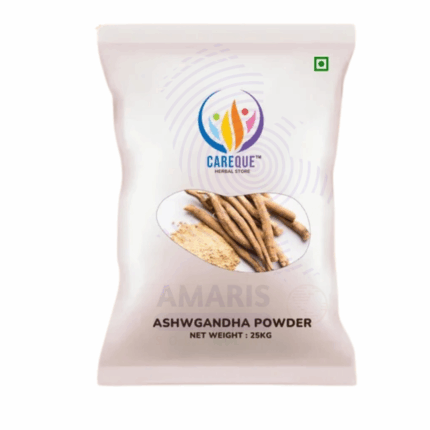
Ashawaganha Powder
Ashawaganha Powder is derived from the dried roots of Withania somnifera, a renowned herb in Ayurvedic and traditional medicine systems. Known as Indian ginseng or winter cherry, Ashwagandha is valued for its adaptogenic properties, helping the body combat stress, enhance vitality, and support overall wellness. The powder is finely ground root material, rich in bioactive compounds such as withanolides, alkaloids, and steroidal lactones. It is widely used as a dietary supplement, in herbal formulations, cosmetics, and traditional medicine.
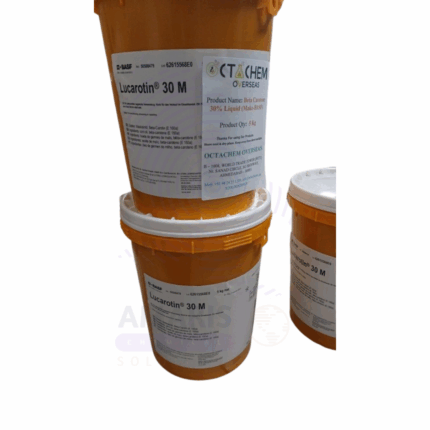
Beta Carotene
Beta Carotene is a concentrated formulation of beta carotene, a naturally occurring red-orange pigment found in plants and fruits. It is a precursor to vitamin A and a potent antioxidant that helps protect cells from oxidative damage. This product, typically suspended in an oil base or suitable carrier, is widely used as a natural colorant, nutritional supplement, and cosmetic ingredient. Beta Carotene 30% SUN offers enhanced stability under sunlight exposure, making it ideal for food, feed, and cosmetic applications where light stability is critical.
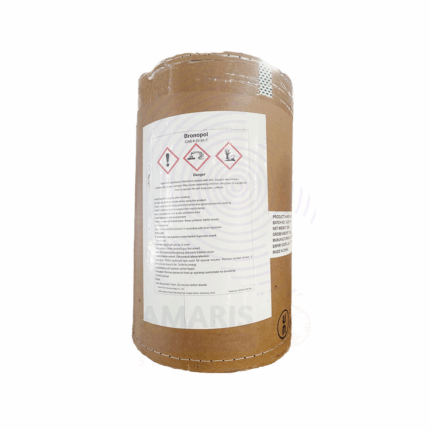
Bronopol
Bronopol (2-Bromo-2-nitropropane-1,3-diol) is a water-soluble, white crystalline powder or granules with a slight odor. It is a synthetic antimicrobial agent widely used as a preservative in personal care products, pharmaceuticals, cosmetics, and industrial applications. Bronopol exhibits broad-spectrum bactericidal and fungicidal activity, making it effective against a wide range of microorganisms. It works by releasing active formaldehyde slowly, which disrupts microbial metabolism and reproduction.
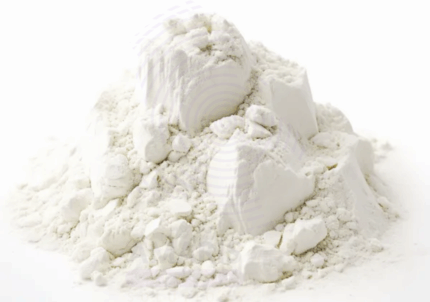
Ferulic Acid
Ferulic Acid is a naturally occurring hydroxycinnamic acid classified as a phenolic compound with potent antioxidant properties. It exists as a pale yellow to light brown crystalline powder with a faint characteristic odor. Ferulic Acid is commonly found in the cell walls of various plants such as rice bran, wheat, oats, coffee, apples, and fruits, where it plays a role in plant structural integrity and defense against environmental stress. It is valued across multiple industries—cosmetics, pharmaceuticals, nutraceuticals, food, and agriculture—due to its ability to neutralize free radicals, absorb UV radiation, and exhibit anti-inflammatory and antimicrobial activities.
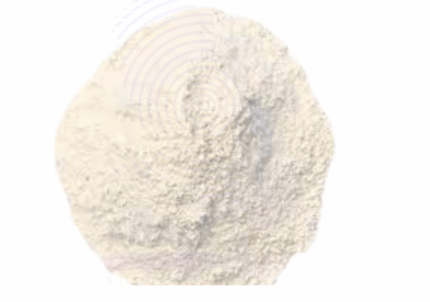
Magnesium Ascorbyl Phosphate
Magnesium Ascorbyl Phosphate (MAP) is a stable, water-soluble derivative of Vitamin C, combined with magnesium. It offers antioxidant benefits and skin-brightening effects with improved stability and lower irritation compared to pure ascorbic acid. Widely used in cosmetics and pharmaceuticals, MAP promotes collagen synthesis, reduces pigmentation, and protects skin from oxidative damage.
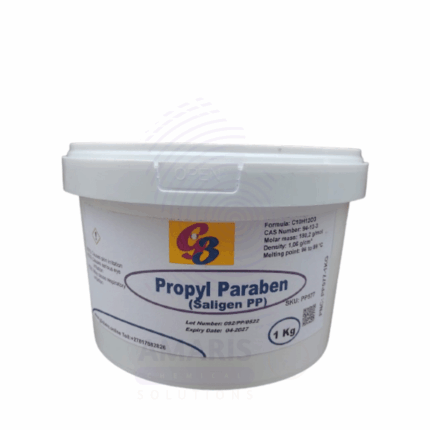
Propyl paraben
Propyl Paraben is a widely used preservative belonging to the paraben family, known for its antimicrobial properties. It is commonly employed to inhibit the growth of bacteria, mold, and yeast in cosmetic, pharmaceutical, and food products. Propyl Paraben is favored for its effectiveness, low toxicity, and compatibility with a broad range of formulations, helping extend product shelf life while maintaining safety.
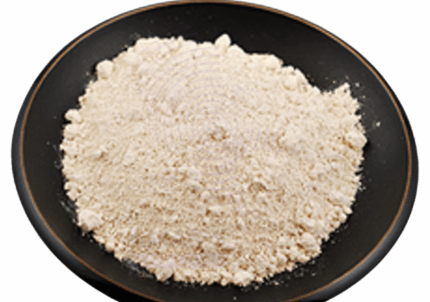
Silk Proteins
Silk Proteins are hydrolyzed proteins derived from natural silk fibers, typically composed of fibroin and sericin. They are water-soluble, bioactive compounds known for their excellent film-forming, moisture-retaining, and conditioning properties. Silk proteins are widely used in cosmetics, personal care products, pharmaceuticals, and textiles due to their biocompatibility, smooth texture, and ability to penetrate and protect surfaces like skin, hair, and fabric.












