

 Preservatives(food)
 Flavors
 Acidulants
 Sweeteners
 Antioxidants
 Colorants(food)
 Nutraceutical Ingredients (food)
 Nutrient Supplements
 Emulsifiers
 Collectors
 Dust Suppressants
 Explosives and Blasting Agents
 Flocculants and Coagulants
 Frothers
 Leaching Agents
 pH Modifiers
 Precious Metal Extraction Agents
 Antioxidants(plastic)
 Colorants (Pigments, Dyes)
 Fillers and Reinforcements
 Flame Retardants
 Monomers
 Plasticizers
 Polymerization Initiators
 Stabilizers (UV, Heat)
 Antifoaming Agents
 Chelating Agents
 Coagulants and Flocculants
 Corrosion Inhibitors
 Disinfectants and Biocides
 Oxidizing Agents
 pH Adjusters
 Scale Inhibitors( water)
 Antioxidants(cosmetic)
 Emollients
 Oils
Oils Carrier Oills
 Essential Oils
 Humectants
 Preservatives
 Surfactants(cosmetic)
 Thickeners
 UV Filters
 Fragrance (Cosmetics)
 Fertilizers
 Soil Conditioners
 Plant Growth Regulators
 Animal Feed Additives
 Biostimulants
 Pesticides (Herbicides, Insecticides, Fungicides)
 Active Pharmaceutical Ingredients (APIs)
 Excipients
 Solvents(pharmaceutical)
 Antibiotics
 Antiseptics and Disinfectants
 Vaccine Adjuvants
 Nutraceutical Ingredients (pharmaceutical)
 Analgesics & Antipyretics
 Analytical Reagents
 Solvents(lab)
 Chromatography Chemicals
 Spectroscopy Reagents
 microbiology-and-cell-culture-reagents
 Molecular Biology Reagents
 Biochemical Reagents
 Inorganic and Organic Standards
 Laboratory Safety Chemicals
 Specialty Laboratory Chemicals(Special Laboratory Equipment)
 Demulsifiers
 Hydraulic Fracturing Fluids
 Scale Inhibitors(oil)
 Surfactants(oil)
 Drilling Fluids
 Dyes and Pigments
 Bleaching Agents
 Softening Agents
 Finishing Agents
 Antistatic Agents
 Admixtures
 Waterproofing Agents
 Sealants and Adhesives
 Curing Compounds
 Concrete Repair Chemicals
 Anti-Corrosion Coatings
 Surfactants(cleaning)
 Builders
 Enzymes
 Solvents (Cleaning)
 Electronic Chemicals
 Catalysts
 Lubricants
 Photographic Chemicals
 Refrigerants
 Automotive chemicals
 Pyrotechnic Chemicals
 Biodegradable Surfactants
 Bio-based Solvents
 Renewable Polymers
 Carbon Capture Chemicals
 Wastewater Treatment Chemicals
 Pigments
 Solvents(paint)
 Specialty Coatings
 Binders/Resins
 Additives
 Driers
 Anti-Corrosion Agents
 Functional Coatings
 Application-Specific Coatings
 Leavening Agents
 Dough Conditioners
 Flour Treatments
 Fat Replacers
 Decoratives
 Preservatives(baking)
 Plasticizers & Softeners
 Reinforcing Agents
 Adhesion Promoters
 Vulcanizing Agents
 Antidegradants
 Blowing Agents
 Fillers & Extenders
 Accelerators & Retarders


Ferulic Acid
Ferulic Acid is a naturally occurring hydroxycinnamic acid classified as a phenolic compound with potent antioxidant properties. It exists as a pale yellow to light brown crystalline powder with a faint characteristic odor. Ferulic Acid is commonly found in the cell walls of various plants such as rice bran, wheat, oats, coffee, apples, and fruits, where it plays a role in plant structural integrity and defense against environmental stress. It is valued across multiple industries—cosmetics, pharmaceuticals, nutraceuticals, food, and agriculture—due to its ability to neutralize free radicals, absorb UV radiation, and exhibit anti-inflammatory and antimicrobial activities.
Ferulic Acid
Primary Uses
- Cosmetics and Personal Care
- Acts as a powerful antioxidant in anti-aging skin care formulations, protecting skin cells from oxidative damage caused by UV radiation and pollution.
- Enhances the stability and effectiveness of vitamins C and E in topical formulations, boosting photoprotection and reducing signs of skin aging such as fine lines, wrinkles, and hyperpigmentation.
- Functions as a natural UV absorber, contributing to sunscreens and daily moisturizers with SPF.
- Used in serums, creams, lotions, and facial masks to improve skin texture, elasticity, and overall appearance.
- Pharmaceutical and Nutraceutical Industry
- Incorporated as an active ingredient in dietary supplements for its antioxidant, anti-inflammatory, and cardioprotective effects.
- Supports cardiovascular health by helping to reduce oxidative stress and improve blood circulation.
- Investigated for neuroprotective properties that may help prevent or delay neurodegenerative diseases like Alzheimer’s and Parkinson’s.
- Potential chemopreventive agent studied for anti-cancer effects due to its ability to inhibit tumor growth and proliferation in lab studies.
- Used in formulations targeting metabolic syndrome, diabetes, and liver protection.
- Food Industry
- Functions as a natural antioxidant additive to retard lipid oxidation and extend shelf life in oils, fats, and processed foods.
- Enhances the stability and nutritional profile of baked goods, beverages, and functional foods.
- Acts as a flavor enhancer and color stabilizer in various food products.
- Employed in natural food preservation to replace synthetic antioxidants.
- Agriculture and Plant Protection
- Used as a bio-stimulant in crop protection to strengthen plant cell walls and enhance resistance to pathogens and environmental stresses such as UV radiation and drought.
- Exhibits natural antimicrobial and antifungal properties, reducing reliance on synthetic pesticides.
- Applied in formulations to improve plant vigor and yield.
Secondary Uses
- Biomedical Research
- Utilized as a biochemical probe to study oxidative stress and inflammatory pathways.
- Investigated for its hepatoprotective effects in liver injury models.
- Used in experimental neuroprotection and chemoprevention studies.
- Material Science and Packaging
- Incorporated as a natural antioxidant additive in biodegradable polymer films and packaging materials to improve shelf life and reduce oxidative degradation.
- Explored in active packaging systems for food preservation.
- Textile Industry
- Employed as an antioxidant and UV stabilizer in fabric finishing to improve color retention and fabric durability under sunlight exposure.
1. Basic Identification Attributes
- Chemical Name (IUPAC): (E)-3-(4-Hydroxy-3-methoxyphenyl)prop-2-enoic acid
- Common/Trade Name: Ferulic Acid
- CAS Number: 1135-24-6
- HS Code: 2915.90.90
- Molecular Formula: C10H10O4
- Synonyms: 4-Hydroxy-3-methoxycinnamic acid; 3-(4-Hydroxy-3-methoxyphenyl)acrylic acid
2. Physical & Chemical Properties
- Physical State: Crystalline powder
- Color & Odor: Pale yellow to light brown; faint characteristic odor
- Melting Point: 170–174 °C
- Boiling Point: Decomposes before boiling
- Density: ~1.53 g/cm³
- Solubility: Slightly soluble in water; soluble in ethanol, ethyl acetate, and DMSO
- pH: Weakly acidic; pKa approx. 4.58
- Stability: Stable under dry, cool, dark storage; sensitive to light and oxidation
3. Safety & Hazard Attributes
- Hazard Class (GHS): Not classified as hazardous; generally safe
- Toxicity: Low acute toxicity; non-irritant at typical use levels
- Exposure Limits: No occupational exposure limits established
4. Storage & Handling Attributes
- Storage Conditions: Store in tightly sealed containers in a cool, dry, dark place to prevent oxidation and moisture uptake
- Container Type: Glass or high-density polyethylene containers with moisture-proof packaging
- Shelf Life: Up to 24 months under recommended storage conditions
- Handling Precautions: Avoid dust inhalation and prolonged skin contact; minimize light and air exposure
5. Regulatory & Compliance Attributes
- Approved for use in food, cosmetics, and dietary supplements by FDA, EFSA, and other regulatory bodies
- Registered under REACH for industrial and cosmetic applications
- Usage limits regulated according to product type and country
6. Environmental & Health Impact
- Biodegradability: Readily biodegradable in aerobic conditions
- Ecotoxicity: Low toxicity to aquatic organisms at environmental concentrations
- Bioaccumulation: Not expected to bioaccumulate
- Carcinogenicity/Mutagenicity: Not classified; no evidence of carcinogenic or mutagenic effects
Safety Handling Precautions
- PPE Required: Protective gloves, safety goggles, dust mask when handling powder
- Handling Guidelines: Use in well-ventilated areas; avoid dust generation and inhalation; avoid skin and eye contact
- Storage Measures: Keep containers tightly closed, store away from heat, light, moisture, and incompatible materials
- Hygiene Practices: Wash hands thoroughly after handling; do not eat, drink, or smoke in work areas
First Aid Measures
- Inhalation: Move to fresh air immediately; seek medical attention if irritation or discomfort occurs
- Skin Contact: Wash affected area thoroughly with soap and water; seek medical advice if irritation develops
- Eye Contact: Rinse eyes with plenty of water for at least 15 minutes; consult physician if irritation persists
- Ingestion: Rinse mouth thoroughly; not expected to be harmful in small amounts; seek medical attention if large amounts ingested
Firefighting Measures
- Fire Hazards: Combustible solid; may emit toxic fumes such as carbon monoxide and carbon dioxide upon burning
- Extinguishing Media: Water spray, foam, dry chemical, or carbon dioxide (CO₂)
- Special Precautions: Firefighters should wear self-contained breathing apparatus and protective gear
- Decomposition Products: Carbon oxides and other toxic fumes
Related products
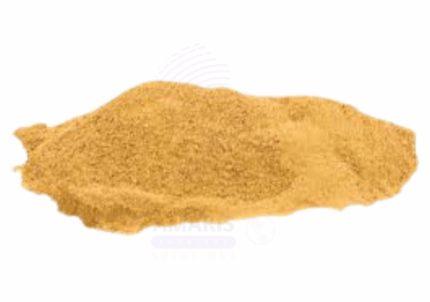
Apricot Powder
Apricot powder is a dehydrated, finely ground form of apricot fruit, retaining much of the natural flavor, aroma, and nutritional properties of fresh apricots. It is typically made by drying fresh apricots through spray drying, freeze drying, or drum drying, then milling into a fine powder. Apricot powder is rich in vitamins, minerals, dietary fiber, and antioxidants such as beta-carotene and vitamin C. It is widely used as a natural flavoring agent, colorant, and nutritional supplement in food and beverage products, as well as in cosmetics and dietary supplements. Its convenient powdered form allows for easy incorporation into dry mixes and processed goods without the perishability of fresh fruit.
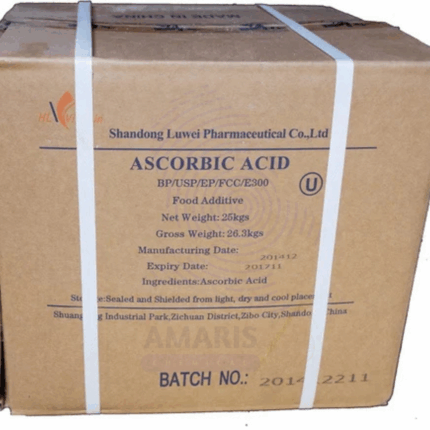
Ascorbic Acid
Ascorbic Acid, commonly known as Vitamin C, is a water-soluble vitamin and potent antioxidant essential for collagen synthesis, immune function, and protection against oxidative stress. It is widely used as a nutritional supplement, food preservative, and additive to enhance shelf life and nutritional value. Naturally present in citrus fruits and various vegetables, ascorbic acid is also important in pharmaceutical, cosmetic, and animal feed industries due to its health benefits and preservative qualities.
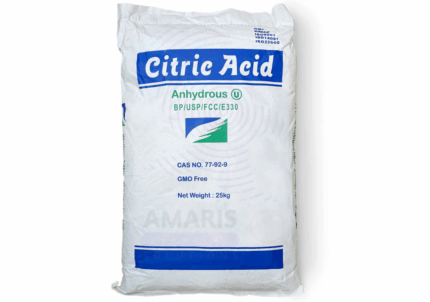
Citric Acid Anhydrous
Citric Acid Anhydrous is a white, crystalline organic acid widely used across food, pharmaceutical, cosmetic, and industrial sectors. It is the anhydrous form of citric acid, meaning it contains no water molecules in its crystal lattice, resulting in higher purity and more concentrated acidic properties compared to its monohydrate form. Derived from natural sources like citrus fruits or produced via microbial fermentation, citric acid anhydrous is valued for its sour taste, excellent chelating ability, and buffering capacity. It serves as a natural preservative, pH adjuster, antioxidant synergist, and cleaning agent, making it a versatile ingredient in many formulations.
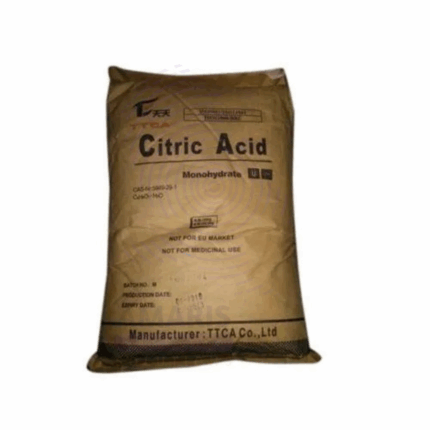
Citric Acid Monohydrate
Citric Acid Monohydrate is a white, crystalline powder or granule form of citric acid containing one molecule of water per molecule of acid. It is a natural organic acid commonly derived from citrus fruits or produced by fermentation processes. Citric Acid Monohydrate is widely used as an acidulant, preservative, and chelating agent in various industries. Compared to the anhydrous form, it has a slightly lower acid concentration due to the water molecule but offers excellent solubility and stability. It is prized for its sour flavor, buffering capacity, and ability to bind metal ions, making it indispensable in food, pharmaceutical, cosmetic, and industrial applications.
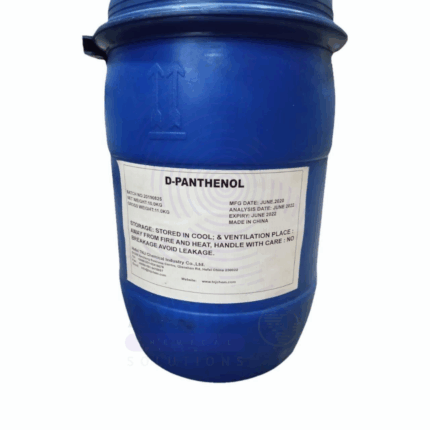
D-Panthenol USP
D-Panthenol USP, also known as Provitamin B5, is the dextrorotatory isomer of panthenol and is biologically active. It is a water-soluble, viscous, clear liquid with a slightly sweet odor and is widely used in pharmaceutical, cosmetic, personal care, and nutraceutical applications. D-Panthenol is the alcohol analog of pantothenic acid (Vitamin B5) and is converted into Vitamin B5 in the skin and body, where it plays a vital role in cellular metabolism and tissue repair. Its moisturizing, anti-inflammatory, and healing properties make it highly valuable across industries.
Ellagic Acid
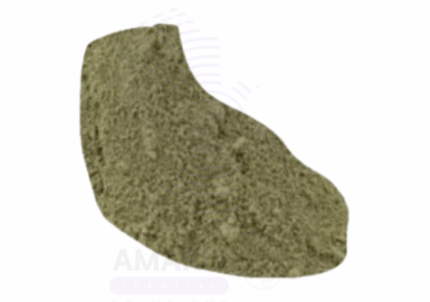
Ellagic Acid is a naturally occurring polyphenolic compound found in numerous fruits, nuts, and vegetables such as pomegranates, strawberries, raspberries, walnuts, and cranberries. It is a potent antioxidant known for its ability to scavenge free radicals and chelate metal ions. Due to its significant anti-inflammatory, anti-carcinogenic, and anti-viral properties, Ellagic Acid has gained extensive interest in pharmaceutical, nutraceutical, cosmetic, and food industries. It appears as a yellow to light brown crystalline powder, insoluble in water but soluble in organic solvents like ethanol and DMSO.
Terpeneless Dill Seed Oil
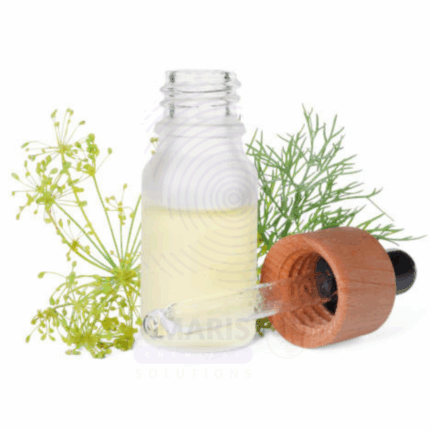
Terpeneless Dill Seed Oil is a refined essential oil obtained by removing the terpene fraction from dill seed (Anethum graveolens) oil. This process concentrates the oil’s delicate, sweet, and herbaceous aroma with subtle anise-like and citrusy notes, making it more stable and less prone to oxidation. Rich in carvone and other oxygenated compounds, Terpeneless Dill Seed Oil offers antimicrobial, antioxidant, and digestive support properties. It is valued in flavoring, fragrance, and therapeutic applications for its clean, mellow scent and enhanced shelf life.

Vitamin E Acetate Powder
Vitamin E Acetate Powder, also known as DL-Alpha-Tocopheryl Acetate Powder, is a dry, free-flowing, encapsulated form of Vitamin E, standardized to contain 50% of active DL-Alpha-Tocopheryl Acetate. It is designed for easy handling and uniform mixing in dry formulations and is ideal for use in nutritional supplements, fortified foods, and animal feed. The microencapsulation enhances stability against oxidation, heat, and light, ensuring long shelf life.












