

 Preservatives(food)
 Flavors
 Acidulants
 Sweeteners
 Antioxidants
 Colorants(food)
 Nutraceutical Ingredients (food)
 Nutrient Supplements
 Emulsifiers
 Collectors
 Dust Suppressants
 Explosives and Blasting Agents
 Flocculants and Coagulants
 Frothers
 Leaching Agents
 pH Modifiers
 Precious Metal Extraction Agents
 Antioxidants(plastic)
 Colorants (Pigments, Dyes)
 Fillers and Reinforcements
 Flame Retardants
 Monomers
 Plasticizers
 Polymerization Initiators
 Stabilizers (UV, Heat)
 Antifoaming Agents
 Chelating Agents
 Coagulants and Flocculants
 Corrosion Inhibitors
 Disinfectants and Biocides
 Oxidizing Agents
 pH Adjusters
 Scale Inhibitors( water)
 Antioxidants(cosmetic)
 Emollients
 Oils
Oils Carrier Oills
 Essential Oils
 Humectants
 Preservatives
 Surfactants(cosmetic)
 Thickeners
 UV Filters
 Fragrance (Cosmetics)
 Fertilizers
 Soil Conditioners
 Plant Growth Regulators
 Animal Feed Additives
 Biostimulants
 Pesticides (Herbicides, Insecticides, Fungicides)
 Active Pharmaceutical Ingredients (APIs)
 Excipients
 Solvents(pharmaceutical)
 Antibiotics
 Antiseptics and Disinfectants
 Vaccine Adjuvants
 Nutraceutical Ingredients (pharmaceutical)
 Analgesics & Antipyretics
 Analytical Reagents
 Solvents(lab)
 Chromatography Chemicals
 Spectroscopy Reagents
 microbiology-and-cell-culture-reagents
 Molecular Biology Reagents
 Biochemical Reagents
 Inorganic and Organic Standards
 Laboratory Safety Chemicals
 Specialty Laboratory Chemicals(Special Laboratory Equipment)
 Demulsifiers
 Hydraulic Fracturing Fluids
 Scale Inhibitors(oil)
 Surfactants(oil)
 Drilling Fluids
 Dyes and Pigments
 Bleaching Agents
 Softening Agents
 Finishing Agents
 Antistatic Agents
 Admixtures
 Waterproofing Agents
 Sealants and Adhesives
 Curing Compounds
 Concrete Repair Chemicals
 Anti-Corrosion Coatings
 Surfactants(cleaning)
 Builders
 Enzymes
 Solvents (Cleaning)
 Electronic Chemicals
 Catalysts
 Lubricants
 Photographic Chemicals
 Refrigerants
 Automotive chemicals
 Pyrotechnic Chemicals
 Biodegradable Surfactants
 Bio-based Solvents
 Renewable Polymers
 Carbon Capture Chemicals
 Wastewater Treatment Chemicals
 Pigments
 Solvents(paint)
 Specialty Coatings
 Binders/Resins
 Additives
 Driers
 Anti-Corrosion Agents
 Functional Coatings
 Application-Specific Coatings
 Leavening Agents
 Dough Conditioners
 Flour Treatments
 Fat Replacers
 Decoratives
 Preservatives(baking)
 Plasticizers & Softeners
 Reinforcing Agents
 Adhesion Promoters
 Vulcanizing Agents
 Antidegradants
 Blowing Agents
 Fillers & Extenders
 Accelerators & Retarders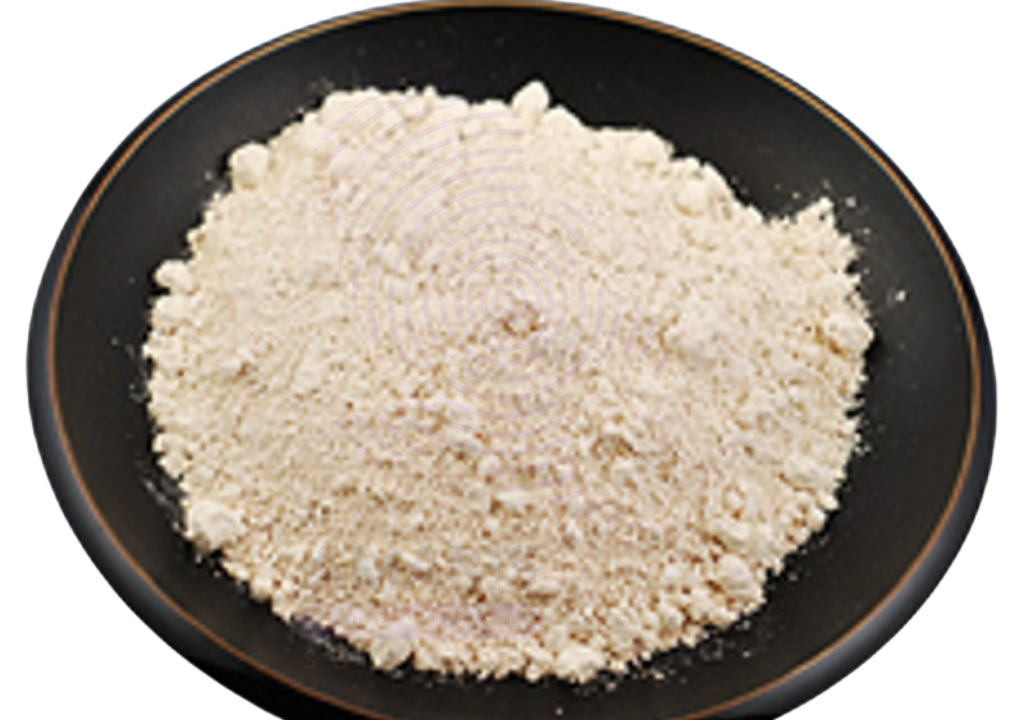

Silk Proteins
Silk Proteins are hydrolyzed proteins derived from natural silk fibers, typically composed of fibroin and sericin. They are water-soluble, bioactive compounds known for their excellent film-forming, moisture-retaining, and conditioning properties. Silk proteins are widely used in cosmetics, personal care products, pharmaceuticals, and textiles due to their biocompatibility, smooth texture, and ability to penetrate and protect surfaces like skin, hair, and fabric.
Silk Proteins
Primary Uses
- Cosmetics & Personal Care
- Used in shampoos, conditioners, and hair treatments for softness, shine, and improved manageability.
- Included in skincare formulations (creams, serums, lotions) to enhance hydration and skin smoothness.
- Forms a breathable, protective film on skin and hair to retain moisture.
- Applied in anti-aging products due to its amino acid content and skin-rejuvenating properties.
- Used in soaps and body washes for a silky lather and reduced dryness.
- Textile Industry
- Acts as a conditioning and softening agent in fabric finishing treatments.
- Enhances the strength and smoothness of natural and synthetic textiles.
- Applied in luxury fabrics and garments to improve luster and hand feel.
- Pharmaceuticals
- Used as a bio-compatible film former in wound dressings and topical formulations.
- Acts as a carrier for active pharmaceutical ingredients in controlled-release drug systems.
- Included in ocular preparations and hydrogels for enhanced biocompatibility.
- Hair Care Products
- Strengthens hair shafts and reduces breakage by binding to keratin.
- Used in hair dyes and bleaches to protect hair from chemical damage.
Secondary Uses
- Biomedical Applications
- Investigated for use in tissue engineering, scaffolds, and regenerative medicine due to its structural properties.
- Used in biodegradable microcapsules for drug delivery.
- Nutraceuticals & Supplements
- Hydrolyzed silk peptides are marketed as dietary supplements for hair, skin, and nail health.
- Coatings & Films
- Used in biodegradable films and coatings for packaging sensitive materials.
- Acts as a protective coating for food and pharmaceutical tablets.
- Printing & Paper
- Added to specialty papers to enhance surface texture and durability.
- Used in art paper for premium finishes and moisture resistance.
1. Basic Identification Attributes
- Chemical Name (IUPAC): Hydrolyzed fibroin and sericin proteins
- Common/Trade Name: Silk Proteins
- CAS Number: 96690-41-4 (for hydrolyzed silk protein)
- HS Code: 3504.00.00
- Synonyms: Hydrolyzed silk protein, silk amino acids, silk peptides
2. Physical & Chemical Properties
- Physical State: Liquid or powder (depending on form)
- Color & Odor: Pale yellow to amber (liquid), off-white (powder); faint characteristic odor
- Solubility: Soluble in water
- pH: Typically 4.5 – 7.5 (aqueous solution)
- Molecular Weight: Varies; silk peptides usually <10,000 Da
- Stability: Stable under normal storage conditions
3. Safety & Hazard Attributes
- GHS Classification: Not classified as hazardous
- Toxicity: Non-toxic and non-irritant at recommended concentrations
- Exposure Limits: No specific occupational exposure limits
- Allergenic Potential: Low, but patch testing is advised for sensitive individuals
4. Storage & Handling Attributes
- Storage Conditions: Store in a cool, dry place, protected from light and moisture
- Container Type: HDPE drums, fiber drums, or sealed foil bags (for powder)
- Shelf Life: 12–24 months if stored properly
- Handling Precautions: Use clean utensils to avoid contamination; avoid excessive heat
5. Regulatory & Compliance Attributes
- Complies with cosmetic regulations (e.g., EU Cosmetic Regulation, FDA Cosmetic Ingredient Review)
- Approved for use in personal care products under INCI: Hydrolyzed Silk
- Meets relevant purity standards for pharmaceutical excipients where applicable
- Produced in GMP-compliant or ISO-certified facilities (varies by supplier)
6. Environmental & Health Impact
- Biodegradability: Readily biodegradable
- Ecotoxicity: Low; safe for aquatic and terrestrial environments at typical use levels
- Bioaccumulation: Not expected
- Environmental Impact: Minimal when used in cosmetics or textiles; safe for rinse-off applications
Safety Handling Precautions
- PPE Required: Gloves and goggles recommended for bulk handling
- Handling Guidelines: Avoid inhalation of fine powders; ensure clean tools to prevent contamination
- Storage Measures: Keep containers tightly closed and stored in a dry environment
First Aid Measures
- Inhalation: Move to fresh air; seek medical attention if symptoms persist
- Skin Contact: Wash with soap and water; unlikely to cause irritation
- Eye Contact: Rinse with water; seek medical attention if irritation continues
- Ingestion: Rinse mouth; not expected to be harmful in small quantities
Firefighting Measures
- Fire Hazards: Non-flammable
- Extinguishing Media: Water spray, CO₂, dry chemical, or foam
- Special Precautions: Use protective equipment if fire involves packaging or other combustible materials
- Hazardous Combustion Products: Carbon oxides, nitrogen oxides
Related products
African Potato Extract
African Potato Extract is derived from the plant Hypoxis hemerocallidea, a medicinal plant native to southern Africa. It is commonly used in traditional African medicine for its anti-inflammatory, antioxidant, and immune-boosting properties. The active compound in the extract is hypoxoside, which is converted in the body to rooperol, a potent antioxidant. African Potato Extract is often used as a complementary treatment for conditions like arthritis, prostate issues, and certain infections, though scientific evidence on its effectiveness is still limited.
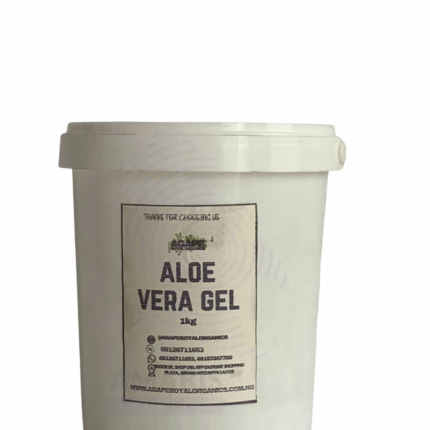
Aloe Vera Gel
Aloe Vera Gel is a clear, jelly-like substance extracted from the inner leaf of the Aloe vera plant. It is widely used in skincare for its soothing, hydrating, and healing properties. Rich in vitamins (especially A, C, and E), enzymes, and amino acids, Aloe Vera Gel is commonly applied to treat sunburns, minor cuts, skin irritation, and dryness. It also has mild anti-inflammatory and antibacterial effects, making it a popular natural remedy in both cosmetic and medicinal products.
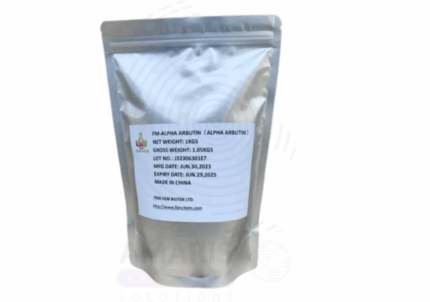
Alpha Arbutin
Alpha Arbutin is a biosynthetic active ingredient derived from hydroquinone and glucose. It is widely used in cosmetic and skincare formulations for its skin-brightening and spot-reducing properties. Alpha Arbutin inhibits tyrosinase, an enzyme involved in melanin production, thereby helping to reduce pigmentation, dark spots, and uneven skin tone. It is more stable and effective than its beta counterpart and is suitable for all skin types, including sensitive skin.
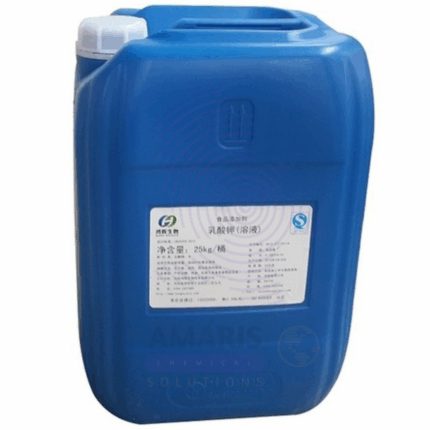
Ammonium Lactate
Ammonium Lactate is the ammonium salt of lactic acid, appearing as a clear, hygroscopic liquid or syrupy solution. It is widely used in pharmaceutical, cosmetic, and food industries primarily for its moisturizing, pH adjusting, and antimicrobial properties. In topical formulations, it acts as a keratolytic agent to help exfoliate and hydrate skin, making it popular in treatments for dry, scaly, or ichthyotic skin conditions. Its biocompatibility and mild acidic nature make it a versatile ingredient in various industrial and personal care products.
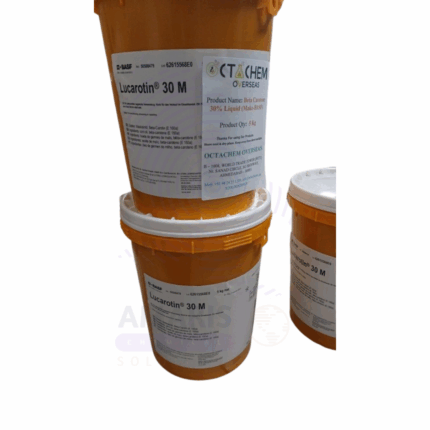
Beta Carotene
Beta Carotene is a concentrated formulation of beta carotene, a naturally occurring red-orange pigment found in plants and fruits. It is a precursor to vitamin A and a potent antioxidant that helps protect cells from oxidative damage. This product, typically suspended in an oil base or suitable carrier, is widely used as a natural colorant, nutritional supplement, and cosmetic ingredient. Beta Carotene 30% SUN offers enhanced stability under sunlight exposure, making it ideal for food, feed, and cosmetic applications where light stability is critical.

Derminol Liquor
Derminol Liquor is a high-performance fatliquor used in the leather tanning industry, specifically during the retanning and fatliquoring stages of wet-end leather processing. It is an emulsified blend of synthetic, semi-synthetic, or natural-based oils designed to impart softness, flexibility, and lubricity to leathers. Derminol Liquor provides deep penetration, excellent grain lubrication, uniform softness, and high lightfastness. It is compatible with both chrome-tanned and vegetable-tanned leathers. Derminol Liquor enhances leather feel, milling behavior, and aging resistance, and can be used alone or in combination with other fatliquors to achieve specific leather characteristics. It also contributes to environmental compliance by offering low BOD/COD values in effluents.
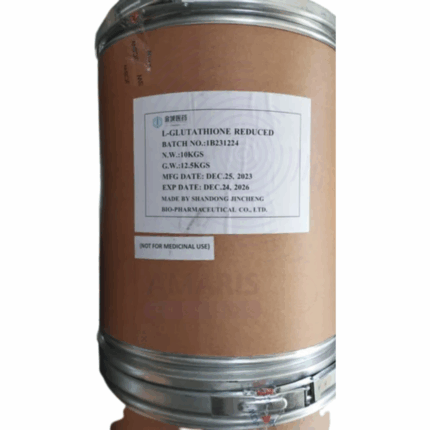
L-Glutathione Reduced
L-Glutathione Reduced is a tripeptide composed of glutamine, cysteine, and glycine, present in cells as a vital antioxidant. It appears as a white to off-white crystalline powder and plays a key role in protecting cells from oxidative stress by neutralizing free radicals and reactive oxygen species. Reduced glutathione (GSH) is the active form that participates in cellular detoxification, immune support, and regeneration of other antioxidants. It is widely used in pharmaceutical, cosmetic, and food industries due to its potent antioxidant properties and skin-brightening effects.

Zinc Pyrithione
Zinc Pyrithione is a high-purity antimicrobial and antifungal compound derived from the coordination of zinc with pyrithione (1-hydroxy-2-pyridinethione). It is widely used as an active ingredient in personal care formulations, industrial coatings, and materials preservation due to its broad-spectrum biocidal efficacy against bacteria, fungi, and algae. Its excellent thermal stability and compatibility with various systems make it ideal for diverse industrial and cosmetic applications.












