

 Preservatives(food)
 Flavors
 Acidulants
 Sweeteners
 Antioxidants
 Colorants(food)
 Nutraceutical Ingredients (food)
 Nutrient Supplements
 Emulsifiers
 Collectors
 Dust Suppressants
 Explosives and Blasting Agents
 Flocculants and Coagulants
 Frothers
 Leaching Agents
 pH Modifiers
 Precious Metal Extraction Agents
 Antioxidants(plastic)
 Colorants (Pigments, Dyes)
 Fillers and Reinforcements
 Flame Retardants
 Monomers
 Plasticizers
 Polymerization Initiators
 Stabilizers (UV, Heat)
 Antifoaming Agents
 Chelating Agents
 Coagulants and Flocculants
 Corrosion Inhibitors
 Disinfectants and Biocides
 Oxidizing Agents
 pH Adjusters
 Scale Inhibitors( water)
 Antioxidants(cosmetic)
 Emollients
 Oils
Oils Carrier Oills
 Essential Oils
 Humectants
 Preservatives
 Surfactants(cosmetic)
 Thickeners
 UV Filters
 Fragrance (Cosmetics)
 Fertilizers
 Soil Conditioners
 Plant Growth Regulators
 Animal Feed Additives
 Biostimulants
 Pesticides (Herbicides, Insecticides, Fungicides)
 Active Pharmaceutical Ingredients (APIs)
 Excipients
 Solvents(pharmaceutical)
 Antibiotics
 Antiseptics and Disinfectants
 Vaccine Adjuvants
 Nutraceutical Ingredients (pharmaceutical)
 Analgesics & Antipyretics
 Analytical Reagents
 Solvents(lab)
 Chromatography Chemicals
 Spectroscopy Reagents
 microbiology-and-cell-culture-reagents
 Molecular Biology Reagents
 Biochemical Reagents
 Inorganic and Organic Standards
 Laboratory Safety Chemicals
 Specialty Laboratory Chemicals(Special Laboratory Equipment)
 Demulsifiers
 Hydraulic Fracturing Fluids
 Scale Inhibitors(oil)
 Surfactants(oil)
 Drilling Fluids
 Dyes and Pigments
 Bleaching Agents
 Softening Agents
 Finishing Agents
 Antistatic Agents
 Admixtures
 Waterproofing Agents
 Sealants and Adhesives
 Curing Compounds
 Concrete Repair Chemicals
 Anti-Corrosion Coatings
 Surfactants(cleaning)
 Builders
 Enzymes
 Solvents (Cleaning)
 Electronic Chemicals
 Catalysts
 Lubricants
 Photographic Chemicals
 Refrigerants
 Automotive chemicals
 Pyrotechnic Chemicals
 Biodegradable Surfactants
 Bio-based Solvents
 Renewable Polymers
 Carbon Capture Chemicals
 Wastewater Treatment Chemicals
 Pigments
 Solvents(paint)
 Specialty Coatings
 Binders/Resins
 Additives
 Driers
 Anti-Corrosion Agents
 Functional Coatings
 Application-Specific Coatings
 Leavening Agents
 Dough Conditioners
 Flour Treatments
 Fat Replacers
 Decoratives
 Preservatives(baking)
 Plasticizers & Softeners
 Reinforcing Agents
 Adhesion Promoters
 Vulcanizing Agents
 Antidegradants
 Blowing Agents
 Fillers & Extenders
 Accelerators & Retarders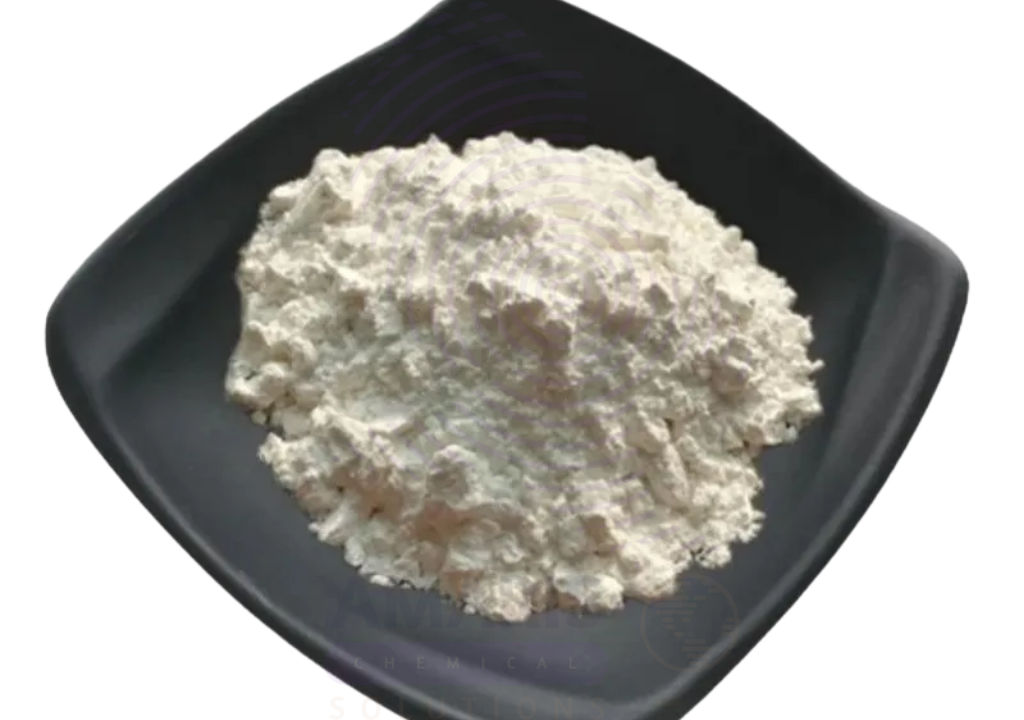

Phloretin
Phloretin is a natural dihydrochalcone flavonoid primarily extracted from apple tree leaves and other fruit sources. It is recognized for its potent antioxidant properties and its ability to inhibit melanin synthesis, making it highly valued in cosmetic and pharmaceutical industries. Phloretin is a yellowish crystalline powder with low solubility in water but good solubility in organic solvents. It is widely used in skincare formulations for its skin-brightening, anti-aging, and anti-inflammatory benefits.
Phloretin
Primary Uses
- Cosmetics and Skincare
- Used as a skin-brightening agent to reduce hyperpigmentation and age spots.
- Acts as an antioxidant protecting skin cells from free radical damage.
- Incorporated in anti-aging formulations to improve skin texture and elasticity.
- Helps inhibit melanin production, making it effective in treating melasma and uneven skin tone.
- Pharmaceuticals and Nutraceuticals
- Studied for its anti-inflammatory and potential anticancer properties.
- Used in supplements aimed at reducing oxidative stress.
- Research and Development
- Employed in laboratory studies investigating antioxidant mechanisms and skin-related disorders.
Secondary Uses
- Food Industry
- Investigated as a natural preservative due to its antioxidant effects (limited use).
- Agriculture
- Used experimentally for plant health due to its antifungal properties.
1. Basic Identification Attributes
- Chemical Name (IUPAC): 3-(4-Hydroxyphenyl)-1-(2,4,6-trihydroxyphenyl)propan-1-one
- Common/Trade Name: Phloretin
- CAS Number: 60-82-2
- HS Code: 2934.99.90
- Synonyms: Dihydrochalcone, Apple flavonoid
2. Physical & Chemical Properties
- Physical State: Crystalline powder
- Color & Odor: Yellow powder; odorless to slight phenolic scent
- Solubility: Poorly soluble in water; soluble in ethanol and DMSO
- Melting Point: 218–221°C
3. Safety & Hazard Attributes
- GHS Classification: Not classified as hazardous at typical use levels
- Toxicity: Low toxicity; minimal irritation potential
- Exposure Limits: No established occupational limits
4. Storage & Handling Attributes
- Storage Conditions: Store in a cool, dry place away from light and moisture
- Container Type: Sealed glass or plastic containers
- Shelf Life: 2 years if stored properly
- Handling Precautions: Avoid dust formation and inhalation
5. Regulatory & Compliance Attributes
- Complies with cosmetic ingredient standards
- Registered as a natural ingredient in cosmetic and nutraceutical databases
6. Environmental & Health Impact
- Biodegradability: Biodegradable
- Ecotoxicity: Low environmental impact
- Bioaccumulation: Not expected to bioaccumulate
- Safety: Considered safe with standard precautions
Safety Handling Precautions
- PPE Required: Gloves and dust mask recommended
- Handling Guidelines: Use in well-ventilated areas; avoid inhalation of powder
- Storage Measures: Keep containers tightly closed and stored in a dry environment
First Aid Measures
- Inhalation: Move to fresh air; seek medical advice if irritation occurs
- Skin Contact: Wash with soap and water
- Eye Contact: Rinse with water for at least 15 minutes; seek medical attention if irritation persists
- Ingestion: Rinse mouth; seek medical advice if discomfort occurs
Firefighting Measures
- Fire Hazards: Combustible powder
- Extinguishing Media: Use water spray, foam, or dry chemical extinguishers
- Special Precautions: Avoid dust clouds which may be explosive
- Hazardous Combustion Products: Carbon oxides and phenolic compounds
Related products
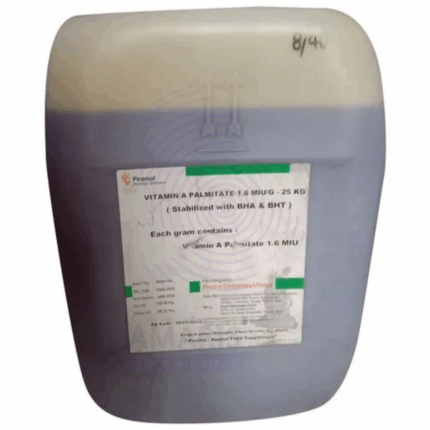
Powdered Vitamin A Palmitate
Powdered Vitamin A Palmitate is a stable, fat-soluble ester of vitamin A widely used as a dietary supplement and food fortification ingredient. It is an essential nutrient important for vision, immune function, skin health, and cellular growth. The powdered form offers ease of handling and incorporation into various food, pharmaceutical, and cosmetic products due to its stability and bioavailability.

Powdered Vitamin A Palmitate Extra Pure
Powdered Vitamin A Palmitate Extra Pure is a stabilized form of Vitamin A in fine powder form, offering excellent bioavailability and long shelf life. This compound is widely used in nutritional supplements, fortified foods, and cosmetics for its essential role in supporting vision, immune health, and skin regeneration. Its extra pure grade makes it highly suitable for precise formulation in pharmaceuticals and research-grade preparations. Additionally, it's favored in cosmetic formulations for anti-aging and skin-repair treatments due to its potent antioxidant and cell-regenerative properties.
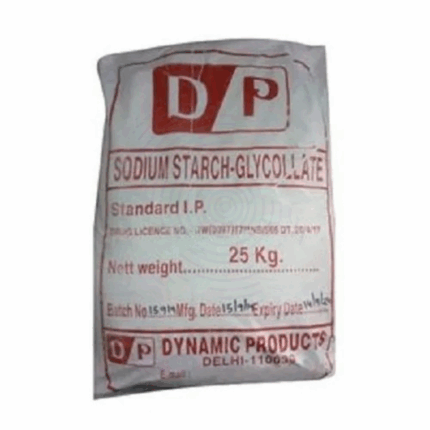
Sodium Starch Glycolate
Sodium Starch Glycolate (SSG) is a white to off-white, odorless, tasteless powder derived from potato or maize starch and chemically modified with carboxymethylation and cross-linking. It has the chemical formula (C₆H₁₀O₅)nNa and is widely used in solid dosage pharmaceutical formulations as a superdisintegrant. This 25kg grade is supplied in high-purity pharmaceutical and food-grade quality, offering excellent swelling capacity and rapid disintegration properties even at low concentrations.
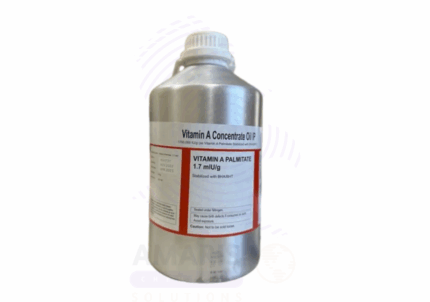
Vitamin A Palmitate
Vitamin A Palmitate is a highly concentrated, stable ester form of vitamin A used extensively in pharmaceuticals, nutraceuticals, cosmetics, and food fortification. This fat-soluble vitamin supports vision, immune function, skin health, and cellular growth. The palmitate ester enhances stability and shelf life, making it ideal for incorporation into powders, capsules, and topical formulations requiring precise dosing.

Vitamin B12( Cyanocobalamin)
Vitamin B12 Cyanocobalamin BP is a pharmaceutical-grade form of vitamin B12, standardized according to the British Pharmacopoeia (BP). It is an essential nutrient involved in red blood cell formation, neurological function, and DNA synthesis. This stable, synthetic cyanocobalamin is widely used in pharmaceuticals, nutraceuticals, and fortified foods to prevent and treat vitamin B12 deficiency.
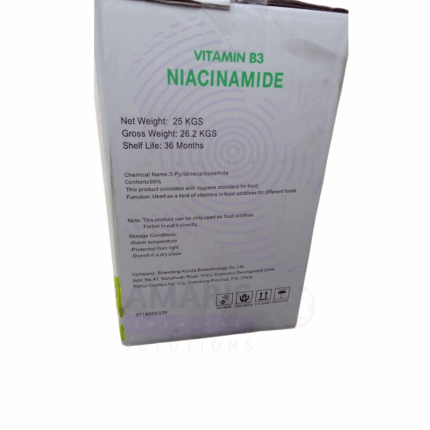
Vitamin B3 (Niacin)
Vitamin B3 Niacin, also known as Niacin or Nicotinic Acid, is a water-soluble vitamin essential for energy metabolism and enzymatic reactions in the body. It plays a key role in the synthesis of coenzymes NAD and NADP, which are critical for cellular respiration and DNA repair. Niacin is widely used in pharmaceuticals, nutraceuticals, food fortification, and animal nutrition to prevent niacin deficiency and support overall health.
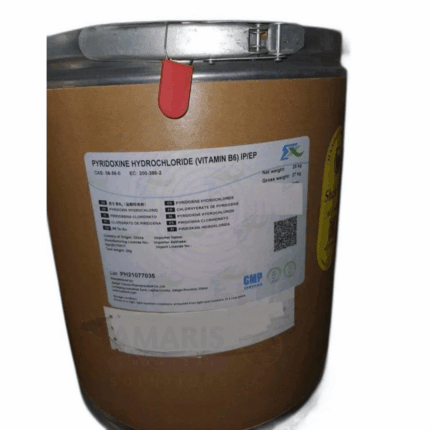
Vitamin B6 (Pyridoxine HCL)
Vitamin B6 Pyridoxine HCL, also known as Pyridoxine Hydrochloride, is a water-soluble form of vitamin B6 used extensively in the pharmaceutical, food, and feed industries. It is essential for protein metabolism, neurotransmitter synthesis, red blood cell formation, and immune function. As a stable and bioavailable form of B6, it is widely incorporated in dietary supplements, fortified foods, clinical nutrition, and animal feed.

Vitamin E Acetate Powder
Vitamin E Acetate Powder, also known as DL-Alpha-Tocopheryl Acetate Powder, is a dry, free-flowing, encapsulated form of Vitamin E, standardized to contain 50% of active DL-Alpha-Tocopheryl Acetate. It is designed for easy handling and uniform mixing in dry formulations and is ideal for use in nutritional supplements, fortified foods, and animal feed. The microencapsulation enhances stability against oxidation, heat, and light, ensuring long shelf life.












