

 Preservatives(food)
 Flavors
 Acidulants
 Sweeteners
 Antioxidants
 Colorants(food)
 Nutraceutical Ingredients (food)
 Nutrient Supplements
 Emulsifiers
 Collectors
 Dust Suppressants
 Explosives and Blasting Agents
 Flocculants and Coagulants
 Frothers
 Leaching Agents
 pH Modifiers
 Precious Metal Extraction Agents
 Antioxidants(plastic)
 Colorants (Pigments, Dyes)
 Fillers and Reinforcements
 Flame Retardants
 Monomers
 Plasticizers
 Polymerization Initiators
 Stabilizers (UV, Heat)
 Antifoaming Agents
 Chelating Agents
 Coagulants and Flocculants
 Corrosion Inhibitors
 Disinfectants and Biocides
 Oxidizing Agents
 pH Adjusters
 Scale Inhibitors( water)
 Antioxidants(cosmetic)
 Emollients
 Oils
Oils Carrier Oills
 Essential Oils
 Humectants
 Preservatives
 Surfactants(cosmetic)
 Thickeners
 UV Filters
 Fragrance (Cosmetics)
 Fertilizers
 Soil Conditioners
 Plant Growth Regulators
 Animal Feed Additives
 Biostimulants
 Pesticides (Herbicides, Insecticides, Fungicides)
 Active Pharmaceutical Ingredients (APIs)
 Excipients
 Solvents(pharmaceutical)
 Antibiotics
 Antiseptics and Disinfectants
 Vaccine Adjuvants
 Nutraceutical Ingredients (pharmaceutical)
 Analgesics & Antipyretics
 Analytical Reagents
 Solvents(lab)
 Chromatography Chemicals
 Spectroscopy Reagents
 microbiology-and-cell-culture-reagents
 Molecular Biology Reagents
 Biochemical Reagents
 Inorganic and Organic Standards
 Laboratory Safety Chemicals
 Specialty Laboratory Chemicals(Special Laboratory Equipment)
 Demulsifiers
 Hydraulic Fracturing Fluids
 Scale Inhibitors(oil)
 Surfactants(oil)
 Drilling Fluids
 Dyes and Pigments
 Bleaching Agents
 Softening Agents
 Finishing Agents
 Antistatic Agents
 Admixtures
 Waterproofing Agents
 Sealants and Adhesives
 Curing Compounds
 Concrete Repair Chemicals
 Anti-Corrosion Coatings
 Surfactants(cleaning)
 Builders
 Enzymes
 Solvents (Cleaning)
 Electronic Chemicals
 Catalysts
 Lubricants
 Photographic Chemicals
 Refrigerants
 Automotive chemicals
 Pyrotechnic Chemicals
 Biodegradable Surfactants
 Bio-based Solvents
 Renewable Polymers
 Carbon Capture Chemicals
 Wastewater Treatment Chemicals
 Pigments
 Solvents(paint)
 Specialty Coatings
 Binders/Resins
 Additives
 Driers
 Anti-Corrosion Agents
 Functional Coatings
 Application-Specific Coatings
 Leavening Agents
 Dough Conditioners
 Flour Treatments
 Fat Replacers
 Decoratives
 Preservatives(baking)
 Plasticizers & Softeners
 Reinforcing Agents
 Adhesion Promoters
 Vulcanizing Agents
 Antidegradants
 Blowing Agents
 Fillers & Extenders
 Accelerators & Retarders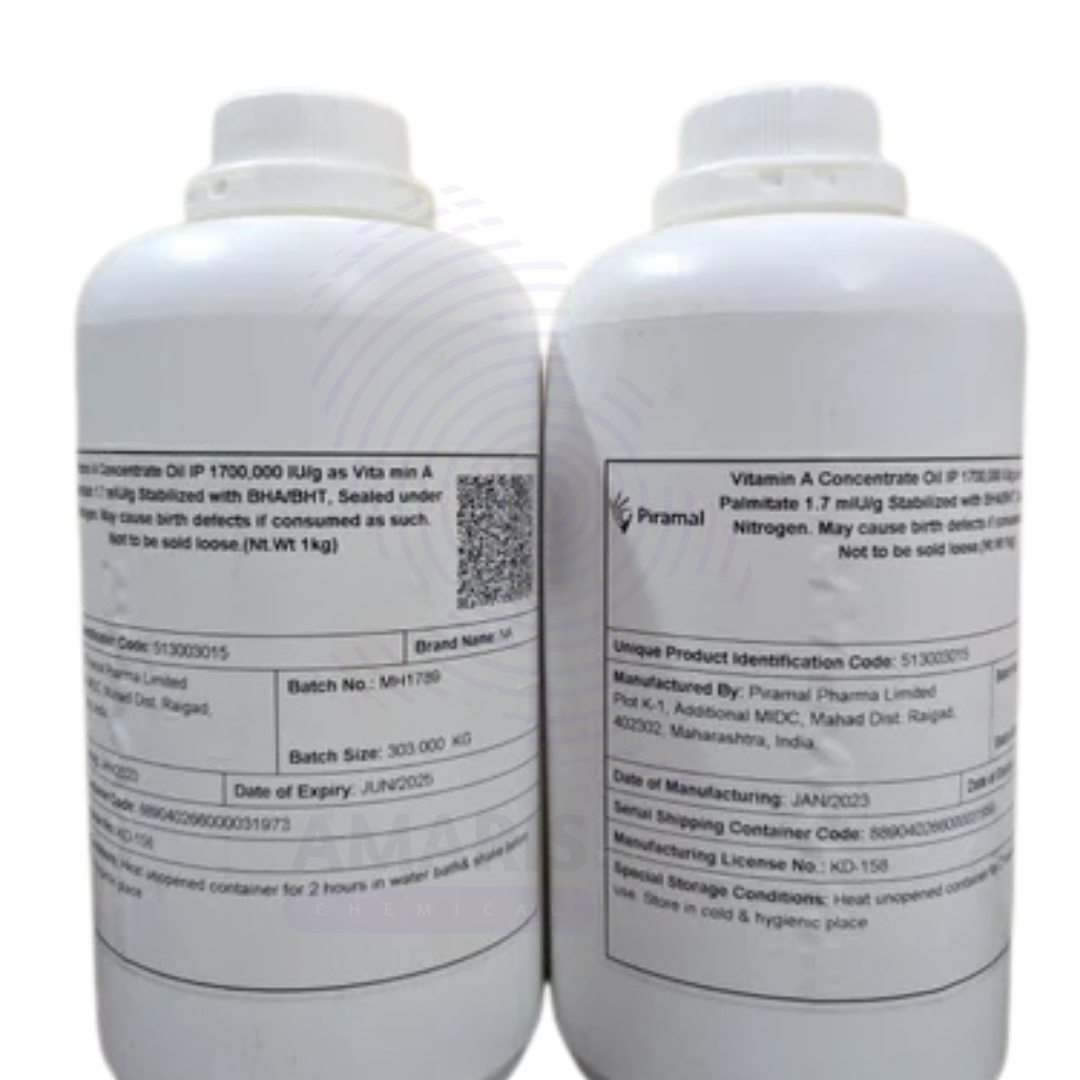


Powdered Vitamin A Palmitate Extra Pure
Original price was: $ 17.25.$ 17.12Current price is: $ 17.12.
Powdered Vitamin A Palmitate Extra Pure is a stabilized form of Vitamin A in fine powder form, offering excellent bioavailability and long shelf life. This compound is widely used in nutritional supplements, fortified foods, and cosmetics for its essential role in supporting vision, immune health, and skin regeneration. Its extra pure grade makes it highly suitable for precise formulation in pharmaceuticals and research-grade preparations. Additionally, it’s favored in cosmetic formulations for anti-aging and skin-repair treatments due to its potent antioxidant and cell-regenerative properties.
Powdered Vitamin A Palmitate Extra Pure
PRIMARY USES
- Nutritional Supplements
- Used as a source of Vitamin A in dietary supplements and fortified foods.
- Essential for vision, immune function, skin health, and reproduction.
- Commonly added to infant formulas, milk powders, cereals, and multivitamin blends.
- Pharmaceutical Applications
- Incorporated into topical ointments and capsules for treating Vitamin A deficiency.
- Aids in epithelial tissue repair, and may be used in dermatological preparations for acne or skin rejuvenation.
SECONDARY USES
- Cosmetic & Skincare Formulations
- Used in anti-aging creams, serums, and lotions for its role in promoting cell turnover and collagen synthesis.
- Acts as a skin conditioning agent with antioxidant properties.
- Animal Feed Fortification
- Included in premixes for livestock and poultry to ensure proper growth, immune defense, and reproduction.
- Research & Laboratory Use
- Applied in biochemical studies involving fat-soluble vitamin metabolism or antioxidant behavior.
1. Basic Identification Attributes
- Chemical Name: Retinyl Palmitate (Vitamin A Palmitate)
- CAS Number: 79-81-2
- HS Code: 2936.10.00
- Molecular Formula: C₃₆H₆₀O₂
- Synonyms:
- Retinol palmitate
- All-trans-retinyl palmitate
- Vitamin A ester
- Retinol hexadecanoate
2. Physical & Chemical Properties
- Physical State: Powder (commonly mixed with carriers like starch or gelatin for stability)
- Color & Odor: Yellow to yellow-orange; mild odor
- Boiling Point & Melting Point:
- Melting Point: ~28–30 °C (pure ester)
- Boiling Point: Decomposes before boiling
- Density/Specific Gravity: ~0.94–0.97 g/cm³ (oil form); varies when powdered with carriers
- Solubility:
- Insoluble in water
- Soluble in fats and organic solvents (e.g., ethanol, chloroform)
- pH Level: Not applicable (non-aqueous compound)
- Vapor Pressure & Volatility: Very low volatility
- Flash Point: >100 °C (typically for oil form)
- Autoignition Temperature: Not readily available
- Viscosity: Not applicable in powder form
3. Safety & Hazard Attributes
- Hazard Class (GHS Classification):
- Not classified as hazardous under GHS for normal handling
- May cause mild skin or eye irritation in dust form
- NFPA Ratings:
- Health: 1
- Flammability: 1
- Reactivity: 0
- Exposure Limits:
- No established OSHA/ACGIH limits for retinyl palmitate
- General good hygiene practices advised
- Reactivity:
- Stable under normal storage
- Sensitive to light, air, and heat (oxidizes easily)
4. Storage & Handling Attributes
- Storage Conditions:
- Store in airtight, light-resistant containers
- Cool, dry, dark place (preferably below 25°C)
- Incompatible Materials:
- Oxidizing agents, acids, bases
- Container Type:
- Amber glass or HDPE container with oxygen barriers
- Shelf Life & Expiration Date:
- Typically 12–24 months if properly stored
- Special Handling Requirements:
- Use gloves, avoid inhaling dust
- Minimize exposure to light and oxygen
5. Regulatory & Compliance Attributes
- Regulatory Status:
- Approved by FDA (as GRAS) for food and supplement use
- Listed in REACH, TSCA, EFSA, and other chemical inventories
- Hazard Symbols (GHS Pictograms):
- None required under typical usage
- Transportation Restrictions:
- Not classified as hazardous for transport
- Waste Disposal Method:
- Dispose of according to local regulations
- Avoid release into drains or natural waters
6. Environmental & Health Impact
- Ecotoxicity:
- Low environmental impact in normal quantities
- Degrades with sunlight and microbial activity
- Persistence in Environment:
- Biodegradable but photo-sensitive
- Carcinogenicity/Mutagenicity:
- Not classified as carcinogenic
- High doses may cause toxicity (hypervitaminosis A) in humans
- Biodegradability:
- Readily biodegradable under normal environmental conditions
SAFETY PRECAUTIONS
Personal Protective Equipment (PPE):
- Laboratory coat or chemical-resistant clothing
- Nitrile gloves (check for integrity before use)
- Safety goggles or face shield
- Dust mask or particulate respirator if airborne powder is present
Handling:
- Handle in a well-ventilated area
- Avoid breathing dust and prevent contact with skin, eyes, and clothing
- Minimize dust generation and accumulation
- Use tools to avoid direct contact
- Practice good hygiene — wash thoroughly after handling
Storage:
- Store in a cool, dry, dark place away from heat and light
- Keep container tightly closed
- Store under nitrogen or in light-resistant containers to prevent degradation
- Avoid exposure to air and humidity
FIRST AID MEASURES
Inhalation:
- Move to fresh air immediately
- Keep warm and at rest
- Seek medical attention if irritation or discomfort persists
Skin Contact:
- Wash skin thoroughly with soap and water
- Remove contaminated clothing and shoes
- Seek medical attention if redness or irritation occurs
Eye Contact:
- Rinse immediately with plenty of water for at least 15 minutes
- Hold eyelids apart during rinsing
- Seek prompt medical attention if irritation persists
Ingestion:
- Rinse mouth with water (only if conscious)
- Do not induce vomiting unless instructed by medical personnel
- Seek medical advice, especially if large amounts are ingested
FIRE FIGHTING MEASURES
Flammability:
- Combustible — may ignite if exposed to heat or flame
Extinguishing Media:
- Use water spray, carbon dioxide, dry chemical, or foam
- Avoid high-pressure water that may spread the powder
Hazardous Combustion Products:
- Carbon oxides (CO, CO₂), and other toxic fumes may form
Firefighter Protection:
- Wear self-contained breathing apparatus (SCBA) and full protective gear
- Avoid inhalation of combustion gases
- Use caution — product may become slippery when wet
Related products
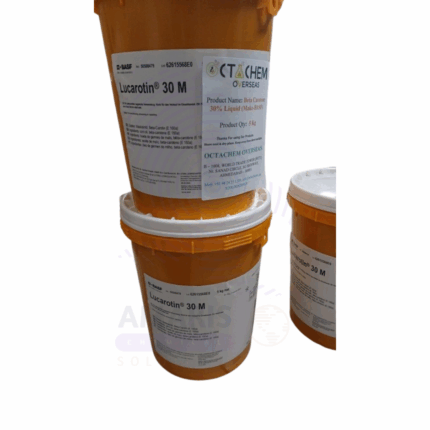
Beta Carotene
Beta Carotene is a concentrated formulation of beta carotene, a naturally occurring red-orange pigment found in plants and fruits. It is a precursor to vitamin A and a potent antioxidant that helps protect cells from oxidative damage. This product, typically suspended in an oil base or suitable carrier, is widely used as a natural colorant, nutritional supplement, and cosmetic ingredient. Beta Carotene 30% SUN offers enhanced stability under sunlight exposure, making it ideal for food, feed, and cosmetic applications where light stability is critical.
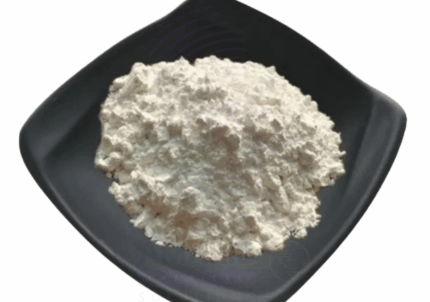
Phloretin
Phloretin is a natural dihydrochalcone flavonoid primarily extracted from apple tree leaves and other fruit sources. It is recognized for its potent antioxidant properties and its ability to inhibit melanin synthesis, making it highly valued in cosmetic and pharmaceutical industries. Phloretin is a yellowish crystalline powder with low solubility in water but good solubility in organic solvents. It is widely used in skincare formulations for its skin-brightening, anti-aging, and anti-inflammatory benefits.
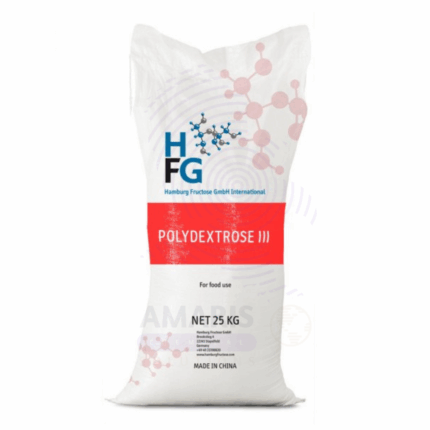
Polydextrose
Polydextrose is a synthetic, highly branched polymer of glucose used primarily as a soluble dietary fiber, bulking agent, and low-calorie sweetener. It is produced through the polycondensation of dextrose with sorbitol and citric acid. Polydextrose offers numerous health and functional benefits, such as improving texture, replacing sugar or fat, and supporting digestive health. It is extensively used in food, beverages, pharmaceuticals, and nutraceuticals for its fiber enrichment properties and technological versatility.
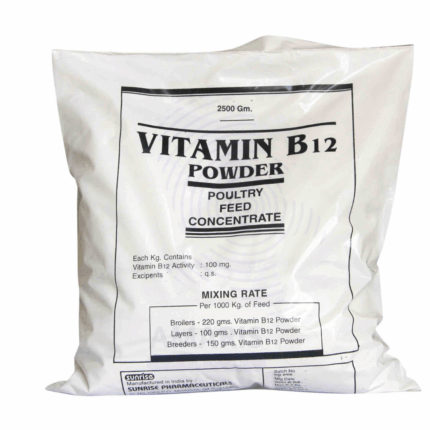
Vitamin B12 USP32
Vitamin B12 USP32 is a pharmaceutical-grade, water-soluble vitamin essential for red blood cell formation, neurological function, and DNA synthesis. This product meets the United States Pharmacopeia (USP) 32 standards, ensuring high purity and quality suitable for pharmaceutical and nutraceutical applications. Vitamin B12 USP32 is commonly supplied as cyanocobalamin or hydroxocobalamin forms, used in injections, tablets, and fortified food products.

Vitamin B12( Cyanocobalamin)
Vitamin B12 Cyanocobalamin BP is a pharmaceutical-grade form of vitamin B12, standardized according to the British Pharmacopoeia (BP). It is an essential nutrient involved in red blood cell formation, neurological function, and DNA synthesis. This stable, synthetic cyanocobalamin is widely used in pharmaceuticals, nutraceuticals, and fortified foods to prevent and treat vitamin B12 deficiency.
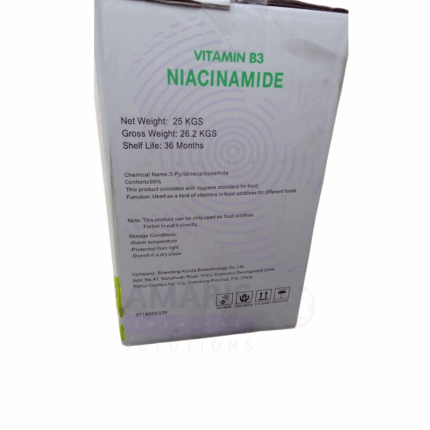
Vitamin B3 (Niacin)
Vitamin B3 Niacin, also known as Niacin or Nicotinic Acid, is a water-soluble vitamin essential for energy metabolism and enzymatic reactions in the body. It plays a key role in the synthesis of coenzymes NAD and NADP, which are critical for cellular respiration and DNA repair. Niacin is widely used in pharmaceuticals, nutraceuticals, food fortification, and animal nutrition to prevent niacin deficiency and support overall health.
Vitamin B5 (d-pantothenate)
Vitamin B5 d-pantothenate, commonly referred to as D-Pantothenate, is the biologically active, water-soluble form of pantothenic acid. It is an essential nutrient involved in the synthesis of coenzyme A (CoA), critical for fatty acid metabolism and energy production. D-Pantothenate is used across pharmaceuticals, food, feed, cosmetics, and nutraceuticals due to its stability, bioavailability, and broad health benefits.
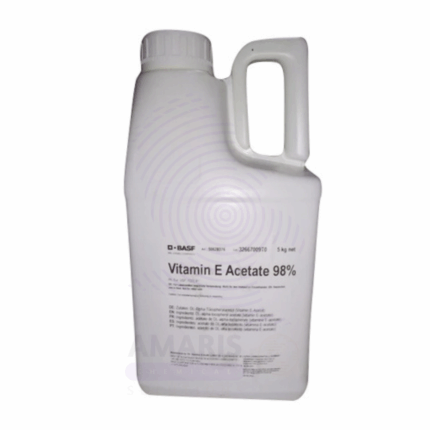
Vitamin E Acetate Oily
Vitamin E Acetate Oily, also known as DL-Alpha-Tocopheryl Acetate, is a synthetic, oil-soluble form of Vitamin E with high purity and exceptional oxidative stability. This viscous liquid is ideal for applications requiring direct incorporation into oil-based systems such as soft gel capsules, cosmetic formulations, and fortified edible oils. Its stability under processing and storage conditions makes it a preferred form of Vitamin E for nutritional, pharmaceutical, cosmetic, and food-grade applications.












