

 Preservatives(food)
 Flavors
 Acidulants
 Sweeteners
 Antioxidants
 Colorants(food)
 Nutraceutical Ingredients (food)
 Nutrient Supplements
 Emulsifiers
 Collectors
 Dust Suppressants
 Explosives and Blasting Agents
 Flocculants and Coagulants
 Frothers
 Leaching Agents
 pH Modifiers
 Precious Metal Extraction Agents
 Antioxidants(plastic)
 Colorants (Pigments, Dyes)
 Fillers and Reinforcements
 Flame Retardants
 Monomers
 Plasticizers
 Polymerization Initiators
 Stabilizers (UV, Heat)
 Antifoaming Agents
 Chelating Agents
 Coagulants and Flocculants
 Corrosion Inhibitors
 Disinfectants and Biocides
 Oxidizing Agents
 pH Adjusters
 Scale Inhibitors( water)
 Antioxidants(cosmetic)
 Emollients
 Oils
Oils Carrier Oills
 Essential Oils
 Humectants
 Preservatives
 Surfactants(cosmetic)
 Thickeners
 UV Filters
 Fragrance (Cosmetics)
 Fertilizers
 Soil Conditioners
 Plant Growth Regulators
 Animal Feed Additives
 Biostimulants
 Pesticides (Herbicides, Insecticides, Fungicides)
 Active Pharmaceutical Ingredients (APIs)
 Excipients
 Solvents(pharmaceutical)
 Antibiotics
 Antiseptics and Disinfectants
 Vaccine Adjuvants
 Nutraceutical Ingredients (pharmaceutical)
 Analgesics & Antipyretics
 Analytical Reagents
 Solvents(lab)
 Chromatography Chemicals
 Spectroscopy Reagents
 microbiology-and-cell-culture-reagents
 Molecular Biology Reagents
 Biochemical Reagents
 Inorganic and Organic Standards
 Laboratory Safety Chemicals
 Specialty Laboratory Chemicals(Special Laboratory Equipment)
 Demulsifiers
 Hydraulic Fracturing Fluids
 Scale Inhibitors(oil)
 Surfactants(oil)
 Drilling Fluids
 Dyes and Pigments
 Bleaching Agents
 Softening Agents
 Finishing Agents
 Antistatic Agents
 Admixtures
 Waterproofing Agents
 Sealants and Adhesives
 Curing Compounds
 Concrete Repair Chemicals
 Anti-Corrosion Coatings
 Surfactants(cleaning)
 Builders
 Enzymes
 Solvents (Cleaning)
 Electronic Chemicals
 Catalysts
 Lubricants
 Photographic Chemicals
 Refrigerants
 Automotive chemicals
 Pyrotechnic Chemicals
 Biodegradable Surfactants
 Bio-based Solvents
 Renewable Polymers
 Carbon Capture Chemicals
 Wastewater Treatment Chemicals
 Pigments
 Solvents(paint)
 Specialty Coatings
 Binders/Resins
 Additives
 Driers
 Anti-Corrosion Agents
 Functional Coatings
 Application-Specific Coatings
 Leavening Agents
 Dough Conditioners
 Flour Treatments
 Fat Replacers
 Decoratives
 Preservatives(baking)
 Plasticizers & Softeners
 Reinforcing Agents
 Adhesion Promoters
 Vulcanizing Agents
 Antidegradants
 Blowing Agents
 Fillers & Extenders
 Accelerators & Retarders


Magnesium Ascorbyl Phosphate
Magnesium Ascorbyl Phosphate (MAP) is a stable, water-soluble derivative of Vitamin C, combined with magnesium. It offers antioxidant benefits and skin-brightening effects with improved stability and lower irritation compared to pure ascorbic acid. Widely used in cosmetics and pharmaceuticals, MAP promotes collagen synthesis, reduces pigmentation, and protects skin from oxidative damage.
Magnesium Ascorbyl Phosphate
Primary Uses
- Cosmetic and Skincare Industry
- Antioxidant agent to neutralize free radicals and prevent oxidative skin damage.
- Skin brightening and lightening by inhibiting melanin formation to reduce hyperpigmentation and uneven tone.
- Stimulates collagen production, improving skin elasticity and reducing fine lines and wrinkles.
- Used in anti-aging creams, serums, lotions, and sunscreens for skin repair and protection.
- Pharmaceutical Industry
- Ingredient in topical formulations for skin repair and treatment of oxidative damage-related conditions.
Secondary Uses
- Food and Nutraceuticals
- Occasionally used as a stable vitamin C source in dietary supplements for enhanced bioavailability.
- Research Applications
- Used in dermatological and cosmetic research to study antioxidant and skin-brightening effects.
- Personal Care Products
- Incorporated in facial cleansers, toners, and masks to provide antioxidant and brightening benefits.
1. Basic Identification Attributes
- Chemical Name (IUPAC): Magnesium 3-[(2R)-2-[(1S)-1,2-dihydroxyethyl]-4-oxo-2,5-dihydro-1H-pyrrol-3-yl]propanoate
- Common/Trade Name: Magnesium Ascorbyl Phosphate; MAP
- CAS Number: 113170-55-1
- HS Code: 2936.29.00
- Synonyms: MAP; Magnesium Vitamin C Phosphate; Magnesium Ascorbate Phosphate
2. Physical & Chemical Properties
- Physical State: Fine powder or crystalline powder
- Color & Odor: White to off-white; odorless
- Solubility: Water soluble
- Stability: More stable than ascorbic acid under normal conditions
- pH: Neutral to slightly alkaline in solution
3. Safety & Hazard Attributes
- GHS Classification: Not classified as hazardous
- Toxicity: Low toxicity; safe for topical use
- Exposure Limits: None specified
4. Storage & Handling Attributes
- Storage Conditions: Store in a cool, dry place away from light and moisture
- Container Type: Airtight, light-resistant containers
- Shelf Life: Typically 2 years if stored properly
- Handling Precautions: Avoid dust inhalation; use gloves if skin sensitive
5. Regulatory & Compliance Attributes
- Approved for cosmetic use by FDA, EU Cosmetics Regulation, and others
- Complies with cosmetic ingredient safety standards
6. Environmental & Health Impact
- Biodegradability: Readily biodegradable
- Ecotoxicity: Low aquatic toxicity
- Bioaccumulation: Not expected to bioaccumulate
- Carcinogenicity/Mutagenicity: Not classified
Safety Handling Precautions
- PPE Required: Gloves and dust mask recommended during powder handling
- Handling Guidelines: Use in well-ventilated areas; avoid dust formation
- Storage Measures: Keep container tightly sealed, away from moisture and heat
First Aid Measures
- Inhalation: Move to fresh air if irritation occurs
- Skin Contact: Wash with soap and water if irritation develops
- Eye Contact: Rinse with water for 15 minutes; seek medical attention if needed
- Ingestion: Rinse mouth; seek medical advice if large quantities swallowed
Firefighting Measures
- Fire Hazards: Non-flammable
- Extinguishing Media: Water spray, foam, dry chemical extinguishers
- Special Precautions: Avoid dust clouds; wear protective equipment
- Hazardous Combustion Products: May produce irritating fumes
Related products
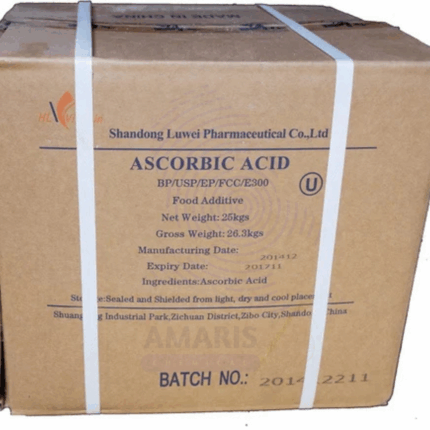
Ascorbic Acid
Ascorbic Acid, commonly known as Vitamin C, is a water-soluble vitamin and potent antioxidant essential for collagen synthesis, immune function, and protection against oxidative stress. It is widely used as a nutritional supplement, food preservative, and additive to enhance shelf life and nutritional value. Naturally present in citrus fruits and various vegetables, ascorbic acid is also important in pharmaceutical, cosmetic, and animal feed industries due to its health benefits and preservative qualities.
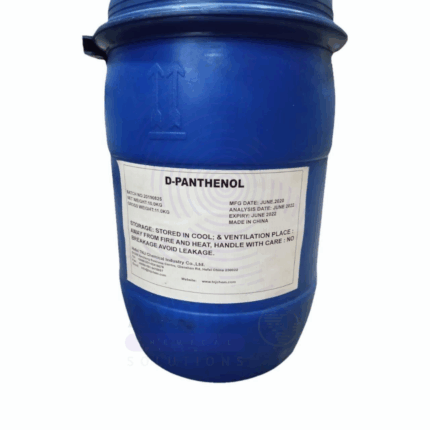
D-Panthenol USP
D-Panthenol USP, also known as Provitamin B5, is the dextrorotatory isomer of panthenol and is biologically active. It is a water-soluble, viscous, clear liquid with a slightly sweet odor and is widely used in pharmaceutical, cosmetic, personal care, and nutraceutical applications. D-Panthenol is the alcohol analog of pantothenic acid (Vitamin B5) and is converted into Vitamin B5 in the skin and body, where it plays a vital role in cellular metabolism and tissue repair. Its moisturizing, anti-inflammatory, and healing properties make it highly valuable across industries.
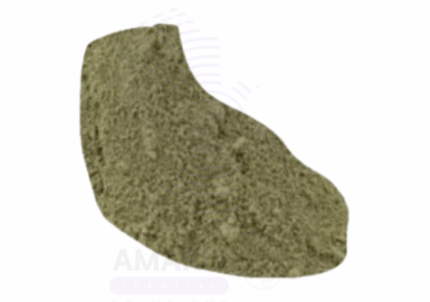
Ellagic Acid
Ellagic Acid is a naturally occurring polyphenolic compound found in numerous fruits, nuts, and vegetables such as pomegranates, strawberries, raspberries, walnuts, and cranberries. It is a potent antioxidant known for its ability to scavenge free radicals and chelate metal ions. Due to its significant anti-inflammatory, anti-carcinogenic, and anti-viral properties, Ellagic Acid has gained extensive interest in pharmaceutical, nutraceutical, cosmetic, and food industries. It appears as a yellow to light brown crystalline powder, insoluble in water but soluble in organic solvents like ethanol and DMSO.
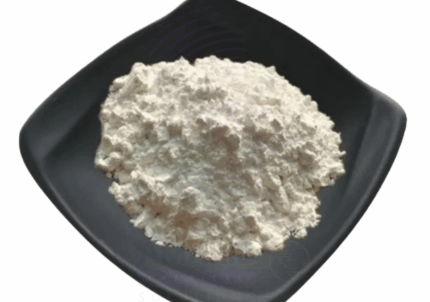
Phloretin
Phloretin is a natural dihydrochalcone flavonoid primarily extracted from apple tree leaves and other fruit sources. It is recognized for its potent antioxidant properties and its ability to inhibit melanin synthesis, making it highly valued in cosmetic and pharmaceutical industries. Phloretin is a yellowish crystalline powder with low solubility in water but good solubility in organic solvents. It is widely used in skincare formulations for its skin-brightening, anti-aging, and anti-inflammatory benefits.

Sodium Ascorbate USP
Sodium Ascorbate USP is a sodium salt of ascorbic acid (Vitamin C) that appears as a white to slightly yellow crystalline powder. It is widely used as an antioxidant and nutritional supplement due to its excellent water solubility and lower acidity compared to pure ascorbic acid. This compound helps prevent oxidation in food and pharmaceutical products and supports human health by boosting the immune system. It meets USP (United States Pharmacopeia) standards for purity and quality, making it suitable for pharmaceutical, food, and cosmetic applications.
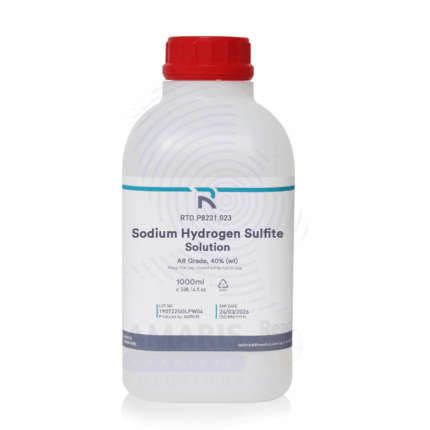
Sodium Hydrogen Sulphite Extra Pure
Sodium Hydrogen Sulphite Extra Pure is a white to pale yellow crystalline powder with a pungent sulfur dioxide odor. It is a versatile reducing agent widely used in laboratory, industrial, and food applications for its antioxidant, preservative, and dechlorinating properties. In laboratories, it serves as a reagent for redox reactions and oxygen scavenging. It is also used in water treatment for chlorine removal and in food processing as an antimicrobial and antioxidant agent (E221). Due to its ability to release sulfur dioxide gas, careful handling and storage in sealed containers are essential to maintain quality and ensure safety. The Extra Pure grade ensures high purity suitable for analytical, pharmaceutical, and food industry applications.
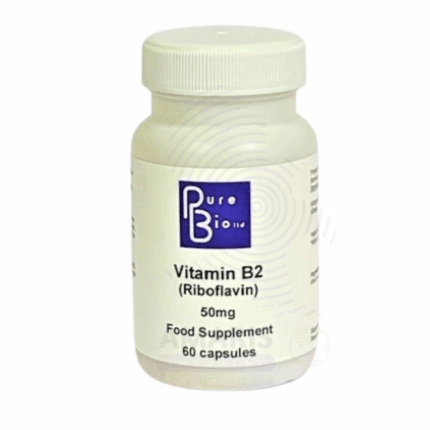
Vitamin B2 Riboflavin Extra Pure
Vitamin B2 Riboflavin Extra Pure is a high-purity, orange-yellow crystalline powder widely used as a vitamin B2 source in pharmaceutical, nutritional, and analytical applications. It functions as an essential coenzyme precursor in energy metabolism and antioxidant defense. This grade meets stringent purity standards suitable for research, supplement formulation, and food fortification. It is sensitive to light and moisture, requiring storage in dark, dry conditions. Handling requires basic protective measures to avoid dust inhalation and contact.

Zinc Pyrithione
Zinc Pyrithione is a high-purity antimicrobial and antifungal compound derived from the coordination of zinc with pyrithione (1-hydroxy-2-pyridinethione). It is widely used as an active ingredient in personal care formulations, industrial coatings, and materials preservation due to its broad-spectrum biocidal efficacy against bacteria, fungi, and algae. Its excellent thermal stability and compatibility with various systems make it ideal for diverse industrial and cosmetic applications.












