

 Preservatives(food)
 Flavors
 Acidulants
 Sweeteners
 Antioxidants
 Colorants(food)
 Nutraceutical Ingredients (food)
 Nutrient Supplements
 Emulsifiers
 Collectors
 Dust Suppressants
 Explosives and Blasting Agents
 Flocculants and Coagulants
 Frothers
 Leaching Agents
 pH Modifiers
 Precious Metal Extraction Agents
 Antioxidants(plastic)
 Colorants (Pigments, Dyes)
 Fillers and Reinforcements
 Flame Retardants
 Monomers
 Plasticizers
 Polymerization Initiators
 Stabilizers (UV, Heat)
 Antifoaming Agents
 Chelating Agents
 Coagulants and Flocculants
 Corrosion Inhibitors
 Disinfectants and Biocides
 Oxidizing Agents
 pH Adjusters
 Scale Inhibitors( water)
 Antioxidants(cosmetic)
 Emollients
 Oils
Oils Carrier Oills
 Essential Oils
 Humectants
 Preservatives
 Surfactants(cosmetic)
 Thickeners
 UV Filters
 Fragrance (Cosmetics)
 Fertilizers
 Soil Conditioners
 Plant Growth Regulators
 Animal Feed Additives
 Biostimulants
 Pesticides (Herbicides, Insecticides, Fungicides)
 Active Pharmaceutical Ingredients (APIs)
 Excipients
 Solvents(pharmaceutical)
 Antibiotics
 Antiseptics and Disinfectants
 Vaccine Adjuvants
 Nutraceutical Ingredients (pharmaceutical)
 Analgesics & Antipyretics
 Analytical Reagents
 Solvents(lab)
 Chromatography Chemicals
 Spectroscopy Reagents
 microbiology-and-cell-culture-reagents
 Molecular Biology Reagents
 Biochemical Reagents
 Inorganic and Organic Standards
 Laboratory Safety Chemicals
 Specialty Laboratory Chemicals(Special Laboratory Equipment)
 Demulsifiers
 Hydraulic Fracturing Fluids
 Scale Inhibitors(oil)
 Surfactants(oil)
 Drilling Fluids
 Dyes and Pigments
 Bleaching Agents
 Softening Agents
 Finishing Agents
 Antistatic Agents
 Admixtures
 Waterproofing Agents
 Sealants and Adhesives
 Curing Compounds
 Concrete Repair Chemicals
 Anti-Corrosion Coatings
 Surfactants(cleaning)
 Builders
 Enzymes
 Solvents (Cleaning)
 Electronic Chemicals
 Catalysts
 Lubricants
 Photographic Chemicals
 Refrigerants
 Automotive chemicals
 Pyrotechnic Chemicals
 Biodegradable Surfactants
 Bio-based Solvents
 Renewable Polymers
 Carbon Capture Chemicals
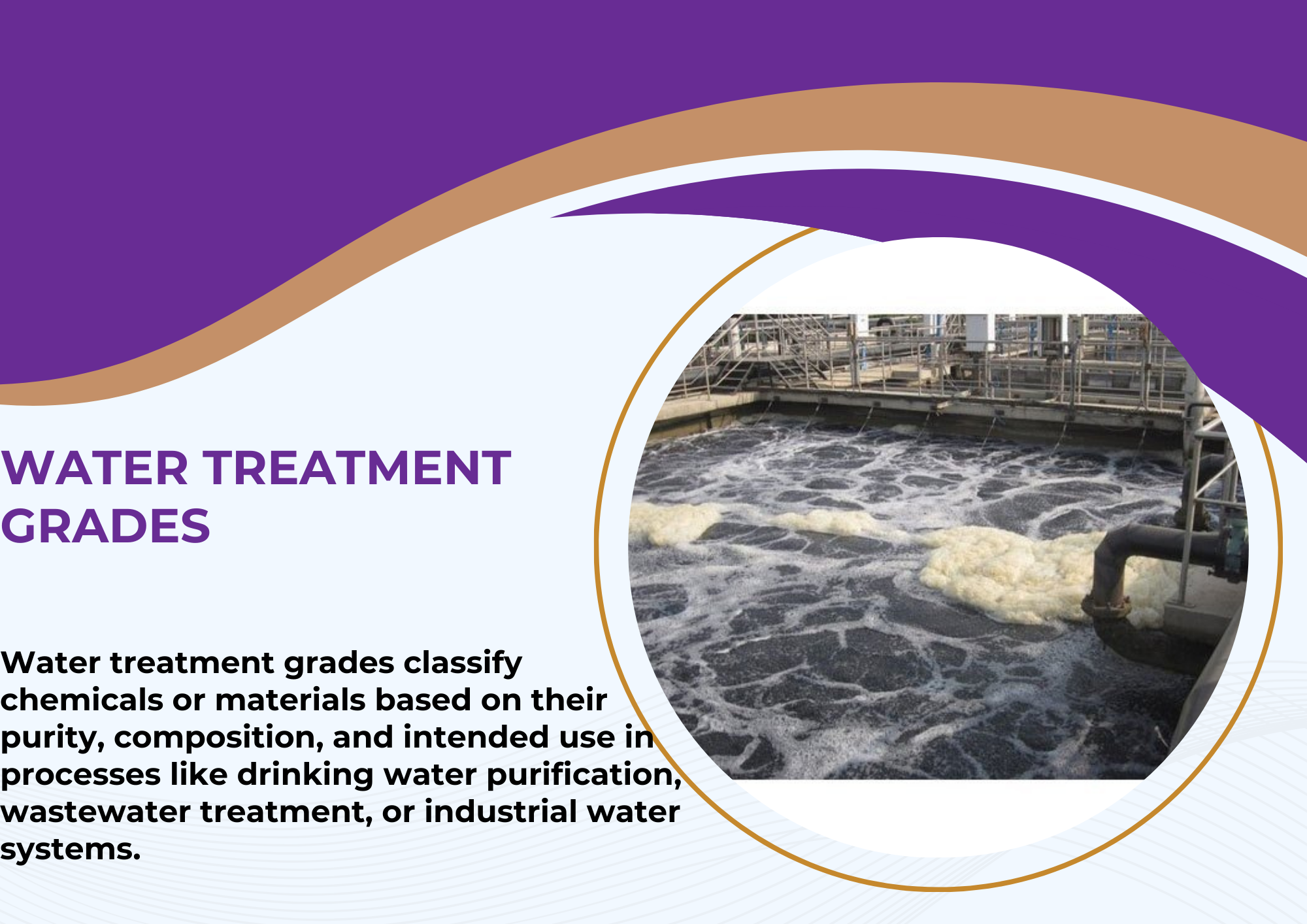
 Wastewater Treatment Chemicals
 Pigments
 Solvents(paint)
 Specialty Coatings
 Binders/Resins
 Additives
 Driers
 Anti-Corrosion Agents
 Functional Coatings
 Application-Specific Coatings
 Leavening Agents
 Dough Conditioners
 Flour Treatments
 Fat Replacers
 Decoratives
 Preservatives(baking)
 Plasticizers & Softeners
 Reinforcing Agents
 Adhesion Promoters
 Vulcanizing Agents
 Antidegradants
 Blowing Agents
 Fillers & Extenders
 Accelerators & Retarders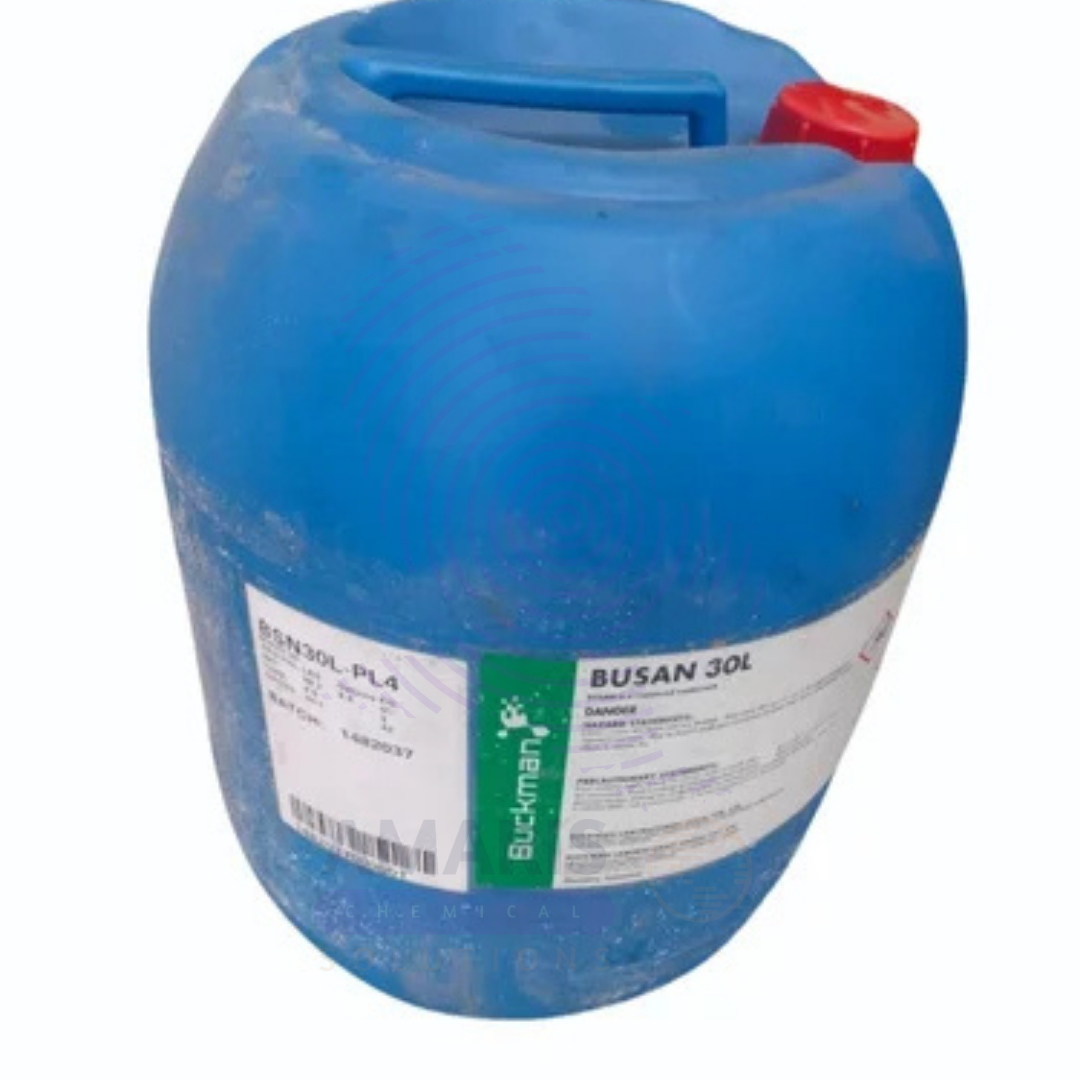


Busan
Busan is a brand name associated with a comprehensive range of specialty chemicals, primarily including surfactants, dispersants, and performance additives. These products are engineered to optimize the properties of coatings, paints, inks, adhesives, and other industrial formulations. Busan specialty chemicals enhance formulation stability, improve pigment dispersion, control rheology, and boost wetting and flow characteristics, leading to superior application and end-use performance. Designed for versatility and efficiency, Busan products are widely used across the coatings, printing, plastics, and chemical manufacturing industries.
Busan
Primary Uses
- Coatings and Paints
- Used as dispersants to ensure uniform pigment distribution and prevent settling.
- Improve flow and leveling properties to achieve smooth, defect-free surfaces.
- Enhance wetting of pigments and fillers to optimize color strength and opacity.
- Printing Inks
- Facilitate pigment dispersion and ink stability for high-quality print finish.
- Control viscosity and improve adhesion to substrates.
- Adhesives and Sealants
- Act as flow modifiers and dispersing agents to improve consistency and bonding performance.
- Industrial and Specialty Applications
- Used in plastics and polymer formulations to improve additive dispersion.
- Enhance surface wetting and spreading in various chemical manufacturing processes.
Secondary Uses
- Textiles and Leather
- Applied as wetting agents and emulsifiers in dyeing and finishing processes.
- Agricultural Formulations
- Used as dispersants and surfactants in pesticide and fertilizer formulations to improve efficacy and uniform application.
- Personal Care Products
- Incorporated in small quantities as emulsifiers and stabilizers in specialty cosmetics and toiletries.
1. Basic Identification Attributes
- Brand Name: Busan
- Product Types: Surfactants, Dispersants, Additives
- Industry Focus: Coatings, Inks, Adhesives, Plastics, Specialty Chemicals
- Manufacturer: (Varies by region/manufacturer licensing Busan brand)
2. Physical & Chemical Properties
- Physical State: Typically liquid or powder formulations depending on specific product
- Color: Clear to pale yellow liquids; white to off-white powders
- Odor: Mild to negligible
- Solubility: Soluble or dispersible in water or organic solvents depending on type
- pH: Generally neutral to mildly alkaline (depending on formulation)
- Stability: Chemically stable under recommended storage conditions
- Surface Activity: Effective at low concentrations for surface tension reduction
3. Safety & Hazard Attributes
- Hazard Class (GHS): Varies by product; generally low to moderate hazard
- NFPA Ratings: Health (1-2), Flammability (0-1), Reactivity (0) depending on specific compound
- Exposure Limits: Follow specific MSDS guidelines; use protective equipment to avoid inhalation or skin contact
- Toxicity: Low to moderate; specific safety data per product variant
4. Storage & Handling Attributes
- Storage Conditions: Store in cool, dry, well-ventilated areas away from incompatible materials
- Container Type: Use airtight, chemical-resistant containers (HDPE drums, metal cans)
- Shelf Life: Typically 1-3 years depending on product formulation and storage
- Handling Precautions: Avoid dust formation (for powders), use PPE including gloves and goggles
5. Regulatory & Compliance Attributes
- Compliance: Conforms to relevant local and international chemical safety regulations (REACH, TSCA, etc.)
- Transportation: Classified and transported according to individual product hazard classification
- Environmental Regulations: Designed to meet environmental standards for biodegradability and low ecotoxicity where applicable
6. Environmental & Health Impact
- Ecotoxicity: Generally low to moderate; many products designed for environmental compatibility
- Biodegradability: Varies; some formulations are readily biodegradable
- Bioaccumulation: Not typically expected to bioaccumulate
- Carcinogenicity/Mutagenicity: No known classification for Busan brand chemicals as a whole; depends on individual compounds
Safety Handling Precautions
Personal Protective Equipment (PPE):
- Chemical-resistant gloves
- Safety goggles or face shield
- Protective clothing or lab coat
- Respiratory protection when handling powders or in poorly ventilated areas
Handling Measures:
- Avoid inhalation of dust or vapors
- Prevent skin and eye contact
- Use in well-ventilated areas with proper engineering controls
Storage Measures:
- Keep containers tightly closed
- Store away from heat, sparks, and incompatible substances
- Protect from moisture and contamination
Hygiene Practices:
- Wash hands thoroughly after handling
- Do not eat, drink, or smoke in work areas
First Aid Measures
- Inhalation: Move to fresh air; seek medical attention if symptoms persist
- Skin Contact: Wash with soap and water; remove contaminated clothing; seek medical attention if irritation develops
- Eye Contact: Rinse immediately with plenty of water for at least 15 minutes; consult a physician if irritation persists
- Ingestion: Rinse mouth with water; do not induce vomiting; seek immediate medical attention
Firefighting Measures
- Fire Hazards: Varies by product; generally low flammability
- Extinguishing Media: Water spray, foam, dry chemical, or CO₂ as appropriate for surrounding fire
- Special Precautions: Firefighters should wear full protective gear and self-contained breathing apparatus (SCBA)
- Decomposition Products: May produce carbon oxides, nitrogen oxides, or other toxic fumes under extreme heat
Related products
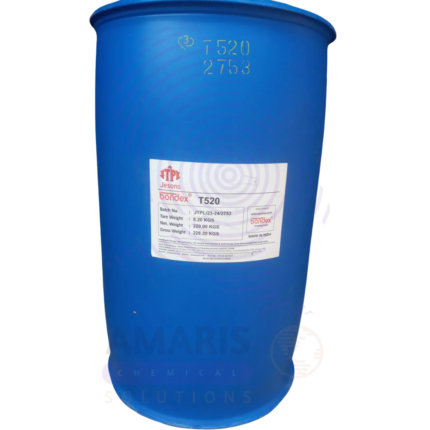
Acticide HF (Incan)
Acticide HF is a proven, broad-spectrum industrial biocide manufactured by Thor Group specifically for in-can preservation of water-based industrial products. It is a clear, colorless to pale blue or pale green liquid with a mild odor, designed for easy incorporation into aqueous formulations. The product is based on a synergistic combination of active ingredients including 5-Chloro-2-methyl-4-isothiazolin-3-one (CIT), 2-Methyl-4-isothiazolin-3-one (MIT), and formaldehyde. This well-established formulation protects water-based formulations against bacteria, molds, and yeasts, ensuring product stability and extended shelf life across demanding conditions. Technical grade Acticide HF is manufactured for industrial use and is not intended for direct human consumption, medical applications, or food preservation.
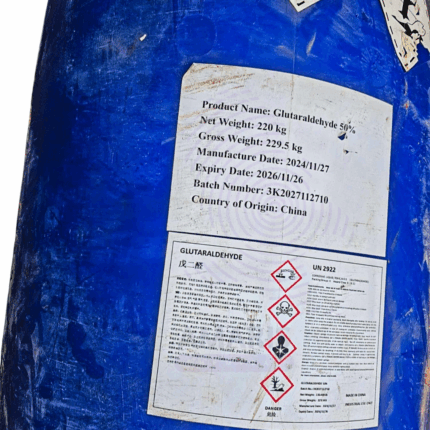
Glutardehyde
Glutardehydeis a potent biocidal agent and chemical sterilant widely used in healthcare, water treatment, and industrial applications. It is a colorless to pale yellow oily liquid with a pungent, sharp odor. Chemically, it is a dialdehyde, primarily valued for its ability to cross-link proteins, making it highly effective as a disinfectant, fixative, and preservative. Typically supplied in concentrations of 25% or 50% aqueous solutions, Glutaraldehyde is used where high-level disinfection is needed—especially against bacteria, viruses, fungi, and spores. Its versatility also extends to tanning, laboratory science, and wastewater treatment.
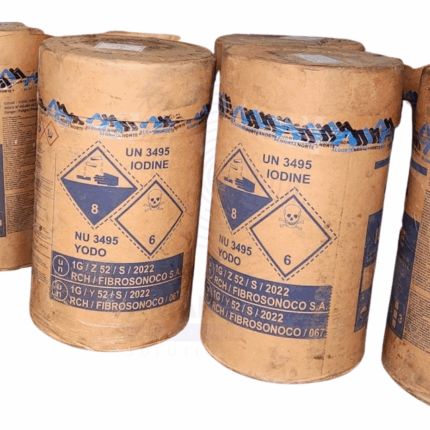
Iodine Crystals
Iodine Crystals are high-purity elemental iodine in solid crystalline form. These dark violet-black crystals have a characteristic pungent odor and sublime easily at room temperature, releasing violet iodine vapors. Iodine is a halogen element widely used for its antiseptic, oxidizing, and chemical reagent properties in pharmaceutical, industrial, and laboratory applications.

Liquid Chlorine
Liquid Chlorine is a pale yellow-green, highly reactive chemical primarily composed of chlorine dissolved in water or as liquefied chlorine gas under pressure. It is widely used as a powerful disinfectant, bleaching agent, and oxidizer in water treatment, sanitation, and various industrial applications. Due to its strong antimicrobial properties, liquid chlorine effectively controls bacteria, viruses, algae, and other microorganisms, ensuring safe potable water and hygienic conditions.
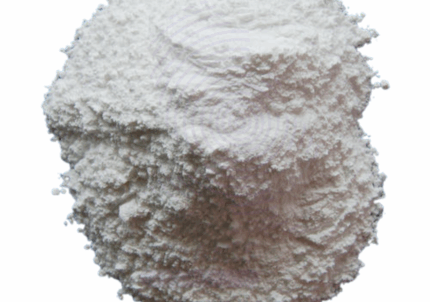
Methyl Paraben
Methyl Paraben is a white to off-white crystalline powder widely used as an antimicrobial preservative in cosmetics, pharmaceuticals, and food products. It is a member of the paraben family of preservatives known for their effectiveness against a broad spectrum of bacteria and fungi. Methyl Paraben helps extend the shelf life of products by preventing microbial growth without affecting the product's texture or color.

Nyclone (Chlorine)
Nyclone (Chlorine) is a high-purity chlorine-based chemical used primarily as a disinfectant and bleaching agent. It delivers effective sanitization in water treatment, industrial cleaning, and chemical manufacturing. Known for its strong oxidizing properties, Nyclone (Chlorine) is widely applied to control microbial contamination, remove stains, and support various chemical synthesis processes.
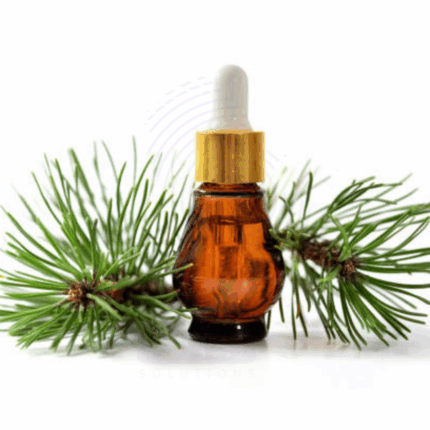
Pine Oil
Pine Oil is a powerful, aromatic essential oil obtained through the steam distillation of the needles, twigs, and cones of pine trees, primarily Pinus sylvestris or other Pinus species. It features a sharp, woody, and fresh scent with natural disinfectant and deodorizing properties. Rich in monoterpenes such as alpha-pinene and beta-pinene, Pine Oil is widely utilized in cleaning products, disinfectants, air care, cosmetics, and industrial formulations. It is valued for its antimicrobial, anti-inflammatory, and degreasing capabilities, making it an effective multi-purpose ingredient across various sectors.
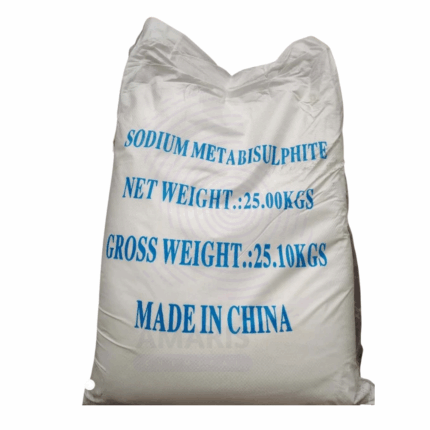
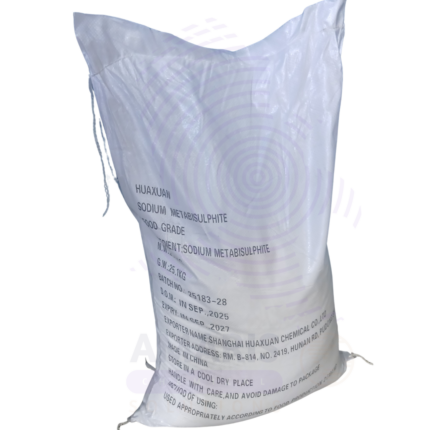
Sodium Metabisulphite
Sodium Metabisulphite is a white crystalline powder widely used as an antioxidant, disinfectant, and preservative. It dissolves readily in water, releasing sulfur dioxide, which acts as a powerful antimicrobial and antioxidant agent. This chemical finds broad applications in food processing, water treatment, pharmaceuticals, and industrial manufacturing to prevent spoilage, control microbial growth, and protect equipment from corrosion.












