

 Preservatives(food)
 Flavor Enhancers
 Acidulants
 Sweeteners
 Antioxidants
 Colorants(food)
 Nutraceutical Ingredients (food)
 Nutrient Supplements
 Emulsifiers
 Collectors
 Dust Suppressants
 Explosives and Blasting Agents
 Flocculants and Coagulants
 Frothers
 Leaching Agents
 pH Modifiers
 Precious Metal Extraction Agents
 Antioxidants(plastic)
 Colorants (Pigments, Dyes)
 Fillers and Reinforcements
 Flame Retardants
 Monomers
 Plasticizers
 Polymerization Initiators
 Stabilizers (UV, Heat)
 Antifoaming Agents
 Chelating Agents
 Coagulants and Flocculants
 Corrosion Inhibitors
 Disinfectants and Biocides
 Oxidizing Agents
 pH Adjusters
 Scale Inhibitors( water)
 Antioxidants(cosmetic)
 Emollients
 Fragrances and Essential Oils
 Humectants
 Preservatives
 Surfactants(cosmetic)
 Thickeners
 UV Filters
 Fertilizers
 Soil Conditioners
 Plant Growth Regulators
 Animal Feed Additives
 Biostimulants
 Pesticides (Herbicides, Insecticides, Fungicides)
 Active Pharmaceutical Ingredients (APIs)
 Excipients
 Solvents(pharmaceutical)
 Antibiotics
 Antiseptics and Disinfectants
 Vaccine Adjuvants
 Nutraceutical Ingredients (pharmaceutical)
 Analgesics & Antipyretics
 Analytical Reagents
 Solvents(lab)
 Chromatography Chemicals
 Spectroscopy Reagents
 microbiology-and-cell-culture-reagents
 Molecular Biology Reagents
 Biochemical Reagents
 Inorganic and Organic Standards
 Laboratory Safety Chemicals
 Specialty Laboratory Chemicals(Special Laboratory Equipment)
 Demulsifiers
 Hydraulic Fracturing Fluids
 Scale Inhibitors(oil)
 Surfactants(oil)
 Drilling Fluids
 Dyes and Pigments
 Bleaching Agents
 Softening Agents
 Finishing Agents
 Antistatic Agents
 Admixtures
 Waterproofing Agents
 Sealants and Adhesives
 Curing Compounds
 Concrete Repair Chemicals
 Anti-Corrosion Coatings
 Surfactants(cleaning)
 Builders
 Enzymes
 Solvents (Cleaning)
 Fragrances
 Electronic Chemicals
 Catalysts
 Lubricants
 Photographic Chemicals
 Refrigerants
 Automotive chemicals
 Pyrotechnic Chemicals
 Biodegradable Surfactants
 Bio-based Solvents
 Renewable Polymers
 Carbon Capture Chemicals
 Wastewater Treatment Chemicals
 Pigments
 Solvents(paint)
 Specialty Coatings
 Binders/Resins
 Additives
 Driers
 Anti-Corrosion Agents
 Functional Coatings
 Application-Specific Coatings
 Leavening Agents
 Dough Conditioners
 Flour Treatments
 Fat Replacers
 Decoratives
 Preservatives(baking)
 Plasticizers & Softeners
 Reinforcing Agents
 Adhesion Promoters
 Vulcanizing Agents
 Antidegradants
 Blowing Agents
 Fillers & Extenders
 Accelerators & Retarders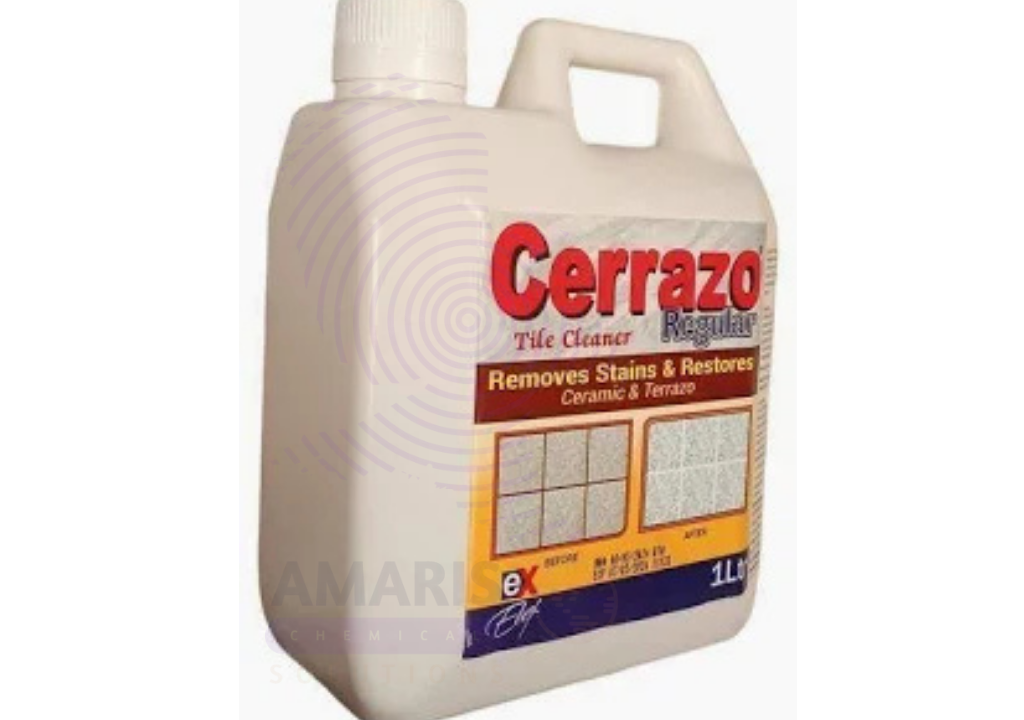


Terrazzo Cleaner
Terrazzo Cleaner is a specialized, neutral to mildly alkaline cleaning formulation designed specifically for the safe and effective cleaning, restoration, and maintenance of terrazzo flooring. Terrazzo is a composite material consisting of marble, quartz, granite, glass, or other aggregate chips embedded in a cementitious or epoxy matrix, which is then ground and polished to a smooth surface. This cleaner is engineered to be non-acidic and non-etching to protect the calcareous (calcium-based) marble and limestone aggregates from chemical attack while effectively emulsifying and lifting embedded dirt, grime, oils, and stubborn stains. It penetrates the porous surface to release trapped contaminants without dulling the polished finish or degrading the grout lines. Industrial Grade Terrazzo Cleaner is formulated for daily, weekly, and restorative maintenance in high-traffic commercial, institutional, and residential settings. It is not intended for stripping heavy wax or polymer coating build-up unless specifically formulated for that purpose.
Terrazzo Cleaner
Primary Uses
1. Terrazzo Floor Maintenance & Restoration
- Daily and routine maintenance cleaning: Used in automatic scrubbers or for mop-on, mop-off applications to remove surface soil, light foot traffic marks, and spills from polished terrazzo floors in airports, hospitals, school corridors, shopping malls, hotel lobbies, and government buildings.
- Deep cleaning and stain removal: Penetrates the porous terrazzo matrix to lift embedded dirt, oil-based stains, organic discoloration, and black heel marks, restoring the floor’s original color, luster, and reflectivity without mechanical abrasion.
- Interim and restorative cleaning: Prepares terrazzo surfaces for burnishing, polishing, or the application of sealer and finish coats by ensuring a chemically clean, residue-free substrate.
- Post-construction cleanup: Removes cementitious haze, light mortar splatter, drywall dust, and general construction soiling from newly installed or renovated terrazzo floors without etching the surface.
2. Other Polished Stone & Hard Surface Care
- Marble and limestone cleaning: Suitable for cleaning polished marble, travertine, limestone, and onyx floors and countertops where acid sensitivity requires a neutral pH cleaner.
- Polished concrete maintenance: Effectively cleans polished and densified concrete floors in retail, warehouse, and showroom environments.
- Slate and granite cleaning: Safe for use on acid-insensitive stone surfaces where a mild, residue-free cleaner is required.
Secondary Uses
1. Ceramic and Porcelain Tile Cleaning
- Tile and grout maintenance: Removes soap scum, hard water deposits, and general soiling from glazed ceramic and porcelain wall and floor tiles.
2. Vinyl Composition Tile (VCT) and Linoleum
- Routine floor care: Can be used as an interim cleaner for VCT and linoleum floors between strip-and-wax cycles, provided compatibility is verified.
1. Basic Identification Attributes
- Chemical Name: Blend of non-ionic and anionic surfactants, chelating agents, pH buffers, and water
- Common/Trade Name: Terrazzo Cleaner; Neutral Stone Cleaner; Marble & Terrazzo Maintenance Cleaner; Polished Stone Floor Cleaner
- Form: Liquid concentrate
- Synonyms:
- Neutral floor cleaner
- pH neutral cleaner
- Stone soap (dilute)
- Non-acidic tile and grout cleaner
2. Physical & Chemical Properties
- Physical State: Clear to slightly hazy liquid
- Color & Odor: Typically colorless or light blue/green; mild, clean, or citrus fragrance
- pH (concentrate): 7.0 – 10.0 (neutral to mildly alkaline)
- pH (use dilution): 7.0 – 9.0
- Solubility: Fully miscible with water in all proportions
- Density: ~1.01 – 1.05 g/cm³
- VOC Content: Typically low to zero VOC; compliant with green building standards
- Stability: Stable under normal storage conditions; protect from freezing
- Biodegradability: Surfactants are typically readily biodegradable
3. Safety & Hazard Attributes
- GHS Classification:
- Not classified as hazardous under normal conditions of use, or
- H319: Causes serious eye irritation (depending on concentration)
- H315: Causes skin irritation (depending on concentration)
- Toxicity: Low acute toxicity; not corrosive
- Irritation: May cause mild to moderate eye and skin irritation in concentrated form
- Flammability: Non-flammable
4. Storage & Handling Attributes
- Storage Conditions: Store in tightly closed, original containers in a cool, dry, well-ventilated area away from direct sunlight and freezing temperatures.
- Container Type: High-density polyethylene (HDPE) bottles, pails, drums, or totes
- Shelf Life: 12–24 months when stored under recommended conditions
- Handling Precautions:
- Avoid contact with eyes and prolonged skin contact
- Use with adequate ventilation
- Dilute according to manufacturer instructions
- Do not mix with other chemicals, especially bleach or acidic cleaners
- Storage Measures: Protect from freezing; maintain temperature above 5°C (41°F)
5. Regulatory & Compliance Attributes
- Regulatory Status: Complies with industrial and institutional cleaning chemical standards
- Certifications: May carry Green Seal, EcoLogo, or LEED contribution certifications depending on formulation
- VOC Compliance: Meets CARB, SCAQMD, and other regional VOC limits for institutional cleaners
- Labeling Requirements: Must carry appropriate GHS hazard pictograms if classified as irritant
6. Environmental & Health Impact
- Biodegradability: Surfactants and organic components are typically readily biodegradable (OECD 301)
- Ecotoxicity: Low toxicity to aquatic organisms at use dilution
- Phosphates: Typically phosphate-free
- VOCs: Low to zero VOC; does not contribute to smog formation
- Runoff Precautions: Avoid discharge to drains, sewers, and natural water bodies; rinse water should be disposed in accordance with local regulations
Safety Handling Precautions
- PPE Required:
- Eyes: Safety glasses or chemical splash goggles
- Skin: Chemical-resistant gloves (nitrile, neoprene, or rubber)
- Body: Work uniform or apron for prolonged or concentrated handling
- Handling Guidelines:
- Dilute to recommended use concentration (typically 1:32 to 1:128)
- Apply to surface using mop, auto-scrubber, or spray-and-vac system
- Allow brief dwell time (1–5 minutes) but do not allow to dry on surface
- Agitate with soft brush or pad if required for heavy soil
- Rinse thoroughly with clean water or pick up with wet vacuum
- Change cleaning solution frequently to prevent re-deposition of soil
- Storage Measures:
- Keep containers tightly sealed when not in use
- Store away from acidic cleaning products
- Maintain temperature above freezing
- Hygiene Practices:
- Wash hands thoroughly after handling
- Remove and launder contaminated clothing before reuse
First Aid Measures
- Inhalation: Move to fresh air. If breathing is difficult or irritation persists, seek medical attention.
- Skin Contact: Remove contaminated clothing. Wash affected area thoroughly with plenty of soap and water for 15 minutes. Seek medical attention if irritation persists.
- Eye Contact: Immediately rinse eyes with lukewarm, gently flowing water for at least 15 minutes while holding eyelids open. Remove contact lenses if present. Seek medical attention if irritation, redness, or discomfort persists.
- Ingestion: Rinse mouth thoroughly with water. Do NOT induce vomiting. Drink one or two glasses of water. Seek medical attention if discomfort occurs or if large quantities are swallowed.
Firefighting Measures
- Fire Hazards: Non-flammable. Does not support combustion.
- Extinguishing Media: Use water spray, foam, dry chemical, or CO₂. Select media appropriate for surrounding materials.
- Special Precautions: None specific to product. Use self-contained breathing apparatus (SCBA) if exposed to smoke from surrounding fire.
- Hazardous Combustion Products: May emit oxides of carbon and nitrogen if involved in a fire and allowed to evaporate to dryness.
Related products

Ceramic cleaner
Ceramic Cleaner is a formulated cleaning agent specifically designed to remove dirt, grime, stains, soap scum, hard water deposits, and biological films from ceramic surfaces without causing damage or etching. These surfaces include glazed ceramic tiles, porcelain, sanitaryware (toilets, sinks), and delicate ceramics. Formulations vary from acidic or alkaline heavy-duty cleaners for industrial and bathroom use to pH-neutral, non-abrasive solutions for household and delicate items. The product works through a combination of surfactants, solvents, and sometimes mild acids or abrasives to lift and dissolve contaminants, leaving surfaces clean and often with a polished finish.
Fatty Acid
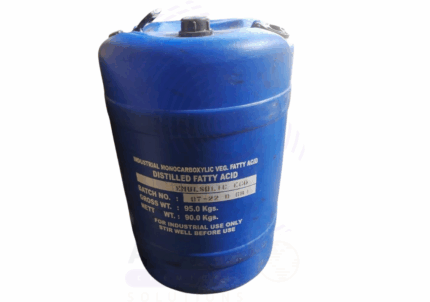
Fatty acids are a group of carboxylic acids consisting of long aliphatic chains, which can be either saturated or unsaturated. They are typically derived from natural fats and oils through hydrolysis or saponification and appear as colorless to pale yellow liquids or solids depending on the chain length and degree of saturation. Fatty acids are fundamental building blocks in biochemistry and industrial chemistry, serving as raw materials in the manufacture of soaps, detergents, lubricants, cosmetics, plastics, and food additives. Their amphiphilic nature—containing both hydrophilic (carboxyl group) and hydrophobic (alkyl chain) components—makes them versatile for various chemical and industrial applications.

Marlophen NP9
Marlophen NP9 is a nonionic surfactant based on alkylphenol ethoxylates, widely used as a wetting agent, emulsifier, and detergent in various industrial and agricultural applications. It offers excellent compatibility with a range of chemicals and demonstrates strong emulsifying and dispersing properties. Marlophen NP9 enhances the performance of formulations such as pesticides, cleaning agents, and textile auxiliaries by improving spreading, penetration, and stability. It is valued for its ability to reduce surface tension and increase solubility of active ingredients in aqueous systems.
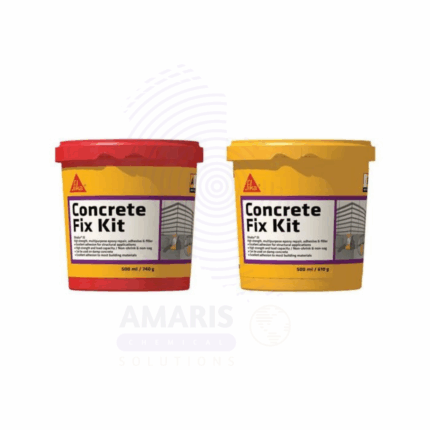
Sika High Strength Epoxy Repair Adhesive Concrete Fix Kit
Sika High Strength Epoxy Repair Adhesive Concrete Fix Kit is a two-component, solvent-free, high-strength epoxy adhesive designed specifically for bonding and repairing concrete structures. It offers excellent adhesion to concrete, steel, and other construction materials, providing durable and long-lasting repairs. This epoxy adhesive exhibits outstanding mechanical properties, chemical resistance, and resistance to moisture and weathering, making it ideal for structural bonding, crack injection, and patch repairs in civil engineering and industrial applications.

Sodium Xylene Sulphonate
Sodium Xylene Sulphonate (SXS) is a white to off-white crystalline powder or granule with the chemical formula C₈H₇NaO₃S. It is a highly water-soluble anionic surfactant commonly used as a hydrotrope to enhance the solubility and stability of other surfactants and ingredients in detergent and cleaning formulations. Packaged in 25kg bags, SXS improves the clarity of liquid detergents and personal care products while boosting performance in hard water and various industrial applications.
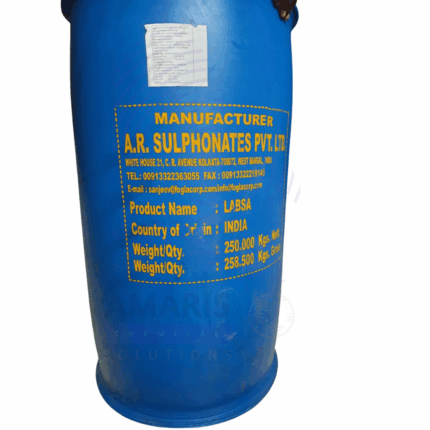
Sulphonic Acid (LABSA)
Sulphonic Acid, commonly known as Linear Alkyl Benzene Sulphonic Acid (LABSA) 90%, is a high-quality anionic surfactant widely used as a key raw material in the detergent and cleaning products industry. It is produced by sulfonation of linear alkyl benzene, resulting in a biodegradable, highly effective wetting and foaming agent. The 90% concentration grade offers excellent performance in formulation of powders, liquids, and specialty detergents.

Ufanon- KDS/CDE
Ufanon- KDS/CDE is a proprietary blend of chelating and dispersing agents formulated for use in industrial water treatment and boiler systems. It is designed to control hardness, prevent scale formation, disperse sludge and iron deposits, and enhance corrosion protection. The product is typically supplied as a concentrated aqueous solution and compatible with continuous and intermittent dosing systems. It maintains system efficiency and longevity by stabilizing metal ions and preventing deposit buildup.

White Cement
White Cement is a specialized type of Portland cement characterized by its bright white color and high purity. Manufactured from raw materials low in iron and manganese, it offers superior aesthetic qualities and is widely used for architectural and decorative applications. White Cement provides excellent strength, durability, and resistance to harsh environmental conditions, making it suitable for high-quality finishes, precast structures, and artistic concrete work.












