

 Preservatives(food)
 Flavors
 Acidulants
 Sweeteners
 Antioxidants
 Colorants(food)
 Nutraceutical Ingredients (food)
 Nutrient Supplements
 Emulsifiers
 Collectors
 Dust Suppressants
 Explosives and Blasting Agents
 Flocculants and Coagulants
 Frothers
 Leaching Agents
 pH Modifiers
 Precious Metal Extraction Agents
 Antioxidants(plastic)
 Colorants (Pigments, Dyes)
 Fillers and Reinforcements
 Flame Retardants
 Monomers
 Plasticizers
 Polymerization Initiators
 Stabilizers (UV, Heat)
 Antifoaming Agents
 Chelating Agents
 Coagulants and Flocculants
 Corrosion Inhibitors
 Disinfectants and Biocides
 Oxidizing Agents
 pH Adjusters
 Scale Inhibitors( water)
 Antioxidants(cosmetic)
 Emollients
 Oils
Oils Carrier Oills
 Essential Oils
 Humectants
 Preservatives
 Surfactants(cosmetic)
 Thickeners
 UV Filters
 Fragrance (Cosmetics)
 Fertilizers
 Soil Conditioners
 Plant Growth Regulators
 Animal Feed Additives
 Biostimulants
 Pesticides (Herbicides, Insecticides, Fungicides)
 Active Pharmaceutical Ingredients (APIs)
 Excipients
 Solvents(pharmaceutical)
 Antibiotics
 Antiseptics and Disinfectants
 Vaccine Adjuvants
 Nutraceutical Ingredients (pharmaceutical)
 Analgesics & Antipyretics
 Analytical Reagents
 Solvents(lab)
 Chromatography Chemicals
 Spectroscopy Reagents
 microbiology-and-cell-culture-reagents
 Molecular Biology Reagents
 Biochemical Reagents
 Inorganic and Organic Standards
 Laboratory Safety Chemicals
 Specialty Laboratory Chemicals(Special Laboratory Equipment)
 Demulsifiers
 Hydraulic Fracturing Fluids
 Scale Inhibitors(oil)
 Surfactants(oil)
 Drilling Fluids
 Dyes and Pigments
 Bleaching Agents
 Softening Agents
 Finishing Agents
 Antistatic Agents
 Admixtures
 Waterproofing Agents
 Sealants and Adhesives
 Curing Compounds
 Concrete Repair Chemicals
 Anti-Corrosion Coatings
 Surfactants(cleaning)
 Builders
 Enzymes
 Solvents (Cleaning)
 Electronic Chemicals
 Catalysts
 Lubricants
 Photographic Chemicals
 Refrigerants
 Automotive chemicals
 Pyrotechnic Chemicals
 Biodegradable Surfactants
 Bio-based Solvents
 Renewable Polymers
 Carbon Capture Chemicals
 Wastewater Treatment Chemicals
 Pigments
 Solvents(paint)
 Specialty Coatings
 Binders/Resins
 Additives
 Driers
 Anti-Corrosion Agents
 Functional Coatings
 Application-Specific Coatings
 Leavening Agents
 Dough Conditioners
 Flour Treatments
 Fat Replacers
 Decoratives
 Preservatives(baking)
 Plasticizers & Softeners
 Reinforcing Agents
 Adhesion Promoters
 Vulcanizing Agents
 Antidegradants
 Blowing Agents
 Fillers & Extenders
 Accelerators & Retarders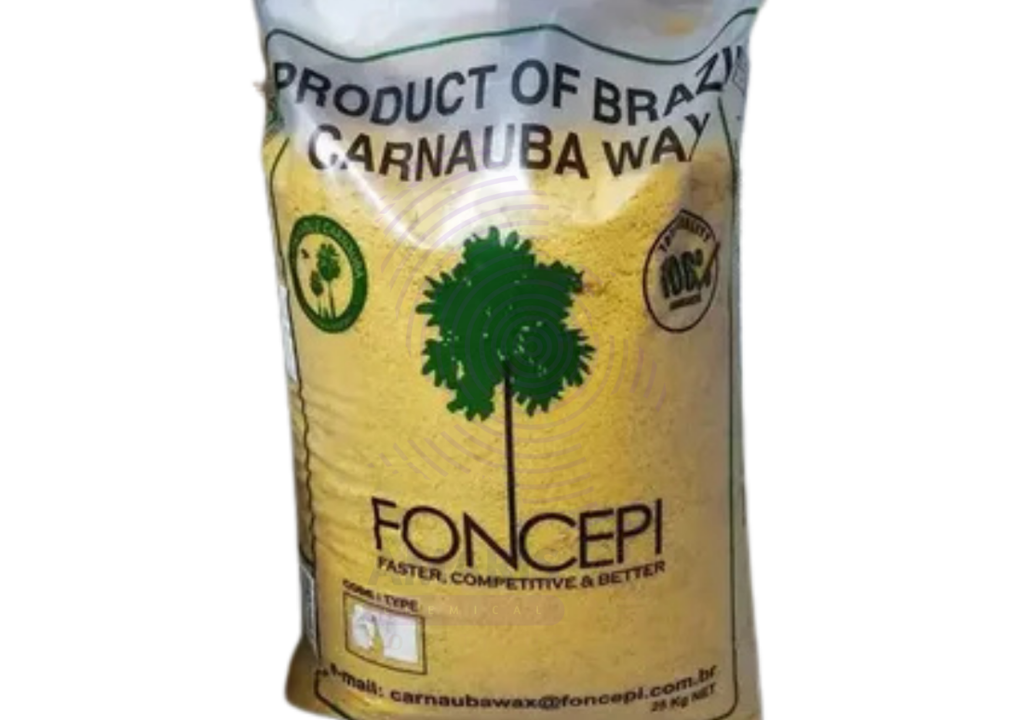
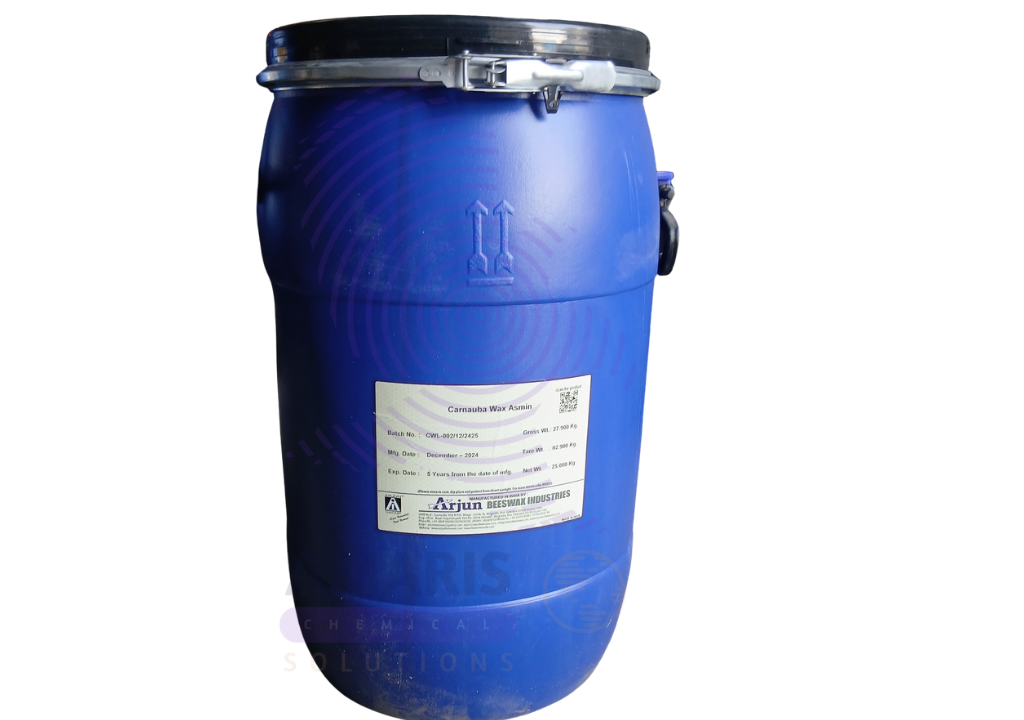

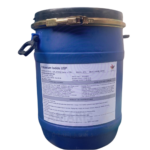





Carnauba Wax Prime Yellow
Original price was: $ 18.11.$ 17.12Current price is: $ 17.12.
Carnauba Wax Prime Yellow, also known as Type 1 or Prime Yellow Grade, is the highest quality and purest form of carnauba wax derived from the leaves of the Copernicia cerifera palm tree, native to Brazil. It is a natural, vegetable-based wax prized for its exceptional hardness, high gloss, high melting point, and emulsification properties. Prime Yellow grade represents the finest classification, characterized by its light yellow to pale amber color, low impurities, and superior film-forming characteristics. It is obtained through a meticulous process of harvesting, drying, and processing the palm leaves to extract the waxy coating, which is then refined and graded. Carnauba Wax is often referred to as the “Queen of Waxes” due to its unique combination of properties unmatched by synthetic alternatives. Technical grade Carnauba Wax Prime Yellow is used across numerous industries for its ability to impart gloss, hardness, slip resistance, and moisture barrier properties. It is not intended for direct food consumption but is widely used in food-contact applications such as coatings and packaging.
Carnauba Wax Prime Yellow
Primary Uses
1. Cosmetic and Personal Care Chemicals
-
Lipsticks and lip balms: Provides structure, hardness, and high-gloss finish with excellent mold release.
-
Eyeliners and mascaras: Imparts water resistance, adhesion, and smooth application.
-
Creams and lotions: Functions as a thickener and stabilizer in water-in-oil emulsions.
-
Deodorant sticks: Contributes to structural integrity and glide properties.
-
Hair styling products: Adds hold and shine in pomades, waxes, and styling pastes.
2. Paint and Coatings Chemicals
-
Industrial coatings: Enhances surface hardness, scratch resistance, and gloss retention.
-
Wood finishes and varnishes: Provides durable, water-resistant protective films with deep luster.
-
Automotive waxes and polishes: Key ingredient for high-gloss, durable protective coatings.
-
Leather finishes: Imparts water repellency, scuff resistance, and polished appearance.
3. Food and Beverage Chemicals (Conditional – for food-contact applications)
-
Fruit and vegetable coatings: Forms edible protective coatings to extend shelf life and improve appearance.
-
Confectionery glazes: Provides high-gloss finish on chocolates, candies, and panned products.
-
Cheese coatings: Prevents moisture loss and mold growth during aging.
-
Food packaging coatings: Used in paper and board coatings for moisture resistance.
4. Pharmaceutical Chemicals (Conditional – requires appropriate certification)
-
Tablet coatings: Imparts gloss and moisture barrier in pharmaceutical film coatings.
-
Suppository base: Provides structure and controlled release properties.
Secondary Uses
1. Polishes and Protectants
-
Shoe and leather polishes: Delivers high gloss and durable protection.
-
Furniture polishes: Creates hard, glossy, smear-resistant films.
-
Floor waxes and finishes: Provides durable, high-traffic floor protection with excellent gloss.
2. Plastics and Polymer Manufacturing
-
Processing aid: Acts as an internal and external lubricant in PVC and other polymers.
-
Release agent: Facilitates demolding of plastic parts.
3. Paper and Printing
-
Paper coatings: Improves gloss, water resistance, and printability.
-
Carbon paper and ribbons: Used in coating formulations for typewriter and printer ribbons.
4. Industrial Applications
-
Electrical insulation: Component in wire and cable coatings.
-
Lubricants: Additive in industrial lubricants and greases.
-
Adhesives: Modifies tack and improves surface properties.
1. Basic Identification Attributes
-
Chemical Name: Carnauba wax; Copernicia cerifera wax
-
Common/Trade Name: Carnauba Wax Prime Yellow; Type 1 Carnauba; Prime Yellow Carnauba; Brazil Wax
-
CAS Number: 8015-86-9
-
HS Code: 1521.10
-
EINECS Number: 232-399-4
-
Synonyms:
-
Brazil wax
-
Palm wax
-
Carnauba wax Type 1
-
Carnauba Prime Yellow
-
Copernicia cerifera wax
-
2. Physical & Chemical Properties
-
Physical State: Solid flakes, powder, or lumps
-
Color: Light yellow to pale amber (Prime Yellow grade)
-
Odor: Characteristic, mild, non-objectionable
-
Melting Point: 82–86°C (180–187°F) – highest of all natural waxes
-
Flash Point: > 240°C (464°F)
-
Density: 0.99–1.00 g/cm³ at 25°C
-
Acid Value: 2–7 mg KOH/g
-
Saponification Value: 78–88 mg KOH/g
-
Iodine Value: 7–14 g/100g
-
Ester Value: 75–85 mg KOH/g
-
Unsaponifiable Matter: 50–55%
-
Penetration (25°C): 1–2 mm (very hard)
-
Solubility: Insoluble in water; soluble in warm chloroform, toluene, xylene, and alkaline solutions; partially soluble in hot alcohol and oils
3. Safety & Hazard Attributes
-
GHS Classification: Not classified as hazardous under normal conditions of use
-
WHMIS Classification: Not controlled
-
HMIS Rating: Health: 0, Flammability: 1, Reactivity: 0
-
Toxicity: Practically non-toxic (LD₅₀ oral rat > 5,000 mg/kg)
-
Irritation: Non-irritating to skin and eyes under normal use
-
Allergenicity: Low potential for allergic reactions
-
Combustibility: Combustible solid; dust may form explosive mixtures with air in finely divided form
4. Storage & Handling Attributes
-
Storage Conditions: Store in a cool, dry, well-ventilated area away from direct sunlight and heat sources. Protect from moisture and contamination.
-
Container Type: Multi-layer paper bags, woven polypropylene bags, cartons, fiber drums, or boxes
-
Shelf Life: 2–5 years when stored under recommended conditions
-
Handling Precautions:
-
Avoid generation of dust clouds
-
Use local exhaust ventilation in high-dust operations
-
Minimize static discharge; ground equipment
-
Prevent accumulation of dust on surfaces
-
Avoid contact with strong oxidizing agents
-
-
Storage Measures: Keep containers tightly closed when not in use; maintain temperatures below 40°C to prevent caking
5. Regulatory & Compliance Attributes
-
Regulatory Status:
-
FDA 21 CFR 175.105, 175.300, 176.170, 176.180, 177.1200, 177.2600, 178.3910 – Approved for food-contact applications
-
TSCA (USA): Listed
-
DSL (Canada): Listed
-
EINECS/ELINCS (EU): 232-399-4
-
REACH: Registered for industrial use
-
JECFA: Accepted as food additive
-
Halal and Kosher certifications available
-
-
Labeling Requirements: Technical grade products must be clearly labeled "Not for Human Consumption" unless certified for food use
6. Environmental & Health Impact
-
Biodegradability: Readily biodegradable (natural vegetable wax)
-
Ecotoxicity: Practically non-toxic to aquatic organisms
-
Bioaccumulation: Low potential for bioaccumulation
-
Renewable Resource: Sourced from sustainable palm cultivation
Safety Handling Precautions
-
PPE Required:
-
Eyes: Safety glasses or goggles
-
Skin: Chemical-resistant gloves (nitrile or neoprene) for prolonged handling
-
Respiratory: Use NIOSH-approved N95 or P100 particulate respirator if airborne dust concentrations are high
-
Body: Work uniform or lab coat
-
-
Handling Guidelines:
-
Minimize dust generation and accumulation
-
Use non-sparking tools and grounded equipment
-
Avoid breathing dust or fumes
-
Practice good housekeeping to prevent dust layering
-
Do not eat, drink, or smoke in handling areas
-
-
Storage Measures:
-
Store away from strong oxidizing agents
-
Protect from moisture and high humidity
-
Maintain moderate temperature conditions (10–30°C)
-
Rotate stock using FIFO method
-
-
Hygiene Practices:
-
Wash hands thoroughly after handling
-
Remove contaminated clothing and launder before reuse
-
Shower at end of shift
-
First Aid Measures
-
Inhalation: Remove the person to fresh air. If breathing is difficult, administer oxygen. Seek medical attention if cough, shortness of breath, or other symptoms develop.
-
Skin Contact: Wash skin thoroughly with soap and plenty of water. Seek medical attention if irritation persists.
-
Eye Contact: Rinse cautiously with lukewarm, gently flowing water for at least 15 minutes while holding eyelids open. Remove contact lenses if present. Seek medical attention if irritation, redness, or discomfort persists.
-
Ingestion: Rinse mouth thoroughly with water. Do NOT induce vomiting. Drink one or two glasses of water. Seek medical attention if large quantities are swallowed or if discomfort occurs.
Firefighting Measures
-
Fire Hazards: Combustible solid. Finely divided dust, when dispersed in air and ignited, can cause dust explosions.
-
Flash Point: > 240°C (464°F)
-
Auto-ignition Temperature: > 400°C
-
Extinguishing Media:
-
Preferred: Water spray, foam, dry chemical, CO₂
-
Avoid: High-pressure water stream may spread burning material
-
-
Special Firefighting Procedures:
-
Wear full protective clothing and self-contained breathing apparatus (SCBA)
-
Use water spray to cool exposed containers and suppress dust
-
Contain firefighting runoff to prevent environmental contamination
-
-
Hazardous Combustion Products: Carbon monoxide, carbon dioxide, acrid smoke and fumes
Related products
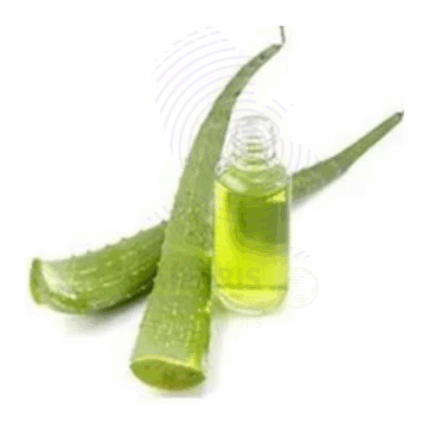
Aloe Vera Oil
Aloe Vera Oil is an oil-based extract derived by infusing Aloe vera (Aloe barbadensis) leaves into a carrier oil such as coconut, soybean, or sunflower oil. It captures the beneficial compounds of aloe—including polysaccharides, vitamins, enzymes, and amino acids—in an oil-soluble form ideal for cosmetic, therapeutic, and personal care applications. Known for its soothing, anti-inflammatory, and moisturizing properties, Aloe Vera Oil is widely used in skin and hair care formulations.
This gentle, skin-friendly oil is suitable for sensitive skin and is commonly employed in after-sun products, healing ointments, massage oils, and anti-aging creams. It provides hydration, calms irritation, and promotes skin regeneration while adding emollient and conditioning benefits.
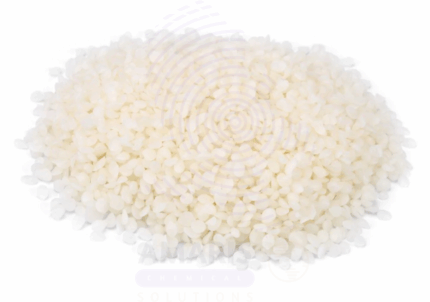
Avocado Wax
Avocado wax is a natural plant-derived wax extracted primarily from the pulp and seed of the avocado fruit (Persea americana). It appears as a hard, yellowish wax with excellent emollient, film-forming, and moisturizing properties. Valued for its biodegradability, compatibility with various formulations, and sustainability, avocado wax is widely used as a natural alternative to synthetic waxes in cosmetics, pharmaceuticals, food, and industrial applications.

Camelia Oil Infused
Camelia Oil Infused is a gentle, nutrient-rich botanical oil made by infusing the flowers or leaves of the Camellia sinensis or Camellia japonica plant into a carrier oil such as olive, jojoba, or sweet almond oil. Unlike cold-pressed camellia seed oil, this infusion captures a wider spectrum of antioxidant polyphenols, flavonoids, and saponins from the plant material, delivering enhanced skin and hair benefits. Known for its lightweight, non-greasy texture and rapid absorption, Camellia Infused Oil is deeply moisturizing and ideal for sensitive, dry, or aging skin.
Popular in Japanese and Korean beauty traditions, this oil is often used to promote skin elasticity, smoothness, and overall rejuvenation, making it a preferred ingredient in natural cosmetic and personal care products.
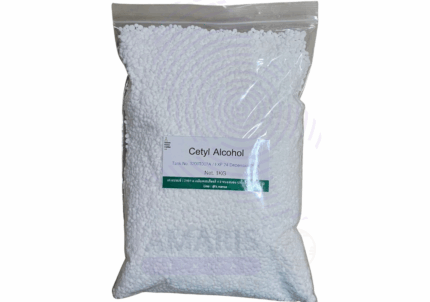
Cetyl Stearyl Alcohol (CSA)
Cetyl Stearyl Alcohol (CSA), also known as Cetearyl Alcohol, is a blended fatty alcohol consisting primarily of cetyl (C16) and stearyl (C18) alcohols. It appears as white to pale yellow waxy flakes or pellets with a mild fatty odor. CSA is widely used in cosmetics, pharmaceuticals, and personal care products as an emollient, thickener, and co-emulsifier. It enhances texture, improves stability, and provides a smooth, velvety skin feel in formulations. Being a non-ionic surfactant, it also aids in stabilizing oil-in-water emulsions and is favored for its gentle nature on the skin and hair.
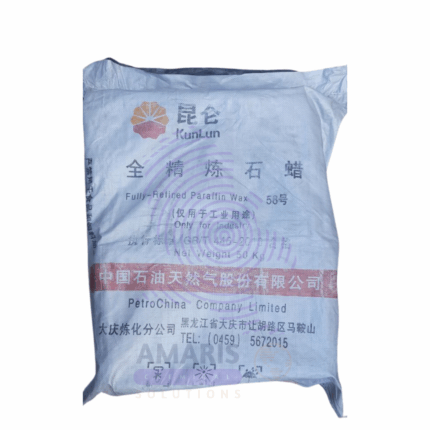
Fully Refined Paraffin Wax
Fully Refined Paraffin Wax is a highly purified, odorless, white to pale yellow wax obtained from the refining of petroleum-derived crude paraffin wax. It consists primarily of saturated hydrocarbons (alkanes) with chain lengths typically between C20 and C40. Due to its excellent chemical stability, non-toxicity, and versatility, Fully Refined Paraffin Wax is widely used across numerous industries including cosmetics, pharmaceuticals, food packaging, candle making, rubber processing, and electrical insulation. It exhibits a high melting point, low volatility, and good water resistance.
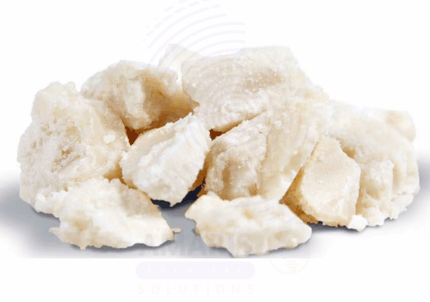
Illipe Butter
Illipe Butter is a natural, hard vegetable fat derived from the nuts of the Shorea stenoptera tree, native to the rainforests of Borneo. Known for its high melting point and rich moisturizing profile, Illipe Butter is prized in cosmetic, pharmaceutical, and food applications for its emollient qualities and stability. It closely resembles cocoa butter in composition and function, making it a sustainable alternative in formulations requiring consistency and long shelf life. The butter appears as a pale yellow to off-white solid with a mild, neutral aroma.
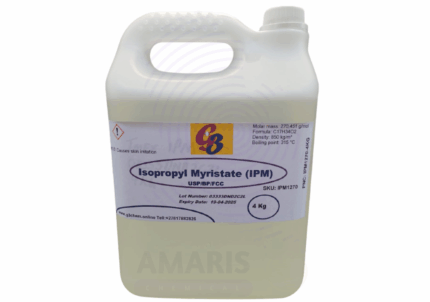
Isopropyl Myristate
Isopropyl Myristate is a clear, colorless, and oily liquid ester formed by the reaction of isopropyl alcohol and myristic acid. It has a mild, pleasant odor and excellent spreading properties. IPM is widely used in cosmetics, pharmaceuticals, and industrial applications as an emollient, solvent, and penetration enhancer due to its ability to improve texture and absorption of topical formulations.
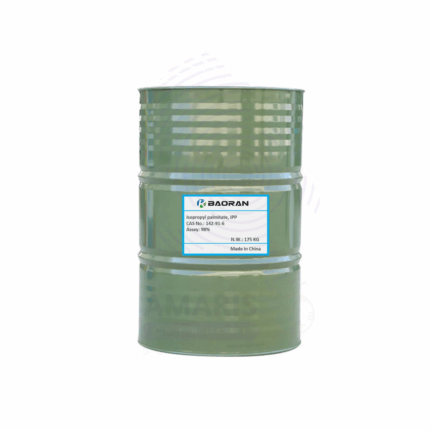
Isopropyl Palmitate
Isopropyl Palmitate IPP is a clear, colorless to pale yellow oily liquid formed by the esterification of isopropyl alcohol and palmitic acid. It has a mild odor and is widely used in cosmetic, pharmaceutical, and industrial formulations as an emollient, lubricant, and solvent. IPP is valued for its excellent skin absorption, non-greasy feel, and ability to improve texture and spreadability of topical products.












