

 Preservatives(food)
 Flavor Enhancers
 Acidulants
 Sweeteners
 Antioxidants
 Colorants(food)
 Nutraceutical Ingredients (food)
 Nutrient Supplements
 Emulsifiers
 Collectors
 Dust Suppressants
 Explosives and Blasting Agents
 Flocculants and Coagulants
 Frothers
 Leaching Agents
 pH Modifiers
 Precious Metal Extraction Agents
 Antioxidants(plastic)
 Colorants (Pigments, Dyes)
 Fillers and Reinforcements
 Flame Retardants
 Monomers
 Plasticizers
 Polymerization Initiators
 Stabilizers (UV, Heat)
 Antifoaming Agents
 Chelating Agents
 Coagulants and Flocculants
 Corrosion Inhibitors
 Disinfectants and Biocides
 Oxidizing Agents
 pH Adjusters
 Scale Inhibitors( water)
 Antioxidants(cosmetic)
 Emollients
 Fragrances and Essential Oils
 Humectants
 Preservatives
 Surfactants(cosmetic)
 Thickeners
 UV Filters
 Fertilizers
 Soil Conditioners
 Plant Growth Regulators
 Animal Feed Additives
 Biostimulants
 Pesticides (Herbicides, Insecticides, Fungicides)
 Active Pharmaceutical Ingredients (APIs)
 Excipients
 Solvents(pharmaceutical)
 Antibiotics
 Antiseptics and Disinfectants
 Vaccine Adjuvants
 Nutraceutical Ingredients (pharmaceutical)
 Analgesics & Antipyretics
 Analytical Reagents
 Solvents(lab)
 Chromatography Chemicals
 Spectroscopy Reagents
 microbiology-and-cell-culture-reagents
 Molecular Biology Reagents
 Biochemical Reagents
 Inorganic and Organic Standards
 Laboratory Safety Chemicals
 Specialty Laboratory Chemicals(Special Laboratory Equipment)
 Demulsifiers
 Hydraulic Fracturing Fluids
 Scale Inhibitors(oil)
 Surfactants(oil)
 Drilling Fluids
 Dyes and Pigments
 Bleaching Agents
 Softening Agents
 Finishing Agents
 Antistatic Agents
 Admixtures
 Waterproofing Agents
 Sealants and Adhesives
 Curing Compounds
 Concrete Repair Chemicals
 Anti-Corrosion Coatings
 Surfactants(cleaning)
 Builders
 Enzymes
 Solvents (Cleaning)
 Fragrances
 Electronic Chemicals
 Catalysts
 Lubricants
 Photographic Chemicals
 Refrigerants
 Automotive chemicals
 Pyrotechnic Chemicals
 Biodegradable Surfactants
 Bio-based Solvents
 Renewable Polymers
 Carbon Capture Chemicals
 Wastewater Treatment Chemicals
 Pigments
 Solvents(paint)
 Specialty Coatings
 Binders/Resins
 Additives
 Driers
 Anti-Corrosion Agents
 Functional Coatings
 Application-Specific Coatings
 Leavening Agents
 Dough Conditioners
 Flour Treatments
 Fat Replacers
 Decoratives
 Preservatives(baking)
 Plasticizers & Softeners
 Reinforcing Agents
 Adhesion Promoters
 Vulcanizing Agents
 Antidegradants
 Blowing Agents
 Fillers & Extenders
 Accelerators & Retarders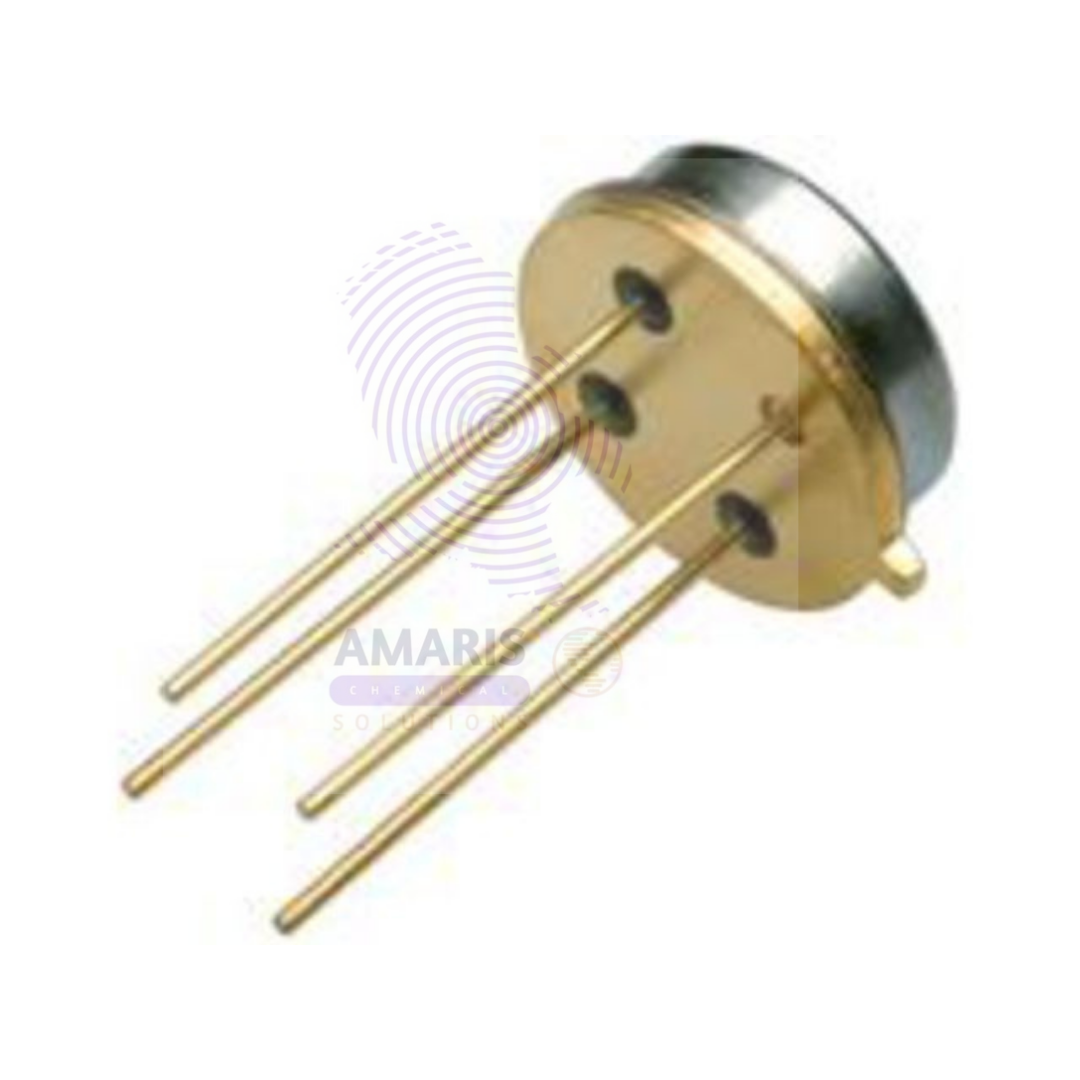

Thermopiles
Original price was: $ 12.57.$ 12.43Current price is: $ 12.43.
Thermopiles are electronic devices composed of multiple thermocouples connected in series or parallel to increase the output voltage generated from temperature differences. They convert thermal energy into electrical energy, enabling precise temperature measurement and heat flux detection. Thermopiles are widely used in laboratory instruments, infrared sensors, gas analyzers, and thermal imaging equipment due to their sensitivity and ability to measure temperature without direct contact. Their robust construction allows them to operate over a broad temperature range and in harsh environments.
Thermopiles
Primary Uses
- Laboratory Applications
- Measuring temperature gradients in experiments requiring high sensitivity.
- Detecting infrared radiation in thermal sensors and imaging systems.
- Monitoring heat flux in material science and engineering studies.
- Used in non-contact temperature measurement setups.
- Employed in environmental studies for heat flow analysis.
Secondary Uses
- Utilized in industrial gas analyzers and combustion monitoring.
- Applied in medical devices for detecting body temperature and radiation.
- Used in educational settings for demonstrating thermoelectric effects.
1.Basic Identification Attributes
- Composition: Multiple thermocouples connected to amplify voltage output.
- Design: Compact and integrated sensing element.
- Sizes: Available in various dimensions depending on application needs.
2.Physical & Chemical Properties
- Sensitivity: Higher voltage output than single thermocouples.
- Temperature Range: Operates effectively across wide temperature ranges.
- Durability: Resistant to mechanical and thermal stress.
3.Safety & Hazard Attributes
- Avoid physical damage to sensor elements to maintain accuracy.
- Proper electrical insulation necessary to prevent shorts.
4.Storage & Handling Attributes
- Store in clean, dry conditions away from mechanical stress.
- Handle gently to avoid bending or breaking sensor wires.
5.Regulatory & Compliance Attributes
- Compliant with relevant laboratory equipment and electrical standards.
- Suitable for use in GLP-compliant environments.
6.Environmental & Health Impact
- Components are recyclable; ensure proper disposal of electronic waste.
Safety Handling Precautions
- Use appropriate PPE when installing or handling live electrical components.
- Avoid exposure to excessive mechanical or thermal shock.
First Aid Measures
- For electric shock incidents, seek immediate medical care.
- Treat any injuries from broken parts or sharp edges with standard first aid.
Firefighting Measures
- Non-flammable device; extinguish fires in surrounding area using suitable methods.
Related products
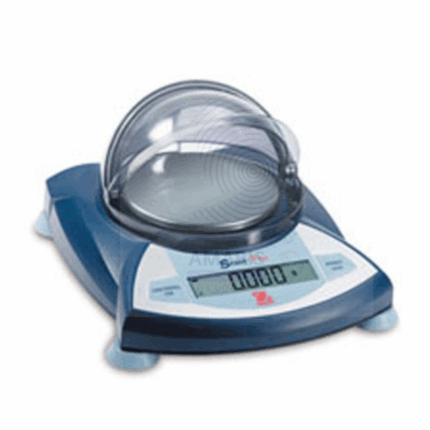
Balance Electronic Ohaus Scout Pro
The Balance Electronic Ohaus Scout Pro is a versatile, high-performance laboratory balance designed for precision weighing in demanding laboratory and industrial environments. Featuring a durable stainless steel housing, intuitive user interface, and a bright backlit LCD display, the Scout Pro offers fast, accurate measurements with high repeatability. It includes multiple weighing units, built-in applications such as parts counting, check weighing, formulation, and dynamic weighing, making it ideal for a broad range of scientific, educational, and quality control tasks. Its robust design supports both bench-top and portable use, powered by AC or rechargeable battery, providing flexibility and reliability in various operational settings.
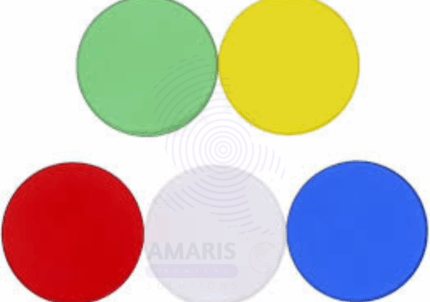
Color Filters
Color Filters are optical components designed to selectively transmit light of specific wavelengths while absorbing or reflecting others. These filters are used in various laboratory and industrial applications to isolate particular colors for scientific experiments, photography, microscopy, and optical analysis. Manufactured from high-quality glass or plastic materials, color filters ensure consistent performance with minimal distortion and high durability.
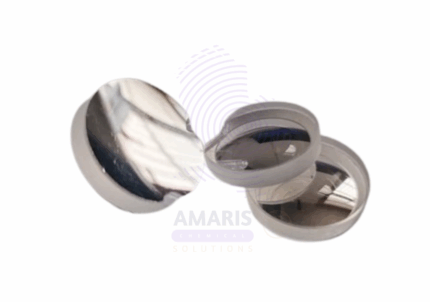
Concave and convex lens
Concave and Convex Lenses are essential optical components used to manipulate light by refraction. A convex lens is thicker at the center and converges light rays to a focal point, while a concave lens is thinner at the center and diverges light rays. These lenses are fundamental in various scientific experiments, optical instruments, and educational demonstrations to study image formation, focal length, magnification, and light behavior. Manufactured with high-quality optical glass or plastic, they offer clarity and precision necessary for laboratory and industrial applications.

conductivity rods
Conductivity rods are laboratory instruments used to measure the electrical conductivity of liquids, which indicates the ionic content and purity of a solution. Typically made from corrosion-resistant materials like stainless steel or graphite, these rods serve as electrodes immersed in liquid samples to detect the flow of electric current. Conductivity rods are essential for water quality testing, chemical analysis, and various industrial processes where monitoring solution conductivity is critical.

Deionizer With 4 Elga Cans
Deionizer with 4 Elga Cans is a high-capacity water purification system engineered for continuous production of deionized water in laboratory and industrial environments. The system uses four Elga mixed-bed ion exchange cartridges working in parallel or series to ensure extended operation, high throughput, and superior water quality. It removes dissolved ions and minerals effectively, producing ultra-low conductivity water ideal for sensitive analytical, biochemical, and production processes. The modular setup allows for easy replacement and maintenance, making it a reliable solution for facilities with high-purity water demands.
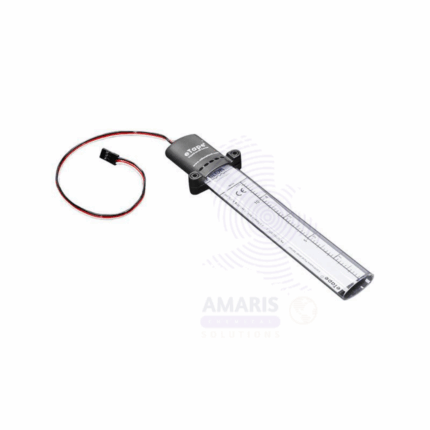
Lab liquid level
The Lab Liquid Level is a precision measuring instrument used to detect and indicate the level of liquids in laboratory containers, tanks, or systems. Designed for accuracy and ease of use, it helps scientists and technicians monitor fluid levels during experiments, processing, or storage. Typically constructed from chemically resistant materials, Lab Liquid Levels are compatible with various liquids including corrosive and volatile substances. They are essential tools for maintaining controlled conditions in chemical, pharmaceutical, and research laboratories.

Litmus paper red
Litmus paper red is a specialized pH indicator paper impregnated with red litmus dye derived from natural lichens. It serves as a quick and reliable qualitative tool for detecting alkaline (basic) conditions in various liquids and substances. Upon contact with an alkaline solution, the red paper undergoes a distinct color change to blue, signaling a pH above approximately 8.3. In neutral or acidic solutions, the paper retains its red color. This simple yet essential laboratory reagent is widely used in chemistry, biology, environmental science, clinical diagnostics, food industry, and educational settings for rapid acidity and alkalinity testing without the need for sophisticated instrumentation.
Red litmus paper is highly valued for its ease of use, portability, and cost-effectiveness, making it ideal for field testing, classroom demonstrations, and routine lab work. It provides immediate visual feedback, which is crucial for quick decision-making during experiments, quality control processes, and environmental monitoring. Packaged typically in convenient strips or sheets within moisture-proof packets, the paper is protected from contamination and degradation, ensuring long shelf life and consistent performance.
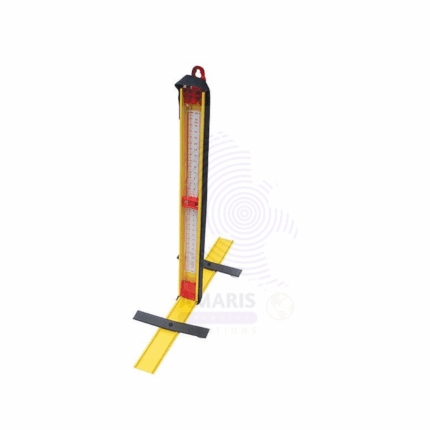
Manometer on stand
The Manometer on Stand is a precision laboratory instrument used to measure pressure differences in gases or liquids. It consists of a U-shaped or straight tube partially filled with a liquid (commonly mercury, water, or oil) mounted securely on a stable stand for ease of use and accurate readings. The manometer operates based on the principle of balancing pressure against the height of the liquid column. It is widely used in physics and engineering laboratories for experiments involving fluid mechanics, gas laws, and pressure calibration. The stand provides stability and convenient placement during measurements.












