

 Preservatives(food)
 Flavors
 Acidulants
 Sweeteners
 Antioxidants
 Colorants(food)
 Nutraceutical Ingredients (food)
 Nutrient Supplements
 Emulsifiers
 Collectors
 Dust Suppressants
 Explosives and Blasting Agents
 Flocculants and Coagulants
 Frothers
 Leaching Agents
 pH Modifiers
 Precious Metal Extraction Agents
 Antioxidants(plastic)
 Colorants (Pigments, Dyes)
 Fillers and Reinforcements
 Flame Retardants
 Monomers
 Plasticizers
 Polymerization Initiators
 Stabilizers (UV, Heat)
 Antifoaming Agents
 Chelating Agents
 Coagulants and Flocculants
 Corrosion Inhibitors
 Disinfectants and Biocides
 Oxidizing Agents
 pH Adjusters
 Scale Inhibitors( water)
 Antioxidants(cosmetic)
 Emollients
 Oils
Oils Carrier Oills
 Essential Oils
 Humectants
 Preservatives
 Surfactants(cosmetic)
 Thickeners
 UV Filters
 Fragrance (Cosmetics)
 Fertilizers
 Soil Conditioners
 Plant Growth Regulators
 Animal Feed Additives
 Biostimulants
 Pesticides (Herbicides, Insecticides, Fungicides)
 Active Pharmaceutical Ingredients (APIs)
 Excipients
 Solvents(pharmaceutical)
 Antibiotics
 Antiseptics and Disinfectants
 Vaccine Adjuvants
 Nutraceutical Ingredients (pharmaceutical)
 Analgesics & Antipyretics
 Analytical Reagents
 Solvents(lab)
 Chromatography Chemicals
 Spectroscopy Reagents
 microbiology-and-cell-culture-reagents
 Molecular Biology Reagents
 Biochemical Reagents
 Inorganic and Organic Standards
 Laboratory Safety Chemicals
 Specialty Laboratory Chemicals(Special Laboratory Equipment)
 Demulsifiers
 Hydraulic Fracturing Fluids
 Scale Inhibitors(oil)
 Surfactants(oil)
 Drilling Fluids
 Dyes and Pigments
 Bleaching Agents
 Softening Agents
 Finishing Agents
 Antistatic Agents
 Admixtures
 Waterproofing Agents
 Sealants and Adhesives
 Curing Compounds
 Concrete Repair Chemicals
 Anti-Corrosion Coatings
 Surfactants(cleaning)
 Builders
 Enzymes
 Solvents (Cleaning)
 Electronic Chemicals
 Catalysts
 Lubricants
 Photographic Chemicals
 Refrigerants
 Automotive chemicals
 Pyrotechnic Chemicals
 Biodegradable Surfactants
 Bio-based Solvents
 Renewable Polymers
 Carbon Capture Chemicals
 Wastewater Treatment Chemicals
 Pigments
 Solvents(paint)
 Specialty Coatings
 Binders/Resins
 Additives
 Driers
 Anti-Corrosion Agents
 Functional Coatings
 Application-Specific Coatings
 Leavening Agents
 Dough Conditioners
 Flour Treatments
 Fat Replacers
 Decoratives
 Preservatives(baking)
 Plasticizers & Softeners
 Reinforcing Agents
 Adhesion Promoters
 Vulcanizing Agents
 Antidegradants
 Blowing Agents
 Fillers & Extenders
 Accelerators & Retarders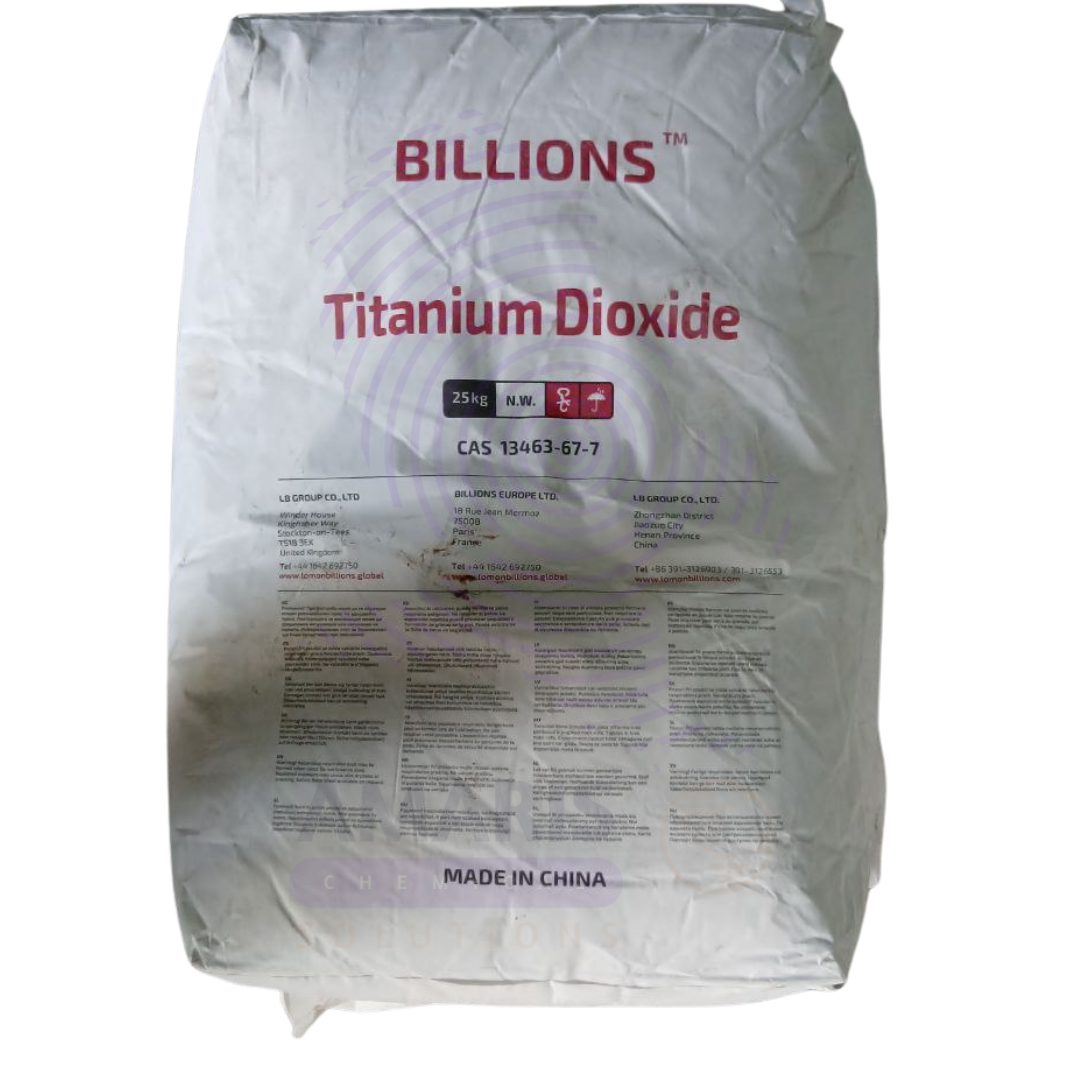


Titanium Dioxide
Titanium Dioxide (TiO₂) is a naturally occurring oxide of titanium known for its exceptional brightness and high refractive index. It is one of the most widely used white pigments in the world due to its excellent opacity, UV resistance, and chemical stability. Available in various crystalline forms—mainly rutile and anatase—it is used across numerous industries including paints, plastics, paper, cosmetics, and food. Industrial grades are often surface-treated to enhance performance in specific applications.
Titanium Dioxide
Primary Uses
- Paints & Coatings Industry
- White Pigment: Provides opacity, brightness, and coverage in decorative, industrial, automotive, and marine coatings.
- UV Protection: Protects underlying surfaces and coatings from photodegradation.
- Color Retention: Enhances weather resistance and maintains paint appearance over time.
- Plastics Industry
- Colorant: Adds whiteness and opacity to plastic products like PVC pipes, window frames, films, containers, and packaging.
- Thermal Stability: Improves heat resistance and longevity in thermoplastics and thermosets.
- UV Resistance: Protects polymers from degradation due to sunlight exposure.
- Paper Industry
- Coating Pigment: Enhances brightness, smoothness, and opacity in high-quality papers and boards.
- Filler: Increases paper bulk and printability, particularly in specialty and coated papers.
- Cosmetics & Personal Care
- Sunscreens: Used as a physical UV filter (especially micronized TiO₂) in SPF formulations.
- Pigment: Provides opacity and brightness in foundations, creams, powders, and lotions.
- Non-Irritant Base: Suitable for sensitive skin due to its inert and non-comedogenic nature.
- Food Industry (Food Grade – E171)
- Food Whitening Agent: Adds brightness and opacity to chewing gum, candies, bakery coatings, and toothpaste.
- Color Stabilizer: Helps maintain color consistency in processed foods and pharmaceuticals.
Secondary Uses
- Pharmaceuticals
- Tablet Coating Agent: Enhances tablet appearance and provides UV protection for light-sensitive drugs.
- Capsules & Gels: Used for whitening and aesthetic appeal in gel capsules.
- Ceramics & Glass
- Opacifier: Adds whiteness and opacity in glazes and ceramic finishes.
- Glass Additive: Improves refractive index and UV filtering in specialty glass applications.
- Textiles
- Pigment Printing: Adds opacity and brightness in printed or dyed fabrics.
- Fiber Additive: Improves UV resistance and colorfastness in synthetic fibers.
- Inks
- Printing Inks: Adds brightness and opacity in packaging, labels, and publications.
- UV Curing Inks: Enhances performance in high-opacity ink formulations for industrial printing.
- Photocatalysis & Environmental Uses
- Air & Water Purification: In anatase form, acts as a photocatalyst to break down pollutants under UV light.
- Self-Cleaning Surfaces: Applied in glass and ceramic coatings to facilitate dirt decomposition.
- Antibacterial Coatings: Used in surfaces where antimicrobial activity is desired.
- Metallurgy & Welding
- Flux Coating: Used in welding electrodes as a flux component to stabilize arc and improve weld quality.
1. Basic Identification Attributes
- Chemical Name (IUPAC): Titanium(IV) oxide
- Common/Trade Name: Titanium Dioxide
- CAS Number: 13463-67-7
- HS Code: 3206.11.00 (Pigment grade)
- Synonyms: TiO₂, titania, rutile, anatase, E171 (food grade)
2. Physical & Chemical Properties
- Physical State: Powder (fine or ultrafine)
- Color & Odor: White, odorless
- Crystal Forms: Rutile (high refractive index, more stable) and Anatase (higher photocatalytic activity)
- Melting Point: 1,843 °C
- Density: 3.9–4.2 g/cm³ (rutile), 3.8–3.9 g/cm³ (anatase)
- Refractive Index: ~2.7 (rutile), ~2.5 (anatase)
- Solubility: Insoluble in water; soluble in concentrated acids
3. Safety & Hazard Attributes
- GHS Classification: Not classified as hazardous in solid form; inhalable dust may be hazardous
- Toxicity: Considered low toxicity; concern exists over inhalation of fine particles (especially nanoparticles)
- Exposure Limits:
- OSHA PEL: 15 mg/m³ (total dust)
- ACGIH TLV: 10 mg/m³ (inhalable fraction)
4. Storage & Handling Attributes
- Storage Conditions: Store in dry, well-ventilated area; avoid moisture contamination
- Container Type: Multi-ply paper bags, FIBCs, or drums
- Shelf Life: Stable indefinitely under proper storage
- Handling Precautions: Avoid generating dust; use dust extraction and PPE where necessary
5. Regulatory & Compliance Attributes
- Complies with REACH and OSHA standards for industrial use
- Food-grade form (E171) approved by Codex, USP, FCC, and European Food Safety Authority (EFSA) (note: banned for food use in some jurisdictions like the EU)
- Pharmaceutical grades comply with USP, BP, and EP standards
- Listed in TSCA (USA), DSL (Canada), and other global inventories
- Subject to labeling requirements depending on particle size (e.g., nanoparticles)
6. Environmental & Health Impact
- Biodegradability: Inorganic; does not biodegrade
- Ecotoxicity: Low for pigment-grade; nanoparticle form may affect aquatic life
- Bioaccumulation: Not significant in pigment form
- Photocatalytic Risk: Anatase TiO₂ may generate reactive oxygen species under UV light, which can impact ecosystems
Safety Handling Precautions
- PPE Required: Dust mask, gloves, goggles recommended for bulk handling
- Handling Guidelines: Use in well-ventilated areas; minimize airborne dust generation
- Storage Measures: Keep containers sealed and dry; avoid contamination with incompatible substances
First Aid Measures
- Inhalation: Move to fresh air; seek medical attention if respiratory irritation occurs
- Skin Contact: Wash with soap and water
- Eye Contact: Rinse with water for several minutes; seek medical attention if irritation persists
- Ingestion: Rinse mouth; seek medical advice if large quantity ingested
Firefighting Measures
- Fire Hazards: Non-flammable; stable under fire conditions
- Extinguishing Media: Use media appropriate for surrounding fire
- Hazardous Combustion Products: None specific; may release metal oxide fumes if involved in fire
Related products
Bright Red Color Water Soluble
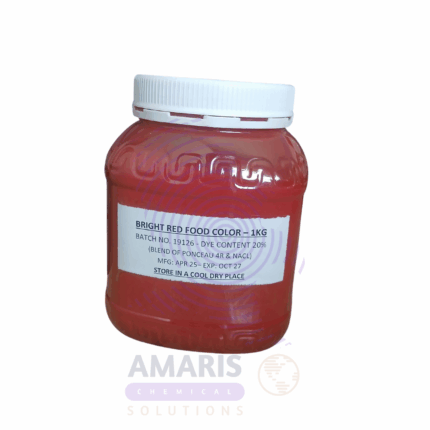
Bright Red Color Water Soluble is a synthetic water-soluble dye known for its vivid, intense red hue and excellent clarity in aqueous solutions. It dissolves readily in water, offering uniform dispersion and strong colorfastness across a wide pH range. This dye is widely used in textile dyeing, food and beverage coloring, cosmetics, pharmaceuticals, paints, and laboratory settings. Its chemical stability and bright coloration make it suitable for industrial, research, and commercial applications requiring reliable red pigmentation in water-based systems.
Calcium Carbonate Heavy
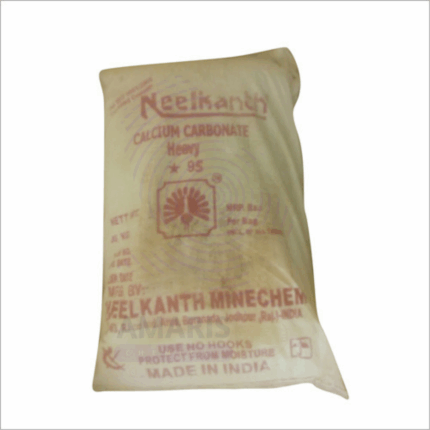
Calcium Carbonate Heavy is a high-density, finely ground, natural mineral primarily composed of calcium carbonate (CaCO₃). Known for its higher bulk density compared to regular grades, this filler is widely used in applications requiring enhanced weight, opacity, and strength. It is commonly employed as a functional filler and extender in industries such as plastics, paints, coatings, adhesives, rubber, paper, and construction materials. Its inert nature, whiteness, and particle size distribution make it suitable for improving mechanical properties and surface finish, while also offering cost efficiency by replacing more expensive raw materials.
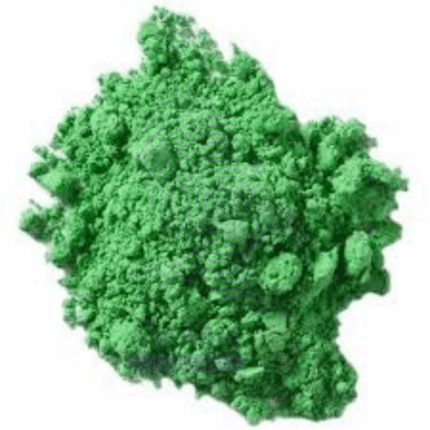
Green Pigment
Green Pigment is a concentrated dispersion of green pigment particles in a suitable carrier, designed for use in a variety of industrial and commercial applications. Known for its vivid green color and excellent stability, this pigment offers good resistance to heat, light, and chemicals. It is widely employed in plastics, coatings, inks, and other manufacturing processes where vibrant, durable green coloration is required.
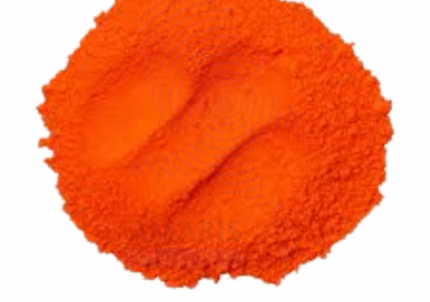
Pigment Orange
Pigment Orange is a concentrated dispersion of synthetic orange pigment particles in a suitable carrier, designed to deliver bright, vivid orange coloration. It offers excellent stability, heat resistance, and chemical inertness, making it suitable for diverse industrial applications including paints, plastics, inks, and coatings. This pigment ensures consistent color strength and durability across a variety of substrates.
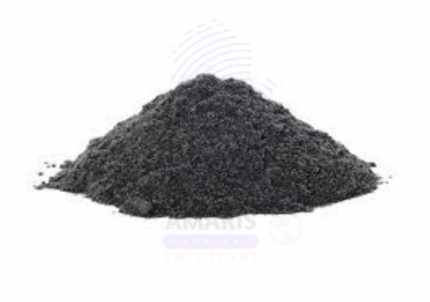
Satin Black
Satin Black is a premium black pigment or coating product designed to provide a smooth, satin finish with moderate gloss and a soft sheen. It is widely used in paints, coatings, plastics, and inks to impart a deep black color with a balanced, non-reflective surface appearance. Satin Black offers good opacity, durability, and resistance to environmental factors, making it ideal for decorative and functional applications requiring an elegant, subdued black finish.
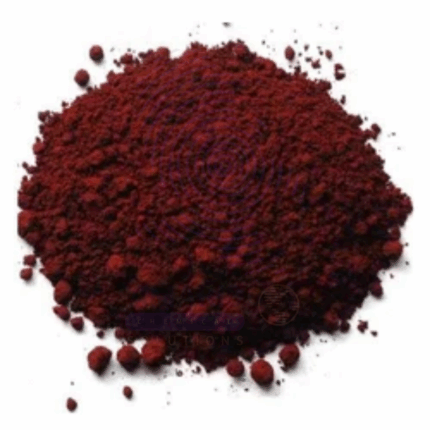
Solvent Red 2 Oil Soluble
Solvent Red 2 Oil Soluble is a synthetic dye renowned for its intense red coloration and excellent solubility in oils and organic solvents. It is widely used in industrial applications such as paints, coatings, inks, plastics, and fuel coloring. The dye offers strong tinting strength, good stability to light and heat, and vibrant color effects in non-polar mediums. Solvent Red 2 is supplied as a fine powder or concentrated liquid, making it suitable for various manufacturing and research uses requiring oil-soluble red pigments.
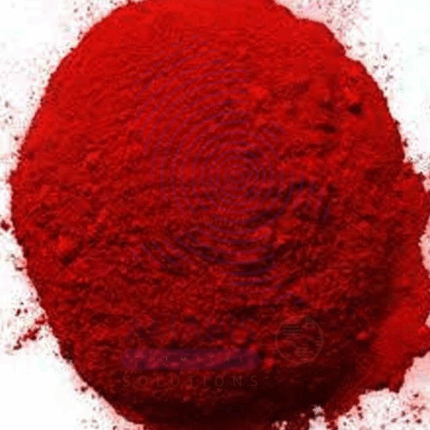
Tomato Red Dye
Tomato Red Dye is a synthetic azo dye prized for its vibrant, bright red coloration and excellent water solubility. It delivers consistent, vivid red shades that are stable under a variety of environmental conditions, including exposure to light, heat, and washing. This dye is extensively used across multiple industries including food and beverage, cosmetics, pharmaceuticals, and textiles. In food applications, it enhances the visual appeal of products such as beverages, confectionery, sauces, and baked goods. Its compatibility with different formulation types and regulatory approvals make it a reliable choice for cosmetic products like lipsticks, blushes, and nail polishes, as well as pharmaceutical tablets and syrups for identification and aesthetic purposes. The dye's superior performance, combined with strict adherence to safety and quality standards, ensures that it meets the requirements of manufacturers and regulatory bodies worldwide.

Yellow Oxide
Yellow Oxide is a high-quality, synthetic iron oxide pigment characterized by its bright yellow color, excellent tinting strength, and outstanding durability. It is widely used as a colorant in coatings, plastics, construction materials, and other industrial applications. This pigment provides excellent weather resistance, chemical stability, and heat stability, ensuring vibrant and long-lasting color performance in various end products.












