

 Preservatives(food)
 Flavors
 Acidulants
 Sweeteners
 Antioxidants
 Colorants(food)
 Nutraceutical Ingredients (food)
 Nutrient Supplements
 Emulsifiers
 Collectors
 Dust Suppressants
 Explosives and Blasting Agents
 Flocculants and Coagulants
 Frothers
 Leaching Agents
 pH Modifiers
 Precious Metal Extraction Agents
 Antioxidants(plastic)
 Colorants (Pigments, Dyes)
 Fillers and Reinforcements
 Flame Retardants
 Monomers
 Plasticizers
 Polymerization Initiators
 Stabilizers (UV, Heat)
 Antifoaming Agents
 Chelating Agents
 Coagulants and Flocculants
 Corrosion Inhibitors
 Disinfectants and Biocides
 Oxidizing Agents
 pH Adjusters
 Scale Inhibitors( water)
 Antioxidants(cosmetic)
 Emollients
 Oils
Oils Carrier Oills
 Essential Oils
 Humectants
 Preservatives
 Surfactants(cosmetic)
 Thickeners
 UV Filters
 Fragrance (Cosmetics)
 Fertilizers
 Soil Conditioners
 Plant Growth Regulators
 Animal Feed Additives
 Biostimulants
 Pesticides (Herbicides, Insecticides, Fungicides)
 Active Pharmaceutical Ingredients (APIs)
 Excipients
 Solvents(pharmaceutical)
 Antibiotics
 Antiseptics and Disinfectants
 Vaccine Adjuvants
 Nutraceutical Ingredients (pharmaceutical)
 Analgesics & Antipyretics
 Analytical Reagents
 Solvents(lab)
 Chromatography Chemicals
 Spectroscopy Reagents
 microbiology-and-cell-culture-reagents
 Molecular Biology Reagents
 Biochemical Reagents
 Inorganic and Organic Standards
 Laboratory Safety Chemicals
 Specialty Laboratory Chemicals(Special Laboratory Equipment)
 Demulsifiers
 Hydraulic Fracturing Fluids
 Scale Inhibitors(oil)
 Surfactants(oil)
 Drilling Fluids
 Dyes and Pigments
 Bleaching Agents
 Softening Agents
 Finishing Agents
 Antistatic Agents
 Admixtures
 Waterproofing Agents
 Sealants and Adhesives
 Curing Compounds
 Concrete Repair Chemicals
 Anti-Corrosion Coatings
 Surfactants(cleaning)
 Builders
 Enzymes
 Solvents (Cleaning)
 Electronic Chemicals
 Catalysts
 Lubricants
 Photographic Chemicals
 Refrigerants
 Automotive chemicals
 Pyrotechnic Chemicals
 Biodegradable Surfactants
 Bio-based Solvents
 Renewable Polymers
 Carbon Capture Chemicals
 Wastewater Treatment Chemicals
 Pigments
 Solvents(paint)
 Specialty Coatings
 Binders/Resins
 Additives
 Driers
 Anti-Corrosion Agents
 Functional Coatings
 Application-Specific Coatings
 Leavening Agents
 Dough Conditioners
 Flour Treatments
 Fat Replacers
 Decoratives
 Preservatives(baking)
 Plasticizers & Softeners
 Reinforcing Agents
 Adhesion Promoters
 Vulcanizing Agents
 Antidegradants
 Blowing Agents
 Fillers & Extenders
 Accelerators & Retarders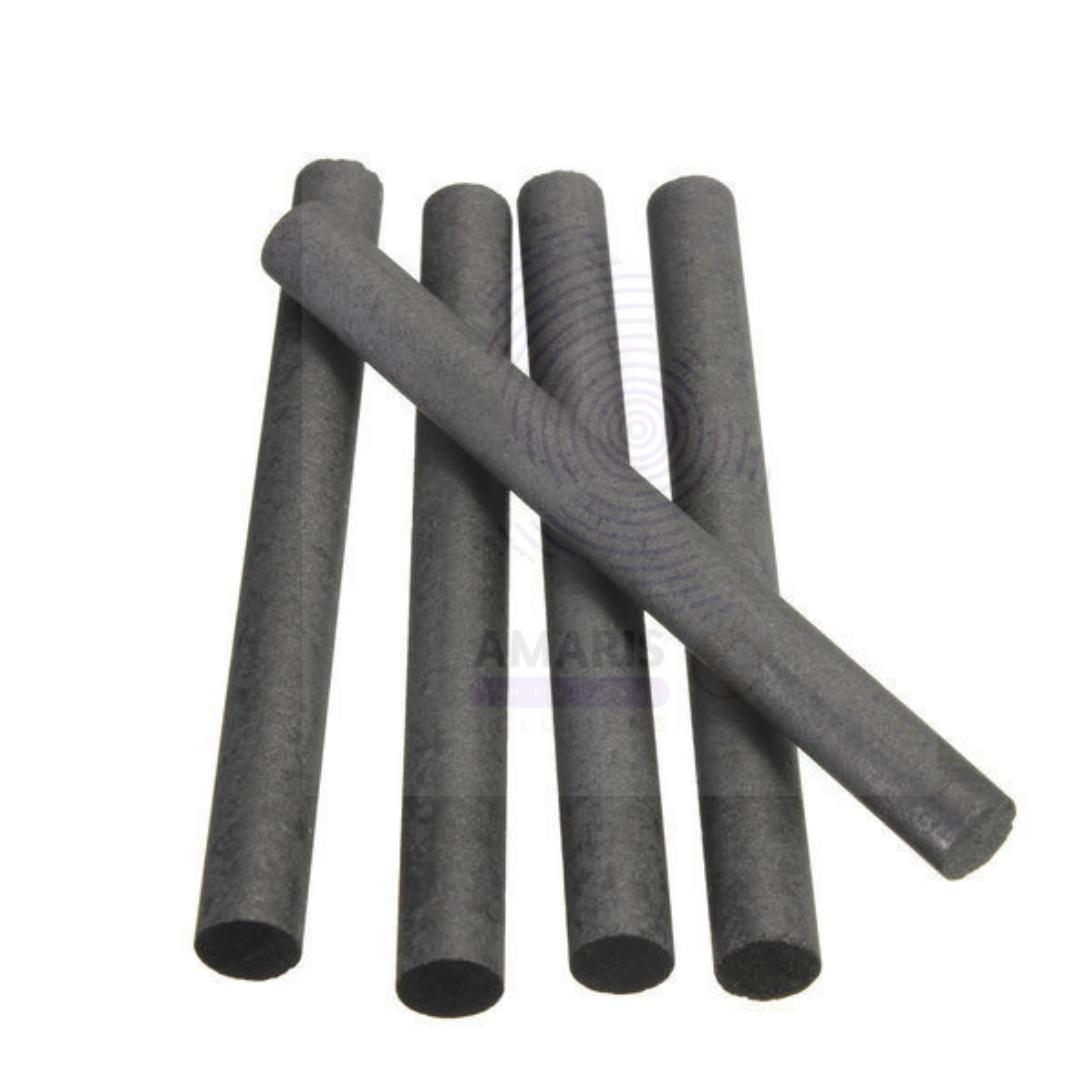


Electrode Carbon Rod
Original price was: $ 13.99.$ 13.87Current price is: $ 13.87.
Electrode Carbon Rod is a high-purity carbon rod designed for use as an electrode in various electrical, industrial, and laboratory applications. Manufactured from graphite or carbon composites, these rods offer excellent electrical conductivity, chemical inertness, and thermal stability. They are commonly used in electrochemical cells, arc welding, battery manufacturing, and analytical instruments. The rods are precision-made to ensure uniform size and surface quality, enabling reliable performance in harsh environments involving high temperatures and reactive substances.
Electrode Carbon Rod
Primary Uses
- Electrochemical Applications
- Serves as an electrode in electrolysis and electroplating processes.
- Welding and Cutting
- Utilized in arc welding and carbon arc cutting for its high conductivity and heat resistance.
- Battery Manufacturing
- Acts as an anode or cathode material in batteries and fuel cells.
- Analytical Instruments
- Used in laboratory equipment such as carbon electrodes for potentiometric and voltammetric measurements.
Secondary Uses
- Industrial Processes
- Employed in electric furnaces and metallurgical processes as a conductive component.
- Environmental and Research Labs
- Used in gas analysis and electrochemical sensors.
- Educational Use
- Demonstrates electrode function and electrical conduction in physics and chemistry labs.
1. Basic Identification Attributes
- Material: High purity graphite or carbon composite.
- Shape: Cylindrical rods, various diameters and lengths.
- Surface: Smooth and uniform for consistent conductivity.
2.Physical & Chemical Properties
- Electrical Conductivity: Excellent, suitable for high current applications.
- Chemical Resistance: Stable in acidic, alkaline, and neutral environments.
- Thermal Stability: Maintains integrity under high temperature and thermal cycling.
3.Safety & Hazard Attributes
- Fragile; prone to breakage under mechanical stress.
- Dust generated during machining or handling may be hazardous if inhaled.
- Not combustible but can oxidize at very high temperatures.
4.Storage & Handling Attributes
- Store in dry, cool places away from moisture and chemicals.
- Handle with care to prevent chipping or cracking.
- Use protective masks and gloves when machining or sanding rods.
5.Regulatory & Compliance Attributes
- Manufactured according to industrial standards for carbon electrodes.
- Compliant with safety guidelines for electrical and chemical use.
6.Environmental & Health Impact
- Carbon is non-toxic and recyclable; proper disposal of dust recommended.
- Environmentally friendly compared to metallic electrodes requiring heavy metals.
Safety Handling Precautions
- Wear protective equipment when handling and machining.
- Avoid inhalation of carbon dust.
- Use in well-ventilated areas to reduce exposure to airborne particles.
First Aid Measures
- In case of cuts, clean wound and seek medical attention if needed.
- If inhaled, move to fresh air and seek medical help if respiratory irritation occurs.
Firefighting Measures
- Non-flammable under normal conditions.
- Use CO2 or dry powder extinguisher if surrounding materials catch fire.
Related products
Absorption Tower
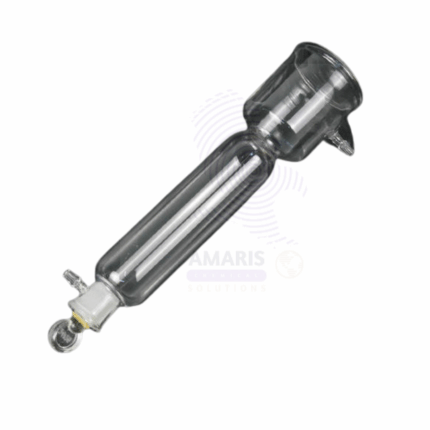
An Absorption Tower is a vertical vessel used in industrial processes to remove specific components from gas streams by contact with a liquid solvent. This equipment facilitates mass transfer between the gas and liquid phases, allowing targeted pollutants or valuable compounds to be absorbed efficiently. Absorption Towers are commonly employed in chemical plants, refineries, and environmental control systems for gas scrubbing, purification, and recovery applications. They are designed for optimal gas-liquid contact, often using packing materials or trays to enhance surface area and improve absorption efficiency.

Bare Enamelled Copper Wire
Bare Enamelled Copper Wire is a high-quality electrical conductor coated with a thin layer of insulating enamel. It is widely used in electrical and electronic applications where insulation and durability are required without adding bulk. The enamel coating provides excellent resistance to heat, abrasion, and chemicals, making it suitable for winding coils, transformers, motors, and inductors. The bare enamelled copper wire ensures efficient conductivity combined with insulation properties, ideal for both laboratory research and industrial manufacturing processes.
Barlows Wheel Apparatus
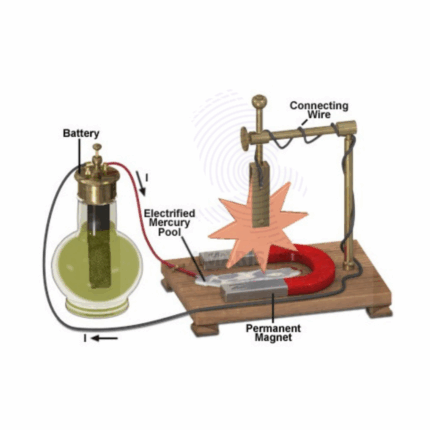
Barlows Wheel Apparatus is a classic physics demonstration device used to illustrate electromagnetic effects, specifically the principles of electric motors and the interaction between magnetic fields and electric current. It consists of a rotating wheel in contact with an electric circuit and a magnetic field, demonstrating motion generated by electromagnetic forces. The apparatus is widely used in educational laboratories to teach fundamental concepts of electromagnetism and motor action, as well as in industrial training for understanding motor components and operation.
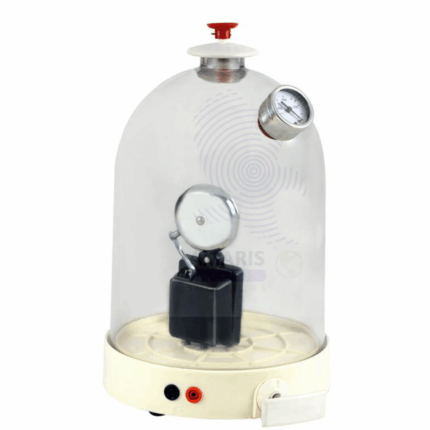
Bell in Vacuum with Air Pump with Plate
Bell in Vacuum with Air Pump with Plate is an integrated vacuum apparatus used to create and maintain low-pressure environments for laboratory and industrial applications. This assembly includes a vacuum bell, an air pump to evacuate air from the chamber, and a sturdy plate to support or seal samples or components during vacuum processes. Designed for durability and reliability, it is widely used in experiments requiring controlled atmospheric pressure, including vacuum filtration, drying, and physical science demonstrations.

clinostat clock type
The Clinostat Clock Type is a precision laboratory instrument designed to simulate microgravity conditions by continuously rotating biological samples or small objects along a horizontal axis. This rotation counteracts the effect of gravity, allowing researchers to study the effects of weightlessness on plant growth, cell cultures, and other biological specimens. Constructed with durable materials and calibrated for smooth, consistent rotation, the Clinostat Clock Type is widely used in botanical, microbiological, and space biology research.
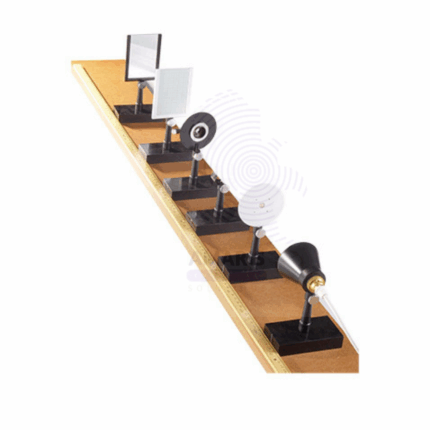
Complete optical bench
Product Description
Complete Optical Bench is a precision laboratory apparatus designed to facilitate experiments involving optics, such as the study of lenses, mirrors, light refraction, reflection, and focal lengths. It consists of a rigid, graduated base rail with movable holders for optical components like lenses, mirrors, prisms, and light sources. The modular design allows flexible setup of various optical experiments, making it an essential tool in physics laboratories for teaching and research.
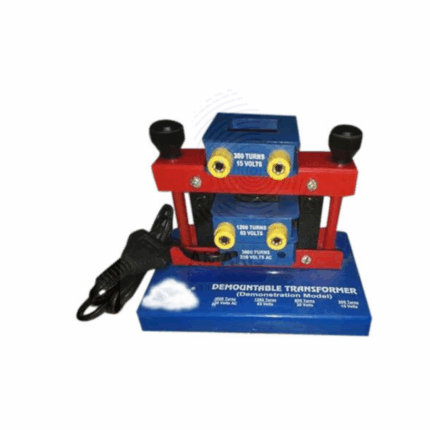
Demonstration transformer
The Demonstration Transformer is an educational and laboratory device designed to illustrate the principles of electromagnetic induction, voltage transformation, and mutual inductance. Typically composed of a laminated iron core with interchangeable primary and secondary coils, it allows for hands-on experiments involving step-up and step-down voltage transformation. Ideal for both laboratory demonstrations and industrial training settings, it supports a range of voltage and current inputs and can safely demonstrate real-time transformer behavior using AC power sources.
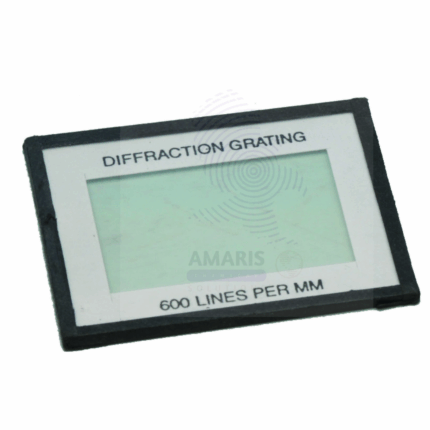
Diffraction Gratings
Diffraction Gratings are precision optical components used to disperse light into its component wavelengths for spectral analysis. These gratings consist of a surface with a series of closely spaced lines or grooves that diffract incoming light at specific angles depending on wavelength, enabling separation and measurement of spectral bands. Available in transmission or reflection formats, diffraction gratings are made from materials like glass or quartz and are often coated for enhanced optical performance. They are widely used in laboratories, research institutions, and industrial applications involving spectroscopy, photonics, and laser systems.












