

 Preservatives(food)
 Flavors
 Acidulants
 Sweeteners
 Antioxidants
 Colorants(food)
 Nutraceutical Ingredients (food)
 Nutrient Supplements
 Emulsifiers
 Collectors
 Dust Suppressants
 Explosives and Blasting Agents
 Flocculants and Coagulants
 Frothers
 Leaching Agents
 pH Modifiers
 Precious Metal Extraction Agents
 Antioxidants(plastic)
 Colorants (Pigments, Dyes)
 Fillers and Reinforcements
 Flame Retardants
 Monomers
 Plasticizers
 Polymerization Initiators
 Stabilizers (UV, Heat)
 Antifoaming Agents
 Chelating Agents
 Coagulants and Flocculants
 Corrosion Inhibitors
 Disinfectants and Biocides
 Oxidizing Agents
 pH Adjusters
 Scale Inhibitors( water)
 Antioxidants(cosmetic)
 Emollients
 Oils
Oils Carrier Oills
 Essential Oils
 Humectants
 Preservatives
 Surfactants(cosmetic)
 Thickeners
 UV Filters
 Fragrance (Cosmetics)
 Fertilizers
 Soil Conditioners
 Plant Growth Regulators
 Animal Feed Additives
 Biostimulants
 Pesticides (Herbicides, Insecticides, Fungicides)
 Active Pharmaceutical Ingredients (APIs)
 Excipients
 Solvents(pharmaceutical)
 Antibiotics
 Antiseptics and Disinfectants
 Vaccine Adjuvants
 Nutraceutical Ingredients (pharmaceutical)
 Analgesics & Antipyretics
 Analytical Reagents
 Solvents(lab)
 Chromatography Chemicals
 Spectroscopy Reagents
 microbiology-and-cell-culture-reagents
 Molecular Biology Reagents
 Biochemical Reagents
 Inorganic and Organic Standards
 Laboratory Safety Chemicals
 Specialty Laboratory Chemicals(Special Laboratory Equipment)
 Demulsifiers
 Hydraulic Fracturing Fluids
 Scale Inhibitors(oil)
 Surfactants(oil)
 Drilling Fluids
 Dyes and Pigments
 Bleaching Agents
 Softening Agents
 Finishing Agents
 Antistatic Agents
 Admixtures
 Waterproofing Agents
 Sealants and Adhesives
 Curing Compounds
 Concrete Repair Chemicals
 Anti-Corrosion Coatings
 Surfactants(cleaning)
 Builders
 Enzymes
 Solvents (Cleaning)
 Electronic Chemicals
 Catalysts
 Lubricants
 Photographic Chemicals
 Refrigerants
 Automotive chemicals
 Pyrotechnic Chemicals
 Biodegradable Surfactants
 Bio-based Solvents
 Renewable Polymers
 Carbon Capture Chemicals
 Wastewater Treatment Chemicals
 Pigments
 Solvents(paint)
 Specialty Coatings
 Binders/Resins
 Additives
 Driers
 Anti-Corrosion Agents
 Functional Coatings
 Application-Specific Coatings
 Leavening Agents
 Dough Conditioners
 Flour Treatments
 Fat Replacers
 Decoratives
 Preservatives(baking)
 Plasticizers & Softeners
 Reinforcing Agents
 Adhesion Promoters
 Vulcanizing Agents
 Antidegradants
 Blowing Agents
 Fillers & Extenders
 Accelerators & Retarders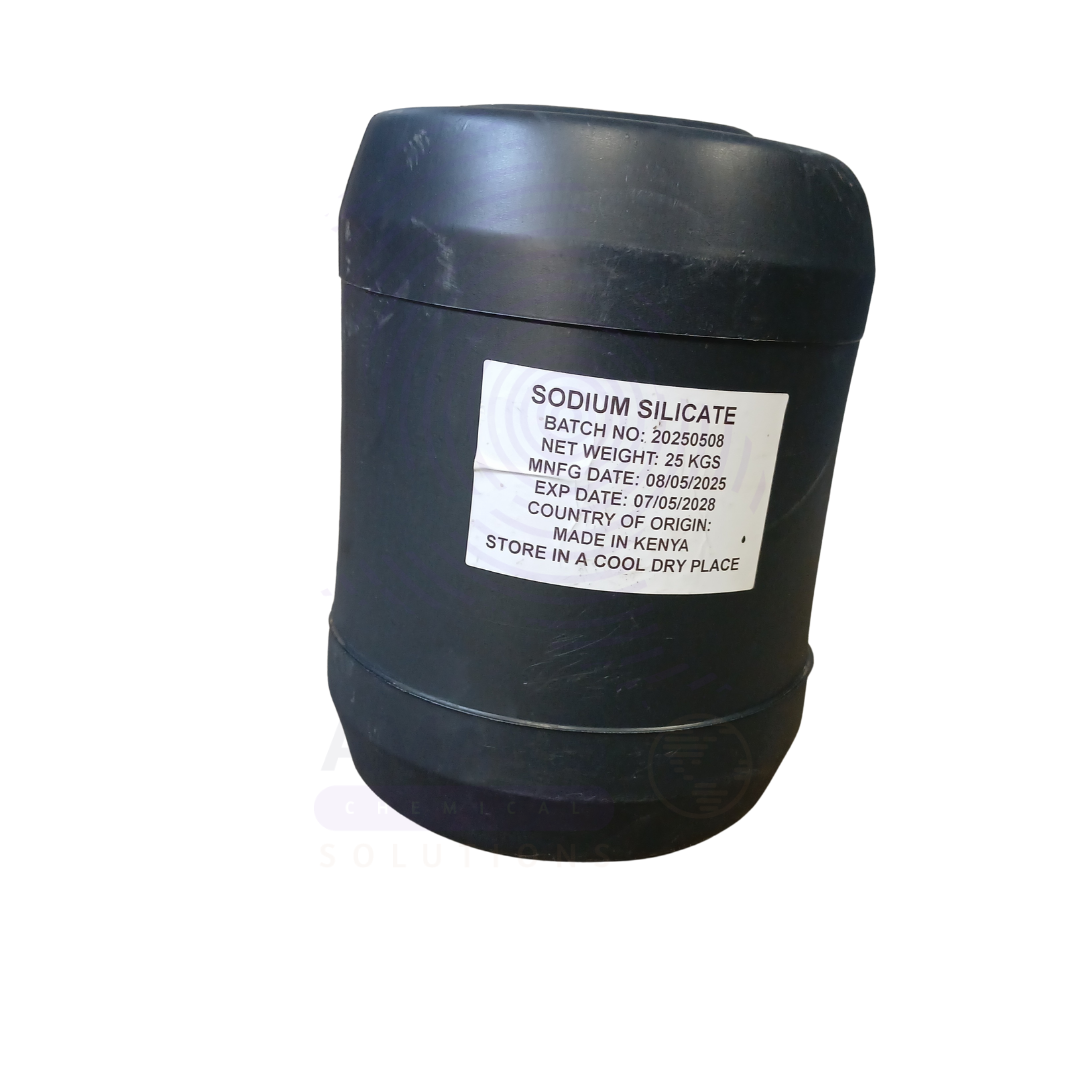

Sodium Silicate
Original price was: $ 1.05.$ 0.97Current price is: $ 0.97.
Sodium Silicate is a water-soluble, viscous alkaline liquid with the general formula Na₂SiO₃ (ratios vary). Commonly referred to as water glass or liquid glass, it appears as a clear to slightly cloudy solution. This 20-litre packaged product is known for its excellent adhesive, binding, and sealing properties. It is widely used in industrial, construction, detergent, and water treatment applications. Sodium silicate forms a glassy film upon drying and resists high temperatures and chemical attack, making it extremely versatile across many industries.
Sodium Silicate
Primary Uses
- Construction & Civil Engineering
- Concrete Hardening: Penetrates and densifies concrete surfaces to increase durability.
- Soil Stabilization: Used in grouting and ground improvement for tunneling and foundation works.
- Fireproofing Material: Binds with mineral wool and vermiculite for fire-resistant coatings.
- Cement Additive: Enhances chemical resistance and bonding properties.
- Detergents & Cleaners
- Laundry Detergents: Acts as a builder to soften water and enhance cleaning power.
- Dishwashing Liquids: Prevents corrosion of metal surfaces in alkaline solutions.
- Industrial Cleaners: Degreases, emulsifies, and disperses oils and fats from surfaces.
- Metal Surface Cleaning: Removes scale, rust, and organic residues from machinery and equipment.
- Adhesives & Binders
- Corrugated Board Adhesives: Binds paper layers in cardboard production.
- Foundry Sand Binder: Used in the preparation of sand molds and cores.
- Refractory Cement Binder: Binds high-temperature materials in kiln and furnace applications.
- Water Treatment
- Boiler Water Treatment: Prevents corrosion and scale formation in industrial boilers.
- Wastewater Treatment: Clarifies water by coagulating suspended solids.
- pH Adjustment: Alkalizes acidic waste streams.
- Textile & Pulp Industry
- Bleaching Stabilizer: Stabilizes hydrogen peroxide during pulp and fabric bleaching.
- Sizing Agent: Improves the stiffness and strength of paper and textiles.
- De-inking Agent: Helps in recycling printed paper by loosening ink from fibers.
- Automotive & Engineering
- Radiator Sealant: Seals minor leaks in vehicle cooling systems.
- Exhaust Repair Compounds: Used in high-temperature repair pastes.
Secondary Uses
- Ceramics & Pottery
- Deflocculant: Reduces viscosity of clay slurries in slip casting.
- Glaze Suspension Agent: Improves dispersion and stability of ceramic glazes.
- Agriculture
- Silicon Supplement: Used experimentally to boost plant resistance to stress.
- Pesticide Carrier: Acts as an adjuvant in certain agrochemical formulations.
- Mining & Metallurgy
- Ore Flotation Agent: Controls pH and acts as a dispersant in ore processing.
- Refractory Coating Binder: Used in high-temperature metal processing equipment.
- Fire Protection
- Intumescent Coatings: Expands when exposed to heat, providing fire resistance.
- Passive Fire Barriers: Used in wall and ceiling coatings for fire compartmentalization.
- Household Products
- Laundry Bluing Base: Occasionally used as a component in traditional laundry preparations.
- Toilet Bowl Cleaners: Found in strong alkaline cleaners for scale removal.
- Arts & Crafts
- Sculpting and Mold Making: Used in creating solidifying molds for metal casting or plaster work.
- Paper Mâché Hardener: Improves rigidity and water resistance of paper-based structures.
- Laboratory & Research
- Silica Gel Precursor: Used in the preparation of desiccants and chromatography media.
- Chemical Experiments: Demonstrates chemical garden or crystal growth in educational settings.
1. Basic Identification Attributes
- Chemical Name (IUPAC): Disodium metasilicate (common type)
- Common/Trade Name: Sodium Silicate, Water Glass, Liquid Glass
- CAS Number: 1344-09-8 (general form)
- HS Code: 2839.11.00
- Synonyms: Sodium silicate solution, Sodium water glass, Soluble glass
2. Physical & Chemical Properties
- Physical State: Viscous liquid solution
- Color & Odor: Clear to hazy; odorless
- Solubility: Fully miscible in water
- Specific Gravity: 1.35–1.55 (varies with ratio and solids content)
- pH (1% solution): ~11.3–12.5
- Solids Content: 38–45% by weight (for 45% grade)
- SiO₂/Na₂O Ratio: Commonly 2.0–3.3 depending on formulation
3. Safety & Hazard Attributes
- GHS Classification: Skin Irritant (Category 2), Eye Irritant (Category 2A)
- Toxicity: LD₅₀ (oral, rat) ~1150 mg/kg
- Exposure Limits: No established limits; handle with general ventilation
- Corrosivity: Alkaline—may damage skin, eyes, and mucous membranes
4. Storage & Handling Attributes
- Storage Conditions: Store in sealed containers; avoid freezing or extreme heat
- Container Type: 20-litre HDPE jerry cans, drums, or IBCs
- Shelf Life: 12–24 months under proper conditions
- Handling Precautions: Avoid contact with skin and eyes; do not mix with acids
5. Regulatory & Compliance Attributes
- REACH Registered
- FDA 21 CFR (Certain Grades) – Permitted as a boiler additive in food processing (indirect use)
- RoHS & SVHC Compliant
- TSCA Listed – USA
- Not classified as hazardous for transport (non-flammable liquid)
6. Environmental & Health Impact
- Biodegradability: Inorganic; not biodegradable but dilutes and neutralizes naturally
- Ecotoxicity: Moderately harmful to aquatic life in concentrated form
- Bioaccumulation: None expected
- Aquatic Impact: High pH may be harmful to fish and plant life if not neutralized
Safety Handling Precautions
- PPE Required: Alkaline-resistant gloves, goggles, protective clothing
- Handling Guidelines: Avoid breathing mist; use local ventilation if spraying
- Storage Measures: Keep container tightly sealed and upright
First Aid Measures
- Inhalation: Move to fresh air; seek medical attention if irritation occurs
- Skin Contact: Wash thoroughly with water; remove contaminated clothing
- Eye Contact: Flush with water for at least 15 minutes; seek immediate medical help
- Ingestion: Rinse mouth; do not induce vomiting; seek medical attention
Firefighting Measures
- Fire Hazards: Non-flammable; will not support combustion
- Extinguishing Media: Use media suitable for surrounding fire (water, CO₂, dry chemical)
- Hazardous Combustion Products: None known; stable under normal fire conditions
Related products
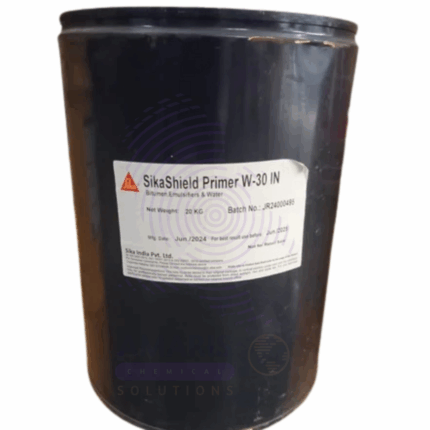
Bitumen Primer
Bitumen Primer is a high-performance, solvent-based or water-based coating designed to prepare and seal surfaces before the application of bituminous waterproofing or roofing systems. It enhances adhesion by binding dust, reducing surface porosity, and creating a tacky base layer for membranes, felts, and asphalt-based applications. Bitumen Primer is quick-drying, highly penetrative, and applicable to a wide variety of substrates including concrete, masonry, metal, and wood. It plays a critical role in extending the durability and effectiveness of waterproofing systems in construction and industrial environments.
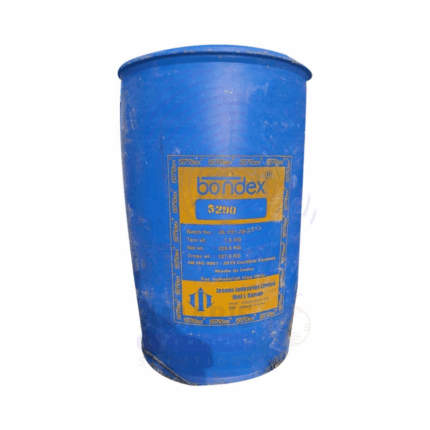
Bondex 5299
Bondex 5299 is a solvent-based, high-performance industrial adhesive formulated to provide strong, durable bonds on a wide variety of substrates such as metals, plastics, rubber, and composites. It appears as a clear to amber viscous liquid with a characteristic solvent odor. Known for excellent resistance to heat, moisture, and chemicals, Bondex 5299 cures by solvent evaporation to form a flexible, resilient bond. It is widely used in automotive, aerospace, electronics, and heavy machinery industries due to its reliable bonding strength and quick curing properties.
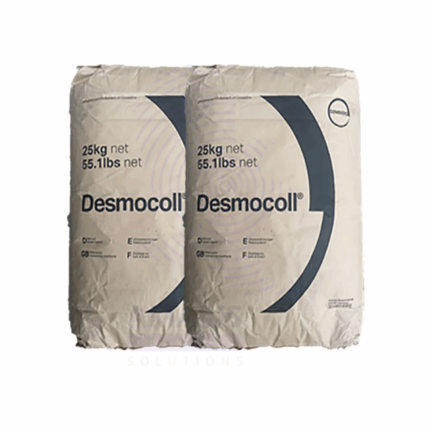
Desmocol
Desmocol is a trade name for Cocamido Propyl Betaine (CAPB), a mild amphoteric surfactant derived from coconut oil and dimethylaminopropylamine. It is widely used in personal care and cleaning formulations due to its excellent foaming, thickening, and conditioning properties. Desmocol is known for its skin-friendly nature, compatibility with a broad range of surfactants, and ability to reduce irritation potential in formulations. It appears as a viscous, amber-colored liquid or paste with a characteristic mild coconut odor.
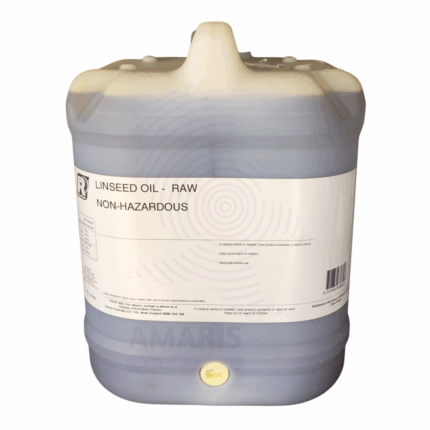
Linseed Oil Raw
Linseed Oil Raw is the unrefined, natural oil extracted from flax seeds through cold pressing or solvent extraction. It contains natural impurities such as gums, waxes, and free fatty acids, giving it a darker color and stronger odor compared to refined oils. Raw linseed oil is a drying oil known for its excellent film-forming and adhesive properties. It is widely used in traditional wood finishing, oil painting, and industrial applications where natural and slow-drying oil is preferred.
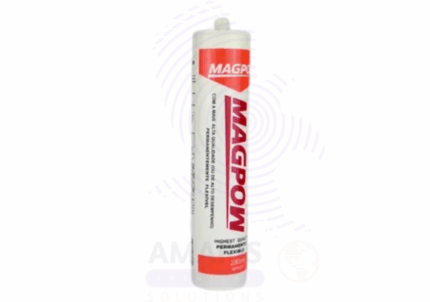
Magpow Silicone Sealant
Magpow Silicone Sealant is a one-component, moisture-curing silicone-based sealant formulated for high-performance sealing, bonding, and insulating applications. It cures at room temperature when exposed to air moisture, forming a durable, flexible rubber-like elastomer. It adheres well to glass, metal, ceramic, plastic, and many construction materials. Commonly used in general construction, glazing, automotive, and household repair applications, Magpow Silicone Sealant offers excellent resistance to weathering, UV radiation, moisture, and temperature extremes.
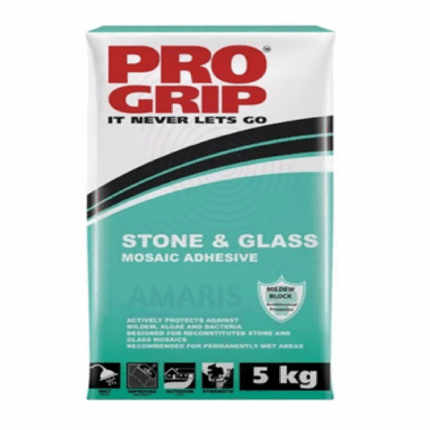
Pro Grip White Mosaic Adhesive Grout
Pro Grip White Mosaic Adhesive Grout is a premium-quality, ready-to-use adhesive and grout designed specifically for mosaic tiles and small-format tile installations. It provides excellent bonding strength, smooth application, and a durable white finish that enhances the appearance of tile joints. The product is resistant to water, mold, and stains, making it ideal for both indoor and outdoor use in areas such as kitchens, bathrooms, swimming pools, and decorative mosaic works.
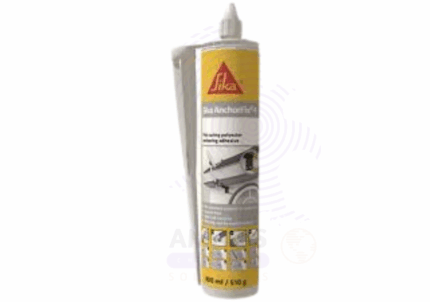
Sika Anchorfix 1
Sika Anchorfix 1 is a high-performance, two-component, fast-curing adhesive mortar designed for anchoring and fixing applications in concrete and masonry. It provides superior bond strength, chemical resistance, and durability, making it suitable for heavy-duty structural and non-structural fastening tasks. The product is easy to mix and apply, cures rapidly at various temperatures, and complies with international construction standards, ensuring reliable and long-lasting anchoring performance.

Sika Flexi Tape
Sika Flexi Tape is a flexible, high-strength sealing and repair tape designed for quick and durable sealing solutions. Made from a tough, elastic polymer film coated with an aggressive adhesive, it provides excellent adhesion to a variety of surfaces including metals, plastics, concrete, and wood. The tape is weatherproof, waterproof, and UV resistant, making it suitable for both indoor and outdoor applications. It is ideal for sealing leaks, patching holes, and reinforcing joints, offering a convenient and reliable alternative to liquid sealants.












