

 Preservatives(food)
 Flavors
 Acidulants
 Sweeteners
 Antioxidants
 Colorants(food)
 Nutraceutical Ingredients (food)
 Nutrient Supplements
 Emulsifiers
 Collectors
 Dust Suppressants
 Explosives and Blasting Agents
 Flocculants and Coagulants
 Frothers
 Leaching Agents
 pH Modifiers
 Precious Metal Extraction Agents
 Antioxidants(plastic)
 Colorants (Pigments, Dyes)
 Fillers and Reinforcements
 Flame Retardants
 Monomers
 Plasticizers
 Polymerization Initiators
 Stabilizers (UV, Heat)
 Antifoaming Agents
 Chelating Agents
 Coagulants and Flocculants
 Corrosion Inhibitors
 Disinfectants and Biocides
 Oxidizing Agents
 pH Adjusters
 Scale Inhibitors( water)
 Antioxidants(cosmetic)
 Emollients
 Oils
Oils Carrier Oills
 Essential Oils
 Humectants
 Preservatives
 Surfactants(cosmetic)
 Thickeners
 UV Filters
 Fragrance (Cosmetics)
 Fertilizers
 Soil Conditioners
 Plant Growth Regulators
 Animal Feed Additives
 Biostimulants
 Pesticides (Herbicides, Insecticides, Fungicides)
 Active Pharmaceutical Ingredients (APIs)
 Excipients
 Solvents(pharmaceutical)
 Antibiotics
 Antiseptics and Disinfectants
 Vaccine Adjuvants
 Nutraceutical Ingredients (pharmaceutical)
 Analgesics & Antipyretics
 Analytical Reagents
 Solvents(lab)
 Chromatography Chemicals
 Spectroscopy Reagents
 microbiology-and-cell-culture-reagents
 Molecular Biology Reagents
 Biochemical Reagents
 Inorganic and Organic Standards
 Laboratory Safety Chemicals
 Specialty Laboratory Chemicals(Special Laboratory Equipment)
 Demulsifiers
 Hydraulic Fracturing Fluids
 Scale Inhibitors(oil)
 Surfactants(oil)
 Drilling Fluids
 Dyes and Pigments
 Bleaching Agents
 Softening Agents
 Finishing Agents
 Antistatic Agents
 Admixtures
 Waterproofing Agents
 Sealants and Adhesives
 Curing Compounds
 Concrete Repair Chemicals
 Anti-Corrosion Coatings
 Surfactants(cleaning)
 Builders
 Enzymes
 Solvents (Cleaning)
 Electronic Chemicals
 Catalysts
 Lubricants
 Photographic Chemicals
 Refrigerants
 Automotive chemicals
 Pyrotechnic Chemicals
 Biodegradable Surfactants
 Bio-based Solvents
 Renewable Polymers
 Carbon Capture Chemicals
 Wastewater Treatment Chemicals
 Pigments
 Solvents(paint)
 Specialty Coatings
 Binders/Resins
 Additives
 Driers
 Anti-Corrosion Agents
 Functional Coatings
 Application-Specific Coatings
 Leavening Agents
 Dough Conditioners
 Flour Treatments
 Fat Replacers
 Decoratives
 Preservatives(baking)
 Plasticizers & Softeners
 Reinforcing Agents
 Adhesion Promoters
 Vulcanizing Agents
 Antidegradants
 Blowing Agents
 Fillers & Extenders
 Accelerators & Retarders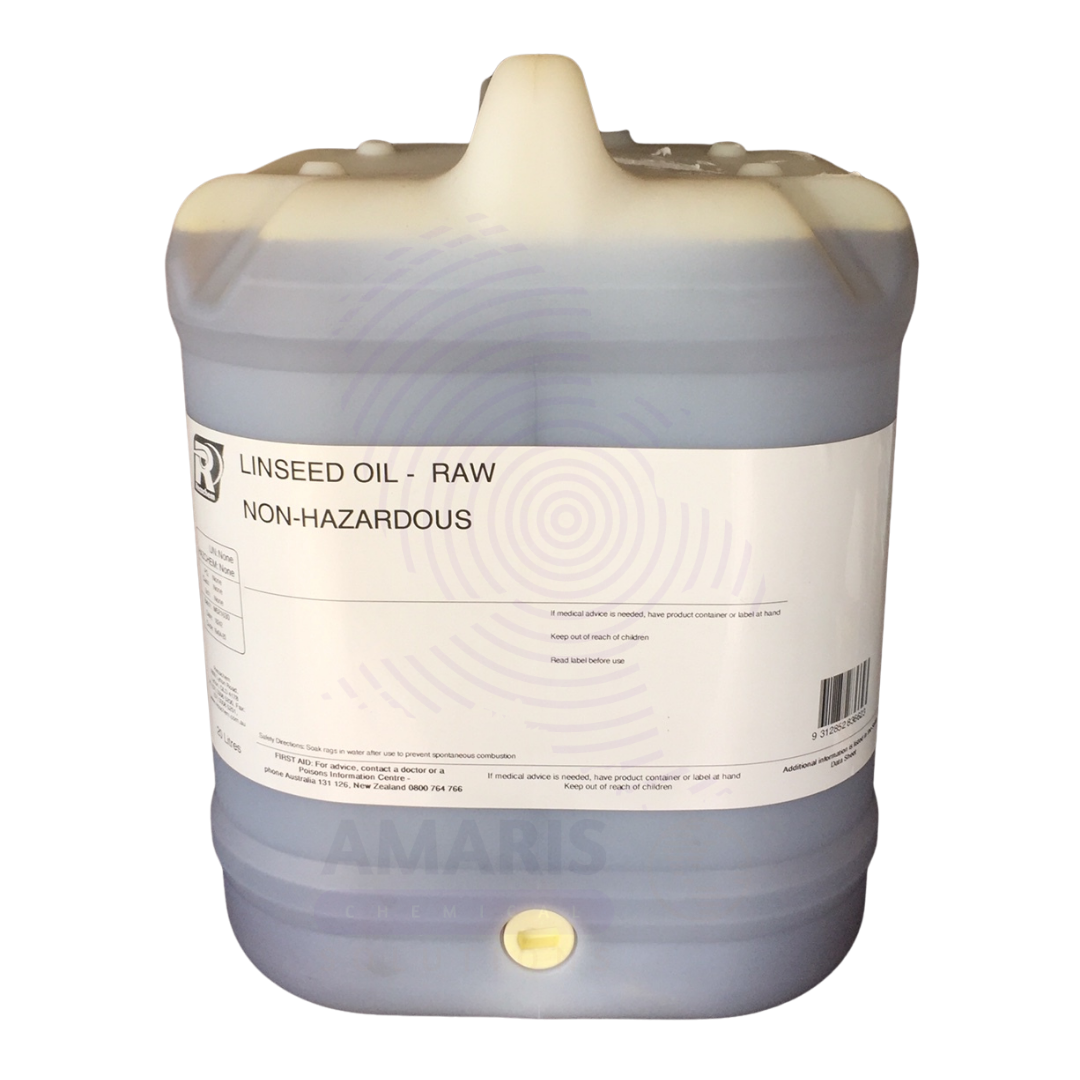



Linseed Oil Raw
Linseed Oil Raw is the unrefined, natural oil extracted from flax seeds through cold pressing or solvent extraction. It contains natural impurities such as gums, waxes, and free fatty acids, giving it a darker color and stronger odor compared to refined oils. Raw linseed oil is a drying oil known for its excellent film-forming and adhesive properties. It is widely used in traditional wood finishing, oil painting, and industrial applications where natural and slow-drying oil is preferred.
Linseed Oil Raw
Primary Uses
- Wood Finishing and Preservation
- Used as a natural wood preservative to protect and nourish wood, enhancing grain and durability.
- Commonly applied to wooden furniture, flooring, and outdoor wood structures to prevent cracking and drying out.
- Oil Painting
- Preferred by artists as a binder and medium to mix with pigments for oil paints, improving texture and drying time.
- Industrial Applications
- Employed in the manufacture of linoleum flooring, varnishes, and oilcloth.
- Used as a raw material in the production of alkyd resins and other chemical derivatives.
Secondary Uses
- Lubricants and Polishes
- Utilized as a base for natural polishes and light lubricants for tools and machinery.
- Textile Industry
- Used in fabric treatment to impart softness and water repellency.
- Leather Care
- Occasionally used as a conditioning agent in leather treatment products.
1. Basic Identification Attributes
- Chemical Name (IUPAC): Linseed oil (unrefined)
- Common/Trade Name: Linseed Oil Raw; Raw Flaxseed Oil
- CAS Number: 8001-26-1
- HS Code: 1515.90.00
- Synonyms: Raw flaxseed oil; Cold-pressed linseed oil; Natural linseed oil
2. Physical & Chemical Properties
- Physical State: Liquid
- Color & Odor: Dark amber to brown; characteristic strong, earthy odor
- Viscosity: High viscosity
- Flash Point: Approx. 230 °C
- Solubility: Insoluble in water; soluble in organic solvents
3. Safety & Hazard Attributes
- GHS Classification: Combustible liquid (Category 4)
- Toxicity: Low toxicity; may cause mild skin irritation on prolonged exposure
- Exposure Limits: No specific occupational limits; use standard industrial hygiene
4. Storage & Handling Attributes
- Storage Conditions: Store in a cool, dry, and well-ventilated area away from ignition sources
- Container Type: Supplied in sealed metal drums or food-grade containers for industrial use
- Shelf Life: Typically 6-12 months due to natural impurities that may cause faster degradation
- Handling Precautions: Avoid prolonged skin contact and inhalation of fumes
5. Regulatory & Compliance Attributes
- Complies with industry standards for raw vegetable oils
- Subject to combustible liquid regulations depending on volume and use
6. Environmental & Health Impact
- Biodegradability: Biodegradable under aerobic conditions
- Ecotoxicity: Low aquatic toxicity at standard use levels
- Bioaccumulation: Not significant
- Carcinogenicity/Mutagenicity: Not classified as carcinogenic
Safety Handling Precautions
- PPE Required: Gloves and eye protection recommended for handling large quantities
- Handling Guidelines: Use in well-ventilated areas; avoid ignition sources and static discharge
- Storage Measures: Keep containers tightly closed and away from oxidizing agents
First Aid Measures
- Inhalation: Move to fresh air if respiratory irritation occurs
- Skin Contact: Wash with soap and water; seek medical attention if irritation persists
- Eye Contact: Rinse thoroughly with water; consult a physician if needed
- Ingestion: Rinse mouth and seek medical help if large quantities ingested
Firefighting Measures
- Fire Hazards: Combustible liquid; vapors may ignite under high heat or flame exposure
- Extinguishing Media: Use foam, dry chemical, or carbon dioxide extinguishers
- Special Precautions: Wear full protective gear and self-contained breathing apparatus if needed
- Hazardous Combustion Products: Carbon monoxide, carbon dioxide, and hydrocarbons
Related products
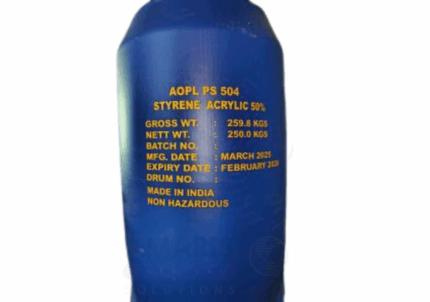
Eagle Styrene Acrylic 72/ 50
Eagle Styrene Acrylic 72/ 50 is a co-polymer emulsion consisting of styrene and acrylic monomers, offered at 50% active solids concentration in water. It appears as a milky-white, low-viscosity liquid with a mild odor. This polymer emulsion combines excellent film-forming properties, adhesion, and mechanical strength, making it widely used in coatings, adhesives, sealants, and functional binders across multiple industries.
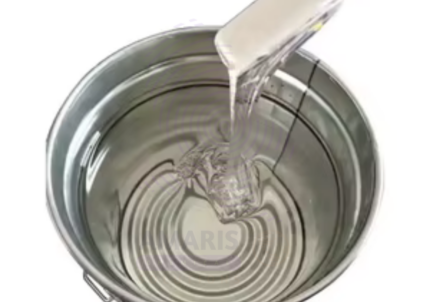
Epikote 828 (Epoxy Resin)
Epikote 828 (Epoxy Resin) is a liquid bisphenol-A-based epoxy resin with a low molecular weight. It is one of the most widely used general-purpose epoxy resins in industrial applications due to its excellent mechanical, chemical, and thermal properties. Epikote 828 cures with various hardeners, especially amines, to form thermoset polymers with outstanding adhesion, chemical resistance, and dimensional stability. The resin is typically a clear to pale yellow viscous liquid and is soluble in most organic solvents. It is primarily used in coatings, adhesives, composites, electrical encapsulation, flooring systems, and structural materials.
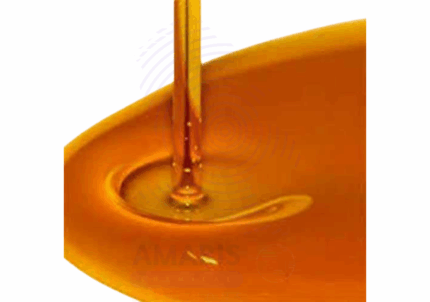
Long Oil
Long Oil refers to oils with a high content of unsaturated fatty acids, particularly linoleic and linolenic acids, commonly derived from drying oils such as linseed, soybean, or safflower oil. These oils have extended drying times and are used in various industrial applications where slow curing and flexible film formation are desired. Long oil is a key component in producing long oil alkyd resins, which are widely used in coatings, paints, varnishes, and printing inks due to their excellent adhesion, flexibility, and durability.
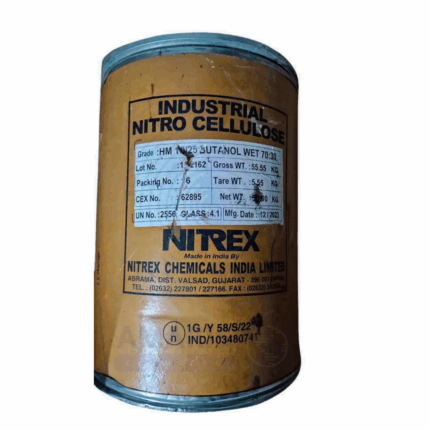
Nitro Cellulose
Nitro Cellulose is a highly flammable compound produced by nitrating cellulose through exposure to nitric acid and sulfuric acid. It is a versatile material widely used in coatings, lacquers, explosives, and propellants due to its film-forming properties and rapid drying capability. Nitro Cellulose is available in various grades depending on the nitrogen content and viscosity, making it suitable for industrial, commercial, and military applications.
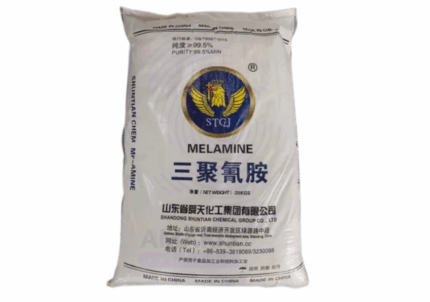
Setamine ( Melamine Resin)
Setamine (Melamine Resin) is a thermosetting polymer widely used for its excellent hardness, chemical resistance, and thermal stability. It is produced by the reaction of melamine with formaldehyde and is commonly utilized in coatings, laminates, adhesives, and molding compounds. Setamine offers superior durability, scratch resistance, and moisture resistance, making it ideal for high-performance surface finishes and industrial applications.
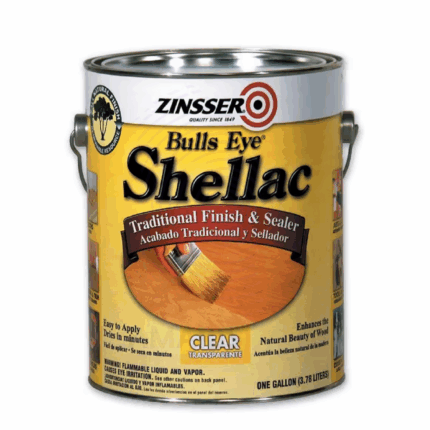
Shellac
Shellac is a natural resin secreted by the lac insect, primarily found in South Asia. It is processed into flakes or powder form and dissolved in alcohol to create a versatile film-forming agent. Shellac provides excellent adhesion, gloss, and moisture resistance, making it widely used as a wood finish, food glaze, and pharmaceutical coating. It is valued for its natural origin, biodegradability, and safe use in food and cosmetic applications.
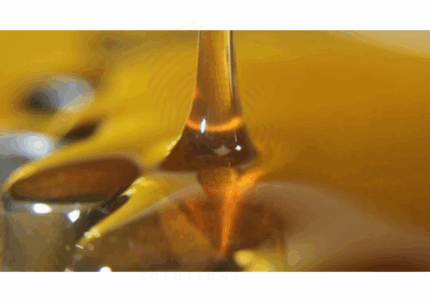
Short Oil Fast Drying (16/50) (SDA)
Short Oil Fast Drying (16/50) (SDA) Stand & Detail Alkyd (SDA) is a specially formulated alkyd resin designed for rapid drying and excellent film formation in coatings. It contains approximately 16% oil length, offering a balance between hardness and flexibility, and 50% solids content, which aids in build and coverage. This resin is widely used in industrial and decorative paints where quick drying and good adhesion are critical. Its fast curing properties make it ideal for applications requiring reduced downtime and enhanced productivity.
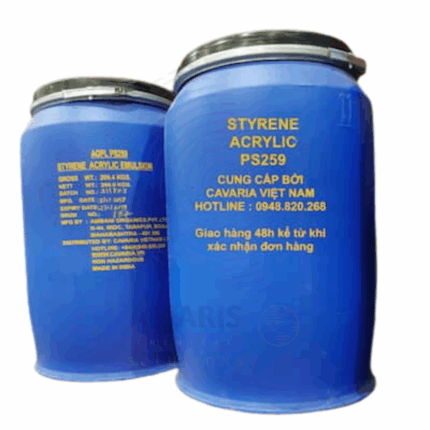
Styrene Acrylic
Styrene Acrylic is a copolymer emulsion combining styrene and acrylic monomers, widely used as a versatile binder in coatings, adhesives, and construction materials. It offers excellent film-forming properties, adhesion, water resistance, and durability. This product enhances the performance and longevity of paints, sealants, textiles, and paper coatings, with flexibility for both indoor and outdoor applications. Styrene Acrylic emulsions are designed to meet stringent industrial and environmental standards.












