

 Preservatives(food)
 Flavors
 Acidulants
 Sweeteners
 Antioxidants
 Colorants(food)
 Nutraceutical Ingredients (food)
 Nutrient Supplements
 Emulsifiers
 Collectors
 Dust Suppressants
 Explosives and Blasting Agents
 Flocculants and Coagulants
 Frothers
 Leaching Agents
 pH Modifiers
 Precious Metal Extraction Agents
 Antioxidants(plastic)
 Colorants (Pigments, Dyes)
 Fillers and Reinforcements
 Flame Retardants
 Monomers
 Plasticizers
 Polymerization Initiators
 Stabilizers (UV, Heat)
 Antifoaming Agents
 Chelating Agents
 Coagulants and Flocculants
 Corrosion Inhibitors
 Disinfectants and Biocides
 Oxidizing Agents
 pH Adjusters
 Scale Inhibitors( water)
 Antioxidants(cosmetic)
 Emollients
 Oils
Oils Carrier Oills
 Essential Oils
 Humectants
 Preservatives
 Surfactants(cosmetic)
 Thickeners
 UV Filters
 Fragrance (Cosmetics)
 Fertilizers
 Soil Conditioners
 Plant Growth Regulators
 Animal Feed Additives
 Biostimulants
 Pesticides (Herbicides, Insecticides, Fungicides)
 Active Pharmaceutical Ingredients (APIs)
 Excipients
 Solvents(pharmaceutical)
 Antibiotics
 Antiseptics and Disinfectants
 Vaccine Adjuvants
 Nutraceutical Ingredients (pharmaceutical)
 Analgesics & Antipyretics
 Analytical Reagents
 Solvents(lab)
 Chromatography Chemicals
 Spectroscopy Reagents
 microbiology-and-cell-culture-reagents
 Molecular Biology Reagents
 Biochemical Reagents
 Inorganic and Organic Standards
 Laboratory Safety Chemicals
 Specialty Laboratory Chemicals(Special Laboratory Equipment)
 Demulsifiers
 Hydraulic Fracturing Fluids
 Scale Inhibitors(oil)
 Surfactants(oil)
 Drilling Fluids
 Dyes and Pigments
 Bleaching Agents
 Softening Agents
 Finishing Agents
 Antistatic Agents
 Admixtures
 Waterproofing Agents
 Sealants and Adhesives
 Curing Compounds
 Concrete Repair Chemicals
 Anti-Corrosion Coatings
 Surfactants(cleaning)
 Builders
 Enzymes
 Solvents (Cleaning)
 Electronic Chemicals
 Catalysts
 Lubricants
 Photographic Chemicals
 Refrigerants
 Automotive chemicals
 Pyrotechnic Chemicals
 Biodegradable Surfactants
 Bio-based Solvents
 Renewable Polymers
 Carbon Capture Chemicals
 Wastewater Treatment Chemicals
 Pigments
 Solvents(paint)
 Specialty Coatings
 Binders/Resins
 Additives
 Driers
 Anti-Corrosion Agents
 Functional Coatings
 Application-Specific Coatings
 Leavening Agents
 Dough Conditioners
 Flour Treatments
 Fat Replacers
 Decoratives
 Preservatives(baking)
 Plasticizers & Softeners
 Reinforcing Agents
 Adhesion Promoters
 Vulcanizing Agents
 Antidegradants
 Blowing Agents
 Fillers & Extenders
 Accelerators & Retarders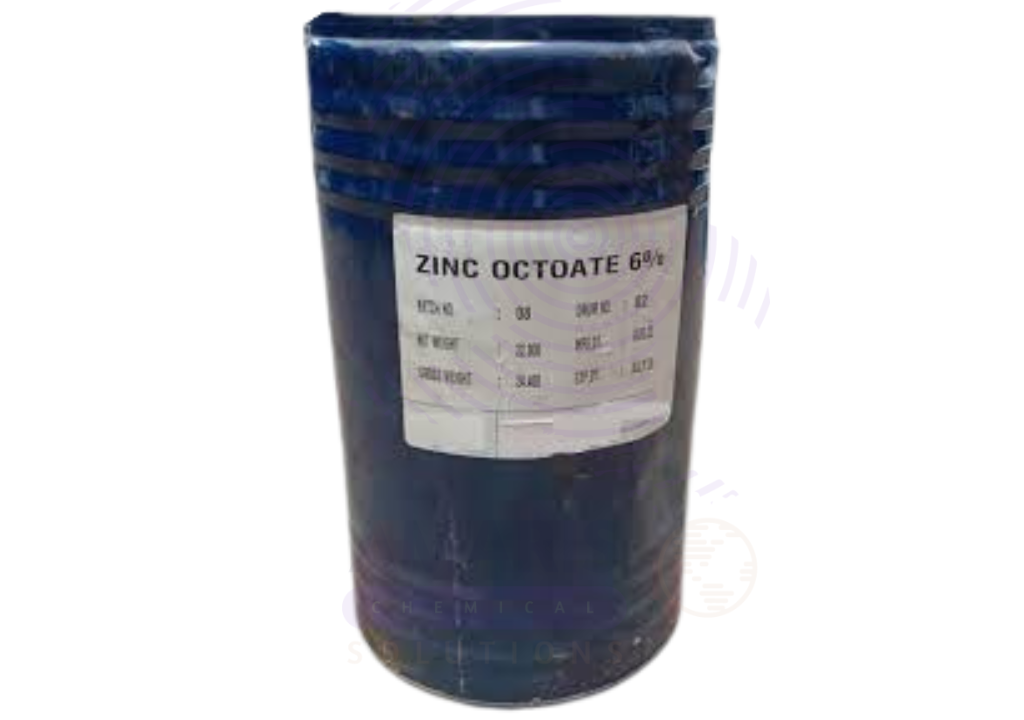

Zinc Octoate
Zinc Octoate is a metal carboxylate solution containing approximately 10% zinc content, derived from zinc and 2-ethylhexanoic acid (octoic acid). It functions as an effective curing agent, catalyst, and crosslinker in various polymer systems such as paints, coatings, adhesives, and rubber compounds. This compound improves film hardness, drying times, and overall durability of finished products, making it widely used in industrial and manufacturing processes.
Zinc Octoate
Primary Uses
- Coatings Industry
- Curing Agent: Accelerates the drying and curing of alkyd, epoxy, and urethane coatings, enhancing hardness and chemical resistance.
- Catalyst: Promotes faster polymer crosslinking, improving production efficiency and coating performance.
- Rubber Industry
- Curing Accelerator: Used to improve vulcanization processes, increasing heat resistance and mechanical properties of rubber products.
- Adhesives & Sealants
- Crosslinker: Enhances bonding strength and durability in adhesive and sealant formulations.
Secondary Uses
- Plastics Industry
- Catalyst: Aids in polymerization and curing of specialty plastics and elastomers.
- Textile Industry
- Crosslinking Agent: Improves durability and chemical resistance of textile coatings and finishes.
1. Basic Identification Attributes
- Chemical Name (IUPAC): Zinc 2-ethylhexanoate (Zinc octoate)
- Common/Trade Name: Zinc Octoate 10%
- CAS Number: 301-04-2
- HS Code: 2915.70.00
- Synonyms: Zinc octoate, zinc 2-ethylhexanoate
2. Physical & Chemical Properties
- Physical State: Clear to pale yellow liquid
- Color & Odor: Pale yellow; characteristic odor
- Zinc Content: Approx. 10% by weight
- Viscosity: Moderate
- Solubility: Soluble in organic solvents such as mineral spirits, aromatic hydrocarbons, and ketones
- Density: Approx. 1.05 g/cm³
3. Safety & Hazard Attributes
- GHS Classification: May cause skin and eye irritation; harmful if swallowed
- Toxicity: Moderate; avoid prolonged or repeated exposure
- Exposure Limits: Follow occupational exposure guidelines for zinc compounds
4. Storage & Handling Attributes
- Storage Conditions: Store in a cool, dry, well-ventilated area, away from heat, sparks, and open flames
- Container Type: Metal or plastic drums, tightly sealed
- Shelf Life: 12 months under recommended storage conditions
- Handling Precautions: Avoid inhalation and skin contact; use proper PPE
5. Regulatory & Compliance Attributes
- Complies with REACH, OSHA, TSCA, and other relevant chemical safety regulations
- Manufactured under Good Manufacturing Practices (GMP) when applicable
- Meets ISO 9001 quality management standards
- Suitable for use in coatings, rubber, adhesives, and plastics under applicable regulations
6. Environmental & Health Impact
- Biodegradability: Not readily biodegradable
- Ecotoxicity: Avoid release to the environment; may be harmful to aquatic life
- Bioaccumulation: Not significant
Safety Handling Precautions
- PPE Required: Gloves, eye protection, and chemical-resistant clothing recommended
- Handling Guidelines: Use adequate ventilation and avoid inhalation of vapors
- Storage Measures: Keep containers tightly closed and away from incompatible substances
First Aid Measures
- Inhalation: Move to fresh air; seek medical attention if symptoms persist
- Skin Contact: Wash thoroughly with soap and water; remove contaminated clothing
- Eye Contact: Rinse cautiously with water for at least 15 minutes; seek medical help if irritation continues
- Ingestion: Do not induce vomiting; seek immediate medical attention
Firefighting Measures
- Fire Hazards: Combustible liquid
- Extinguishing Media: Use foam, dry chemical, or carbon dioxide extinguishers
- Hazardous Combustion Products: Zinc oxides, carbon oxides, and other toxic fumes
Related products
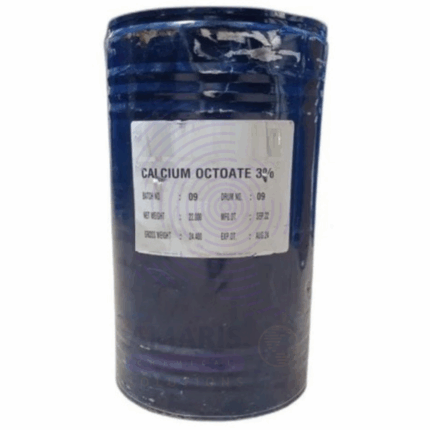
Calcium Octoate
Calcium Octoate 10% is an aqueous solution containing 10% calcium octoate, a calcium salt of 2-ethylhexanoic acid (octanoic acid). It is a white to pale yellow liquid, soluble in water, known primarily as a metal carboxylate used as a drying agent and corrosion inhibitor. It functions as a calcium-based drier in coatings, paints, varnishes, and printing inks to accelerate the curing process by catalyzing the oxidation and polymerization of drying oils. Due to its stability and efficacy at low concentrations, it is widely preferred as a non-toxic alternative to traditional lead or cobalt-based driers.
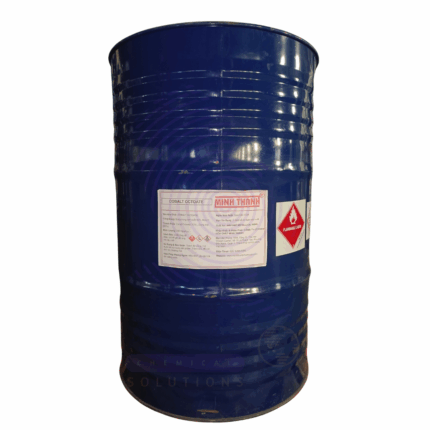
Cobalt Octoate
Cobalt Octoate is a liquid metal drying agent solution consisting of 10% cobalt octoate dissolved in an organic solvent carrier (typically mineral spirits or similar hydrocarbon solvent). It functions as a highly efficient catalyst to accelerate the oxidative curing and drying of alkyd resins, oils, and varnishes in coatings and paints. By promoting cross-linking and polymerization of unsaturated fatty acids in drying oils upon exposure to oxygen, it significantly reduces drying time and enhances film hardness, gloss, and durability. Cobalt Octoate 10% is widely used in industrial and decorative coatings, inks, and adhesives, valued for its strong catalytic activity even at low concentrations.
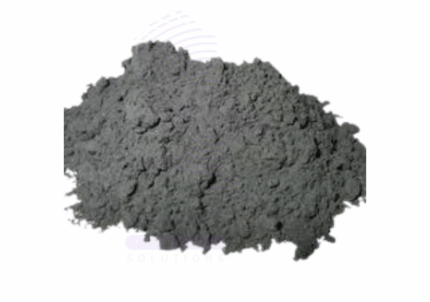
Ferrous Sulphide
Ferrous Sulphide (FeS) is an inorganic iron-sulfur compound appearing as a dark gray to black crystalline powder or solid. It has low solubility in water but reacts with acids to release hydrogen sulfide gas. It is used in numerous industrial and chemical processes due to its sulfide content and reactive properties. Ferrous Sulphide serves as a key intermediate in metallurgy, chemical synthesis, wastewater treatment, pigment production, and more.
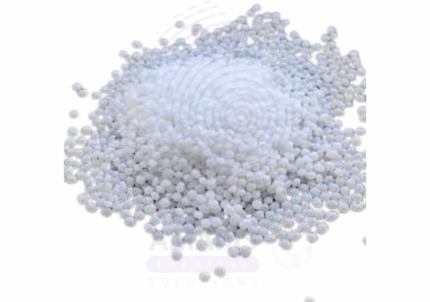
Fluiden
Fluiden is a specialized high-performance fluid additive commonly used to improve lubrication, reduce friction, and enhance the flow properties of various industrial fluids such as oils, coolants, and hydraulic fluids. It is typically a synthetic or semi-synthetic blend of surfactants, polymers, and corrosion inhibitors designed to optimize fluid stability, performance, and equipment protection. Fluiden products are utilized extensively in automotive, manufacturing, metalworking, and chemical processing industries to prolong machinery life, increase efficiency, and reduce maintenance costs. It appears as a clear to slightly colored liquid with low viscosity and excellent miscibility in water and oils depending on formulation.
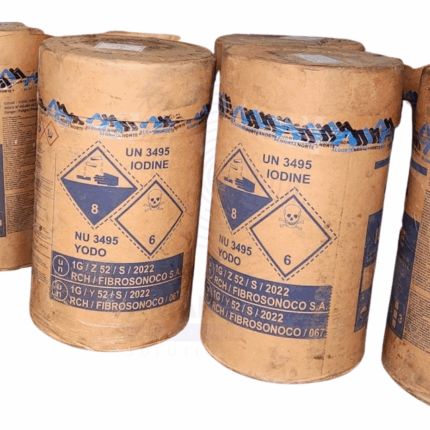
Iodine Crystals
Iodine Crystals are high-purity elemental iodine in solid crystalline form. These dark violet-black crystals have a characteristic pungent odor and sublime easily at room temperature, releasing violet iodine vapors. Iodine is a halogen element widely used for its antiseptic, oxidizing, and chemical reagent properties in pharmaceutical, industrial, and laboratory applications.

Paint Drier
Paint Drier is a specialized industrial additive designed as a non-toxic, lead-free alternative to traditional lead-based paint driers. It contains 36% active metal content primarily composed of bismuth and other metals, formulated to accelerate the drying and curing process of oil-based paints, varnishes, and coatings. The product improves film formation, reduces drying times, and enhances the durability and gloss of finished surfaces without the health and environmental hazards associated with lead compounds. BxPB36% Paint Drier is commonly used in architectural, industrial, and automotive coatings as a safer substitute for lead-based driers.
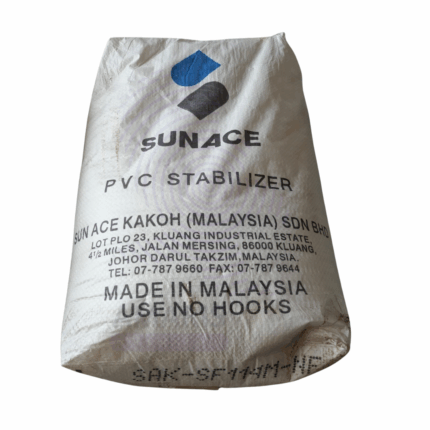
Polyvinyl Chloride Stabilizer
Polyvinyl Chloride Stabilizer is a crucial additive used in the processing of polyvinyl chloride (PVC) to protect it from thermal degradation during manufacturing and throughout its service life. It ensures color stability, prevents chain scission, and enhances the durability of PVC products exposed to heat, light, and mechanical stress. PVC stabilizers are available in various types, including lead-based, calcium-zinc (Ca-Zn), organotin, and mixed metal stabilizers, each suited for different applications depending on regulatory, environmental, and performance requirements.
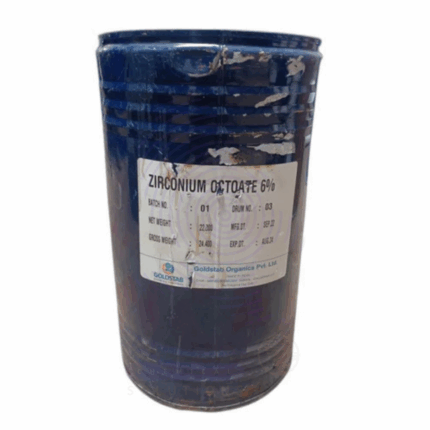
Zicronium Octoate
Zicronium Octoate is a metal carboxylate solution comprising zirconium ions complexed with octoic acid at an 18% zirconium concentration. It serves as an effective crosslinking and curing agent in coatings, adhesives, and sealants, enhancing film hardness, chemical resistance, and durability. This zirconium-based additive is valued for its catalytic properties in accelerating the curing of various polymer systems, especially in automotive and industrial applications.












