

 Preservatives(food)
 Flavors
 Acidulants
 Sweeteners
 Antioxidants
 Colorants(food)
 Nutraceutical Ingredients (food)
 Nutrient Supplements
 Emulsifiers
 Collectors
 Dust Suppressants
 Explosives and Blasting Agents
 Flocculants and Coagulants
 Frothers
 Leaching Agents
 pH Modifiers
 Precious Metal Extraction Agents
 Antioxidants(plastic)
 Colorants (Pigments, Dyes)
 Fillers and Reinforcements
 Flame Retardants
 Monomers
 Plasticizers
 Polymerization Initiators
 Stabilizers (UV, Heat)
 Antifoaming Agents
 Chelating Agents
 Coagulants and Flocculants
 Corrosion Inhibitors
 Disinfectants and Biocides
 Oxidizing Agents
 pH Adjusters
 Scale Inhibitors( water)
 Antioxidants(cosmetic)
 Emollients
 Oils
Oils Carrier Oills
 Essential Oils
 Humectants
 Preservatives
 Surfactants(cosmetic)
 Thickeners
 UV Filters
 Fragrance (Cosmetics)
 Fertilizers
 Soil Conditioners
 Plant Growth Regulators
 Animal Feed Additives
 Biostimulants
 Pesticides (Herbicides, Insecticides, Fungicides)
 Active Pharmaceutical Ingredients (APIs)
 Excipients
 Solvents(pharmaceutical)
 Antibiotics
 Antiseptics and Disinfectants
 Vaccine Adjuvants
 Nutraceutical Ingredients (pharmaceutical)
 Analgesics & Antipyretics
 Analytical Reagents
 Solvents(lab)
 Chromatography Chemicals
 Spectroscopy Reagents
 microbiology-and-cell-culture-reagents
 Molecular Biology Reagents
 Biochemical Reagents
 Inorganic and Organic Standards
 Laboratory Safety Chemicals
 Specialty Laboratory Chemicals(Special Laboratory Equipment)
 Demulsifiers
 Hydraulic Fracturing Fluids
 Scale Inhibitors(oil)
 Surfactants(oil)
 Drilling Fluids
 Dyes and Pigments
 Bleaching Agents
 Softening Agents
 Finishing Agents
 Antistatic Agents
 Admixtures
 Waterproofing Agents
 Sealants and Adhesives
 Curing Compounds
 Concrete Repair Chemicals
 Anti-Corrosion Coatings
 Surfactants(cleaning)
 Builders
 Enzymes
 Solvents (Cleaning)
 Electronic Chemicals
 Catalysts
 Lubricants
 Photographic Chemicals
 Refrigerants
 Automotive chemicals
 Pyrotechnic Chemicals
 Biodegradable Surfactants
 Bio-based Solvents
 Renewable Polymers
 Carbon Capture Chemicals
 Wastewater Treatment Chemicals
 Pigments
 Solvents(paint)
 Specialty Coatings
 Binders/Resins
 Additives
 Driers
 Anti-Corrosion Agents
 Functional Coatings
 Application-Specific Coatings
 Leavening Agents
 Dough Conditioners
 Flour Treatments
 Fat Replacers
 Decoratives
 Preservatives(baking)
 Plasticizers & Softeners
 Reinforcing Agents
 Adhesion Promoters
 Vulcanizing Agents
 Antidegradants
 Blowing Agents
 Fillers & Extenders
 Accelerators & Retarders

Zinc Powder Extra Pure
Original price was: $ 17.55.$ 17.43Current price is: $ 17.43.
Zinc Powder Extra Pure is a high-purity, finely divided form of elemental zinc, appearing as a gray to bluish-gray metallic powder. It is widely used in chemical laboratories, metallurgical operations, and industrial formulations for its strong reducing properties, electrical conductivity, and reactivity with acids to release hydrogen gas. In analytical chemistry, it serves as a critical reagent in redox titrations and hydrogen-generating reactions, and plays a key role in electroplating studies and corrosion analysis.
In industry, Zinc Powder is essential in the production of galvanic coatings, batteries, specialty paints, and pyrotechnic mixtures. Its high surface area makes it particularly reactive, which enhances its utility in hydrogenation, alloy production, and wastewater treatment via cementation. Due to its flammable dust nature and tendency to react with acids and oxidizers, strict precautions are needed during storage and handling. Zinc Powder Extra Pure is especially valued for applications that demand consistent purity, high reactivity, and compliance with laboratory-grade specifications.
Zinc Powder Extra Pure
PRIMARY USES
- Analytical Reagent & Laboratory Applications:
- Used in qualitative and quantitative chemical analysis, especially in redox reactions
- Functions as a reducing agent in analytical chemistry and organic synthesis
- Employed in preparation of hydrogen gas in laboratory demonstrations and reactions
- Involved in electroplating and electrodeposition studies in academic and industrial labs
- Pharmaceutical & Cosmetic Industry:
- Used in topical formulations for its skin-healing and antimicrobial properties
- Incorporated into antiseptic ointments, creams, and calamine-type preparations
- Serves as a zinc source in certain nutraceutical and medicinal applications under strict standards
- Metal Processing & Metallurgy:
- Critical in galvanization (zinc coating of iron and steel to prevent corrosion)
- Used in the production of brass and other zinc alloys
- Applied in thermal spraying and metallization processes for corrosion resistance
SECONDARY USES
- Pyrotechnics & Explosives:
- Acts as a fuel component in fireworks, explosives, and propellants
- Used in smoke-generating compositions and signal flares
- Battery & Electrical Applications:
- Utilized in the manufacture of zinc-carbon and zinc-air batteries
- Functions as an electrode material and current collector in electrochemical cells
- Paint & Coatings Industry:
- Used in zinc-rich primers and corrosion-resistant coatings for steel structures
- Applied in anti-corrosion paints for marine and industrial environments
- Water Treatment & Environmental Remediation:
- Applied in removal of heavy metals from industrial wastewater through precipitation or cementation
- Used in filtration systems for contaminant capture and reduction
1. Basic Identification Attributes
- Chemical Name: Zinc
- CAS Number: 7440-66-6
- HS Code: 7903.10.00
- Molecular Formula: Zn
- Synonyms:
- Zinc dust
- Zinc metal powder
- Finely divided zinc
2. Physical & Chemical Properties
- Physical State: Solid (fine powder or dust)
- Color & Odor: Gray to bluish-gray, odorless
- Melting Point: ~419.5 °C
- Boiling Point: ~907 °C
- Density/Specific Gravity: ~7.1 g/cm³
- Solubility:
- Insoluble in water
- Soluble in acids and alkalis with gas evolution (H₂)
- pH Level: Not applicable (metallic solid)
- Vapor Pressure & Volatility: Low at room temperature
- Flash Point: Not applicable (non-volatile)
- Autoignition Temperature: ~460–580 °C (dependent on particle size and dispersion in air)
- Viscosity: Not applicable
3. Safety & Hazard Attributes
- Hazard Class (GHS Classification):
- Flammable solid (Category 2)
- Specific target organ toxicity – single exposure (Category 3, respiratory tract irritation)
- Acute aquatic toxicity (Category 1)
- Chronic aquatic toxicity (Category 1)
- NFPA Ratings:
- Health: 1
- Flammability: 3
- Reactivity: 1
- Exposure Limits:
- OSHA PEL: 15 mg/m³ (total dust), 5 mg/m³ (respirable fraction)
- ACGIH TLV: 2 mg/m³ (respirable fraction, as zinc oxide fume)
- Reactivity:
- Stable under normal storage conditions
- Reacts with acids to produce flammable hydrogen gas
- May react violently with oxidizing agents
4. Storage & Handling Attributes
- Storage Conditions:
- Store in a cool, dry, well-ventilated area away from ignition sources
- Use spark-proof tools and explosion-proof equipment if handling large quantities
- Incompatible Materials:
- Acids
- Strong oxidizers (e.g., chlorates, nitrates, peroxides)
- Water/moisture (in presence of acids or heat)
- Container Type:
- Antistatic polyethylene containers or sealed metal drums with inert atmosphere
- Shelf Life & Expiration Date:
- Indefinite if kept dry and inerted
- Special Handling Requirements:
- Use non-sparking tools
- Ground containers and equipment to prevent static buildup
- Avoid dispersion of dust into air
5. Regulatory & Compliance Attributes
- Regulatory Status:
- Listed in REACH, TSCA, and other major chemical inventories
- Regulated under workplace exposure limits for metal dusts
- Transportation Restrictions:
- May be classified as a flammable solid (UN 3089) depending on particle size and packaging
- Waste Disposal Method:
- Dispose of as hazardous metal-containing waste
- Follow local environmental regulations for collection and treatment
6. Environmental & Health Impact
- Ecotoxicity:
- Highly toxic to aquatic life in powdered form
- Can bioaccumulate in aquatic organisms if released in large quantities
- Persistence in Environment:
- Metal; does not degrade but may persist in sediments
- Carcinogenicity/Mutagenicity:
- Not classified as carcinogenic or mutagenic
- Biodegradability:
- Inorganic, non-biodegradable; however, low environmental mobility in solid form
SAFETY PRECAUTIONS
Personal Protective Equipment (PPE):
- Wear chemical-resistant gloves (e.g., nitrile or neoprene)
- Use safety goggles or face shield to prevent eye exposure
- Wear a lab coat or flame-resistant protective clothing
- Use a dust mask or respirator approved for metal dusts
Handling:
- Handle in well-ventilated areas away from heat, sparks, and open flames
- Avoid breathing dust or fumes (especially during heating)
- Avoid skin and eye contact
- Ground all equipment when transferring powder to avoid static discharge
Storage:
- Store in tightly sealed containers in cool, dry, and inert conditions
- Protect from moisture, acids, and oxidizers
- Keep away from sources of ignition
FIRST AID MEASURES
Inhalation:
- Move victim to fresh air immediately
- Seek medical attention if coughing, shortness of breath, or irritation persists
Skin Contact:
- Wash with soap and water
- Remove contaminated clothing
- Seek medical attention if irritation develops
Eye Contact:
- Rinse immediately with plenty of water for at least 15 minutes
- Seek medical attention if irritation persists
Ingestion:
- Rinse mouth thoroughly
- Do not induce vomiting
- Seek medical attention immediately
FIRE FIGHTING MEASURES
Flammability:
- Flammable in fine powder form, especially when dispersed in air
Extinguishing Media:
- Use dry chemical, Class D fire extinguisher, or sand
- Do NOT use water or foam (may react and release hydrogen)
Hazardous Combustion Products:
- Zinc oxide fumes (toxic if inhaled)
Firefighter Protection:
- Use self-contained breathing apparatus (SCBA)
- Wear full protective gear and avoid inhaling combustion fumes
Related products
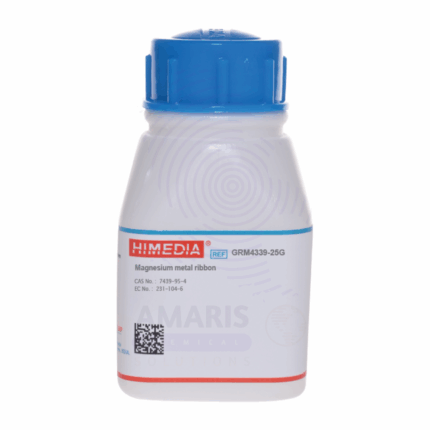
Magnesium Ribbon Extra Pure
Magnesium Ribbon Extra Pure is a highly reactive metallic strip known for its silvery appearance and clean-burning properties. It is widely used in laboratory demonstrations, particularly in combustion and oxidation experiments, where it burns with a bright white flame, showcasing exothermic reactions vividly. Due to its high purity, it ensures minimal contamination in analytical and research applications. Beyond academics, magnesium ribbon also finds niche uses in pyrotechnics, metal alloy production, and chemical synthesis where controlled reactivity and reliable performance are essential. Its lightweight and malleable nature make it easy to handle and ideal for precision experimental setups.
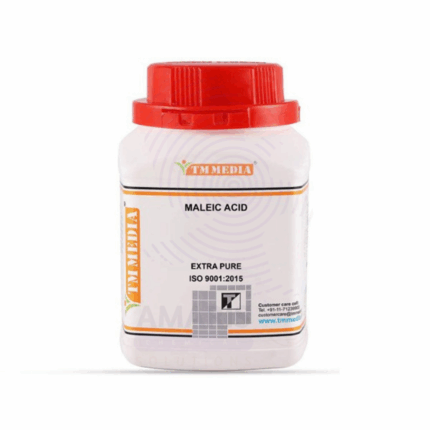
Maleic Acid Extra Pure
Maleic Acid Extra Pure is a high-purity organic compound valued for its strong acidic properties and wide range of laboratory and industrial applications. It appears as a white crystalline solid and is primarily used in organic synthesis, particularly in the production of polymers, resins, and plasticizers. In research laboratories, Maleic Acid serves as a buffering agent, a precursor to fumaric acid, and an intermediate in various chemical reactions. Its excellent solubility in water and compatibility with other reactants make it especially useful in biochemical and analytical procedures. The extra pure grade ensures minimal contamination, providing reliable results in sensitive experiments and high-precision manufacturing processes.
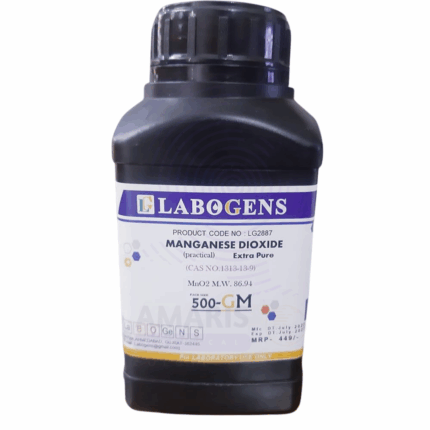
Manganese Dioxide Extra Pure
Manganese Dioxide Extra Pure is a high-purity, dark brown or black powder widely used in laboratories and industrial processes for its strong oxidizing properties. In analytical chemistry, it serves as an effective oxidizing agent and is often involved in the decomposition of hydrogen peroxide and other redox reactions. It is also used in the preparation of oxygen and chlorine gases in laboratory settings. Beyond the lab, manganese dioxide plays a crucial role in battery manufacturing, particularly in dry cell batteries, and in ceramics and glass production for coloring and decolorizing. Its consistent purity makes it ideal for sensitive experiments and formulations.
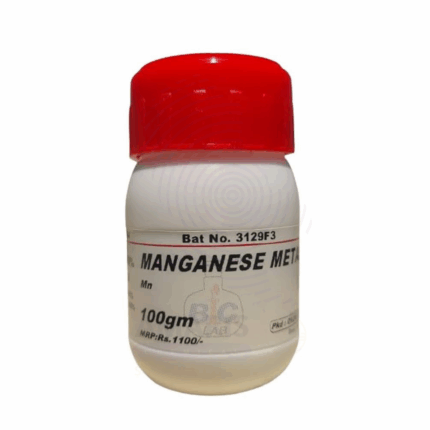
Manganese Metal Powder Extra Pure
Manganese Metal Powder Extra Pure is a fine, silvery-gray metallic powder known for its high reactivity and essential role in various chemical and metallurgical applications. In the laboratory, it is frequently used in redox reactions, alloy synthesis, and as a reagent for preparing manganese compounds. Its high surface area makes it particularly effective in catalysis and experimental procedures requiring fast reactivity. Industrially, manganese metal powder is integral to producing specialty steels and alloys, where it improves hardness, strength, and wear resistance. Its exceptional purity ensures consistent performance in research, metal refining, and advanced materials development.
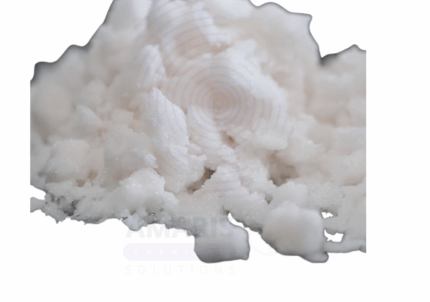
Manganous Dihydrogen Phosphate Extra Pure
Manganous Dihydrogen Phosphate Extra Pure is a high-purity, white to pale pink crystalline compound composed of manganese and phosphate ions. It is primarily used in analytical chemistry, research laboratories, and specialized industrial processes where a precise and reliable manganese source is required. This compound is valued for its solubility in water and its role as a reagent in studies involving nutrient uptake, coordination chemistry, and phosphate-related reactions. Additionally, it finds niche applications in fertilizers and micronutrient formulations, particularly in controlled agricultural studies. Its extra pure grade ensures minimal contamination, making it suitable for sensitive experiments and formulations.
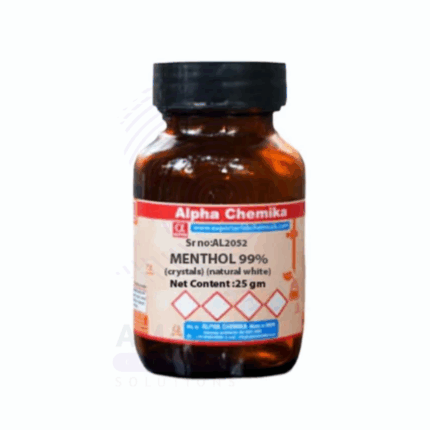
Menthol Crystals Extra Pure
Menthol Crystals Extra Pure are colorless to white, needle-like crystals derived from peppermint or other mint oils and refined to the highest purity. Known for their strong, refreshing minty aroma, they are widely used in pharmaceutical, cosmetic, and personal care formulations. These crystals provide a cooling sensation on the skin and mucous membranes, making them a common ingredient in balms, liniments, throat lozenges, and inhalants. In laboratories, menthol crystals are also used in sensory studies and product development. Their purity ensures consistent performance and minimal interference in sensitive formulations.
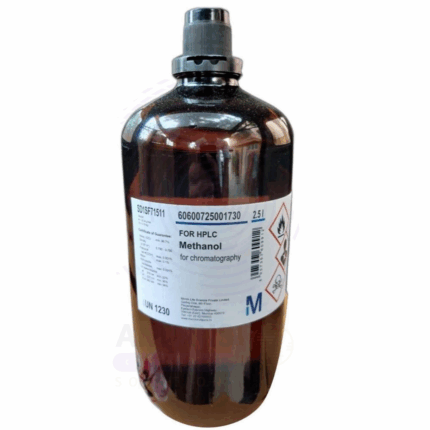
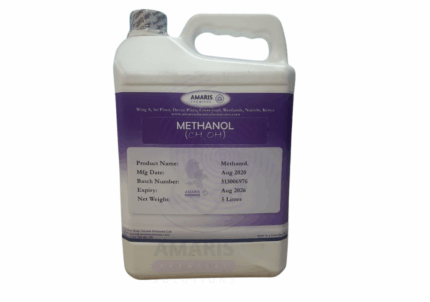
Methanol Extra Pure
Methanol Extra Pure is a clear, colorless, and highly volatile liquid with a mild alcohol-like odor, refined to an exceptional level of purity. It is widely used as a solvent in laboratories and industrial settings due to its excellent miscibility with water and many organic compounds. Methanol serves as a key reagent in chemical synthesis, particularly in the production of formaldehyde, methyl esters, and biodiesel. In analytical chemistry, it’s used for chromatography and spectroscopic applications where high purity is essential. Its rapid evaporation rate and strong solvency make it ideal for cleaning delicate equipment and preparing lab samples.
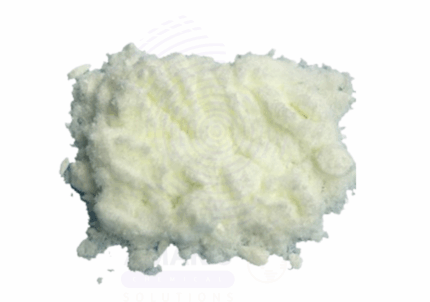
Methoxy Benzophenone Sulfonic Acid Extra Pure
Methoxy Benzophenone Sulfonic Acid Extra Pure is a high-purity, water-soluble organic compound primarily used as a UV filter in cosmetic and pharmaceutical formulations. This compound is valued for its ability to absorb harmful ultraviolet radiation, particularly in the UVB range, making it a key ingredient in sunscreens, lotions, and other personal care products requiring photo-stability. In laboratory settings, it is employed in research involving photochemistry and polymer stabilization. Its sulfonic acid group enhances water solubility, while the methoxy and benzophenone components provide strong UV-absorbing characteristics, ensuring effective and consistent performance in formulations demanding high safety and efficacy standards.












