Preservatives(food)
 Flavor Enhancers
 Acidulants
 Sweeteners
 Antioxidants
 Colorants(food)
 Nutraceutical Ingredients (food)
 Nutrient Supplements
 Emulsifiers
 Collectors
 Dust Suppressants
 Explosives and Blasting Agents
 Flocculants and Coagulants
 Frothers
 Leaching Agents
 pH Modifiers
 Precious Metal Extraction Agents
 Antioxidants(plastic)
 Colorants (Pigments, Dyes)
 Fillers and Reinforcements
 Flame Retardants
 Monomers
 Plasticizers
 Polymerization Initiators
 Stabilizers (UV, Heat)
 Antifoaming Agents
 Chelating Agents
 Coagulants and Flocculants
 Corrosion Inhibitors
 Disinfectants and Biocides
 Oxidizing Agents
 pH Adjusters
 Scale Inhibitors( water)
 Antioxidants(cosmetic)
 Emollients
 Fragrances and Essential Oils
 Humectants
 Preservatives
 Surfactants(cosmetic)
 Thickeners
 UV Filters
 Fertilizers
 Soil Conditioners
 Plant Growth Regulators
 Animal Feed Additives
 Biostimulants
 Pesticides (Herbicides, Insecticides, Fungicides)
 Active Pharmaceutical Ingredients (APIs)
 Excipients
 Solvents(pharmaceutical)
 Antibiotics
 Antiseptics and Disinfectants
 Vaccine Adjuvants
 Nutraceutical Ingredients (pharmaceutical)
 Analgesics & Antipyretics
 Analytical Reagents
 Solvents(lab)
 Chromatography Chemicals
 Spectroscopy Reagents
 microbiology-and-cell-culture-reagents
 Molecular Biology Reagents
 Biochemical Reagents
 Inorganic and Organic Standards
 Laboratory Safety Chemicals
 Specialty Laboratory Chemicals(Special Laboratory Equipment)
 Demulsifiers
 Hydraulic Fracturing Fluids
 Scale Inhibitors(oil)
 Surfactants(oil)
 Drilling Fluids
 Dyes and Pigments
 Bleaching Agents
 Softening Agents
 Finishing Agents
 Antistatic Agents
 Admixtures
 Waterproofing Agents
 Sealants and Adhesives
 Curing Compounds
 Concrete Repair Chemicals
 Anti-Corrosion Coatings
 Surfactants(cleaning)
 Builders
 Enzymes
 Solvents (Cleaning)
 Fragrances
 Electronic Chemicals
 Catalysts
 Lubricants
 Photographic Chemicals
 Refrigerants
 Automotive chemicals
 Pyrotechnic Chemicals
 Biodegradable Surfactants
 Bio-based Solvents
 Renewable Polymers
 Carbon Capture Chemicals
 Wastewater Treatment Chemicals
 Pigments
 Solvents(paint)
 Specialty Coatings
 Binders/Resins
 Additives
 Driers
 Anti-Corrosion Agents
 Functional Coatings
 Application-Specific Coatings
 Leavening Agents
 Dough Conditioners
 Flour Treatments
 Fat Replacers
 Decoratives
 Preservatives(baking)
 Plasticizers & Softeners
 Reinforcing Agents
 Adhesion Promoters
 Vulcanizing Agents
 Antidegradants
 Blowing Agents
 Fillers & Extenders
 Accelerators & Retarders
Spikenard Oil: The Rare Aromatic Treasure for Perfumery, Wellness, and Advanced Botanical Formulations 🌿🧪✨

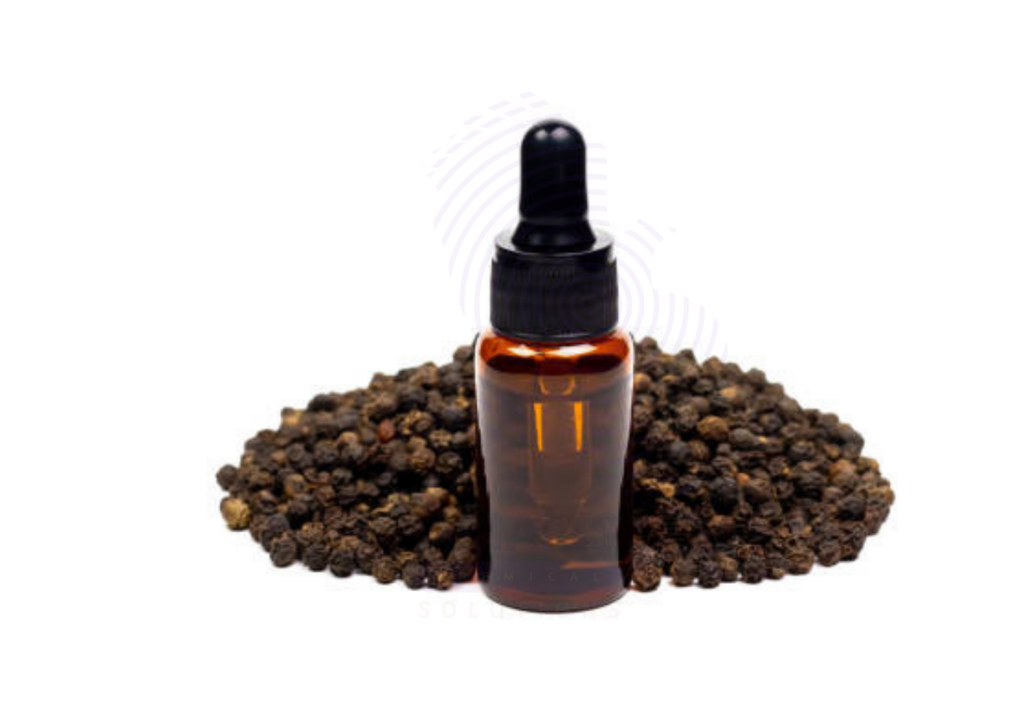
Among the world’s most fascinating and historically treasured essential oils, Spikenard Oil holds a unique place. Known for its earthy, woody, and deeply calming aroma, this oil has been valued for centuries in traditional practices, perfumery, and natural wellness systems. Today, Spikenard Oil continues to attract attention in cosmetics, aromatherapy, pharmaceuticals, and botanical research, thanks to its complex composition and distinctive fragrance profile.
Extracted from the roots of the spikenard plant, this essential oil represents a blend of ancient heritage and modern scientific interest. Its rarity and aromatic depth make it a premium ingredient used in high-end formulations and specialized applications.
What is Spikenard Oil?
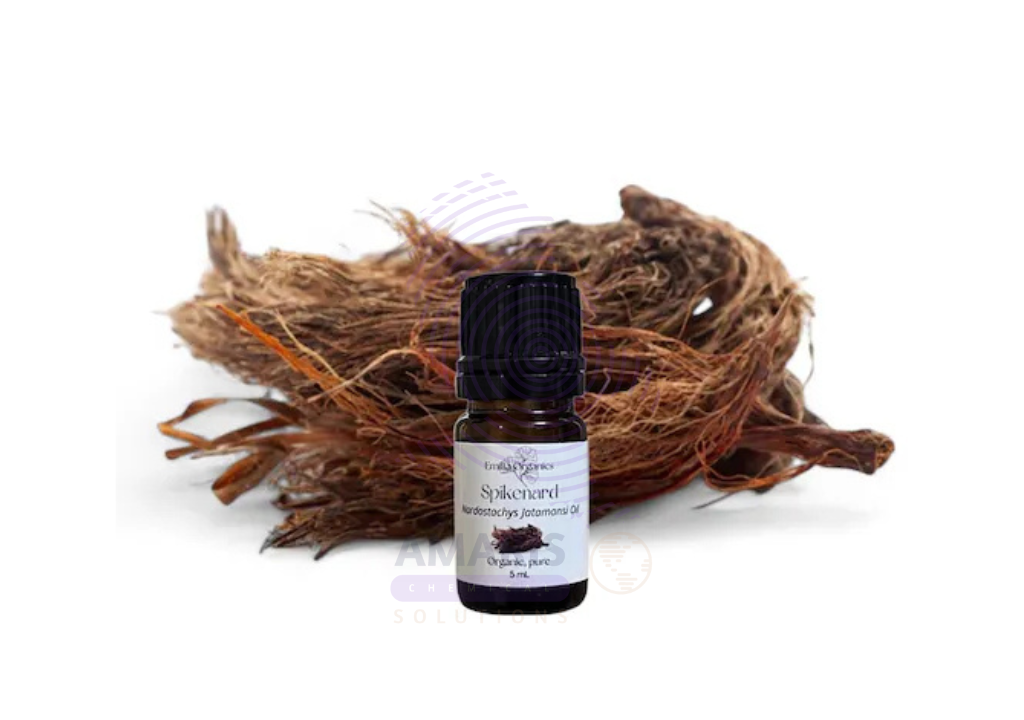
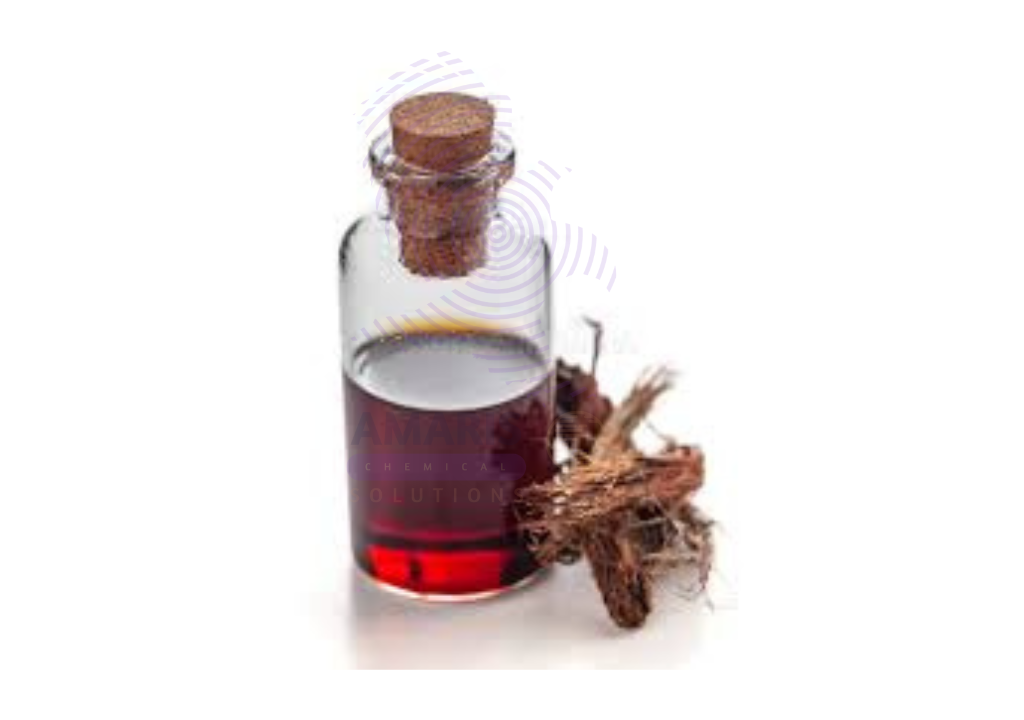
Spikenard Oil is obtained from the plant Nardostachys jatamansi, a flowering herb native to mountainous regions. The oil is typically extracted through steam distillation of the plant’s roots and rhizomes, resulting in a thick, aromatic liquid.
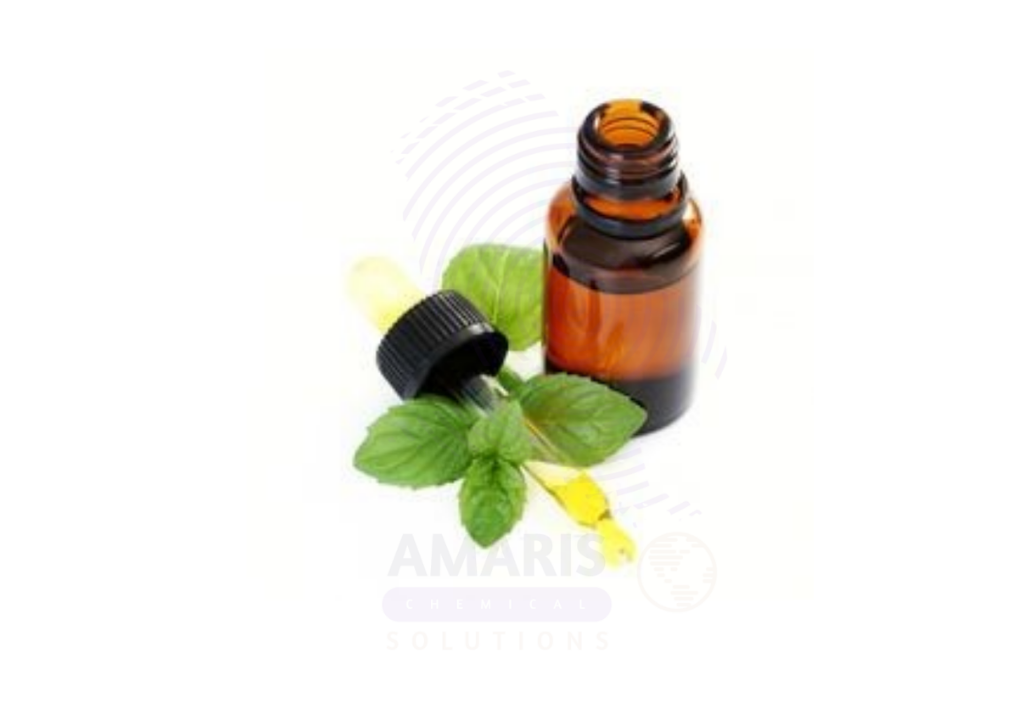
The oil usually appears amber to brown in color and is characterized by a rich, earthy, slightly musky scent with woody undertones. Its complex aroma profile makes it highly valued in fragrance creation and therapeutic blends.
Chemically, Spikenard Oil contains a variety of sesquiterpenes and aromatic compounds, which contribute to its stability, fragrance, and functional properties. These compounds are often studied in natural product chemistry and essential oil research.
Historical and Cultural Significance 📜
Spikenard Oil has a long history of use in ancient civilizations, where it was considered a luxury item due to its rarity and aromatic richness. It has been referenced in historical texts and was often used in rituals, perfumery, and traditional wellness practices.
Because of its distinctive scent and limited availability, spikenard oil was once regarded as a valuable and prestigious substance, used by royalty and in ceremonial contexts.
Today, this historical legacy continues to influence its use in premium fragrance products and natural wellness formulations.
Perfumery and Fragrance Industry 🌸
One of the most important modern uses of Spikenard Oil is in the perfumery industry. Its deep, earthy aroma makes it an excellent base note in fragrance compositions.
Perfumers use spikenard oil to:
• Add depth and longevity to fragrances
• Create warm, woody scent profiles
• Enhance natural and oriental perfume blends
• Provide a grounding aromatic character
Because of its strong and lasting scent, only small quantities are needed to influence the overall fragrance profile. It blends well with other essential oils such as sandalwood, patchouli, and vetiver.
This makes Spikenard Oil a valuable ingredient in luxury perfumes and artisanal fragrance formulations.

Aromatherapy and Wellness Applications 🌿
In aromatherapy, Spikenard Oil is often associated with relaxation and grounding effects. Its deep, calming aroma is used in blends designed to promote a sense of balance and tranquility.
It is commonly used in:
• Diffusers and aromatic blends
• Massage oils (when diluted)
• Meditation and relaxation formulations
• Natural wellness products
Aromatherapy practitioners value spikenard oil for its ability to create a soothing and peaceful environment, making it popular in stress-relief and relaxation-focused blends.
Because of its potency, it is typically used in small, controlled amounts.
Cosmetic and Personal Care Uses 🧴
Spikenard Oil is also used in cosmetic and personal care products, particularly those that emphasize natural and botanical ingredients.
It may be included in:
• Herbal skincare formulations
• Natural perfumes and body oils
• Hair care products
• Specialty grooming products
In these formulations, the oil contributes both aromatic richness and botanical appeal, enhancing the overall sensory experience of the product.
Its unique scent makes it especially popular in products designed to provide a luxurious and calming feel.
Laboratory and Research Applications 🔬
Spikenard Oil has gained interest in scientific research, particularly in the study of natural plant compounds and essential oils.
Researchers analyze spikenard oil to explore:
• Its chemical composition and active constituents
• Extraction and distillation techniques
• Stability and storage behavior
• Potential applications in natural product chemistry
Because essential oils contain complex mixtures of compounds, spikenard oil serves as an interesting subject in organic chemistry and phytochemical studies.
Industrial and Commercial Importance ⚙️
As demand grows for natural and plant-based ingredients, Spikenard Oil is becoming increasingly relevant in industries focused on botanical products.
It is used in:
• Natural fragrance manufacturing
• Herbal product development
• Aromatic formulations
• Specialty cosmetic products
Its rarity and premium status make it particularly valuable in high-end and niche markets.
Manufacturers who prioritize unique and natural ingredients often choose spikenard oil to create distinctive and high-quality products.
Importance of Quality and Sourcing
Because Spikenard Oil is derived from a specific plant grown in limited regions, quality and sourcing are extremely important. High-quality oil is produced through careful harvesting and controlled distillation processes.
Purity ensures:
• Authentic aroma profile
• Consistent chemical composition
• Reliable performance in formulations
Ethical sourcing and proper processing also help maintain sustainability and product integrity, which are increasingly important in today’s market.
Final Thoughts
Spikenard Oil is a rare and valuable essential oil that continues to bridge the gap between ancient traditions and modern scientific applications. Its deep, earthy aroma, complex chemical composition, and wide range of uses make it a standout ingredient in perfumery, aromatherapy, cosmetics, and research.
From luxurious fragrances to calming wellness products, Spikenard Oil offers a unique combination of aromatic richness and functional versatility.
As industries continue to explore natural and sustainable ingredients, spikenard oil remains a symbol of how botanical resources can deliver both scientific value and sensory excellence. 🌿✨🧪